How to Stop Fish From Dying Suddenly in a Pond
How to Stop Fish From Dying Suddenly in a Pond
I walked down to my pond one morning and found nearly two hundred catfish floating belly up along the bank. The night before, they had been feeding hard and looked fat and happy. I stood there with the feed bucket still in my hand, trying to understand how a whole pond could go from healthy to dead between sunset and sunrise. It took me two more disasters before I understood what was really killing them.
Here is the direct answer. When fish die suddenly in a pond, the cause is most often oxygen, and the second most common cause is poor water quality, usually from too much feed, too many fish, or a sudden change in the weather. Disease, poison, and temperature shock come next. The reason oxygen tops the list is that fish use it up fast at night and in hot, cloudy, or overfed ponds, and when it drops too low, they die within hours. If you test and manage your water, feed sensibly, and watch for the early signs, you can stop most sudden die-offs before they begin.
Let me walk you through how I find the cause, fix it, and prevent it.
What most farmers get wrong
The first mistake is guessing. Farmers see dead fish and immediately blame disease, buy a medicine, and pour it in. If the real problem was low oxygen, the medicine can make things worse, and the next batch dies too. You must find the cause before you act.
The second mistake is overfeeding. Uneaten feed rots at the bottom of the pond, uses up oxygen, and pours ammonia into the water. Farmers who think more feed means faster growth often end up with dead fish and a foul pond.
The third mistake is overstocking. Too many fish in a small pond use oxygen quickly and foul the water with their waste. A pond can only carry so many fish, and pushing beyond that limit invites trouble.
The fourth mistake is ignoring the weather and the time of day. Oxygen is lowest just before dawn, because plants and algae produce oxygen only in daylight and use it at night. Fish kills often happen in the early morning, after a hot, still, cloudy day or after heavy rain.
The fifth mistake is not checking the water. Most small farmers never test pH, oxygen, or ammonia. A few simple, cheap tests tell you more than weeks of guesswork.
The most common causes of sudden fish death
Low dissolved oxygen. This is the number one killer. Fish gasp at the surface, crowd near the inlet, or swim near the top with their mouths open, especially early in the morning. Low oxygen is more likely when the pond is warm, crowded, overfed, full of algae, or after several cloudy days when photosynthesis is weak. A sudden die-off of algae, called an algae crash, can use up huge amounts of oxygen overnight. Warm water holds less oxygen, which is why hot spells are dangerous.
Poor water quality: ammonia and nitrite. Fish waste and rotting feed release ammonia, which is toxic. In a well-balanced pond, bacteria convert ammonia to less harmful substances, but in an overloaded pond, the system fails. High ammonia burns the gills and damages the fish. Signs include fish gasping even when oxygen is fine, red or inflamed gills, and fish swimming erratically.
Sudden changes in pH or temperature. Heavy rain, adding fresh water suddenly, or liming too heavily can shock fish. Very high pH during the afternoon in algae-rich ponds can raise the toxicity of ammonia. A rapid temperature change, for example when cold rain falls on a hot pond or when you transfer fish between waters of different temperatures, can kill fish within hours.
Poisoning. Runoff from farms and gardens carrying pesticides or herbicides can wipe out a pond. So can detergents, fuel or oil spills, and some chemicals used for cleaning. Some farmers use plant poisons to catch fish, and those can contaminate water too. If many different animals nearby, such as frogs and insects, are also dead, suspect poison. Check what has been sprayed upstream or nearby.
Disease and parasites. Bacterial infections, fungal infections, and parasites such as those that attack the gills and skin can cause die-offs, especially in stressed fish. Signs include sores, ulcers, red patches, torn fins, cotton-like growths, white spots, swollen belly, bulging eyes, rubbing against objects, and fish lying listlessly at the bottom. Disease usually builds over days, so a truly sudden mass death in one night more often points to oxygen or poison. However, stressed fish in poor water are much more likely to catch a disease.
Bad handling. Rough netting, long transport, crowded buckets, and stocking fingerlings into water with a very different temperature or quality can all cause deaths, often within the first days after stocking.
Poor-quality feed. Mouldy feed or old, spoiled feed can poison fish and foul the water. Store feed in a cool, dry place and use it within the recommended time.
What to do the moment you see fish in trouble
Act fast, because every minute counts.
If you see fish gasping at the surface, act as if it is a low oxygen emergency. Stop feeding immediately. If you have a pump, aerator, or paddlewheel, switch it on. If you do not, you can add oxygen by splashing the water, beating the surface with a paddle or board, or running water from a pump or pipe into the pond so that it falls through the air. If you have a clean, safe source of fresh water, introduce it slowly, preferably at the surface near the gasping fish, but avoid flooding the pond with water that is much colder or of very different quality. In a hot spell, shading part of the pond can help too.
Remove dead fish at once, bury them away from the pond or dispose of them as your fisheries officer advises, so they do not rot and make the water worse. Wash your hands afterwards.
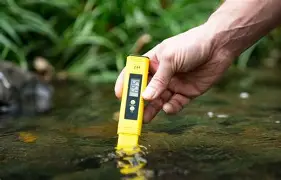
Take a water sample and test it, if you can. The most useful quick tests are dissolved oxygen, pH, ammonia, and temperature. Test kits are available at many aquaculture suppliers. Your fisheries or extension officer may be able to test or give advice. Take readings at the same time each day, and compare them over time.
If you suspect poison, stop any inflow of water from the suspected source, and call your fisheries officer or local authority. Do not sell or eat dead fish if you suspect chemical poisoning.
If you suspect disease, collect a few fresh, sick, or just-dead fish and have them examined by a fisheries or veterinary officer. Do not treat blindly with chemicals or antibiotics, because wrong treatments can harm fish and people, and using drugs incorrectly can create resistance and residues. Ask what is approved and safe in your area.
How to prevent sudden die-offs
Manage feeding. Feed only what the fish eat in about 15 to 30 minutes, and remove or reduce the ration if they leave food behind. Feed at regular times, preferably in the cooler parts of the day. Cut back or stop feeding during hot, cloudy, or still weather, and after heavy rain, when oxygen is likely to be low. Use good-quality feed from a reliable supplier, and store it properly.
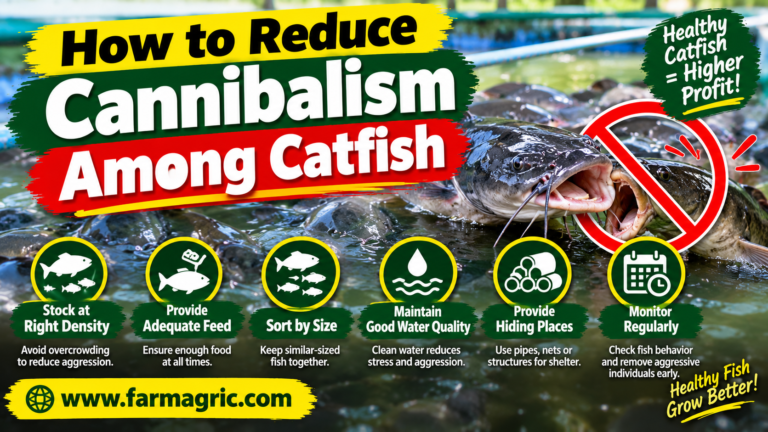
Stock at the right density. The right number of fish depends on your pond size, depth, species, water source, and whether you have aeration. Ask your fisheries officer for a recommended stocking rate for your system, and do not exceed it. If your fish are growing slowly and the water is always murky, you may already have too many.
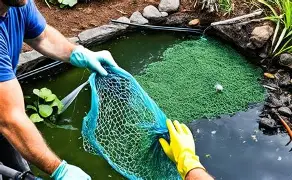
Keep the water green, not too green. A moderate bloom of healthy algae gives oxygen during the day and food for some species. But a thick, pea-soup green pond is a danger, because it can crash overnight. If the water is very green, cut back on feed and fertiliser, and if possible exchange part of the water. A clear pond with no algae at all may lack natural productivity. A pale green or light brown colour, where you can still see your hand about 30 to 40 centimetres below the surface, is generally a good target. A simple Secchi disc, which is just a plain disc on a rope, can measure this.
Add aeration if you can. Paddlewheels, air pumps, diffusers, or even a simple water inlet that splashes into the pond can lift oxygen levels, especially at night and in the early morning. If your stocking density is high, aeration is not a luxury, it is insurance. Run it especially during the night and in hot, cloudy weather.
Check depth and design. Very shallow ponds heat up fast and swing wildly in temperature and oxygen. Ponds that are too deep may have oxygen-poor water at the bottom. A depth of around one to one and a half metres is common for many farm ponds, but ask local advisors what suits your species and climate.
Manage the bottom. A thick layer of black, smelly mud means too much organic waste. Between crops, drain, dry, and clean the pond, remove excess mud, and, if advised, treat the soil. This prevents the build-up of harmful gases and disease organisms.
Control inflow water. Filter incoming water with a screen or filter to keep out wild fish, predators, and debris. Know where your water comes from and what could contaminate it. Keep drainage and fertiliser runoff from farms away from the pond.
Be careful with lime, fertiliser, and chemicals. Use them only at recommended rates and times. Sudden big changes in pH from liming or fertiliser can stress fish. Do not apply chemicals in the middle of a hot day or before cloudy weather.
Handle fish gently. Use soft nets, keep fish in water as much as possible, avoid crowding in buckets, and match the temperature of the transport water to the pond water slowly before you release fingerlings. Stock early in the morning or in the evening, when it is cooler.
Quarantine and buy well. Buy fingerlings from a reputable hatchery. Look for lively, uniform fish with no sores or deformities. If possible, hold new fish in a separate tank or pond for a period to watch for disease before mixing them with your stock.
Keep records. Write down the date, feed given, stocking numbers, water readings, weather, and any deaths. After a few cycles, patterns show up. You may notice that deaths tend to follow three cloudy days, or that one pond is always worse than another. Those records are the cheapest early warning system you will ever have.
Warning signs to watch for
Go to the pond at dawn, when oxygen is lowest, and again in the evening. Watch for fish crowding at the surface or inlet, gasping, or swimming slowly near the top, fish that refuse to eat, unusual colour changes in the water (suddenly clear, brown, milky, or dark green), a bad smell, a foam or scum layer, fish lying at the bottom or on their side, sores, red gills, or fish rubbing against objects. If you see any of these, respond immediately, instead of waiting to see what happens.
What I would do differently if I started today
I would buy a water test kit and use it from the first week.
I would stock fewer fish than I wanted to, and increase slowly as I learned my pond.
I would install some form of aeration before stocking, not after the first disaster.
I would feed less and watch more.
I would keep a notebook at the pond, and visit it at dawn on a regular basis.
And I would get to know my fisheries officer well before I needed help.
Frequently asked questions
Why are my fish dying in the morning?
Dissolved oxygen is lowest just before sunrise, so morning deaths often point to oxygen shortage. This is more likely in crowded, overfed, hot, or algae-heavy ponds.
Why are my fish coming to the surface?
Gasping at the surface usually means low oxygen, though high ammonia or gill damage can cause similar behaviour. Stop feeding, add aeration or splash the water, and test the water.
Can too much feed kill fish?
Yes. Uneaten feed rots, uses up oxygen, and produces ammonia. Feed only what the fish will eat, and cut back in hot or cloudy weather.
Does rain kill fish in ponds?
Heavy rain can cause sudden changes in temperature, pH, and water quality, and can wash pesticides and mud into the pond. It can also cause the water to stratify, which can lead to low oxygen. Watch the pond closely after a storm.
Should I use medicine when fish die suddenly?
Not before you know the cause. Most sudden deaths are due to oxygen or water quality, and medicine will not fix that. If you suspect disease, have a fisheries or veterinary officer examine the fish.
The advice worth bookmarking
Fish do not die suddenly, the pond gives warnings for days, so visit it at dawn, feed less than you want to, test the water before you treat the fish, and treat oxygen as the first suspect every time.