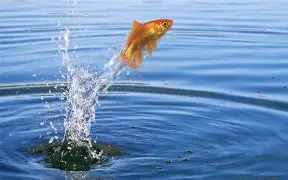
How to Stop Fish From Jumping Out of the Pond
How to Stop Fish From Jumping Out of the Pond
After the first heavy rain of the season, I walked around my catfish ponds at dawn and found fish on the grass. Some were dead. Some were still flapping. A few had made it twenty metres across the compound and were lying in a drainage ditch like they had somewhere to be. I counted forty-three that morning and told myself it was a bad night. The next rain, I lost more. Only then did I start asking what the fish were trying to tell me.
Here is the direct answer. Fish jump or crawl out of ponds for two broad reasons: something in the pond is bothering them, or the pond lets them out. The things that bother them are low oxygen, poor water quality, overcrowding, sudden changes after rain, noise, and predators. The ways they get out are water sitting too close to the top of the dike, no fence or net, and inlets and outlets they can climb through. You stop the losses by fixing both sides together: make the water comfortable so they have no reason to flee, and make the pond difficult to escape so the occasional jumper stays in. Fixing only one side leaves you counting fish on the grass.
Let me walk you through how I do it.
What most farmers get wrong
The first mistake is blaming the fish. Farmers say catfish are just wanderers, or that this species always jumps. It is true that some species are better jumpers and walkers than others, but a fish in a good pond with a high wall rarely goes anywhere. Jumping is a symptom.
The second mistake is building the pond with the water too high. When the water level sits just below the top of the bank, even a small splash puts a fish over the edge. This happens most often after heavy rain, when the level rises quickly.
The third mistake is ignoring the water. A fish that is gasping, burning from ammonia, or shocked by a sudden change will leap out of water that is hurting it. If you see fish jumping, test the water before anything else.
The fourth mistake is leaving the inlet and outlet open. Running water attracts fish. Catfish in particular will swim up inlet pipes and channels, and they follow flowing water out of the pond when the level rises. A pond with an unscreened outlet is open all night.
The fifth mistake is only fencing after the loss. Fence the pond before you stock it, not after you have counted the dead.
Why fish leave the water
Low oxygen. This is the biggest reason. When oxygen drops, fish come to the surface to gulp air, and some leap out in panic. Catfish can breathe air and often move over land to find better water. If your fish are jumping at night or around dawn, suspect oxygen first.
Poor water quality. High ammonia, very high or very low pH, or a pond fouled by rotting feed can irritate the gills and skin, and fish try to escape. Toxic runoff or chemicals in the water will do the same.
Sudden changes after rain. Heavy rain changes temperature, pH, and the level of the water all at once. Fresh, cooler, moving water also seems to trigger an urge in some species to move, almost as if they are heading upstream. Many farmers see their worst escapes on rainy nights.
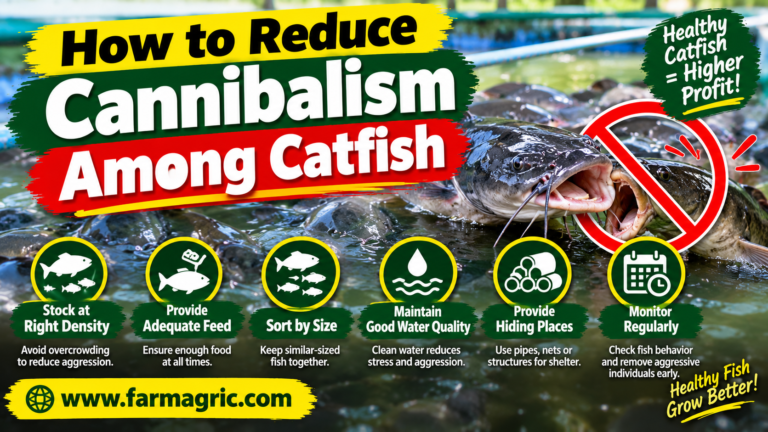
Overcrowding. Too many fish in too little water means competition, stress, and low oxygen. Stressed fish bolt.
Spawning urges. Some species become restless and move around when it is time to breed, especially when rain begins. Males and females chase each other and jump, and some leave the pond.
Predators and disturbance. Birds, snakes, monitor lizards, otters, and even dogs near the pond can frighten fish. Fish that are chased by an attacker in the pond may leap out. Noise, vibration, flashing lights, and people walking on the dike can also startle them.
Parasites and disease. Fish with skin or gill parasites may flip and jump to try to scrape them off. If you see fish rubbing against surfaces, flashing their sides, or jumping and then showing sores or red patches, ask a fisheries officer to examine them.
Temperature and sunlight. Very hot, shallow water, or water that heats up in the afternoon, can send fish toward the edges and out of the pond.
Species behaviour. Some species jump or climb more than others. Catfish and some tilapia are known for it. Fry and small fingerlings often jump more than large fish. Knowing the habits of your species helps you build the right barrier.
Step one: find out why they are jumping
Before you build a single fence, spend one evening and one dawn at the pond. Look at when the fish jump, where they jump, and how many. Test the water: dissolved oxygen, pH, ammonia, and temperature, if you can. Look at the weather, the feed, the stocking density, and whether anything has changed recently.
If fish jump mostly at dawn, with open mouths at the surface, it is almost certainly oxygen. If they jump after rain, check the level, the inflow, and the pH. If they jump at feeding time, the feed may be too rich or the fish may be competing too hard. If they jump when people walk by, noise and vibration may be the cause. If you see only a few jumpers but many escapes, the pond design is the main problem.
Step two: fix the water so they want to stay
Fix oxygen. Run aeration at night and early morning, especially in warm, cloudy, or still weather. Reduce feeding when conditions are poor. See the guidance on low oxygen if you suspect this is your problem.
Control feeding and stocking. Feed only what the fish eat, and do not stock more than your pond and management can carry. Ask your fisheries officer for a stocking density that suits your system.
Manage water exchange carefully. When you add fresh water, do it gradually, and match the temperature and quality to the pond. Avoid sudden floods of cold or muddy water. Do not let heavy runoff flow straight into the pond, and divert surface water around it with a drain.
Keep the water clean. Remove dead fish and uneaten feed, avoid chemical contamination, and keep farm chemicals away from the pond. Test the water regularly.
Reduce disturbance. Keep people, dogs, and livestock off the dike, limit noise near the pond, and avoid shining bright lights on the water at night. Visit the pond calmly and at regular times so the fish get used to you.
Protect against predators. Net or cover ponds to keep birds out, fence out dogs and wild animals, and clear thick bush around the pond where snakes and monitor lizards hide. If predators are in the water, such as wild fish or frogs that eat fingerlings, screen the inlet and drain and dry the pond between crops.
Treat health problems. If you suspect parasites or disease, have a fisheries or veterinary officer examine the fish before treating. Do not use chemicals or drugs on a guess.
Step three: build the pond so fish cannot get out
Even in a well-managed pond, a few fish will jump. Good design keeps them in.
Leave enough freeboard. Freeboard is the height from the water surface to the top of the dike or wall. The more freeboard you have, the harder it is for a fish to clear the edge, and the safer you are when rain raises the level. Ask your local fisheries officer what freeboard they recommend for your species and region, but as a rough guide, farmers commonly leave a gap of at least a few tens of centimetres, and more for jumpers like catfish. Never fill the pond right to the brim.
Install an overflow and a proper outlet. An overflow pipe or spillway lets surplus water leave at a controlled level, instead of rising over the dike. This protects both the bank and your fish. Make sure it is wide enough to cope with heavy rain.
Screen every inlet and outlet. Fit fine mesh screens or grates over the inflow and outflow pipes, with openings small enough to stop your smallest fish. Check and clean the screens regularly, because blocked screens cause overflows. Screens also keep wild fish and debris out.
Fence the pond. A smooth, vertical barrier around the pond stops fish that climb, crawl, or leap over the top. Common materials include plastic sheeting, tin or corrugated sheets, fine-mesh netting, or concrete walls. The key is that the surface is smooth and tall enough that a fish cannot get a grip or clear it. Bury the base slightly so fish cannot wriggle under, and fix the top so it leans or bends slightly inward, which makes it harder for fish to get over. For catfish, which can slither over grass and mud, a good fence around the entire pond is often the difference between losing a few fish and losing a crop.
Net the top. For small ponds, tanks, and hatchery units, a net or mesh cover stretched over the top stops jumpers and keeps birds out. Use a mesh size that suits your fish, and fix it firmly so fish and wind cannot lift it. Check for holes regularly.
Raise the walls of tanks and tarpaulin ponds. In concrete tanks and tarpaulin systems, make sure the walls rise well above the water line, and lower the water level slightly if fish keep jumping. A simple lip bent inward on the top edge of a tank reduces escapes.
Keep the surroundings tidy. Remove tall grass and bushes along the dike that fish can use to climb or hide, and clear the ground so you can easily see and recover escaped fish. Smooth the bank on the inside so fish cannot use footholds.
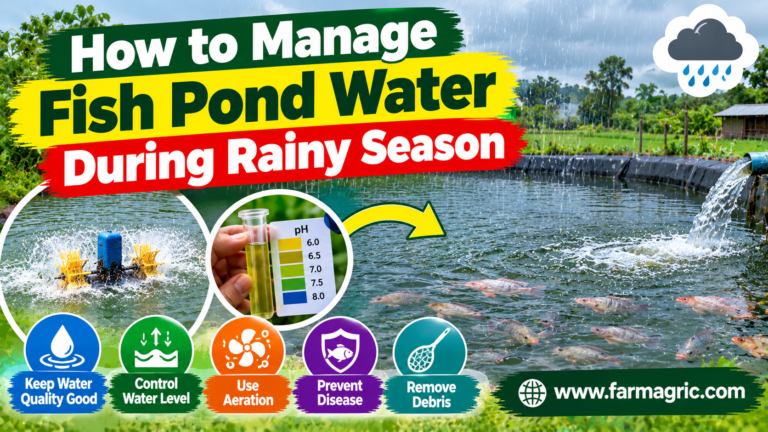
Watch the water level in the rainy season. Before expected heavy rain, lower the water level a little if your design allows, so the rain does not push the water level to the top. Check the pond at night during storms if you can.
Rescuing fish that have escaped
Look around the pond at dawn. Fish found alive on the ground can often be returned to the water if they are still moist and active. Handle them gently with wet hands, and place them in the pond or in a bucket of clean water first. Fish that have been out for a long time or look badly damaged may not recover. Do not return sick or injured fish to the pond with healthy stock without checking them, as they can carry disease. Dispose of dead fish properly, away from the pond.
Warning signs to watch for
I pay attention to fish gasping or jumping at dawn, fish gathered at the inlet or outlet, fish rubbing or flashing their sides, fish leaping repeatedly during feeding, a sudden rise in jumping after rain, fish found outside the pond in the morning, tracks in the mud or grass leading away from the pond, and damaged screens or fences. Any of these deserves a closer look.
What I would do differently if I started today
I would build the dike higher and leave generous freeboard on day one.
I would fence the pond before stocking a single fish.
I would put a screen on every inlet and outlet and check them every week.
I would test the water as soon as I saw the first jumper, instead of the first dead fish.
I would install an overflow before the first rains.
And I would walk the pond edge at dawn every day, because that is when the answers are lying on the ground.
Frequently asked questions
Why do my fish jump out of the pond at night?
The most common reasons are low oxygen, poor water quality, or disturbance. Test the water, add aeration, and reduce feeding if conditions are poor.
Why do catfish leave the pond after rain?
Rain changes the water level, temperature, and chemistry, and fresh flowing water seems to trigger movement in catfish. Good freeboard, screens, and a fence prevent most escapes.
How high should the pond wall be above the water?
It depends on the species and your climate, but more freeboard is safer, especially for catfish and in the rainy season. Ask your fisheries officer for the figure that suits your area.
Do fish jump out of water because of overcrowding?
Overcrowding stresses fish and lowers oxygen, which can lead to jumping. Reduce the stocking density if your fish are jumping often.
Can I put the fish back if I find them on the ground?
If they are alive and still moist, handle them gently and return them to clean water. Check them for injury or disease before mixing them with healthy fish.
The advice worth bookmarking
A fish that jumps is telling you something, so fix the water until it has no reason to leave, then build the wall until it has no way to, and you will stop counting your crop on the grass..