How to Fix Low Oxygen Levels in a Fish Pond
How to Fix Low Oxygen Levels in a Fish Pond
At half past four one morning, I woke to the sound of splashing from the pond. Not the happy splash of fish feeding, but a frantic, wet slapping, like a hundred hands patting the surface. I ran out in my nightclothes with a torch and found the whole pond boiling with catfish, mouths wide open, gulping air at the top. I had perhaps an hour to save them, and I did not know what to do first. I lost a third of that crop. I have not lost another to oxygen since, because I learned a routine that works.
Here is the direct answer. To fix low oxygen in a fish pond, do these things at once and in this order: stop feeding, get air into the water by any means you have (aerator, pump, splashing, or a stream of fresh water falling through the air), add clean well-oxygenated water gently if you can, and keep it up until the fish stop gasping and the sun comes up. Then find out why oxygen crashed and fix that cause, because low oxygen almost always comes back if you do not. The usual causes are overfeeding, overstocking, thick algae, hot cloudy weather, and a dirty pond bottom.
Let me give you the emergency steps first, then the long-term fix.
What most farmers get wrong
The first mistake is feeding the gasping fish. A farmer sees hungry-looking fish at the surface and thinks they want food. Feeding makes it worse, because fish digesting a meal need more oxygen, and uneaten feed rots and uses up more.
The second mistake is acting too late. Fish at the surface at dawn are already in serious trouble. Many farmers wait to see what happens, and by the time deaths begin, it is too late to save the weakest fish.
The third mistake is adding chemicals. Some farmers dump salt, lime, or other substances into the pond, hoping to cure the problem. Most chemicals do not add oxygen, and some, like lime added in the wrong way, can shock the fish further. Certain oxygen-releasing products exist, but use them only on the advice of a fisheries officer, and never as a substitute for aeration and good management.
The third mistake is flooding the pond with a huge volume of water at once, especially if the new water is cold, muddy, or of poor quality. A sudden shock can kill the fish that the low oxygen had not yet reached.
The fifth mistake is treating it as a one-off. Low oxygen is a symptom of a pond that is out of balance. If you do not find the cause, it will come back, often on a warmer night than the last one.
Why oxygen runs low
Oxygen gets into pond water from two sources: the air, through the surface, and algae and plants, which release oxygen during daylight while they photosynthesise. Oxygen is used up by fish breathing, by algae and plants breathing at night, and by bacteria breaking down waste, uneaten feed, and dead matter.
During the day, the pond usually gains oxygen faster than it loses it. At night, the algae stop producing oxygen but keep using it, so the level falls steadily until dawn. That is why the danger point is just before sunrise.
Several things push the balance in the wrong direction. Warm water holds less oxygen than cool water. Too many fish use up oxygen faster than the pond can replace it. Overfeeding adds waste that rots and drains oxygen. A very thick algae bloom can crash suddenly, and the dead algae rotting in the water can pull oxygen to near zero overnight. Several cloudy days in a row cut photosynthesis, so the pond makes little oxygen. Still, windless weather means little mixing at the surface. Heavy rain, particularly a cool rain on a hot pond, can cause the water layers to turn over, mixing oxygen-poor bottom water with the top. A thick layer of black organic mud on the bottom uses oxygen all the time.
Recognising low oxygen early
Learn the signs, because the sooner you see them, the more fish you save.
Fish gasping at the surface, often with their mouths open, is the classic sign. They may crowd near the inlet or where water is splashing, swim slowly near the top, or lose their appetite. In catfish and some other species, you may see them gulping air. Fish may seem lethargic or may dart about frantically. Deaths often occur in the early morning, and dead fish may have their mouths and gill covers wide open.
Other clues are a pond that has turned dark, brown, or greyish overnight, a foul smell, bubbles or froth, or a sudden clearing of a previously thick green pond, which can mean an algae crash.
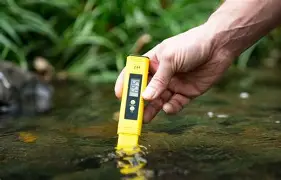
If you have a dissolved oxygen meter or test kit, check the reading. Ask your fisheries officer what level is safe for your species. Many fish become stressed when oxygen drops below a certain level and die at lower levels. Measure at dawn and again in the afternoon to see the daily swing.
Emergency steps: what to do right now
Act fast and calmly. Work through these steps.
Stop feeding. Do not feed until the fish are breathing normally and the oxygen has recovered. Skipping a meal or two will not harm them.
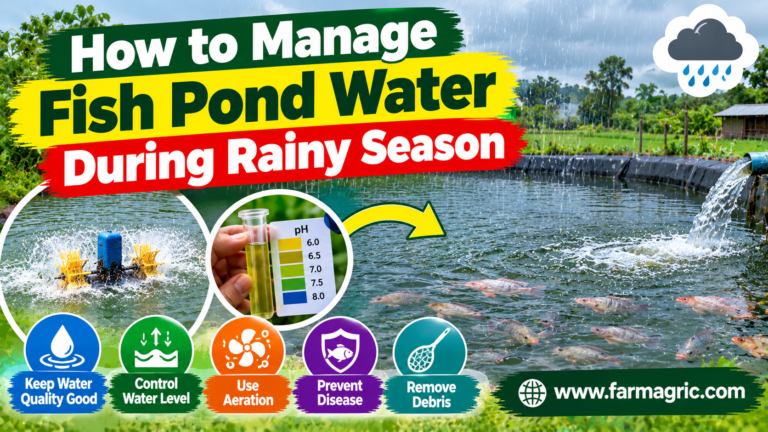
Add air to the water. If you have an aerator, switch it on at full strength. If you have a pump, run the water through a spray or fall so it splashes into the pond, which adds oxygen as it breaks up in the air. A paddlewheel is excellent. If you have nothing, you can still help. Beat the surface with boards or paddles, wade in and stir the water, or throw water in the air with buckets. It is hard work, but it moves oxygen into the water. Concentrate the effort where the fish are gathered and keep going.
Add fresh water gently. If you have a clean, safe source of water, pump or channel it into the pond, preferably as a spray or splash over the surface or at the corner where the fish crowd. Avoid water that is muddy, chemically contaminated, or much hotter or colder than the pond. Do not drain the pond while doing this, but if you can, remove some of the poorest water from the bottom or surface as you add clean water. Moderate flows are safer than a flood.
Reduce the load. If the pond is heavily stocked and in serious trouble, consider harvesting or moving some of the fish to another pond or tank with good water, if you have one. Handle them very gently, as they are weak.
Remove dead fish. Take dead and dying fish out of the water right away and dispose of them properly, away from the pond. Rotting fish use up more oxygen and spoil the water.
Keep going until sunrise and beyond. Many farmers stop too early. Oxygen is lowest just before dawn, and it rises as the sun comes up and algae begin to photosynthesise. Keep aerating until the fish settle and the sun has been up for a while. Watch for relapse in the evening, and again the next night.
Test and record. When the crisis passes, test the water for oxygen, pH, ammonia, and temperature, and write down what happened, the weather, the feeding, and the stocking.
Finding and fixing the cause
Once the fish have recovered, ask why it happened. Think through the likely culprits.
Overfeeding. Were you feeding more than the fish could eat? Was feed left over? Cut your ration, feed only what is eaten within a short time, and reduce feeding in hot, cloudy, or still weather.
Overstocking. Too many fish for the pond size and system. Reduce the number, harvest earlier, or add aeration. Ask your fisheries officer for a stocking rate that suits your set-up.
Algae bloom. If the water was very green, or if it turned clear or brown suddenly, an algae crash probably contributed. Control fertilisation and feeding to avoid thick blooms. Keep water clarity in a moderate range, where you can see your hand about 30 to 40 centimetres below the surface. If a bloom is already thick, exchange some water and increase aeration. Avoid killing a bloom with chemicals, because that can cause the very oxygen crash you are trying to prevent.
Dirty bottom. Thick black mud and rotting matter use oxygen constantly. Between crops, drain, dry, and clean the pond, and remove excess mud. During the crop, avoid overfeeding and consider aeration that circulates water near the bottom.
Weather and temperature. Learn to watch for the conditions that trigger oxygen problems, such as hot, humid, still, overcast nights, or the day after heavy rain. On those days, reduce feeding and prepare to aerate overnight.
Depth and design. Very shallow ponds heat quickly and swing in oxygen. Ponds that are too deep can have oxygen-poor water at the bottom. A depth of around one to one and a half metres suits many farm ponds, but ask local advisors what works for your species and climate.
Long-term prevention
The best way to fix low oxygen is to never let it get low.
Install aeration. This is the most valuable investment for any pond with more than a light stocking of fish. Paddlewheels, air blowers with diffusers, and pumps all work, with different costs and uses. Run them at night and in the early morning, and during hot and cloudy periods. Even a simple setup, such as a pump spraying water back into the pond, is better than nothing. If you rely on power, have a backup, because power failures at night are a classic cause of fish kills. A small generator or a solar-powered option may save your crop.
Keep a good water exchange plan. Have access to clean water for emergencies, and know how you would add it quickly.
Stock and feed within the capacity of your pond. Err on the cautious side.
Monitor the pond. Test oxygen at dawn regularly. A dissolved oxygen meter or test kit is one of the best investments a fish farmer can make. Keep a record of readings, together with the weather, feeding, and fish behaviour, and look for patterns.
Walk the pond at dawn. Fish farmers who check their ponds at first light catch problems early. If you cannot be there, ask a family member or worker to do it, and teach them what to look for.
Keep an emergency kit. Have a spare pump, fuel or batteries, a net, buckets, and your fisheries officer’s phone number ready. Seconds count when oxygen crashes.
Warning signs to watch for
I keep an eye out for fish at the surface at dawn, loss of appetite, a pond that suddenly changes colour, a foul smell, very thick green water, several cloudy or still days in a row, heavy rain after hot weather, power cuts, and a rise in morning deaths. Any of these means increased vigilance, reduced feeding, and readiness to aerate.
What I would do differently if I started today
I would install aeration before stocking the first fingerling.
I would buy a dissolved oxygen test kit in the first week.
I would stock fewer fish than I thought the pond could take.
I would keep a backup power source.
I would train everyone on the farm to recognise the signs of low oxygen.
And I would never feed a pond that was gasping.
Frequently asked questions
Why are my fish gasping at the surface?
The most common reason is low dissolved oxygen, especially early in the morning. Other causes include high ammonia, gill damage, or poisoning. Stop feeding, add aeration, and test the water.
What is the fastest way to add oxygen to a pond?
Mechanical aeration, such as a paddlewheel or air pump, works fastest. If you have none, splashing water, running a pump that sprays water through the air, or adding clean fresh water can help in an emergency.
What time of day is oxygen lowest in a pond?
Just before dawn, after a night of fish, algae, and bacteria using oxygen with no photosynthesis to replace it.
Can I add salt or chemicals to increase oxygen?
Ordinary salt does not add oxygen. Some oxygen-releasing products exist, but use them only on the advice of a fisheries officer. Aeration and good management are the safe solution.
How can I stop low oxygen from coming back?
Control feeding and stocking, keep the pond clean, avoid thick algae blooms, aerate at night and in hot weather, and test oxygen regularly, especially at dawn.
The advice worth bookmarking
Fish do not die of low oxygen at midday, they die at dawn, so stop feeding when they gasp, put air in the water before you put anything else in it, and keep the pump running until the sun has done its work.