
How to Know When Catfish Is Ready for Harvest
How to Know When Catfish Is Ready for Harvest
I once harvested a whole pond of catfish three weeks too early because I needed the cash. The buyer weighed them, shook his head, and offered me a price that barely covered the feed. The next season, I waited too long on a different pond, kept feeding fish that had stopped putting on weight, and watched my profit disappear into the feed bag. It took me both mistakes to learn that harvest timing is not a feeling. It is a decision you make with a scale, a notebook, and a buyer’s phone number.
Here is the direct answer. Catfish are ready for harvest when they reach the size your market pays for, when their growth has slowed enough that more feed is no longer earning its keep, and when they are healthy and in good condition. For most farmers that means a target weight set by the buyer, often somewhere between a table-size fish and a larger one, reached in roughly five to six months under good management, though your system, feed, and climate will change that. You confirm it by sampling and weighing, not by looking at the pond. Then you do the sums, because the right day to harvest is the day the next week’s feed costs more than the next week’s growth is worth.
Let me walk you through how I decide, step by step.
What most farmers get wrong
The first mistake is harvesting by calendar. Someone tells you catfish take six months, so you drain on day 180. But growth depends on fingerling quality, stocking density, feed, water temperature, and water quality. One pond can be ready in five months and its neighbour in eight.
The second mistake is judging by eye. Fish in a murky pond are hard to see, and a few big ones that jump or surface at feeding time give a false impression. The big fish are not the average. A pond with a mix of giants and runts can look ready when most fish are still too small.
The third mistake is ignoring the buyer. A fish is only ready if somebody wants to buy it at that size. Some markets want small, plate-size fish. Others pay a premium for large ones. Others have fixed weights for smoked fish or for restaurants. Know your market before you decide.
The fourth mistake is waiting for a better price. Prices rise and fall, and if you hold fish hoping for a festival rush, you keep paying for feed while the fish may be growing very slowly. A small price gain rarely pays for a month of extra feeding.
The fifth mistake is harvesting without a plan. Fish need to be held without feed before harvest, you need nets, clean containers, ice or live transport, and a buyer ready to receive them. Harvesting without preparation lowers quality and price.
Know your target size
Start with the market, not the fish. Ask your buyers, processors, and traders what size they want, what they pay for each size, and when they buy. Some buy by the kilogram of mixed sizes, and some pay more per kilogram for fish in a certain weight range. Written down, your target might be an average weight, or a range, with a price per kilogram for each grade.
Then check it against your pond. Ask yourself what size your fish will reach before growth slows and feed costs outrun the gain. Larger fish usually eat more per kilogram of growth, so there is a point where it stops paying. That point is different for every farm.
Sample your fish
This is the most reliable way to know where you stand. Do it every two to four weeks as the fish approach target size.
Use a cast net or seine to catch a random sample of fish from different parts of the pond. Take a decent number, not a handful, because the average of five fish can mislead you. Weigh them individually, or weigh the whole sample and divide by the number of fish. Record the average weight and the range, from smallest to largest, and the date.
Compare the average with your target. Look at the spread too. If the average is near target but many fish are far smaller, you may need to grade and harvest in stages. If most fish are close to the same size, a single harvest may work well.
Handle the sampled fish gently and return them quickly to the water. Rough handling can injure the fish and raise the risk of disease.
Check how fast they are still growing
From your records, work out the growth over each sampling period. Subtract the earlier average weight from the later one and divide by the number of days between samples. That gives you the average daily gain.
When fish are young, growth is fast. As they approach larger sizes, gain per day usually flattens while feed intake keeps climbing. If your daily gain drops while feed use stays the same or rises, your fish are converting feed to weight less efficiently.
Compare that with the cost. Calculate how much feed you are using over the period, and how much weight the pond gained. Divide the feed weight by the weight gained to get your feed conversion ratio. If this number rises sharply, the fish are costing you more to grow each kilogram. At some point, extra weight costs more in feed than it earns at the market price. That is the signal to harvest.
Look at the fish and the pond
Numbers come first, but the fish themselves give useful clues.
Look at the condition of the fish. Healthy, harvest-ready catfish are firm, plump, smooth-skinned, and active, with clean gills and clear eyes. Avoid harvesting fish with sores, heavy parasites, or signs of disease, as these will fetch lower prices, and some buyers will reject them. If your fish are sick, talk to a fisheries officer before deciding whether to harvest early.
Look at the feeding. If the fish still eat eagerly and finish their ration, they are probably still growing. If appetite is falling and feed is left over, check the water first, and then consider harvest.
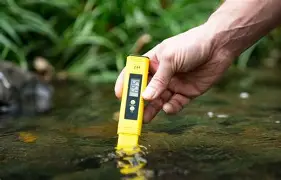
Look at the water. Poor water quality, a heat wave, or a coming cold spell, may make early harvest the safer choice. If oxygen problems keep returning and you have a heavy load of fish, harvesting a portion earlier can reduce the risk of a large loss.
Look at the weather and season. Harvesting in very hot weather stresses fish, and they spoil quickly after capture. The cooler hours of the morning are best. Heavy rain, floods, or drought can also force your hand, so keep an eye on the forecast.
Consider partial harvesting
You do not always have to harvest everything at once. Catfish grow at different rates, and many farmers harvest in stages. They take out the biggest fish when they hit the target size, which gives the smaller fish more room and feed, and then harvest the rest later. This can raise your income, ease cash flow, and spread out the work. It also lowers the density in the pond, helping water quality and growth.
The trade-off is repeated netting, which can stress the remaining fish and stir up the mud. Use gentle methods, and avoid netting during poor water conditions. Ask your fisheries officer whether partial harvesting suits your system.
Prepare for harvest
Good preparation protects your price.
Starve the fish before harvest. Stop feeding for a day or so before harvest, as advised by your local officer. Fish with empty guts handle stress better, stay fresher longer, and have a cleaner taste, and the water stays cleaner during handling. Do not starve longer than recommended, as weight and quality can drop.
Arrange your buyer. Confirm the date, price, and quantity. Know whether the buyer takes live fish, fresh fish on ice, or processed fish, and when they will collect. Fish that sit around waiting for a buyer lose value.
Prepare equipment. Get your nets, baskets, tubs, clean water, scales, ice, and transport ready in advance. Clean everything. Wear gloves, since catfish have sharp spines on their fins that can cause painful injuries. Handle them carefully, and keep a first aid kit nearby.
Choose the time. Harvest early in the morning when the air and water are cool, or in the evening. Avoid the heat of the day. Plan so that fish go quickly from the pond to the buyer or to the cold chain.
Lower the water if needed. For full harvest, you may partly drain the pond and use a seine, then collect the remaining fish by hand or net as the water drops. Plan the drainage carefully so that you do not let fish escape or discharge muddy water into natural waters. Ask local officers about rules for pond effluent.
Handle with care. Rough handling bruises fish and reduces their value. Keep them in water or on ice, avoid crowding in containers, and minimise time out of water. For live sales, use well-aerated tanks or containers with enough water, and keep them shaded and cool.
Grade the fish. Sort by size when selling, since different sizes may attract different prices. Grading also helps you plan your next batch.
Record and review
After harvest, weigh the total catch and compare it with your expectations. Record the final weights, survival rate, total feed used, feed conversion ratio, days of culture, selling price, and costs. Work out your profit per pond and per kilogram. Look at what went well and what did not. These records are your guide for the next cycle, and they tell you whether you timed the harvest right.
Warning signs you are harvesting too early or too late
If your fish are small, with buyers offering low prices for under-sized fish, you probably harvested too early. If you have fish that have stopped growing, feed costs are climbing, deaths are increasing, or water quality is getting harder to manage, you are probably holding on too long. A third warning is when you see wide differences in size, and the smallest fish are being outcompeted. Time to grade and harvest in stages.
What I would do differently if I started today
I would talk to my buyers before stocking, not before harvest.
I would set a target weight and a rough harvest date, then adjust them with real sampling.
I would sample every two weeks near the end of the crop, and write everything down.
I would calculate my feed conversion ratio every cycle.
I would plan partial harvests from the beginning.
And I would never harvest because I was desperate for cash, if I could help it.
Frequently asked questions
How long does it take for catfish to be ready for harvest?
With good fingerlings, feed, and water, many farmers reach table size in about five to six months, but it varies widely. Poorly managed ponds may take much longer. Sampling is a better guide than the calendar.
What size should catfish be at harvest?
It depends on your market. Some buyers want plate-size fish, others want larger fish for smoking or restaurants. Ask your buyers what size and price they offer before you decide.
How do I know if my catfish have stopped growing?
Sample and weigh them every two to four weeks. If average daily gain is falling while feed use stays high, growth is slowing and it may be time to harvest.
Should I stop feeding before harvest?
Usually yes, for a short period, so that the fish have empty guts. Ask your fisheries officer how long to hold feed for your fish size and conditions.
Can I harvest only some of the fish?
Yes. Many farmers harvest the larger fish first and leave the smaller ones to grow. This can improve income and reduce crowding, but it means repeated netting, so do it gently.
The advice worth bookmarking
The calendar does not tell you when the fish are ready, the scale and the buyer do, so weigh your sample, count your feed, and harvest on the day the next kilogram of growth costs more than it sells for.