How to Manage Fish Pond Water During Rainy Season
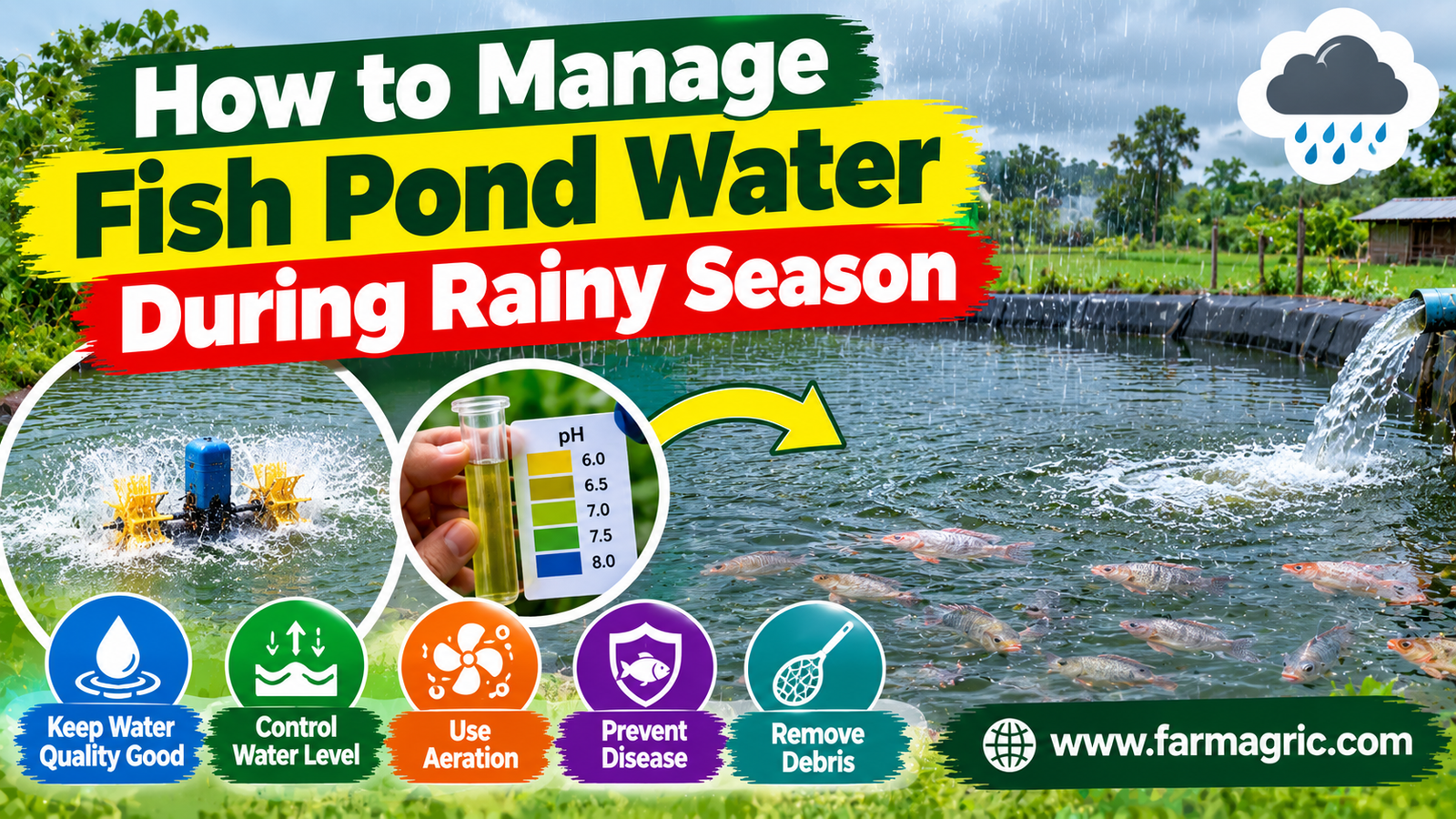
How to Manage Fish Pond Water During Rainy Season
The rains are supposed to be good for a fish farmer. Free water, cooler weather, fresh green on the banks. For years I believed that, until the night a two-hour downpour turned my clear green pond the colour of cocoa, flushed a quarter of my fish over the dike, and left the survivors gasping at the surface by morning. I had not done anything wrong that day. That was the problem. I had not done anything at all to get ready.
Here is the direct answer. The rainy season is one of the riskiest times for a fish pond because heavy rain changes everything in the water at once: the level, the temperature, the pH, the oxygen, and the amount of mud and runoff. You manage it by preparing before the rains start, controlling how water enters and leaves the pond, cutting back on feed when the weather turns, keeping oxygen up with aeration, testing the water more often, and checking the pond at dawn after every storm. Farmers who do these things lose very little. Farmers who treat the rainy season like any other season lose fish to events that were easy to see coming.
Let me walk you through what rain does to a pond and how I handle each problem.
What most farmers get wrong
The first mistake is doing nothing until the pond floods. By then your options are few. The work that saves a pond is done in the dry weeks before the first storm.
The second mistake is feeding as usual. Rainy weather, cloud, and cooler water reduce the fishes’ appetite and the pond’s oxygen. Uneaten feed rots fast in these conditions, so the same ration that was fine in the dry season now fouls the water.
The third mistake is letting runoff flow straight into the pond. Muddy water, manure, fertiliser, pesticides, and rubbish from the surrounding land all end up in the pond if nothing stops them.
The fourth mistake is letting the water level climb. Without a proper overflow, a heavy storm pushes water over the top of the dike, carrying fish away, and sometimes breaking the bank.
The fifth mistake is assuming clear signs of trouble will show immediately. Problems after a storm often appear the next morning, or the second day, when oxygen is lowest or when water layers have mixed.
The sixth mistake is skipping the test kit, because everything looks normal. Water can look the same and be dangerous.
What rain does to a fish pond
Understanding the effects makes the solutions obvious.
Dilution and changes in chemistry. Rainwater is soft and usually slightly acidic, with little buffering. A large amount of rain can lower the pH and alkalinity of pond water, especially in soft-water or acid-soil areas. This makes pH swings more severe and stresses fish.
Temperature shock. Cool rain falling on a warm pond cools the surface layer quickly. Fish can be stressed by sudden temperature drops, and layers of cooler and warmer water can form.
Stratification and turnover. Heavy rain, cool air, and wind can cause the layers of water in the pond to mix suddenly. Oxygen-poor bottom water, loaded with waste gases, mixes with the surface water, and oxygen levels crash. This overturn is a classic cause of fish kills after storms, especially in deeper ponds with a lot of organic matter on the bottom.
Cloud and reduced photosynthesis. Several dark, rainy days mean less sunlight, so algae make less oxygen during the day, while fish and bacteria keep using it. Oxygen can run low, especially in the early morning.
Muddy runoff. Rain washes soil from the banks and surroundings into the pond. This clouds the water, blocks light, can clog gills, and carries organic matter that uses up oxygen. It can also carry fertilisers, pesticides, and other chemicals from farms, roads, and compounds.
Rising water levels and overflow. If the pond fills beyond its design, water spills over the dike, takes fish with it, erodes the banks, and may even breach the wall.
Disease and parasites. Stress from these changes lowers resistance. Floodwater can also bring wild fish, eggs, parasites, and disease organisms into the pond from nearby waters.
Predators and escapes. Rain can encourage fish, especially catfish, to try to leave the pond, and predators like snakes and birds move around more.
Before the rains: preparation
The best time to manage rainy-season water is before it arrives.
Check and repair the dikes. Walk the full length of the banks. Fill cracks and low spots, compact the soil, and plant grass to hold it together. Make sure the dike is high enough to leave generous freeboard above the normal water level. Ask your fisheries officer what height suits your area.
Build or repair the overflow and outlet. Install an overflow pipe, spillway, or standpipe that lets surplus water leave at a safe level. It must be wide enough to carry heavy rain without backing up. Fit a fine screen over it to stop fish leaving, and check that it is not blocked by debris. Test it by running water through it before the season starts.
Dig drainage channels. Cut ditches around the pond to divert surface runoff away from the water. Line or plant them to prevent erosion. These channels are one of the cheapest and most effective protections you can build.
Stabilise the surroundings. Plant grass or ground cover on the banks and surrounding slopes to reduce soil washing in. Keep manure heaps, chemical stores, latrines, and waste dumps well away from the pond and its runoff paths.
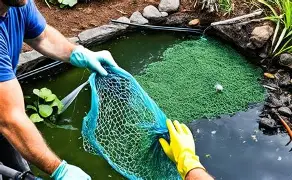
Clean the pond. Remove thick black mud and rotting matter from the bottom, as it fuels oxygen crashes. Repair or replace damaged screens, nets, and fences.
Prepare aeration and backup power. Check your aerators, pumps, and generators, and have fuel or batteries ready. Power cuts are common during storms, and the risk to fish is highest at night.
Stock sensibly. If you can, avoid carrying a heavy load of fish into the peak of the rains. Consider harvesting larger fish before the wettest period, and avoid stocking new fingerlings during the heaviest rainfall, when conditions are unstable.
Gather supplies. Keep a test kit, thermometer, nets, spare pipes and screens, buckets, and the phone number of your fisheries officer in one place.
During the rains: day-to-day management
Adjust feeding. On cloudy, rainy days, reduce feeding or skip it if the fish are not eating well. Feed lightly in the cooler parts of the day, remove or cut back on leftovers, and resume normal feeding only when conditions stabilise. It is far better to underfeed for a few days than to foul the pond.
Keep oxygen up. Run aerators at night and in the early morning, and during heavy cloud. If you have no aerators, be ready to splash the water and add clean fresh water in an emergency. Watch for gasping fish at dawn.
Control the water level. Check it after every heavy rain. If the water is rising, make sure the overflow is working. If your design allows, lower the level a little before expected storms to give yourself extra capacity. Never block the overflow to keep a high water level.
Manage inflow. If you take water in from a stream, canal, or drain, close or divert the inflow during floods and heavy runoff, which usually carry mud, pollution, and wild fish. Let muddy water settle in a separate ditch or tank before adding any to the pond. Screen all inlets with fine mesh.
Watch the colour. If the pond turns brown from muddy runoff, avoid the temptation to dump chemicals in it. Reduce feeding, aerate, and let it settle, or exchange part of the water with clean water, according to your fisheries officer’s advice. If the muddy water persists, ask about approved ways to help it settle.
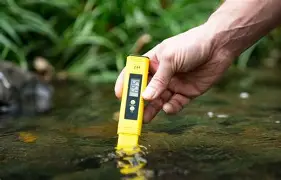
Test often. In the rainy season, I test oxygen, pH, ammonia, and temperature more frequently, especially after storms and at dawn. Compare readings with the dry season. If pH is dropping, ask your officer whether liming is appropriate for your pond. Do not apply lime blindly, since over-liming or applying it at the wrong time can shock fish.
Protect against escapes. Check fences, screens, and netting. Catfish tend to move during rain, so make sure the barriers are secure and the freeboard is adequate.
Keep out contaminants. Divert runoff from farms and roads. If you suspect pesticide or chemical contamination, stop the inflow, call your fisheries or environment officer, and do not sell or eat dead fish.
Watch for disease. Stressed fish are more vulnerable. Look for fish with sores, sluggish behaviour, or poor appetite, and remove dead fish promptly. Do not treat with drugs or chemicals unless advised by a qualified person.
After a big storm: what I do
I go to the pond at first light. I check the dike and the overflow for damage or blockage, and look for fish outside the pond. I test the water, especially oxygen and pH, and look at the colour and smell. I watch the fish for gasping, odd swimming, or poor appetite. If anything looks wrong, I aerate, hold feed, and call for advice. I remove any dead fish and clear debris from screens and channels. I write down what happened, the rainfall if I can estimate it, and the water results.
Then I keep checking the following morning, since problems sometimes arrive a day later.
Warning signs to watch for
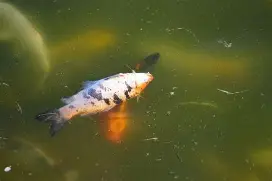
I stay alert for fish at the surface, particularly at dawn, a sudden change in water colour, a foul smell, foam, fish gathered at the inlet or outlet, a rapid rise in water level, muddy water that does not settle, dead fish, cracks or leaks in the dike, a blocked overflow, and fish found outside the pond. Any of these needs action within the hour, not the day.
What I would do differently if I started today
I would build the drainage ditches and the overflow before I stocked a single fish.
I would put aeration and a backup power supply in place before the first rains.
I would keep fewer fish in the pond in the wettest weeks.
I would buy a test kit and use it every day during storms.
I would walk the pond at first light after every heavy rain.
And I would never feed a pond that looked unhappy.
Frequently asked questions
Why do fish die after heavy rain?
Common reasons are low oxygen from pond overturn or cloudy weather, sudden changes in pH and temperature, muddy or polluted runoff, and stress that leads to disease. Preparation and monitoring reduce the risk.
Should I feed fish during the rainy season?
Yes, but carefully. Reduce the ration on cloudy, rainy days, feed in the cooler hours, and remove leftover feed. Skip feeding if the fish are not eating or the water looks poor.
How do I stop muddy water from entering my pond?
Dig diversion ditches around the pond, plant grass on banks and slopes, screen inlets, and avoid taking water from muddy sources during floods.
Can rain change the pH of my pond?
Yes. Rainwater is usually soft and slightly acidic, so heavy rain can lower pH and alkalinity, especially in soft-water areas. Test regularly and ask your officer whether liming is suitable.
Is it a good idea to stock fingerlings in the rainy season?
It can be risky because conditions are unstable and fish are more easily stressed. If you must stock, prepare the pond well, manage water carefully, and avoid the heaviest rains.
The advice worth bookmarking
Rain does not kill fish, an unprepared pond does, so fix the dike and the overflow in the dry weeks, feed light and aerate hard when the clouds gather, and be at the water’s edge at first light after every storm.