
How to Control Disease Outbreak in a Fish Pond
How to Control Disease Outbreak in a Fish Pond
The first time disease hit my pond, it came quietly. A few fish hung near the surface and refused feed. By the third day, red sores were showing on their sides and the dead were piling up at the corner. By the end of the week I had lost most of a crop that was two months from harvest. I spent the next month asking everyone what medicine I should have used. The honest answer, which took me years to accept, was that no medicine would have saved that pond. What would have saved it was everything I failed to do before the first fish got sick.
Here is the direct answer. To control a disease outbreak in a fish pond, you do five things in this order: separate and remove sick and dead fish, fix the water and stop feeding heavily, find out what the disease actually is by having a fisheries or veterinary officer examine fresh samples, treat only with approved methods on professional advice, and then prevent a repeat with better stocking, water quality, feeding, and hygiene. Most outbreaks are triggered by stress, usually poor water and overcrowding, so the pond itself is the first patient. Medicine without a diagnosis is gambling with your crop.
Let me walk you through what to do the moment you suspect trouble, and how to build a pond that rarely gets there.
What most farmers get wrong
The first mistake is rushing for medicine. Farmers see sick fish, ask at the agro shop, and pour in whatever is recommended. If the real problem was low oxygen, high ammonia, or poison, the medicine does nothing, and some products make water worse or harm the fish further.
The second mistake is using antibiotics and chemicals without advice. Wrong drugs, wrong doses, and wrong timing can kill fish, destroy the helpful bacteria in the pond, build resistance in disease organisms, and leave residues in the fish that you sell. In many countries, the use of certain drugs in food fish is restricted or banned. This is both a health and a legal matter.
The third mistake is leaving dead fish in the water. Dead and dying fish release disease organisms and rot, using up oxygen and spreading infection.
The fourth mistake is moving fish or equipment from a sick pond to a healthy one. Nets, buckets, boots, and hands all carry disease between ponds.
The fifth mistake is buying fingerlings carelessly. Many outbreaks begin the day sick or stressed fish are brought in.
The sixth mistake is waiting. Disease spreads fast in water. A few sick fish on Monday can be a pond-wide problem by Thursday.
Why disease breaks out
A fish pond is full of microbes all the time. Bacteria, fungi, viruses, and parasites live in the water and on the fish. Healthy fish in good water usually cope. Disease takes hold when the balance tips, and the fish’s defences go down while the pathogens multiply.
Stress is the main trigger. The common stressors are poor water quality (low oxygen, high ammonia or nitrite, unstable pH), overcrowding, sudden temperature changes, rough handling, poor nutrition, and bad transport. A stressed fish has a weakened immune system, and an infection that a healthy fish would shrug off becomes deadly.
Pathogens usually arrive in one of a few ways. They come in with new fish, with water from outside sources, on equipment and people, through wild fish and birds, or they are already present in the pond mud and become active when conditions change.
This means that your best weapon is a healthy environment, not a medicine cabinet.
Recognising a sick pond early
Walk the pond every day, at the same times, and learn what normal looks like. Signs that something is wrong include fish that are off their feed, hanging at the surface or near the inlet, swimming slowly or in odd patterns such as spinning or darting, lying at the bottom or on their sides, rubbing against walls or objects, and clamped fins.
On the body, look for red or bleeding patches, open sores or ulcers, torn or rotting fins, a white, cottony, or fuzzy growth, white spots like grains of salt, a swollen belly, bulging eyes, raised scales, excess slime, a dull or darkened colour, and pale or damaged gills. Gills that are very pale, brown, or covered in slime or tiny worms signal trouble. Unusual deaths, even just a few, are an alarm.
Different diseases can look similar, and several problems often occur together, so do not try to diagnose from a distance.
What to do the moment you suspect an outbreak
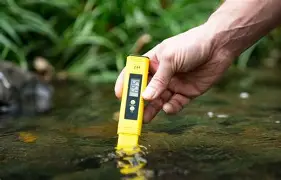
Act on the water first. Test oxygen, pH, ammonia, nitrite, and temperature straight away. Most “disease” outbreaks begin with a water problem. If oxygen is low, aerate. If ammonia is high, stop feeding and exchange part of the water gradually. Fixing the water is the most powerful treatment you have, and it is often enough to stop the spread.
Cut back or stop feeding. Sick fish do not eat well, and uneaten feed rots and makes everything worse. Reduce feeding sharply until the situation is clearer.
Remove dead and dying fish. Take them out immediately with a clean net or gloved hands, and bury them away from the pond, or dispose of them as your fisheries officer advises. Do not throw them into drains, bush, or other waters where they can spread disease, and do not feed them to other animals. Wash your hands and tools afterwards.
Isolate if you can. If you have a separate tank or pond, move clearly sick fish there to protect the rest, handling them very gently. Do not return them to the main pond until cleared.
Stop the spread. Do not share nets, buckets, or boots between ponds. Wash and disinfect equipment after use in the sick pond, and handle the sick pond last each day. Do not release water from the sick pond into other ponds or into natural waters.
Get a diagnosis. Collect a few fresh specimens, including fish that are sick but still alive, if possible, and take them to a fisheries officer, veterinary officer, or aquaculture laboratory as soon as you can. Keep them cool and wet in a bag of pond water, or as advised. Tell the officer when the problem started, how many fish are affected, what you feed, what the water tests showed, and what has changed recently. A proper diagnosis tells you whether the cause is bacterial, parasitic, fungal, viral, nutritional, or environmental. Treatment depends on this.
Treat only on advice. Treatments may include improving water, salt baths, approved antiparasitic or antibacterial products, and changes to feeding. What is suitable depends on the disease, the species, the stage of the fish, the water, and local regulations. Antibiotics and other drugs should be used only if a qualified professional prescribes them, in the exact dose and for the exact time, with proper withdrawal periods before harvest. I will not name products or doses in this article, because the wrong choice can kill your fish, harm the people who eat them, and contribute to drug resistance. Be wary of anyone selling a miracle cure for every fish disease.
Consider the economics. In some situations, particularly with viral diseases, there is no treatment. The best course may be early harvest of marketable fish, removal of the rest, and thorough cleaning and drying of the pond before restocking. Your fisheries officer can advise. Some serious fish diseases must be reported to the authorities, so ask what applies in your country.
Preventing the next outbreak
Prevention is cheaper than cure by a wide margin. This is the routine I follow now.
Prepare the pond properly. Between crops, drain the pond, let it dry thoroughly in the sun, remove excess black mud, repair the banks, and, if advised, lime the bottom according to local recommendations. Drying breaks the life cycle of many parasites and pathogens.
Use clean water. Filter incoming water through fine screens to keep out wild fish, eggs, and debris. Know your water source, and avoid water that could be contaminated by other farms, sewage, or chemicals. Where possible, let new water stand before adding it.
Buy healthy fingerlings. Get them from a trusted, well-managed hatchery. Inspect them before purchase: they should be active, uniform in size, free of sores, parasites, and deformities, and feeding well. Ask about the hatchery’s health practices. Avoid bargain fingerlings of unknown origin.
Quarantine new fish. If you can, hold new fish in a separate tank or pond for a period, watching for disease, before mixing them with your main stock. Do not add fish from different sources into the same pond without care.
Reduce stress at stocking. Transport fish in cool, well-aerated water at a sensible density. Float the bags to equalise temperature, release them slowly, and stock early in the morning or evening. Handle fish as little as possible and as gently as possible, with wet hands and soft nets.
Stock at a sensible density. Overcrowding is a major cause of stress and disease. Follow the guidance for your species and system, and increase only as your management improves.
Feed well. Use good-quality feed that meets the fish’s nutritional needs, and store it properly. Poor or mouldy feed weakens fish and can introduce toxins. Feed the right amount at the right times and avoid waste.
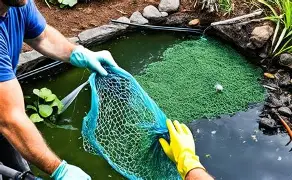
Keep the water in good shape. Test regularly. Keep oxygen high, ammonia and nitrite low, and pH stable. Aerate, especially at night and in hot or cloudy weather. Remove uneaten feed and dead fish. Avoid sudden changes.
Practice biosecurity. Limit visitors, especially people who have been at other fish farms. Use footbaths, clean boots, and clean hands. Keep separate nets and buckets for each pond, or disinfect them between ponds. Keep out wild birds, dogs, and other animals that can carry disease, using nets and fences. Control predators, snails, and wild fish, which can carry parasites.
Keep records. Write down stocking dates, sources, feed, water readings, weather, treatments, and deaths. Records help you spot early patterns and give your fisheries officer useful information when you need advice.
Build a relationship with a professional. Meet your local fisheries or aquaculture extension officer or a fish health professional before you have a problem. Ask what diseases are common in your area, and what to watch for. Save their phone number.
Warning signs to watch for
I stay alert for any drop in appetite, fish at the surface or inlet, sudden increase in mortality, red patches, sores, fin rot, cottony growths, white spots, pale or swollen gills, bulging eyes, rubbing and flashing behaviour, thin fish with swollen bellies, and sudden changes in water colour or smell. When I see any of them, I test the water first, reduce feeding, remove dead fish, and call for advice.
What I would do differently if I started today
I would never buy fingerlings from a source I had not checked.
I would quarantine every new batch.
I would test my water weekly from the first day, not after the first death.
I would make a rule that nothing moves between ponds without being washed.
I would find my local fish health officer before I bought a single fingerling.
And I would stock fewer fish and sleep better.
Frequently asked questions
What are the most common signs of disease in pond fish?
Loss of appetite, odd swimming, red or white patches, sores, torn fins, fuzzy growths, pale gills, and sudden deaths. Because many problems look alike, get a professional to confirm the cause.
Can I use antibiotics in my fish pond?
Only on professional advice. Misuse can harm fish and people, and create resistant bacteria. Rules vary by country, and some drugs are not allowed in food fish.
Is it safe to eat fish from a pond that had a disease outbreak?
It depends on the disease and on any treatments used. Do not eat or sell visibly sick fish or fish treated with drugs before the withdrawal period has passed. Ask your fisheries or health officer for guidance.
How do I stop disease from spreading to my other ponds?
Remove dead fish at once, separate sick fish, never share equipment between ponds without disinfecting it, work in the sick pond last, and avoid moving water from one pond to another.
Can poor water alone cause fish disease?
Poor water usually weakens fish and lets disease take hold, and some water problems like low oxygen or ammonia poisoning look very much like disease. Fix the water first and test regularly.
The advice worth bookmarking
Disease is rarely the first problem in a fish pond, it is the bill that arrives for the stress you did not fix, so keep the water clean, the fish few, the newcomers quarantined, and treat nothing until you know what you are treating.