
How to Increase Growth Rate in Catfish
How to Increase Growth Rate in Catfish
My first batch of catfish took nine months to reach the size my neighbour’s reached in five. We bought fingerlings from the same hatchery in the same week. He was not smarter than me, and his pond was not bigger. What he had was a notebook, a water test kit, and the habit of sorting his fish every few weeks. I had a bucket of feed and a lot of optimism.
Here is the direct answer. Catfish grow fast when you get six things right together: good-quality fingerlings, the right stocking density, a feed with enough protein fed in the right amount and at the right times, clean well-oxygenated warm water, regular sorting by size, and good health management. Most slow-growing ponds are failing on two or three of these, and the usual culprits are poor fingerlings, overcrowding, and water quality. Feed alone will not fix a pond where the fish are stressed, crowded, or sitting in low oxygen.
Let me walk you through each one, in the order I would fix them.
What most farmers get wrong
The first mistake is buying cheap, mixed-size fingerlings. A batch of fish with a mix of tiny and large fingerlings, or fish from an unknown source, leads to uneven growth from day one. The big ones dominate the feed and the small ones fall behind and never recover.
The second mistake is overstocking. Farmers stock heavily hoping for a bigger harvest, and the result is smaller, slower fish and more disease. More fish does not always mean more kilograms at harvest.
The third mistake is poor feeding. Underfeeding starves growth. Overfeeding fouls the water and wastes money. Feeding the wrong size of pellet, the wrong protein level, or old feed also slows growth.
The fourth mistake is ignoring the water. Growth slows sharply when oxygen is low, ammonia is high, or the temperature swings. A farmer may blame the feed when the real problem is the pond.
The fifth mistake is never grading, which means sorting fish by size. Catfish are well known for large size differences within one batch, and some fish become aggressive shooters that outgrow the rest. Without grading, the smaller fish stay small and some even get eaten.
The sixth mistake is not keeping records. Without weights, feed amounts, and dates, you cannot tell what is working.
Start with the right fingerlings
Growth begins at the hatchery. Buy from a reputable, reliable source with healthy brood stock and good records. Ask how the fingerlings were raised, what they were fed, and what size they are. Good fingerlings are active, uniform in size, free of sores, deformities, and parasites, and they swim strongly and respond when you approach. Avoid fingerlings that are lethargic, have damaged fins, or show red or white patches.
Look for uniformity. A batch where the fish are close to the same size will grow more evenly. If the batch is mixed, ask the seller to grade them, or do it yourself before stocking.
Handle them gently during transport and stocking. Carry them in well-oxygenated water, avoid overcrowding in containers, and keep them cool. When you arrive, float the bags or containers on the pond water for a while so the temperature equalises, then release the fish slowly, adding small amounts of pond water to the container. Stocking in the cool of the morning or evening reduces stress. Fish stressed at stocking often grow poorly and get sick.
Get the stocking density right
Stocking density is the number of fish per square metre or per cubic metre of water. The right figure depends on your system. Earthen ponds, concrete tanks, tarpaulin ponds, and recirculating systems each carry different loads, and aeration and water exchange make a big difference to what the system can handle. A lightly stocked pond with no aeration will grow fish more safely than a heavily stocked one that runs out of oxygen.
Ask your fisheries officer or an experienced local farmer what density fits your system and your management skill. Starting on the lower side is wise, especially for a beginner. You can increase density in later cycles once you are sure you can keep the water in good condition. Overstocking is one of the quickest ways to lose both growth and fish.
Feed for growth, not just for filling bellies
Catfish are hungry fish, but how you feed matters more than how much you spend.
Choose the right feed. Good catfish feed has enough protein, energy, vitamins, and minerals for the stage of the fish. Young fingerlings and juveniles need higher protein than larger fish. Reputable feed mills list the protein content and the recommended pellet size on the bag. Use pellets sized to the mouth of the fish, small for small fish, bigger as they grow. Pellets that are too large cannot be eaten and waste feed, while pellets that are too small waste effort for bigger fish.
Floating pellets let you see how much the fish are eating, which makes it easier to avoid waste. Sinking pellets are used in some systems. Ask your supplier or fisheries officer what suits your setup.
Mind the quality. Fresh feed in a sealed, dry store keeps its nutrients. Old, damp, or mouldy feed is a waste and can make fish sick. Check the manufacturing date and store feed off the floor in a cool, dry place away from rats and sunlight. Use it within the period stated on the bag.
Feed the right amount. A common rule is to feed a percentage of the body weight of the fish per day, with young fish getting a higher percentage than big ones, split into several meals. The exact numbers vary by fish size, water temperature, and feed type, so follow the feed company’s chart or your officer’s advice, and adjust based on how the fish actually eat. Watch the fish during feeding. If they eat eagerly and finish within about fifteen to thirty minutes, you can increase slightly. If food is left over, cut back.
Feed at the right times. Regular times matter. Fish get used to a routine. Feed two or more times a day for small fish, and at least once or twice a day for larger fish, in the cooler parts of the day, such as morning and late afternoon. Avoid feeding in the middle of the hottest part of the day or late at night. Reduce or skip feeding when the weather is very hot, cloudy, or still, or when the fish seem sluggish, because oxygen can be low then.
Feed across the pond. Spread the feed over a wide area so that more fish have a chance to eat, not just the dominant ones.
Avoid wild promises. Some products claim to double growth overnight. Be cautious. Ask your fisheries officer before using any growth additive, hormone, or supplement. Some are unnecessary, some are illegal in certain places, and some can harm the fish, the water, or the consumer. Good feed, good water, and good management beat shortcuts.
Water quality is the engine of growth
Catfish are hardy fish, and many farmers believe they can survive any water. They survive, but they do not grow well in poor water.
Warmth helps growth. Catfish grow best in warm water, generally within a certain temperature range that your local advisors can confirm, and they slow down when it gets too cold or too hot.
Oxygen is critical. Low oxygen stresses fish, reduces appetite, and slows growth. Keep the water moving and add aeration if your stocking is dense. Watch the pond early in the morning, when oxygen is lowest. Fish gasping at the surface need immediate attention.
Keep ammonia and nitrite low. Do not overfeed, remove dead fish and uneaten feed, and exchange part of the water when the pond gets dirty. In tank and recirculating systems, you may need a working biofilter, and you should test the water regularly.
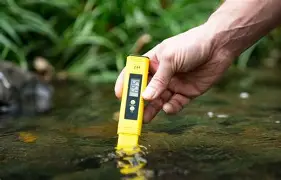
Watch pH. Sudden swings stress fish. Test the water and ask your officer about safe ranges and how to correct problems gently. Avoid dumping chemicals into the pond without advice.
Keep the water clean. Foul smell, a thick layer of scum, or very muddy or very dark water are warning signs. In tanks, regular cleaning and water changes are essential.
I also recommend a simple test kit for pH, ammonia, and dissolved oxygen, and a thermometer. They cost little compared with the feed they protect.
Grade your fish
Catfish show large differences in growth rates, even in the same pond. Some fish race ahead and others lag. If you leave them together, the big ones outcompete the small, and in some cases even eat them. Grading means separating fish into size groups, so each group grows at its own pace and competes fairly.
Grade a few weeks after stocking, and again every few weeks as needed, using a grading net or grader with the right mesh size, or by hand-sorting. Put similar sizes together, and adjust feed size and ration for each group. Handle fish gently and quickly, keep them in water as much as possible, and do it in the cool of the day. Graded fish typically grow more evenly, and the stunted ones often catch up when they are no longer pushed aside.
Keep the fish healthy
Healthy fish grow faster. Stressed, sick, or parasite-ridden fish spend their energy on survival instead of growth.
Check your fish regularly by watching their behaviour at feeding and looking for sores, red patches, torn fins, fungus, or parasites. Remove dead fish promptly. Avoid sudden changes in water or temperature. Reduce handling and noise around the pond.
Use biosecurity. Do not share nets and buckets between ponds without cleaning them. Limit visitors, keep out wild fish and birds where you can, and quarantine new fish before mixing them with your stock. Do not treat with drugs or chemicals unless a fisheries or veterinary officer advises, because wrong treatments can harm the fish and create resistance.
Keep records
Write down the stocking date, number, and average weight, the feed used each day, the water test results, the weather, and any deaths. Weigh a sample of fish every two to four weeks, by catching a number of fish at random, weighing them, and calculating the average. This tells you whether the fish are growing as they should, and lets you adjust feed and management. It also lets you work out your feed conversion ratio, which is the amount of feed needed to produce one kilogram of fish, a number that tells you how efficiently you are farming. A rising feed conversion ratio is an early warning that something is wrong.
Warning signs of slow growth
I watch for fish that stop feeding or feed slowly, uneven sizes in sample catches, fish staying near the surface or crowding at the inlet, pale or darkened colour, rough skin, sores, a foul smell from the water, high deaths, and weights that fall behind your target. If I see any of these, I test the water, check the feed, and reduce stress before I think about anything else.
What I would do differently if I started today
I would buy fingerlings only from a hatchery I had visited and trusted.
I would start with fewer fish than my pond could theoretically hold.
I would buy a test kit and a scale in the first month.
I would grade early and often.
I would invest in aeration before I needed it.
And I would write everything down.
Frequently asked questions
How long does catfish take to reach market size?
It depends on the system, feed, water temperature, and the size you call market size. With good management, many farmers reach table size in about five to six months, while poorly managed ponds can take much longer. Ask local advisors for a realistic target for your area.
What protein level should catfish feed have?
Younger fish need a higher protein level, and bigger fish need less. Follow the feed company’s guidance for each stage, and buy from a reputable manufacturer.
Why are some of my catfish much bigger than others?
Catfish naturally grow at very different rates, and dominant fish take most of the feed. Grading your fish regularly and feeding across the pond helps the smaller fish catch up.
How many times a day should I feed catfish?
Small fish usually need more frequent meals, and larger fish fewer. Feed at regular times, and adjust based on how the fish respond and on the weather.
Can I use growth hormones or boosters in catfish?
I do not recommend it without advice from a fisheries officer, as rules vary and some products are unsafe or illegal. Focus on good fingerlings, feed, water, and grading first.
The advice worth bookmarking
Catfish do not grow on feed alone, they grow on feed, clean water, and room to breathe, so grade them, test the pond, feed what they eat, and let the scale, not your hopes, tell you if it is working.