How IoT Sensors Monitor Soil Moisture in Real Time for Smarter Irrigation
One of the most difficult irrigation decisions on a farm is knowing when the soil actually needs water. Looking at the soil surface does not always tell the farmer what is happening deeper in the root zone. A field can appear dry on top while sufficient moisture remains around the roots, or the surface can look wet after rainfall while deeper soil is already becoming dry.
This uncertainty can lead to unnecessary irrigation, delayed irrigation, excessive pumping, nutrient leaching, water stress, or uneven crop development. Traditional methods such as feeling the soil by hand, observing crop symptoms, following a fixed irrigation schedule, or estimating water use from weather conditions can still be useful, but they do not provide continuous measurements from specific points in the field.
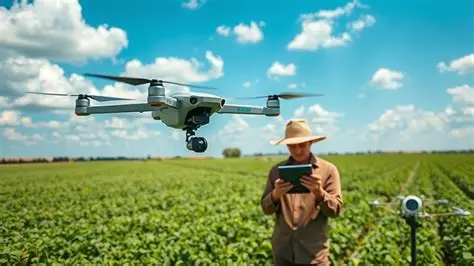
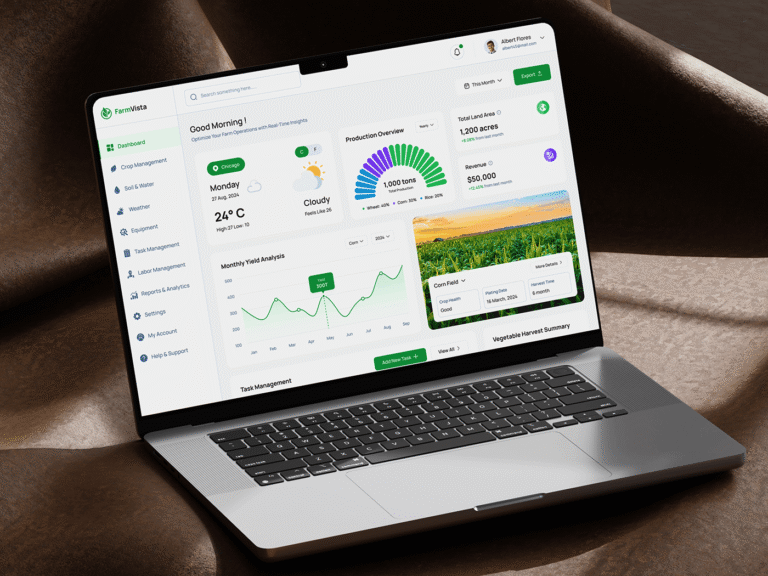
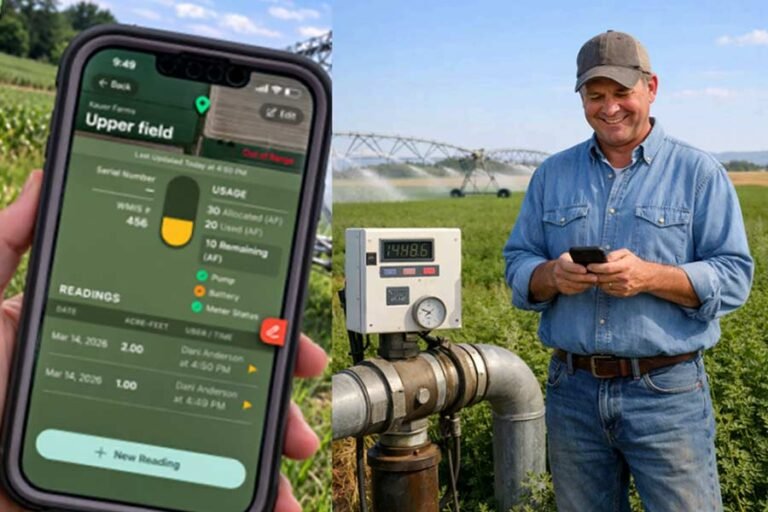
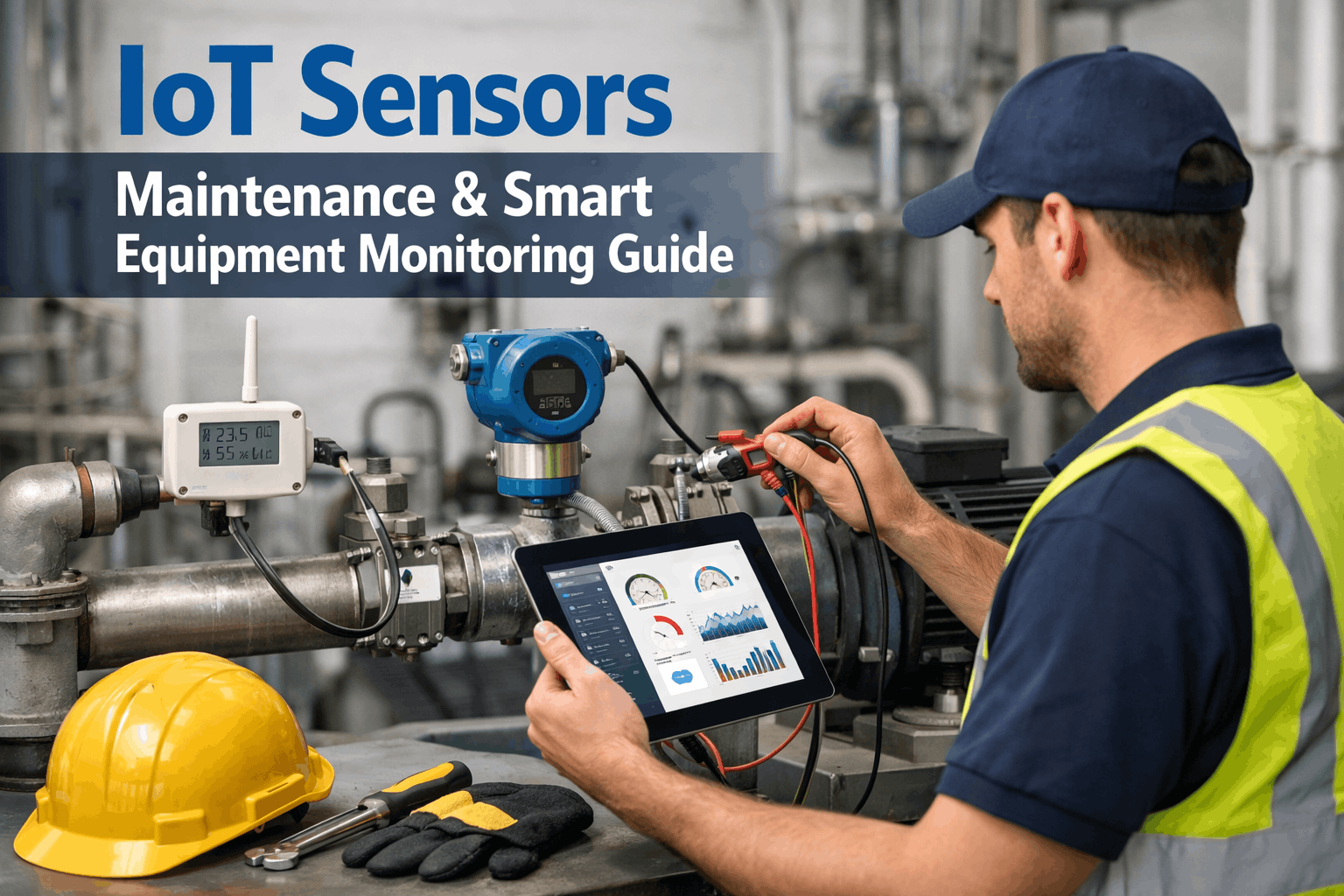
IoT soil moisture sensors provide another approach. A sensor installed in the soil measures a soil-water-related property, while an IoT communication system sends the measurement to a gateway, mobile device, dashboard, or cloud platform. Instead of visiting every sensor manually, a farmer or irrigation manager can monitor readings remotely and use them alongside rainfall, weather, crop stage, soil type, and irrigation records.
The important point is that the sensor does not make the irrigation decision by itself. It provides field data that can improve the decision.
For commercial farming, that distinction matters. A technically impressive sensor system will not improve irrigation if the sensors are installed in the wrong locations, poorly calibrated, disconnected from the root zone, or ignored when making irrigation decisions.
Sensor placement is one of the most important parts of the entire system.
A sensor installed in an unrepresentative location can produce technically correct measurements that are practically misleading.
For example, placing a sensor in a depression that receives more runoff than the surrounding field may make the entire field appear wetter than it actually is.
Similarly, installing a sensor beside an irrigation emitter may produce a very different reading from the surrounding root zone.
University extension guidance recommends considering multiple depths and locations, with placement related to the crop root zone and representative soil conditions.
They can support better water management, but a specific percentage reduction should not be promised without evidence from the particular farm and production system.
Over-irrigation can increase pumping costs and can contribute to nutrient movement below the crop root zone. Under-irrigation can create water stress.
Sensor information helps the manager see the soil-water situation more directly.
The potential benefit is therefore improved timing and quantity of irrigation rather than an automatic reduction in water use.
The actual result depends on irrigation system efficiency, soil characteristics, crop requirements, rainfall, management practices and how accurately the sensor system represents the field.
IoT sensors can give farmers something that conventional irrigation routines often lack: frequent information about what is happening inside the soil.
That information can support better irrigation scheduling, help identify differences between management zones, provide remote visibility across dispersed fields, and potentially connect soil monitoring with automated irrigation systems.
But the technology should not be treated as an automatic solution to every irrigation problem.
The sensor must be appropriate for the soil and crop. It must be installed at useful locations and depths. The communication system must work reliably. The readings must be interpreted correctly, and the farm must actually use the information when making irrigation decisions.
For Nigerian and other African farms, connectivity, electricity, equipment cost, technical support, sensor durability and availability of replacement parts also deserve attention.
The most practical approach is to start with the irrigation decision that needs improvement.
Then choose the sensor, communication system and software that can provide the information required to make that decision.
That is the difference between simply installing an IoT device and actually using IoT technology for precision irrigation.
Frequently Asked Questions
How do IoT sensors monitor soil moisture in real time?
A soil moisture sensor measures a property related to the amount or availability of water in the soil. An electronic controller records the measurement and transmits it through a communication network to a dashboard, application, or irrigation-control system. The farmer can then monitor changes remotely.
What type of sensor is best for monitoring soil moisture?
There is no single sensor that is best for every farm. Capacitance, time-domain, resistance-based and tensiometer technologies have different characteristics, costs and installation requirements. Soil type, crop, rooting depth, salinity, irrigation method and the required accuracy should influence the selection.
Can IoT soil moisture sensors automatically control irrigation?
Yes, some systems can connect soil moisture monitoring with irrigation controllers, valves or pumps. However, automation should be based on properly selected thresholds, reliable sensor readings and appropriate control safeguards. Automatic irrigation should not be enabled simply because a sensor is connected to a controller.
Do IoT soil moisture sensors require internet?
Not necessarily. Sensors can communicate with local gateways using different wireless technologies, while the gateway may use cellular or another connection to send data to a cloud platform. Some systems can continue storing data locally when external connectivity is unavailable.
How deep should a soil moisture sensor be installed?
The correct depth depends on the crop’s active root zone, soil profile, irrigation method and sensor design. Monitoring more than one depth can help show how water is moving through the root zone. Sensors should be installed according to the manufacturer’s instructions and agricultural requirements.
Can soil moisture sensors reduce irrigation water use?
They can support better irrigation management, but a specific water-saving percentage cannot be assumed. Results depend on the soil, crop, irrigation system, rainfall, sensor placement, management practices and how the data is used.
Are IoT soil moisture sensors suitable for small farms?
They can be, particularly where irrigation is important and water-management decisions are difficult. However, small farms should compare the cost of the complete system with the value of improved irrigation management. A simple soil monitoring method may be more appropriate where the farm is small and easy to inspect.
What should farmers check before buying an IoT soil moisture system?
Check sensor accuracy, soil compatibility, installation requirements, communication coverage, power requirements, battery life, software costs, data storage, irrigation-controller compatibility, warranty, technical support, replacement parts, calibration options and total installed cost. Most importantly, determine how the system will change an actual irrigation decision on the farm.