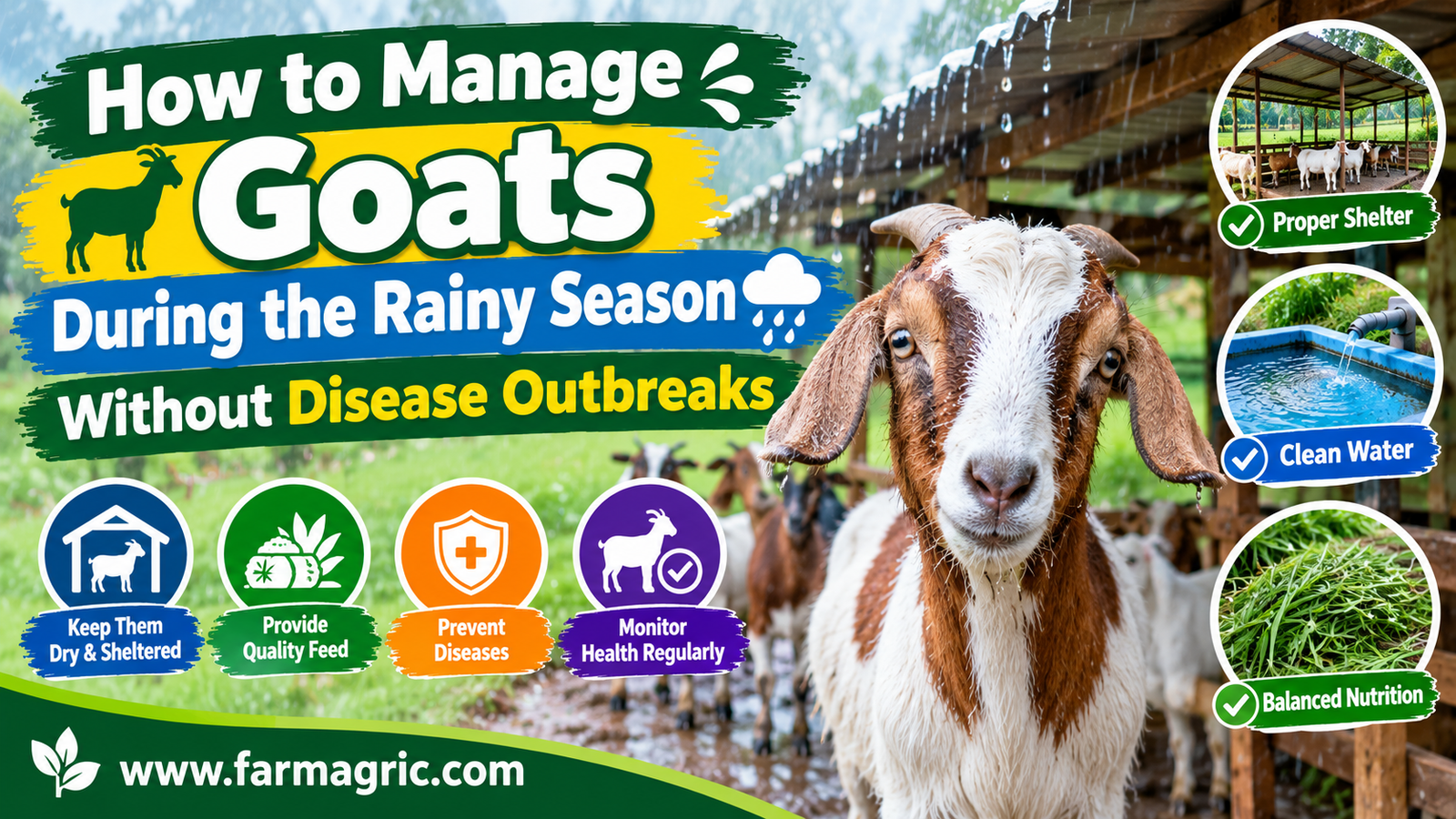
How to Manage Goats During the Rainy Season Without Disease Outbreaks
How to Manage Goats During the Rainy Season Without Disease Outbreaks: A Farmer’s Guide to Getting Through the Wet Months Without Losing the Herd
I remember a rainy season that cost me more animals than any dry season ever had, not from one dramatic event but from a steady trickle of losses over several weeks, a few kids to pneumonia, a couple of adults to what I later understood was likely footrot complicated by secondary infection, and one particularly bad stretch of diarrhea that moved through a group of young goats faster than I could isolate them. Looking back at that season honestly, none of those losses were actually mysterious or unavoidable, they were the predictable result of wet ground, damp bedding, and crowded shelter working together against a herd that had no real defense against that specific combination of conditions. That season taught me that rainy season goat management is not simply the same management as the dry season with a bit more shelter added, it requires actively anticipating a specific set of disease risks that wet conditions create and getting ahead of them before the rains fully set in, not scrambling to respond once animals are already getting sick.
So let me answer you straight, because I know the rains are here or coming and you are trying to get your herd through this season without repeating losses you may have experienced before. You manage goats during the rainy season without disease outbreaks mainly by keeping shelter and bedding genuinely dry through proper drainage and regular bedding changes, maintaining good ventilation to prevent humidity and ammonia buildup, managing pasture and grazing to reduce parasite and footrot exposure on consistently wet ground, controlling internal parasite burden more closely since wet conditions dramatically increase larvae survival on pasture, and watching closely for the early signs of the specific diseases that cluster during wet weather, particularly pneumonia, footrot, and enteric illness, so you can isolate and treat affected animals before a problem spreads through the herd. The rainy season does not introduce entirely new diseases that goats never face at other times of year, it creates ideal conditions for several specific, well-understood problems to develop and spread considerably faster than they would during drier weather, which means your management has to specifically anticipate and counter those particular conditions rather than simply hoping the herd manages through the wet months the way it manages through the rest of the year.
Why Wet Weather Creates Such Concentrated Disease Risk
Rainy season conditions work against goat health through several specific, interconnected pathways rather than through any single mechanism. Constantly wet or damp ground and bedding chill animals considerably faster than dry conditions at the same ambient temperature, since wet hair and wet resting surfaces both accelerate body heat loss, creating genuine cold stress that weakens immune function even when the air temperature itself is not particularly low. Standing water and consistently muddy ground soften hooves and create ideal conditions for the bacteria responsible for footrot to establish and spread through a herd walking across that same wet ground repeatedly. Humid, poorly ventilated shelter traps ammonia and moisture in a way that directly irritates the respiratory tract, increasing vulnerability to the pneumonia that becomes considerably more common during extended wet stretches. And perhaps most significantly for overall herd health, internal parasite larvae survive and remain infective on wet pasture for considerably longer than they do during dry conditions, meaning the rainy season represents the single highest parasite exposure risk period most goat herds face across the entire year. Each of these pathways operates somewhat independently, which is exactly why a comprehensive rainy season management plan has to address several different areas simultaneously rather than focusing on just one.
What Most Farmers Get Wrong
The first mistake, the one behind my own difficult season of scattered losses, is treating rainy season shelter simply as more shelter, assuming that providing cover from direct rain is sufficient without separately addressing ground drainage, bedding management, and ventilation, when any one of these remaining gaps can undermine the protection the shelter itself was meant to provide.
The second mistake is not adjusting internal parasite management specifically for the rainy season, continuing with the same deworming and grazing approach used during drier parts of the year without recognizing how dramatically parasite larvae survival and infectivity increase on wet pasture, leaving the herd considerably more exposed during exactly the period when parasite pressure is at its highest.
The third mistake is underestimating footrot risk specifically, not recognizing how directly consistently wet, muddy ground conditions contribute to this particular problem, and not checking hooves regularly enough during wet stretches to catch early signs before the condition has progressed and potentially spread to other animals walking across the same contaminated ground.
The fourth mistake is overcrowding shelter during wet weather, packing goats more tightly together to maximize cover from rain without accounting for how this crowding increases humidity, ammonia buildup, and disease transmission between animals in prolonged close contact, working directly against the respiratory health the shelter was meant to protect.
The fifth mistake is not increasing herd monitoring frequency specifically during wet weather stretches, maintaining the same checking schedule used during drier, lower-risk periods of the year rather than recognizing that the rainy season genuinely calls for closer, more frequent observation given how many additional disease pathways are elevated during this specific period.
Step-by-Step Plan to Manage Goats During the Rainy Season Without Disease Outbreaks
Assess and improve drainage around all housing and resting areas before the rains set in fully, ensuring water flows away from shelter and bedding areas rather than pooling or collecting around them, since standing water immediately adjacent to or beneath resting areas undermines almost every other rainy season management effort by keeping the ground and bedding consistently wet regardless of what else is done.
Provide shelter that genuinely blocks direct rain and wind-driven precipitation while still maintaining adequate ventilation, avoiding the common mistake of sealing housing tightly enough to trap humidity and ammonia, since the goal is keeping rain and wind off the animals specifically, not eliminating air exchange within the shelter entirely.
Change bedding considerably more frequently during wet weather than would be necessary during drier conditions, adding fresh, dry material as needed to maintain a consistently dry resting surface, since damp bedding beneath a goat works against body heat retention and creates the kind of environment that favors bacterial growth regardless of how well the shelter itself blocks direct rain.
Avoid overcrowding shelter during wet weather, providing adequate space per animal even when more animals are spending more time under cover during extended rain, since crowded housing increases both humidity and ammonia buildup and disease transmission risk between animals in close, prolonged contact.
Increase deworming vigilance and FAMACHA checking frequency specifically during the rainy season, checking individual animals more often than during drier periods given how dramatically parasite larvae survival and infectivity increase on wet pasture, and treating animals showing genuine need promptly rather than waiting for a scheduled check that might come too late during this higher-risk period.
Manage grazing to reduce parasite and footrot exposure on consistently wet ground where practical, rotating pasture more actively during the rainy season and avoiding prolonged grazing on areas that remain waterlogged or muddy for extended periods, since both parasite larvae concentration and footrot bacteria thrive in exactly these conditions.
Check hooves regularly during wet weather stretches, looking for any sign of heat, swelling, foul odor, or lameness that could indicate early footrot developing, and trim hooves as needed to prevent the kind of overgrowth that traps mud and moisture against the hoof in a way that favors infection.
Treat any animal showing early footrot signs promptly, isolating affected animals from wet, muddy areas where practical and following appropriate treatment protocols, since footrot can spread through a herd walking across the same contaminated wet ground, making prompt treatment of affected individuals important for protecting the rest of the group as well as that specific animal.
Provide supplemental nutrition appropriate to the increased demands wet, cooler conditions place on the herd, recognizing that goats working to maintain body temperature and immune function during extended wet, cool weather have elevated nutritional needs that inadequate feeding can leave unmet at exactly the time the herd most needs strong nutritional support.
Ensure young, old, and thin animals in particular receive additional protection and monitoring during wet weather, since these groups are generally more vulnerable to both chilling and disease during this period, and may benefit from more protected housing locations, additional bedding, or closer individual observation compared to mature, well-conditioned animals.
Monitor the herd closely and more frequently than during drier periods, watching specifically for the early signs of pneumonia, footrot, and enteric illness that cluster during wet weather, rather than maintaining the same checking schedule and level of attention used during lower-risk, drier parts of the year.
Isolate any animal showing early signs of illness promptly, moving it to a dry, well-ventilated, separate space, since prompt isolation both supports that animal’s recovery and reduces the chance of whatever is affecting it spreading further through a herd already under additional stress from wet conditions.
Consult a veterinary or livestock extension officer promptly when illness is identified, and consider discussing vaccination options appropriate for diseases known to be a particular risk in your region during the rainy season, since professional guidance specific to your local conditions can meaningfully improve both prevention and treatment outcomes during this higher-risk period.
Keep records across rainy seasons of any illness patterns, housing conditions, and management changes made, since this record helps you identify which specific interventions are genuinely reducing losses on your particular land and herd, allowing you to refine your approach with real confidence in subsequent wet seasons rather than relying on general guidelines alone.
Warning Signs to Watch For During the Rainy Season
A goat showing increased respiratory rate, occasional coughing, or nasal discharge during a wet, cool stretch deserves prompt, close attention as an early sign of developing respiratory illness, since these signs often precede more obvious, severe pneumonia symptoms by several days during exactly the conditions the rainy season provides. Lameness, heat or swelling around the hoof, or a foul odor when checking a goat’s feet directly signals possible footrot development, particularly significant during consistently wet, muddy conditions, and warrants prompt treatment before the condition progresses or spreads to other animals. Diarrhea, particularly in young or recently weaned kids, combined with reduced activity and interest in feed, indicates possible enteric illness that can spread quickly through a group during wet weather and deserves prompt individual isolation and assessment. A pale inner eyelid when checked through FAMACHA scoring during the rainy season specifically should be taken particularly seriously given how much higher overall parasite exposure typically runs during this period compared to drier parts of the year. And bedding or housing areas that remain visibly damp or muddy despite your drainage and bedding management efforts signal that your current setup is not adequately protecting animals from the ground-level moisture that drives several of the rainy season’s most significant disease risks, calling for further adjustment to drainage or shelter positioning rather than continued reliance on a setup that is not actually achieving genuinely dry conditions.
What I’d Do Differently If Starting Again Today
If I were starting over, I would assess and improve drainage around my housing and resting areas before the rains ever set in, rather than discovering my drainage gaps only once standing water had already become a persistent problem during that difficult season of scattered losses. I would increase my deworming vigilance and FAMACHA checking frequency specifically as the rainy season approached, understanding now how dramatically parasite exposure risk climbs during exactly this period compared to the rest of the year. I would check hooves regularly and proactively during wet stretches rather than only noticing footrot once an animal was already visibly lame, since I now understand how much earlier intervention protects both the individual animal and the rest of the herd walking across the same wet ground. I would resist the temptation to crowd more animals under available shelter during heavy rain, recognizing now how much that crowding was likely working against the respiratory health I was trying to protect rather than supporting it. And I would simply watch my herd more closely and more often during wet weather specifically, understanding now that the rainy season genuinely calls for a different, more vigilant level of attention rather than the same routine checking schedule that serves adequately during the rest of the year.
Frequently Asked Questions About Managing Goats During the Rainy Season
Why do goats get sick more often during the rainy season? Wet weather creates several specific risk pathways simultaneously, including increased chilling from damp bedding and wet coats, higher footrot risk from consistently muddy ground, increased respiratory irritation from humid, poorly ventilated shelter, and dramatically higher internal parasite larvae survival on wet pasture, all of which combine to make the rainy season the highest overall disease risk period most goat herds face across the year.
How often should I check my goats for parasites during the rainy season? Checking FAMACHA eyelid scores more frequently than during drier periods, potentially every two to three weeks rather than monthly, is generally advisable during the rainy season specifically, given how much higher parasite larvae survival and infectivity on pasture typically runs during wet conditions compared to drier parts of the year.
What causes footrot in goats and why is it worse during rainy season? Footrot is caused by bacteria that thrive in consistently wet, muddy conditions, and extended rainy season weather creates exactly the kind of persistently soft, damp ground that both softens hooves and allows the responsible bacteria to establish and spread between animals walking across the same contaminated wet areas, making this condition considerably more common during the rainy season than during drier weather.
Can overcrowding shelter during heavy rain actually make goats sicker? Yes, packing goats more tightly together under available shelter during heavy rain increases humidity and ammonia buildup within the space and increases disease transmission between animals in close, prolonged contact, which can work directly against respiratory health even while technically providing protection from direct rain exposure.
What is the most important single step for preventing rainy season disease outbreaks in goats? Ensuring genuinely dry bedding and ground conditions through proper drainage and frequent bedding changes addresses several disease risk pathways simultaneously, including chilling, respiratory irritation, and footrot risk, making this foundational step arguably the single highest-impact area to prioritize, though it needs to be combined with increased parasite vigilance and closer herd monitoring for complete rainy season protection.
If there is one thing I want you to remember from all this, it is that the rainy season does not bring new diseases your goats have never faced before, it simply creates ideal conditions for several familiar problems to develop and spread considerably faster than usual, so get your drainage right before the rains fully set in, check parasites and hooves more often than you think you need to, and watch your herd more closely during every wet stretch, because the scattered losses I once blamed on an unusually bad season were never really about bad luck, they were about a herd facing wet-weather risks I had not yet learned to specifically anticipate and counter before they arrived.