How to Increase Egg Production in Layers
How to Increase Egg Production in Layers
How to Increase Egg Production in Layers
I once had a flock of 500 hens that were laying at about 60 percent when they should have been well above 80. Feed was fine on paper, the house looked clean, and I kept buying “egg boosters” from every salesman who came by. Nothing moved the number. Then a retired poultry man spent one evening walking my pens with a flashlight. He found drinkers that were half empty by noon, a light that went off at four in the afternoon, and feed that the birds had sorted through, leaving the fine powder behind. Three small fixes, no new products, and within five weeks the flock was at 82 percent. That was when I understood that egg production is not bought, it is managed.
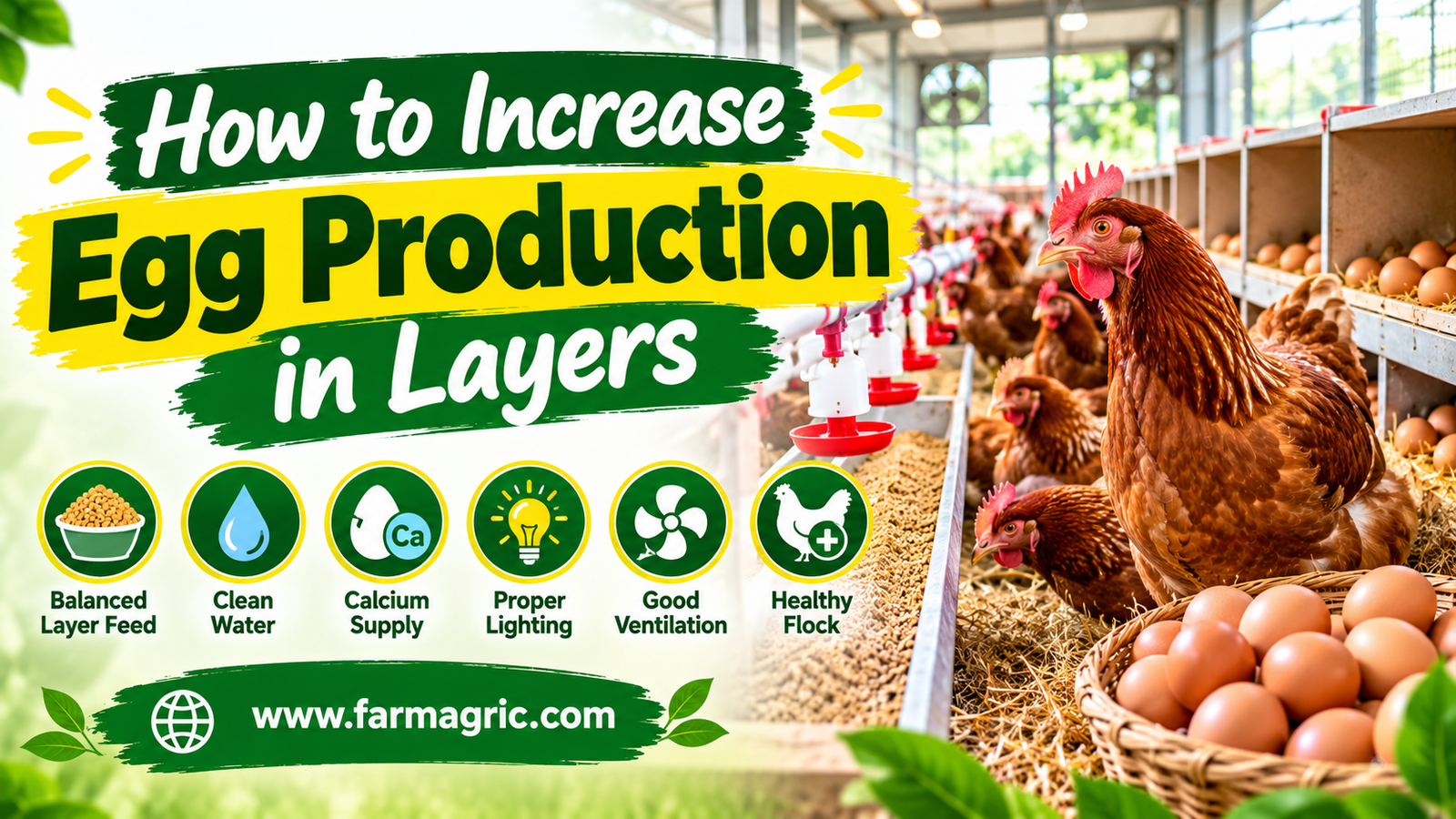
Here is the plain answer. A layer’s output depends on five things: a good strain in good health, the right feed with enough calcium and energy, clean water at all times, 16 hours of steady light, and low stress with enough space. When production drops or stays low, the cause is almost always in one of those five, or in disease or parasites that you have not caught. Fix feed, water, light, space, and health in that order, and make changes one at a time so you can see what worked.
The short version of what I do is this. I buy pullets from a reliable hatchery and vaccinate on schedule, move birds to layer feed at the right time, keep drinkers clean and full, give 16 hours of light without letting it ever shorten, stock at a sensible density, deworm and control mites, collect eggs often, and keep records every day. The rest of this article explains each step and the mistakes that cost farmers eggs.
What Most Farmers Get Wrong
The first mistake is buying cheap, unhealthy pullets. A hen that starts life with poor breeding, disease, or a stressful rearing never reaches her peak. Farmers who save a little on day-old chicks or point-of-lay birds pay for it in eggs for the whole cycle.
The second mistake is poor feed management. Some farmers mix their own feed without proper formulation, switch brands constantly, or let feed get damp and moldy. Others dilute feed with cheap fillers to cut cost. A layer needs a balanced ration, and when she does not get it, she stops laying before she stops eating.
The third mistake is neglecting water. A laying hen drinks roughly twice as much water as she eats feed by weight, and an egg is mostly water. Dirty, warm, or empty drinkers cut production faster than almost anything. A few hours without water in hot weather can drop laying for days.
The fourth mistake is shortening the light. Layers need a steady day length of about 16 hours, and a day that gets shorter, even by an hour or two, can slow laying or trigger a molt. Farmers forget that a power cut or a broken bulb is a production problem.
The fifth mistake is overcrowding. Too many birds in a pen means stress, fighting, feather pecking, dirty litter, and poor air. Production falls and disease rises.
The sixth mistake is changing things suddenly. A new feed, a new house, new birds mixed in, a loud disturbance, or an abrupt change in routine can send the flock off lay. Hens like boring.
The seventh mistake is keeping unproductive birds. Old, sick, or non-laying hens eat the same feed as good ones. Many farmers never cull, and the flock average suffers.
The eighth mistake is not keeping records. Without daily egg counts, feed use, and mortality, you do not notice a drop until it is large, and you cannot tell what caused it.
Start With the Right Birds
Production starts with genetics. Modern commercial layer strains are bred to lay 280 to 320 eggs in a laying year, while local and dual-purpose birds lay far fewer. Choose a strain that suits your climate, feed quality, and market. Buy from a reputable hatchery with vaccination records, and ask what the flock’s performance has been in your area.
Rear pullets properly. A pullet that reaches the right body weight at the right age lays better and longer. Underweight pullets start late and peak low. Overweight ones lay poorly and have more problems. Follow your breeder’s guide for body weight and feed at each age, and weigh a sample of birds weekly during rearing.
Move pullets into the laying house a couple of weeks before they start to lay, usually around 16 to 18 weeks, so they can settle in before production begins. Vaccinate on schedule for the diseases common in your area, such as Newcastle disease, infectious bronchitis, Gumboro, and fowl pox, as advised by your vet or the hatchery.
Feed: The Foundation
A layer needs a ration with enough energy, protein, and especially calcium. A typical layer feed contains around 16 to 18 percent protein, roughly 2,700 to 2,900 kilocalories of metabolizable energy per kilogram, and about 3.5 to 4 percent calcium, though the exact figures depend on the strain and the age of the birds. Check what your breeder or feed company recommends.
Switch from grower to layer feed at the right time, usually when the first eggs appear or a little before, and make the change gradually over several days. Layers eat roughly 110 to 120 grams of feed per bird per day, more in cold weather and less in heat. Provide enough feeder space so every hen can eat at once, and keep feed fresh, dry, and free of mold. Store it off the floor, in a cool, dry place, and use it within a few weeks.
Calcium is the one that matters most for the shell. Coarse limestone or oyster shell, offered separately or included in the mix, gives a slow-release supply through the night, when the shell is forming. Thin, weak, or soft shells and a drop in eggs often point to calcium or vitamin D shortage. Do not feed whole grains alone, since they do not supply enough protein, minerals, or vitamins.
If you mix your own feed, use a proper formula and weigh the ingredients. Include a premix with vitamins and trace minerals. Avoid moldy grain, because mycotoxins reduce production and harm the liver. If you buy commercial feed, buy from a reliable mill and check bags for dampness and a musty smell.
In hot weather, hens eat less, so the feed must be more concentrated and the nutrients must still reach them. Feeding in the cooler hours of the day helps.
Water: Clean, Cool, and Always There
Water deserves its own place on the list because farmers underestimate it. A layer drinks roughly 200 to 250 milliliters a day in moderate weather, and much more in heat. Water must be clean, cool, and available all day.
Wash drinkers daily and scrub them weekly, since slime and algae carry disease. Provide enough drinker space for the flock, and check that nipples or cups work and are not clogged. Keep water tanks covered and in the shade. In hot weather, offer cool water and consider adding electrolytes or vitamins during heat stress, following the label.
Check the water source. Salty, dirty, or contaminated water reduces intake and health. Have it tested if you are unsure.
Light: 16 Hours and Never Less
Light drives the hen’s laying cycle. Aim for around 16 hours of total light per day, with a minimum light intensity that lets the birds see and eat comfortably. Once layers are in production, never reduce the day length. Increase light gradually in rearing as the birds approach laying, following the breeder’s guide, and then hold it steady.
In open houses, add artificial light before dawn or after dusk to make up the difference, using a timer to keep it consistent. Clean bulbs regularly, since dust cuts light output, and replace faulty ones. Have a plan for power cuts, such as a generator or battery backup, because losing the light period can reduce production.
Space, Housing, and Comfort
Give birds enough room. For floor housing, a common guide is about 3 to 4 birds per square meter, depending on the system and climate. In cages, follow the manufacturer’s stocking guide. Overcrowding raises stress, pecking, and disease.
Ventilation is vital. Good airflow removes ammonia, moisture, and heat. If you can smell ammonia at hen level, the air is too poor and the litter is too wet. Keep litter dry and turn it regularly, adding fresh material as needed.
Provide clean, comfortable nest boxes, roughly one nest for every four to five hens, in a quiet, slightly dark part of the house. Fill them with clean litter and keep them tidy so eggs stay clean and hens are not driven to lay on the floor. Keep temperatures in a comfortable range. Layers do best between roughly 18 and 24 degrees Celsius, and heat above about 30 degrees cuts feed intake, egg size, and shell quality.
In hot climates, use shade, insulated roofs, fans, foggers, and wide eaves to keep the house cool. In cold weather, protect against drafts, but do not seal the house so tightly that ammonia builds up.
Health: Prevent It, Catch It Early
A sick flock is a poor layer. Keep to your vaccination program, and have a basic biosecurity routine. Limit visitors, wash hands and boots, keep wild birds and rodents out, clean and disinfect between flocks, and never mix new birds with the old flock without quarantine.
Deworm regularly according to your vet’s advice, and check for external parasites like mites and lice, which suck blood, cause stress, and lower production. Dust baths, proper treatment, and clean houses help. Look at the vent area and under the wings during routine checks.
Walk the pens every day. Look for birds that are dull, huddled, with ruffled feathers, discharges, swollen faces, or loose droppings. Remove sick birds promptly and call your vet if several are affected or production falls suddenly. Early help costs less than a lost flock.
Reduce Stress
Stress is the quiet egg thief. Loud noise, dogs, rats, rough handling, sudden changes in feed or light, heat, and moving birds can all cause hens to stop laying for days. Keep a calm, regular routine. Feed and collect at the same times each day, enter the house calmly, and keep unfamiliar animals out.
Avoid debeaking errors and rough handling during vaccination or movement, and do these jobs in the cooler hours. Reduce feather pecking by giving adequate space, balanced feed, and light that is not too bright.
Collect and Handle Eggs Properly
Collect eggs at least two or three times a day, more often in hot weather. This reduces breakage, dirty eggs, and egg eating. Keep eggs in a cool, clean place, and do not wash them unless necessary, since washing can remove the natural protective coating. Discard cracked and badly dirty eggs. Egg-eating hens should be identified and removed quickly, because the habit spreads.
Culling and Flock Management
Cull hens that are clearly unproductive, sick, or lame. Signs of a poor layer include a small, pale, dry comb, a tight vent, and a plump, well-feathered body without a laying look. A good layer usually has a large, bright, moist comb, a wide, moist vent, and wide spacing between the pelvic bones. Remove them so they stop eating your profits.
Plan the replacement of the flock. Layers peak at roughly 25 to 30 weeks, hold good production for several months, and then decline gradually. Many commercial farms replace the flock at around 72 to 80 weeks of age, though this depends on your costs, egg prices, and the flock’s performance. Keep records so you can decide when it stops paying.
Step-by-Step Practical Plan
If I were planning your next flock, it would run like this.
Choose a good commercial layer strain from a reputable hatchery with vaccination records.
Rear pullets to the breeder’s body weight targets and move them into the laying house at 16 to 18 weeks.
Vaccinate and deworm on schedule, and set up biosecurity.
Switch gradually to a balanced layer feed with enough protein, energy, and calcium, and provide oyster shell or limestone.
Keep clean, cool water available all day, and wash drinkers daily.
Provide 16 hours of steady light, with a timer and a backup power plan.
Stock at a sensible density, with good ventilation and dry litter.
Provide enough nest boxes, and collect eggs two to three times daily.
Walk the pens daily, remove sick birds early, and control mites and lice.
Keep daily records of eggs, feed, water, mortality, and weather.
Cull poor performers, and plan flock replacement based on records.
Warning Signs to Watch For
Learn to read the flock. A sudden drop in egg numbers means check water, feed, light, heat, disease, or a fright. Thin, soft, or rough shells point to calcium, vitamin D, or disease. Birds gathered at the drinkers, panting with open beaks, are heat stressed. Feather pecking or cannibalism means crowding, boredom, or a diet problem. Dirty, wet litter and a strong ammonia smell mean poor ventilation. Sick, dull, or swollen-faced birds should be isolated at once. Pale or mixed egg yolks, odd egg shapes, or many small eggs may signal disease or nutrient problems.
If you see any of these, act that week, not next month.
What I Would Do Differently If Starting Again Today
If I were starting fresh, I would spend more on good pullets and less on supplements. I would put in a timer for the lights and a backup power supply before the first bird arrived. I would install enough drinkers and check them every morning without exception. I would buy a small scale and weigh the pullets weekly during rearing. I would keep a daily record sheet pinned inside the house door, with eggs, feed, water, deaths, and weather, because a falling number shows up there days before it shows up anywhere else.
I would also stop chasing miracle products. Almost every drop in my flock traced back to water, light, feed, or stress, and none of that comes in a bottle.
FAQ
Why have my hens stopped laying?
Common causes are stress, heat, a change in light or feed, lack of water, disease or parasites, molting, or old age. Check water, light, feed, house conditions, and flock health, and look at your records to see when the drop began.
How many hours of light do layers need?
About 16 hours a day, kept steady once the birds are laying. Do not shorten the day length, because it can slow production or trigger molting.
What should I feed layers for more eggs?
A balanced layer ration with roughly 16 to 18 percent protein and enough energy, plus plenty of calcium from limestone or oyster shell. Check the exact levels with your breeder or feed supplier.
How many eggs should a good layer produce?
Modern commercial strains can produce around 280 to 320 eggs in a year under good management. Local and dual-purpose birds usually lay fewer. Your records will show what your own flock achieves.
How long do hens lay well?
Production usually peaks at around 25 to 30 weeks of age and then declines slowly. Many farms replace flocks at 72 to 80 weeks, depending on costs and egg prices.
The Advice Worth Bookmarking
Hens do not lay on hope. Give them clean water, steady light, balanced feed, and a calm house, and the eggs take care of themselves.