
How to Fix Poor Appetite in Cattle
How to Fix Poor Appetite in Cattle
The worst morning of my early farming years began with a cow standing at the feed trough, sniffing the fresh feed and walking away. I told myself she was just fussy. By evening she had not touched a thing, and by the next morning she was lying down and would not rise. A vet later told me her rumen had stopped working, and that I had probably missed the first sign by a full day. Since then, I treat a cow that refuses food as an emergency until proven otherwise.
Here is the direct answer. Poor appetite in cattle is a symptom, not a disease. The cause is usually one of five things: an illness or infection, a digestive upset, a feed or water problem, a nutrient shortage, or stress from heat, handling, or a change in routine. The fix depends entirely on which one it is. Your job is to work through them in order, starting with the quick checks you can do yourself, and to call a vet early if the animal is sick, because a cow that stops eating can go downhill very quickly.
Let me show you how I work through it.
What most farmers get wrong
The first mistake is waiting. A cow’s rumen needs a steady flow of feed to keep its microbes working. When she stops eating, the rumen slows, the microbes die off, and the problem feeds itself. Every day lost makes recovery harder.
The second mistake is changing the feed in a panic. A farmer sees a cow refuse her ration, so he dumps in a new feed, extra grain, or something rich. A sudden diet change on top of a sick rumen can make things worse, especially a heavy dose of grain.
The third mistake is treating the symptom with appetite boosters and tonics without finding the cause. A tonic cannot fix a fever, a blocked gut, or a bad tooth.
The fourth mistake is ignoring water. A thirsty cow will not eat well, and a cow that will not eat often stops drinking too. Many appetite problems begin with a dirty or empty trough.
The fifth mistake is forcing medicines down the throat. Drenching a cow that cannot swallow properly can send fluid into the lungs, which can kill her. If an animal is not swallowing normally, leave it to a vet.
Step one: is she really off her feed?
Before you worry, make sure the problem is real. Watch her for a while. Is she refusing everything, or only one particular feed? A cow turning her nose up at a new batch of silage or a change in concentrate may be reacting to taste, mould, or spoilage rather than being ill. Smell and look at the feed yourself. If it is mouldy, sour, wet, or fermented in the wrong way, throw it out. Mouldy feed can also make cattle sick, so remove it completely.
Check whether she is chewing cud. A healthy cow spends several hours a day lying and ruminating, and you can see her jaw working slowly. If she is not chewing cud at all, that is a sign something is wrong with the rumen or the general health.
Step two: check the vital signs
A healthy adult cow’s normal temperature is about 38.5 degrees Celsius, and a reading well above 39.5 usually means fever. Take it with a clean thermometer, handled carefully. Look at her gums and eyelids for colour, her breathing for effort or speed, her dung for consistency, and her belly for swelling on the left side behind the ribs. Also check whether she is passing urine and dung normally.
A cow with a fever, laboured breathing, pale or yellow gums, a bloated left flank, severe diarrhoea, or no dung at all needs a vet now, not tomorrow.
The common causes and what to do
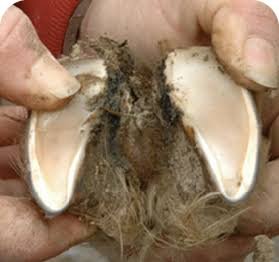
Infection and disease. Many illnesses begin with loss of appetite. Tick-borne diseases, pneumonia, mastitis, foot problems, womb infections after calving, and foot and mouth disease can all make a cow stop eating. Look for other clues such as fever, a hot or swollen udder, limping, mouth sores or drooling, nasal discharge, coughing, or a bad-smelling discharge. If you see any of these, call your vet. Some of these diseases are notifiable, which means you must report them, and quick action protects the rest of your herd. Isolate the sick animal from the others while you wait.
Digestive upset. Acidosis happens when cattle eat too much grain or rich feed too quickly. The rumen becomes acidic, the cow goes off her feed, may have loose dung, and can be in pain. Bloat is a swelling of the rumen from trapped gas, often after eating lush legumes or wet clover, and it can kill within hours. Impaction, where the gut is blocked with dry roughage or foreign material, shows as little or no dung and a dull cow. These conditions can be life-threatening, so do not experiment at home. Call a vet immediately if the left side is swollen, the cow is in obvious pain, or she has stopped passing dung.
Prevention is far easier than cure. Change feeds gradually over a week or two, never give a hungry cow a sudden large feed of grain, and provide enough long roughage so the rumen works properly.
Feed quality and feeding routine. Cattle are picky about mouldy, dusty, or spoilt feed. Check hay, silage, and concentrate for mould and contamination. Keep troughs clean, removing old stale feed before adding fresh. Feed at regular times, because cattle thrive on routine. Make sure there is enough trough space so timid cows are not pushed away by the dominant ones. Sometimes a cow looks like she has a poor appetite when in fact she is being bullied away from the trough.
Water. Check that the troughs are clean, full, and within easy reach. Cattle drink a great deal, and a dairy cow even more. Dirty, hot, or foul-tasting water lowers feed intake. In hot weather, provide shade and cool water.
Nutrient shortages. Poor appetite can come from a deficiency in minerals or protein. A cow on poor dry-season grass without enough protein has a sluggish rumen and little appetite. A lack of phosphorus, salt, or other minerals can cause cattle to eat less, chew bones or soil, and lose condition. Keep a mineral lick available at all times and make sure the diet carries enough protein, especially in the dry season. A vet or livestock officer can help you work out what your herd is missing.
Calving and lactation. Cows often lose appetite around calving. A drop in blood calcium, called milk fever or hypocalcaemia, can cause weakness, a cold body, trembling, and refusal to eat, and it needs urgent veterinary treatment. Other common post-calving problems include retained afterbirth, womb infection, and ketosis, where the cow burns too much body fat and loses appetite, sometimes with a sweet smell on the breath. Watch fresh cows closely in the first couple of weeks after calving.
Worms and other parasites. Heavy burdens of gut worms, liver fluke, and ticks can cause weak, thin animals with poor appetite. If you see a dull coat, bottle jaw (swelling under the chin), diarrhoea, or poor growth, ask a vet to check dung samples and set up a proper deworming programme. Do not guess the product or dose, because wrong choices waste money and build resistance.
Dental and mouth problems. Sometimes the cause is simply a sore mouth. Broken or worn teeth, sores, ulcers, wounds from sharp plants, or something stuck between the teeth can make chewing painful. Look inside the mouth carefully, using caution so you do not get bitten. A vet can treat dental and mouth issues.
Stress and environment. Heat stress, overcrowding, moving to a new pen, transport, a change of herd mates, weaning, or rough handling can all dent appetite for a few days. Reduce stress by providing shade, space, calm handling, and a steady routine. If the appetite does not recover in a day or two once the stress is gone, look for a deeper cause.
What I do on the farm when a cow stops eating
I start by isolating her in a clean, shaded pen with fresh water and good-quality hay or green fodder within reach, so she can eat as soon as she is ready. I take her temperature, check her gums, cud-chewing, belly, dung, and udder, and write it down. I check the feed and water for problems. I look for other animals showing the same signs, because several animals refusing feed at once points to a feed, water, or infectious cause.
If she has a fever, a swollen belly, no dung, difficulty breathing, or any serious sign, I call the vet at once. If she is bright and only slightly off, I watch her closely over the next several hours and fix any feed or water problem I found. If she is no better within about twelve to twenty-four hours, I call anyway. The cost of a visit is small compared with the cost of a dead cow.
I avoid giving random home drenches, oils, or medicines unless my vet tells me to, because the wrong treatment can do real harm. A vet may recommend things like rumen stimulants, fluids, calcium, vitamin B supplements, or antibiotics depending on the diagnosis, and these should be used under professional guidance.
Warning signs that need urgent help
Call a vet straight away if you see a swollen left flank, no dung for a day, bloody dung, a high fever, laboured breathing, trembling or inability to stand, pale or yellow gums, drooling or blisters in the mouth, a hot swollen udder, a foul discharge, or a cow that is clearly in pain. Also call if the appetite loss lasts more than a day or affects more than one animal.
What I would do differently if I started today
I would learn the normal behaviour of my cattle, including how fast they come to the trough, so I notice a change the first time it happens.
I would keep a thermometer, notebook, and a vet’s number ready, rather than looking for them in a crisis.
I would keep feed storage dry and clean from the start, because moulds have cost me more animals than I like to count.
I would never change a diet suddenly again.
And I would pay more attention to fresh cows, because the first two weeks after calving are when I have lost most of my sick animals.
Frequently asked questions
Why is my cow not eating but drinking water?
She may have a digestive upset, a mouth or tooth problem, early infection, or be stressed. Because she is still drinking, she may be in the early stage of a problem, so check her temperature, cud-chewing, dung, and mouth, and call a vet if she does not improve quickly.
Can I give appetite boosters or tonics to a cow?
They can help in some cases, but they do not fix the underlying cause. Find out why she is off feed first. Ask a vet before giving any tonic or medicine, especially to a sick animal.
How long can a cow go without eating?
A healthy cow can survive some days, but even a day or two without eating can seriously upset the rumen and harm her condition, milk production, and health. Do not wait. Investigate early.
Why do cows stop eating after calving?
Common reasons are milk fever, retained afterbirth or womb infection, ketosis, mastitis, and plain exhaustion. All of these need attention, and some are emergencies, so call a vet if a fresh cow is off her feed.
Should I force-feed or drench a cow that won’t eat?
Not without veterinary guidance. Forcing liquid into a cow that cannot swallow properly can cause it to enter her lungs. Let a vet or trained person do it.
The advice worth bookmarking
A cow that stops eating is telling you something is wrong, so treat the silence at the trough as a message, find the cause before you reach for the medicine, and call the vet before the problem is too big to fix.