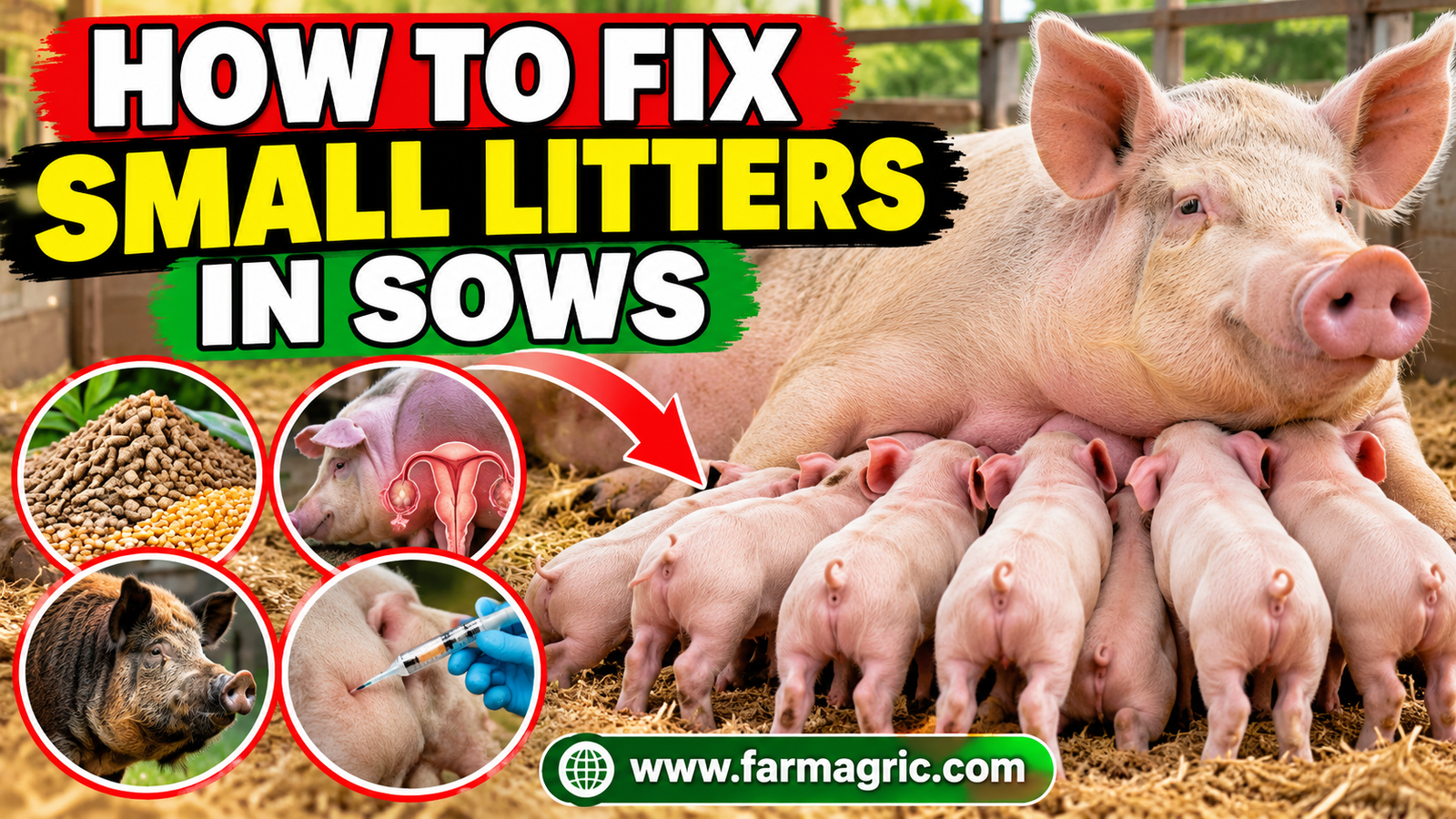
How to Fix Poor Litter Size in Sows
How to Fix Poor Litter Size in Sows: What 30 Years of Small Litters and Big Lessons Taught Me
For two years I kept a sow I called Big Mama, a calm, heavy, good-looking animal that I was sure would be the backbone of my herd. She gave me six piglets, then seven, then six again. I fed her well, I gave her the best pen, and I blamed her. Then a visiting vet looked at my records, which were a mess, and asked me three questions. When was she served relative to heat? How fat was she at weaning? How long did she rest between litters? I could not answer any of them. Big Mama was not the problem. My management was.
Here is the direct answer. Poor litter size in sows is usually caused by a handful of fixable things: serving at the wrong time, sows that are too thin or too fat at breeding, short rests or heavy weight loss during lactation, heat stress, disease such as parvovirus or leptospirosis, poor boar fertility, old age, or genetics. You fix it by finding out which of these applies on your farm, then correcting your breeding timing, body condition, feeding, housing, health program, and boar management, and culling sows that stay poor after you have fixed everything else.
Most farmers can get a litter or two more piglets per sow per year by fixing management alone. That is where I would start before spending a naira on new breeding stock.
What Decides Litter Size
Litter size is set in stages. First, the sow must release a good number of eggs at heat. Second, those eggs must be fertilised by healthy, plentiful sperm at the right moment. Third, the embryos must survive the first weeks of pregnancy, when many are lost. Fourth, the uterus must have room and nourishment for them to grow until birth.
A problem at any stage shrinks the litter. This is why one single cure rarely exists, and why it pays to look at the whole cycle instead of just the feed bag.
What Most Farmers Get Wrong
The first mistake is blaming the sow and ignoring the records. Without service dates, heat dates, weaning dates, and litter sizes written down, you cannot see patterns. A farmer who keeps no records is guessing.
The second mistake is poor heat detection and badly timed service. A sow is only fertile for a short window. Serving too early or too late means fewer eggs get fertilised, and the litter is small from day one. Many farmers serve once, on the first sign of heat, and hope.
The third mistake is breeding gilts too young or too light. A gilt bred at her first heat has had little time to grow and has released fewer eggs than she will later. Small first litters are often a result of rushed breeding.
The fourth mistake is letting sows get too fat or too thin. Overfat sows tend to have problems in pregnancy and farrowing, and thin sows ovulate fewer eggs and lose embryos. Both extremes cost piglets.
The fifth mistake is starving the sow during lactation. A sow that nurses a big litter on too little feed loses a lot of body weight, returns to heat late, and ovulates fewer eggs at her next breeding. Lactation is where many farmers unknowingly ruin the next litter.
The sixth mistake is ignoring heat. Pigs handle hot weather badly. Heat stress around breeding and in early pregnancy reduces conception and embryo survival, and farmers often see smaller litters about three months after a hot spell.
The seventh mistake is overlooking the boar. A boar that is too young, too old, overworked, overheated, ill, or poorly fed produces fewer and weaker sperm. Farmers often check the sows and never the boar.
The eighth mistake is stress and disturbance in the first weeks after service. Fighting, moving, crowding, and rough handling in early pregnancy can cause embryo loss.
The ninth mistake is keeping old, poor sows too long. A sow past her best, or one that has repeatedly produced small litters despite good care, will not improve.
The Step-by-Step Fix That Works
Step one: start keeping proper records. Before changing anything, write down for every sow: her ID, birth date, each service date and the boar used, expected farrowing date, actual farrowing date, number born alive, number born dead, number weaned, weaning date, and the number of days from weaning to the next heat. In a few months, patterns will show. You may find the problem is one boar, one season, one pen, or one group of sows, and you will save yourself months of guessing.
Step two: get service timing right. Check for heat at least twice a day, morning and evening, with a boar nearby if possible. A sow in heat stands still when you press on her back and may have a swollen, reddened vulva and pricked ears. Serve her when she shows this standing response, and ask your vet or an experienced breeder about repeating the service about a day later, since two services improve the chance of fertilising all the eggs. Do not rush her, and do not breed her in a stressful or noisy place.
Step three: breed gilts at the right age and size. Do not breed a gilt at her first heat. Let her pass one or two heats, and wait until she has grown to a proper size and condition for your breed. I will not give you an exact weight or age, since it varies by breed and feeding, so ask your vet or breed supplier for the right target. A well-grown gilt bred on her second or third heat will usually give you a bigger, healthier first litter.
Step four: manage body condition through the whole cycle. Aim for a sow that is in good, firm condition, with the hips and ribs covered but not buried in fat. Check her by eye and by hand every few weeks. Feed according to her condition and stage rather than giving every sow the same scoop. Thin sows need extra feed before breeding. Fat sows need their feed cut back in pregnancy so they farrow easier and eat better in lactation. Ask your vet or feed supplier for feeding amounts that fit your breed and ration, because the numbers differ.
Step five: feed well in lactation. A lactating sow needs a lot of feed and plenty of clean water. Give her a good lactation ration, increase her feed steadily after farrowing, and keep feed fresh and cool. Let her eat as much as she will take within advice. A sow that finishes lactation in poor condition will often return to heat late or give a small litter. Make sure her water flow is strong enough, because a sow that cannot drink enough will eat less and make less milk.
Step six: feed a little extra before service. Many farmers use a short period of increased feeding, often called flushing, for gilts and thin sows from before the expected heat until service. It can help increase the number of eggs released. Check with your vet about the right way and the right amount for your sows, because overdoing it makes sows fat.
Step seven: keep the early pregnancy period calm. For the first month after service, avoid moving sows, mixing groups, or crowding them. Keep the temperature moderate, the floor non-slippery, and the feeding routine steady. Let the sow settle.
Step eight: control heat stress. Provide shade, good airflow, and cool drinking water. Wallows or water drips help pigs lose heat, since they do not sweat. Move breeding and early pregnancy work to cooler parts of the day, and in the hottest months give extra attention to the breeding area and the boar. If you see a pattern of small litters nine to twelve weeks after the hottest weather, heat stress is probably involved.
Step nine: look after the boar. Keep your boar healthy, fit, and not overweight. Do not overuse him, and give young boars time to mature. Keep him cool, because heat can reduce his fertility for weeks afterward. If sows served by one boar keep returning to heat or giving small litters, replace him or ask a vet to check his fertility.
Step ten: set up a health program with your vet. Infections such as porcine parvovirus, leptospirosis, and other reproductive diseases can cause embryo death, mummified piglets, abortions, and small litters. Some are controlled by vaccines, and the right program depends on your region. Ask your vet which diseases are common near you and what vaccination schedule and deworming program suits your herd. Do not buy or give any medicine without advice. Keep the pens clean and dry, and control parasites.
Step eleven: reduce the weaning to service interval. Once you wean a litter, the sow should come back into heat within a few days, usually around the first week. If she takes much longer, check her feeding during lactation, her condition, the housing, and the season. Having sows near an active boar or moving them where they can see and smell him often helps bring them in.
Step twelve: cull sows that do not improve. After you have fixed feeding, timing, health, and the boar, any sow that still gives small litters twice in a row, or that repeatedly returns to heat, aborts, or has long gaps before breeding, should leave the herd. I used to keep sows out of sentiment. Each one cost me more in feed than she ever returned. Replace them with well-raised gilts from a source you trust.
Warning Signs to Watch For
Sows returning to heat about three weeks after service, or at irregular intervals, suggest early embryo loss or a fertility problem. Many mummified or stillborn piglets in a litter may point to infection. Litters that are consistently small across many sows around the same time point to something in the herd, such as a boar, a hot spell, a feed problem, or a disease. Thin sows at weaning, or sows that take weeks to come back into heat, were underfed or stressed in lactation. Sows with discharge, repeated returns, or abortions need a vet. A sudden drop in litter size across the whole herd, especially along with other illness, deserves an urgent call to your vet.
What I Would Do Differently If I Were Starting Today
I would keep records from the first day, because they would have shown me in two months what took me two years to learn. I would pick my gilts carefully and breed them only when they were ready. I would give every sow a body condition check before service and at weaning. I would spend more on lactation feed and clean water instead of cutting corners. I would design the farm with shade and airflow from the start. I would treat the boar as half of the herd, not an afterthought. And I would work with a vet on a simple, regular health program rather than only calling when something had already gone wrong.
Frequently Asked Questions
What is a good litter size for a sow?
It depends on the breed, the feeding, and the management. Commercial breeds on good farms often average noticeably more piglets per litter than local or unimproved breeds. Compare yourself against farms with the same breed and system rather than against figures from a different setup, and track your own average over time.
Why do my sows have small litters?
The usual causes are poor timing of service, wrong body condition, heavy weight loss in lactation, heat stress, boar problems, disease, and age. Use your records to see which pattern fits your farm.
Does the boar affect litter size?
Yes. A boar with poor fertility, or one that is overheated, overworked, or ill, can reduce conception and litter size. Many farmers overlook him because he looks healthy.
At what age should I stop breeding a sow?
Sows usually do best in the middle of their productive lives, and litter size often declines in older sows. Rather than a fixed age, watch her results. If she gives small litters, has long gaps, or loses condition, replace her.
Can feed alone fix a small litter?
Feed helps, but it rarely fixes everything on its own. Timing of service, boar quality, disease, heat, and genetics all matter. Look at the whole cycle before spending more on feed.
One Thing to Remember
A big litter is built long before the sow farrows, in the weeks of lactation, the day of service, and the first month of pregnancy. Look after the sow at weaning and at service, and the litter will look after itself.