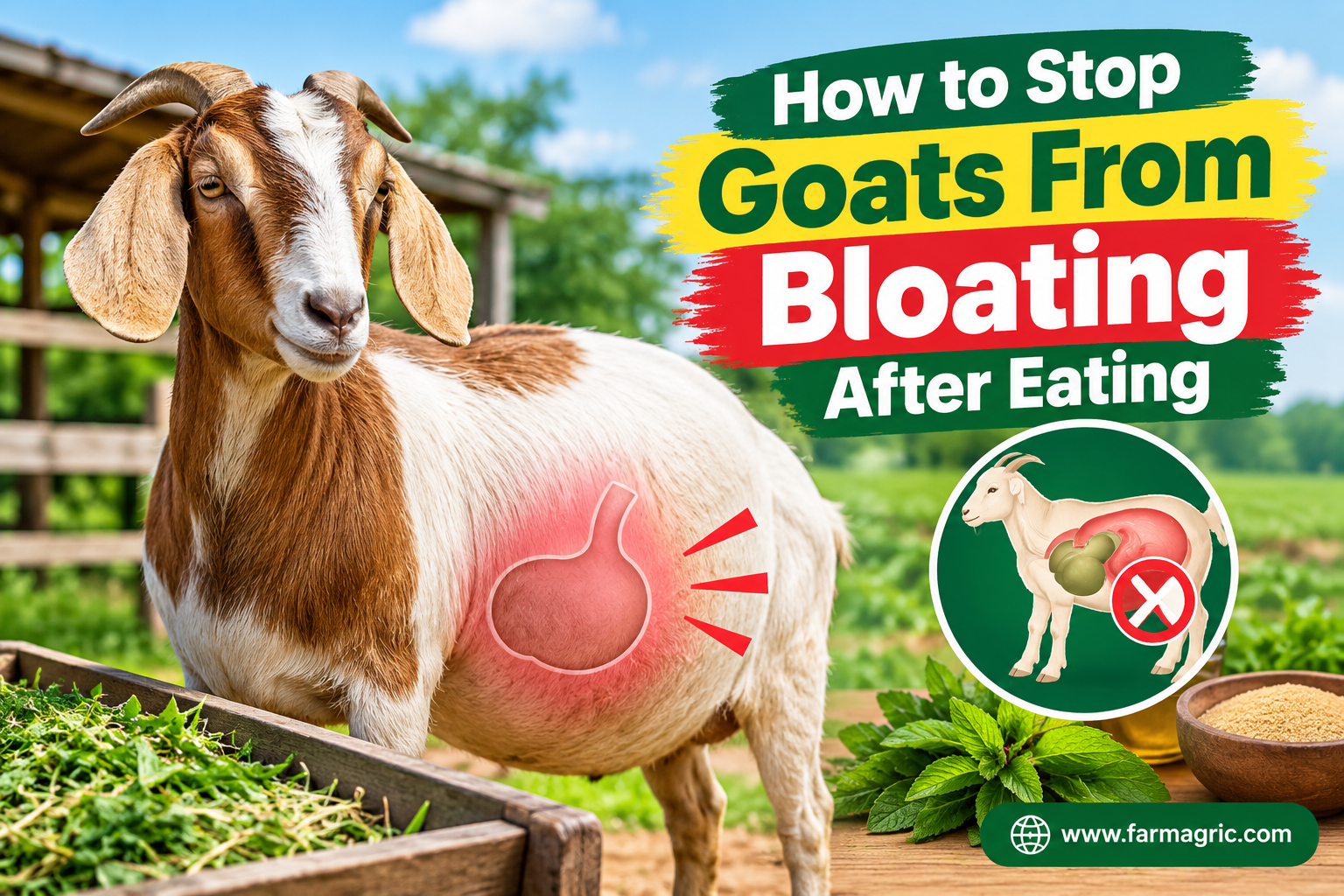
How to Stop Goats From Bloating After Eating
How to Stop Goats From Bloating After Eating: A Farmer’s Guide to Preventing a Killer That Moves Faster Than You Can React
I found a wether lying on his side one afternoon, his left flank visibly swollen and tight, struggling to breathe in a way that told me immediately something was seriously wrong even before I fully understood what I was looking at. He had been out on a fresh section of young, lush clover that morning, the same clover I had been meaning to introduce more gradually but had let the herd access more freely than I should have because the pasture looked so good and I did not want it to go to waste. By the time I got him up and moving and reached someone who could help, the bloating had already progressed dangerously far, and while he survived that day, it was close enough that I never again let a herd onto a rich new pasture without thinking hard about exactly how that access was managed. Bloat, I learned that afternoon, is one of the few goat health emergencies where you genuinely do not have hours to figure things out, you sometimes have minutes, which makes prevention considerably more valuable than treatment for this particular problem.
So let me answer you straight, because I know you have either already had a scare with a bloated goat or you are trying to prevent one before it happens on your own land. You stop goats from bloating after eating mainly by introducing rich, lush pasture or any new feed gradually rather than allowing sudden, unrestricted access, feeding dry hay or roughage before turning goats out onto lush pasture or rich feed so they do not graze on an empty stomach, avoiding access to pasture heavy in legumes like clover and alfalfa during the periods when bloat risk is highest, controlling grain and concentrate access carefully to prevent overeating, and ensuring goats always have consistent access to clean water and adequate fiber in their diet to support normal rumen function. Bloat happens when gas produced during normal digestion cannot escape the rumen properly, either because it becomes trapped in a stable foam that the goat cannot belch out, which is the more dangerous frothy bloat typically triggered by rich, lush feed, or because of a physical blockage, and because this gas buildup can become fatal within a surprisingly short window, the entire management approach has to be built around preventing the conditions that trigger it rather than relying on catching and treating it after the fact.
Why Bloat Can Kill So Quickly Once It Starts
A goat’s rumen relies on a steady process of fermentation that naturally produces gas as a normal byproduct of digestion, and under ordinary circumstances the goat belches this gas out regularly without any problem at all. Certain feeds, particularly very lush, young legume pasture like clover or alfalfa, or feed consumed very rapidly on an empty stomach, can disrupt this normal process in one of two ways, either by producing a stable foam within the rumen that physically traps gas bubbles and prevents the goat from belching normally, known as frothy bloat and generally considered the more dangerous form, or by causing such a rapid volume of gas production that it simply outpaces the goat’s ability to release it quickly enough, known as free gas bloat. In either case, the rumen can swell dramatically within a short period, and this swelling puts severe pressure on the diaphragm and major blood vessels, which can interfere with breathing and circulation badly enough to cause death within as little as one to a few hours from when the problem begins, a genuinely narrow window that makes prevention considerably more reliable than hoping to catch and treat the problem after it has already started.
What Most Farmers Get Wrong
The first mistake, the one behind my own frightening afternoon, is allowing sudden, unrestricted access to a new, particularly rich pasture area, treating lush, inviting forage as simply a good thing for the herd to enjoy without recognizing how directly that kind of abrupt dietary shift can trigger the rapid foam formation responsible for the most dangerous form of bloat.
The second mistake is turning hungry goats out directly onto rich pasture without feeding them dry hay or roughage first, not recognizing that goats grazing rapidly on an empty stomach consume rich, lush feed considerably faster and in greater initial volume than goats that already have some fiber in their system, significantly increasing bloat risk during exactly this kind of transition.
The third mistake is underestimating how much legume-heavy pasture specifically, particularly young, lush clover or alfalfa, carries elevated bloat risk compared to grass pasture, treating all green, growing forage as more or less equivalent rather than recognizing that legumes in this particular growth stage are disproportionately responsible for frothy bloat cases.
The fourth mistake is not controlling grain or concentrate access carefully enough, allowing goats unrestricted or accidental access to a grain source, which can trigger rapid fermentation and gas production in a way that overwhelms the rumen’s normal ability to release gas, particularly in animals not accustomed to a significant grain component in their regular diet.
The fifth mistake is not maintaining consistent access to adequate roughage and clean water as a baseline part of daily management, not recognizing that a rumen functioning well on a foundation of adequate fiber intake and good hydration handles occasional dietary variation considerably better than a rumen already under some degree of stress from inconsistent fiber or water access.
Step-by-Step Plan to Stop Goats From Bloating After Eating
Introduce any new pasture, particularly lush, legume-heavy areas like young clover or alfalfa, gradually over a period of several days to a couple of weeks rather than allowing sudden, unrestricted access, starting with limited grazing time on the new area, perhaps thirty minutes to an hour initially, and extending that time incrementally as the goats’ rumen microbial population has the chance to adjust to the new feed source.
Feed dry hay or other roughage before turning goats out onto any particularly rich or lush pasture, ensuring they are not grazing on a completely empty stomach, since goats that have some fiber already in their rumen tend to consume rich forage more moderately and at a slower pace than genuinely hungry goats encountering lush feed for the first time that day.
Limit grazing time specifically on legume-heavy pasture sections during the periods of highest risk, which typically include early morning grazing on pasture still wet with dew, and grazing immediately following rain, since moisture on the plant surface combined with young, lush legume growth represents a particularly high-risk combination for triggering frothy bloat.
Avoid turning goats out onto lush legume pasture during or immediately after a period of rapid plant growth following rain, recognizing that pasture in this specific condition carries elevated risk compared to the same pasture type under more typical, less lush growing conditions.
Control grain and concentrate feeding carefully, measuring and limiting the amount offered rather than allowing free, unrestricted access, and securing grain storage areas properly so that goats cannot accidentally access a large, uncontrolled quantity through a broken latch, an open door, or a damaged storage container.
Introduce any new grain or concentrate feed gradually as well, following the same principle applied to pasture transitions, starting with a small amount and increasing it incrementally over a period of one to two weeks to allow the rumen’s microbial population time to adjust properly to the new feed source.
Maintain consistent access to adequate roughage, whether through quality hay, pasture, or another fiber source, as a baseline part of the daily diet year-round, since a rumen that is regularly functioning on an adequate fiber foundation handles occasional dietary variation and stress considerably better than one that has been inconsistently or inadequately fed fiber.
Ensure goats have consistent, reliable access to clean water at all times, since adequate hydration supports normal rumen function and digestion, and goats with inconsistent water access can sometimes overconsume water rapidly when access is finally restored, which can itself contribute to digestive upset in combination with other risk factors.
Consider providing access to a bloat-preventive product such as poloxalene, available as a block, drench, or feed additive in some regions, particularly during periods of known elevated risk such as a seasonal transition onto lush legume pasture, following product-specific guidance for appropriate use and timing.
Monitor weather and pasture conditions actively, recognizing that periods following rain, particularly when combined with young, actively growing legume forage, represent elevated risk windows that call for more cautious grazing management, such as delaying turnout or limiting grazing time, rather than maintaining the same routine regardless of these specific conditions.
Observe goats closely during and shortly after any grazing period on new or particularly rich pasture, watching for early signs of discomfort, such as restlessness, repeated looking back at the flank, or reluctance to move normally, since catching early distress promptly, while bloat is still in its earlier stages, gives considerably more opportunity for successful intervention than discovering a goat already severely affected.
Keep emergency bloat treatment knowledge and supplies accessible and understood before you need them, including knowing how to recognize severe bloat requiring immediate veterinary attention, and understanding basic emergency response appropriate for your situation, since even with the best prevention practices in place, having a clear plan for what to do if bloat does occur provides an important additional layer of protection for your herd.
Warning Signs to Watch For
Visible swelling or distension on the goat’s left side, behind the ribs, is one of the clearest and earliest physical signs of bloat developing, and this swelling becoming increasingly tight and pronounced over a short period signals the condition is actively progressing rather than stable. Restlessness, repeated getting up and lying down, kicking at the belly, or repeatedly looking back toward the flank area all indicate abdominal discomfort consistent with early bloat and warrant immediate closer investigation rather than being dismissed as minor, unrelated fidgeting. Labored or rapid breathing, particularly combined with visible abdominal swelling, indicates the condition has progressed to a point where the swollen rumen is beginning to interfere with normal breathing, representing a genuine emergency requiring immediate action. A goat that stops eating, separates from the herd, and shows an generally distressed, uncomfortable posture following recent access to rich pasture or grain deserves prompt, close checking rather than being left to be observed again only at the next routine check. And any goat found down, unable to rise normally, or showing visible severe distress following known access to lush pasture or rich feed should be treated as a critical emergency requiring the fastest possible response and veterinary consultation, since this presentation typically indicates bloat has already progressed to a dangerous, potentially fatal stage.
What I’d Do Differently If Starting Again Today
If I were starting over, I would introduce every new pasture area gradually from the very beginning, limiting initial grazing time and extending it incrementally over days rather than allowing the kind of sudden, unrestricted access that nearly cost me that wether on an afternoon I still remember clearly. I would feed hay before any turnout onto lush or legume-heavy pasture as a strict, non-negotiable habit, understanding now how much that simple step reduces the rapid, excessive consumption that triggers the most dangerous form of bloat. I would pay far closer attention to weather and pasture growth conditions specifically, recognizing now how much additional risk a period of lush growth following rain actually carries compared to more typical grazing conditions. I would secure grain storage more carefully and measure concentrate feeding precisely rather than allowing any possibility of accidental, uncontrolled access. And I would watch my herd more closely during and immediately after any grazing transition, understanding now how much earlier I could have caught that wether’s distress if I had been checking on the herd specifically during the window when I knew they had just accessed a particularly rich new area of pasture.
Frequently Asked Questions About Preventing Bloat in Goats
What causes bloat in goats after eating lush pasture? Lush, young legume pasture such as clover or alfalfa can cause rumen gas to become trapped in a stable foam that the goat cannot belch out normally, known as frothy bloat, or can produce gas faster than the goat can release it, known as free gas bloat, both of which cause the rumen to swell dangerously and can become life-threatening within a short period if not addressed.
How quickly can bloat kill a goat once it starts? Bloat can become fatal within as little as one to a few hours from when the problem begins, since the swollen rumen puts severe pressure on the diaphragm and major blood vessels, interfering with breathing and circulation, which is exactly why prevention through careful pasture and feed management is considerably more reliable than hoping to catch and treat the condition after it has already developed.
Should I feed hay before letting goats graze on rich pasture? Yes, feeding dry hay or roughage before turning goats out onto lush or legume-heavy pasture helps ensure they are not grazing on a completely empty stomach, which tends to reduce how rapidly and in what volume they consume the rich forage, meaningfully lowering bloat risk during that specific transition.
Is clover or alfalfa pasture more dangerous for bloat than grass pasture? Yes, young, lush legume pasture such as clover and alfalfa carries disproportionately higher bloat risk compared to grass pasture, particularly during periods of rapid growth following rain, which is why gradual introduction and careful management of grazing time on these specific pasture types is especially important.
Can grain cause bloat in goats as well as rich pasture? Yes, uncontrolled or sudden access to a significant quantity of grain can trigger rapid fermentation and gas production that overwhelms the rumen’s normal ability to release gas, particularly in goats not accustomed to grain in their regular diet, making careful, measured grain feeding and secure storage an important part of overall bloat prevention alongside pasture management.
If there is one thing I want you to remember from all this, it is that bloat moves faster than almost any other common goat health problem, often giving you only a narrow window to notice and respond before it becomes genuinely dangerous, so build your prevention around gradual pasture introduction, hay before rich feed, and careful grain control rather than counting on catching it early, because the wether I found swollen and struggling that afternoon survived only because I happened to check the herd at exactly the right moment, and I never again wanted my goats’ safety to depend on timing I could not actually control.