How to Control Foot and Mouth Disease Risk in Cattle
How to Control Foot and Mouth Disease Risk in Cattle
I will never forget the morning a neighbour’s herd started drooling. By the end of that week, six farms along the same road were under movement restrictions, trucks were turned back at the gates, and the market where I sold half my stock was shut. My own cattle never caught it, and the reason was not luck. It was a handful of boring habits I had followed for years, and I had been teased for them.
Here is the direct answer. Foot and mouth disease (FMD) is a highly contagious viral disease of cattle and other cloven-hoofed animals, and you cannot treat your way out of it. You control the risk with four things: vaccination where it is available and recommended in your area, strict control of animal and human movement onto your farm, quarantine for any new or returning animal, and fast reporting of suspected cases to the veterinary authorities. The disease spreads on animals, vehicles, boots, clothes, feed, and even the wind, so your defence is a set of habits that block each path. And if you ever see the signs, you report first and ask questions later.
I will walk you through what the disease is, how it moves, and the routine I follow.
What most farmers get wrong
The first mistake is believing it only happens on other people’s farms. FMD spreads fast across fence lines, markets, and roads, and many outbreaks begin with a single infected animal that looked only a little off.
The second mistake is hiding suspected cases. A farmer sees blisters, panics about losing his market, and says nothing, or quietly sells the animal. That decision spreads the disease to dozens of farms and can ruin an entire district. Most countries require that FMD be reported to the veterinary authorities, and reporting early is the single most useful thing you can do for your neighbours and for yourself.
The third mistake is trusting a healthy-looking animal. Some animals carry and shed the virus without looking very sick, and animals can spread it before signs appear. Buffalo and some other species, along with recovered cattle, can carry the virus for a long time in certain regions. A calm-looking beast from a market is not proof of safety.
The fourth mistake is treating vaccination as a magic shield. The vaccine helps, but FMD comes in several types (serotypes) and strains, and a vaccine only protects against the ones it contains. It also needs a proper schedule, correct storage, and a good cold chain. Vaccination works best alongside biosecurity, not instead of it.
The fifth mistake is trying home cures. Nothing you can mix in the kitchen cures a viral disease. Home remedies waste time while the virus spreads.
What FMD is and how it spreads
FMD is caused by a virus that affects cattle, buffalo, sheep, goats, and pigs, as well as wild cloven-hoofed animals. It is not the same as hand, foot and mouth disease in children, which is a different illness. FMD does not normally affect people in any serious way, and it is not considered a significant food-safety risk, but it can devastate livestock production and trade.
The virus spreads in many ways. It travels directly from animal to animal through breath, saliva, milk, dung, and fluid from blisters. It travels indirectly on contaminated vehicles, equipment, boots, clothing, hands, water, feed, bedding, and animal products. It can survive in the environment for a period, especially in cool, damp conditions. In certain weather, the virus can even travel on the air over some distance. Pigs are especially heavy shedders of virus into the air, and sheep and goats can carry it quietly with mild signs, so a mixed farm needs extra care.
Because of all those routes, control is about closing as many doors as you can.
Recognising the signs
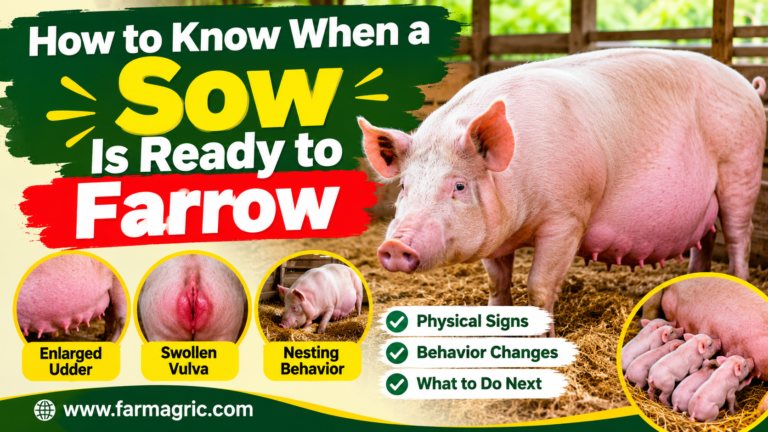
Learn the signs well, because early recognition is your best weapon. In cattle, the first signs are often fever, dullness, and loss of appetite. Within a day or two, you may see blisters on the tongue, gums, lips, and the inside of the mouth, and on the skin between the toes and around the hooves, as well as on the teats. The blisters burst and leave raw, painful sores. Affected animals drool a lot of stringy saliva, smack their lips, and are reluctant to eat. They may limp badly, stand with an arched back, or lie down. Milk yield can fall sharply, and young calves may die suddenly, often without showing blisters first. Adult cattle usually survive, but they can be left with long-term problems, including lost weight, reduced milk, hoof damage, and mastitis.
Many other conditions look similar, and only laboratory testing can confirm FMD. This is why you should never try to diagnose it yourself. If you see blisters, heavy drooling, and lameness in your herd, treat it as suspected FMD until the vet says otherwise.
What to do if you suspect FMD
Report immediately to your veterinary officer or the official animal health authority in your area. Do it by phone, quickly. Do not wait to see if it clears up.
Isolate the affected animals right away, keep them separate from the rest of the herd, and stop all movement of animals, people, and vehicles on and off the farm until the vet arrives. Do not sell or move any animal, milk, or products from the farm. Restrict visitors. Use separate boots and clothing for the sick animals, and wash and disinfect them after handling. Do not let people who have been near the sick animals visit other farms or livestock.
Follow the official instructions exactly. Depending on your country, the response may include testing, movement restrictions, vaccination, or culling and compensation. I know the idea of restrictions is frightening, but quick reporting limits the damage for everyone, including you.
How I protect my herd every day
Everything below is a habit, not a one-off, and each habit closes a door.
Vaccinate where it is recommended. In countries where FMD is present, routine vaccination is often part of the control programme. Ask your veterinary authority whether vaccination is recommended or organised in your area, which vaccine matches the strains circulating, and what schedule to follow. Young animals often need booster doses, and protection can fade over several months, so schedules usually include repeat vaccinations. Keep vaccine cold, handle it exactly as the label says, and use only products from a legitimate, registered source. Keep a record of what was given, to which animal, and when. I will not give a schedule here, because it depends on your country and the strains in your region.
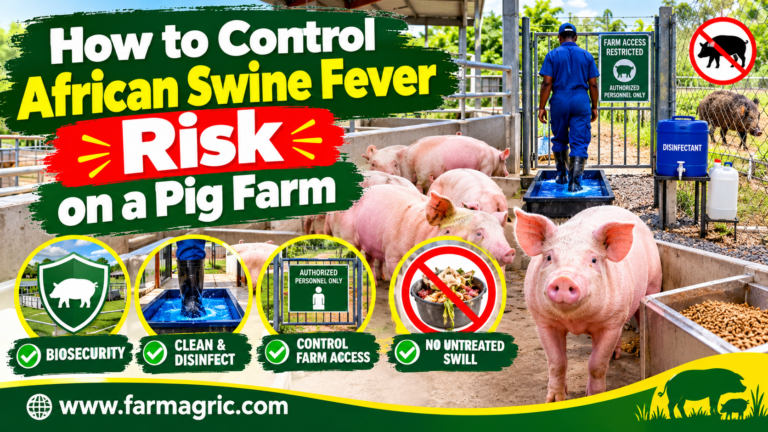
Control who and what enters the farm. Keep a single entrance, and restrict visitors. Make traders, buyers, vets, and workers use footbaths and clean overalls or boot covers. Do not let vehicles from other farms or from livestock markets drive into the animal area. Park outside and walk in. Keep a visitors’ book so you know who has been where.
Quarantine new and returning animals. Any animal you buy, borrow, or bring back from a show, market, or other farm should go into a separate pen, well away from your herd, for a period. Your vet can advise on how long and what checks to carry out. During quarantine, watch for fever, drooling, lameness, and blisters. Use separate equipment, and handle the quarantined animals last.
Buy carefully. Know where animals come from, and avoid buying from areas with known outbreaks. Ask for health papers and vaccination records where they are available. Be wary of unusually cheap animals and of dealers who will not tell you where the animals came from. Avoid sharing bulls, equipment, or grazing with neighbours without agreeing on basic health checks.
Keep your herd closed where you can. The fewer animals you bring in, the lower the risk. Raise your own replacements if it suits your system, and use artificial insemination from reputable sources rather than borrowing bulls.
Be careful at markets and shows. Livestock markets are one of the greatest risks, because animals from many farms mix there. If you must take animals to market, do not bring unsold animals back to your herd without quarantining them first. Clean and disinfect vehicles before and after.
Clean and disinfect. The FMD virus is destroyed by certain disinfectants, and also by strong acids and alkalis. Ask your vet which disinfectants are effective and approved in your area, and how to use them correctly, because dilution and contact time matter, and dirt and manure reduce how well they work. Clean first with water and detergent to remove organic matter, and then disinfect. Do this for vehicles, pens, handling facilities, and equipment.
Manage feed, water, and waste. Do not feed animals leftover food scraps or anything of animal origin that might carry the virus. Keep wild animals and stray livestock away from feed and water. Dispose of dead animals and afterbirths properly, following official guidance, instead of dumping them where dogs or scavengers can spread them.
Watch your herd daily. Look at every animal, every day, and know what normal looks like. Check mouths, feet, and teats when you handle animals. The sooner you notice a problem, the more options you have.
Join your community’s efforts. FMD is not an individual problem. Talk with neighbours, share information about outbreaks, and cooperate with veterinary services. Farmers in my area who coordinate vaccination days and share news about outbreaks lose far less than those who keep their problems secret.
Warning signs to watch for
Be alert for several animals developing fever and going off their feed around the same time, drooling and smacking of lips, blisters or raw patches in the mouth or between the hooves, sudden lameness in more than one animal, a sudden drop in milk, blisters on the teats, and unexplained deaths of young calves. Any of these needs an immediate phone call to the vet.
What I would do differently if I started today
I would build a footbath and a parking area outside the gate on the first day.
I would find out from the veterinary office exactly what FMD risk looks like in my district, and join the local vaccination programme where there is one.
I would make quarantine a rule that no one, including me, was allowed to break.
I would keep a simple record of every animal that arrives and leaves, and of every visitor.
And I would save the veterinary officer’s phone number on every phone in the family.
Frequently asked questions
Can foot and mouth disease be cured?
There is no cure for the virus. Sick animals are usually given supportive care under veterinary supervision, such as soft feed, clean water, and treatment of secondary infections, while official control measures are carried out. Prevention and quick reporting are your tools.
Is foot and mouth disease dangerous to humans?
It is not considered a serious risk to people, and it is different from hand, foot and mouth disease in children. But people can carry the virus on their clothes, boots, and hands and spread it to other animals, which is why hygiene matters.
Can I drink milk from a cow with FMD?
Do not use milk from suspected or confirmed cases. Follow the veterinary and public health authorities’ advice, which may include heat treatment or destruction of milk. Do not sell or share it.
How long does it take for signs to appear?
Signs usually show within a few days of exposure, though the time can vary. An animal may shed virus before it shows signs, which is why quarantine and movement control matter.
Does vaccination fully protect my cattle?
Vaccination can greatly reduce disease and spread when the vaccine matches the strain, the schedule is followed, and the vaccine is stored and given properly. It is not a guarantee, so keep up biosecurity too.
The advice worth bookmarking
You cannot cure foot and mouth disease, but you can keep it out, so guard your gate, quarantine every newcomer, and report the first blister, because the farmer who tells the truth early protects every herd on the road.