How to Fix Poor Wool Growth in Sheep
Pay attention to wool that breaks easily, thin or uneven fleece, loss of crimp, dull or steely wool, patches of missing wool, flakes or scabs on the skin, itching and rubbing, matted or smelly fleece, pale gums and eyelids, poor body condition, and sheep that lag behind the rest of the flock. If several sheep show the same signs, investigate for a flock-level cause such as feed, parasites or minerals. If only a few are affected, consider individual illness or genetics.
What I would do differently if I were starting again today
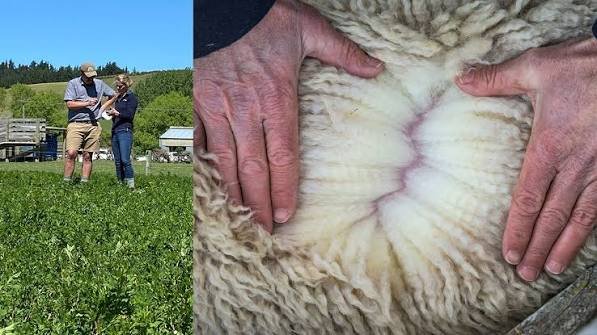
I would decide very early what I was really farming for. If wool was the goal, I would choose a breed suited to my climate and be honest about what my land could support. I would walk the flock regularly with a bright light and my fingers in the fleece, not just my eyes on the sheep, and I would count worms with a lab instead of guessing. I would plan feed for the dry season before it arrived, and I would work out mineral needs with a vet before buying any supplement. I would keep fleece weights and notes from the first shearing, and I would cull more honestly than I did.
Wool is a record of the months before shearing. If you want a better fleece next time, start fixing the sheep today.
FAQ
Why is my sheep’s wool thin and weak?
Common causes include poor nutrition, parasites, illness or stress, mineral deficiencies, and genetics. A weak spot along the fiber usually marks a period when the sheep was under stress. Check feed, worms, skin and health history.
Can sheep grow wool on poor pasture?
They can, but growth and quality suffer. Wool needs adequate energy, protein and minerals. Supplementing poor pasture with quality forage or a balanced concentrate often improves wool growth.
What minerals affect wool growth in sheep?
Copper, zinc, cobalt, selenium, iodine and sulfur all influence wool and general health. Needs vary by region, and sheep are sensitive to excess copper, so use sheep-specific supplements and get professional advice.
Why are my sheep losing wool or rubbing on fences?
Itching and wool loss often point to lice, mites, keds, sheep scab, ringworm or other skin disease. Have a veterinarian examine the sheep and treat with approved products.
How long does it take to see improved wool after fixing the problem?
Wool grows slowly, so the fiber that grows after the fix will improve gradually over weeks to months. The existing fleece will not change, and you will see the full effect at the next shearing.
Bookmark this
A fleece is a diary of the months before shearing, so feed the sheep, rid them of parasites and spare them stress, and the wool will write a better story.
Meta Description: Learn how to fix poor wool growth in sheep by checking nutrition, minerals, parasites, skin disease, stress, breed and shearing practices.
Meta Keywords: poor wool growth in sheep, improve sheep wool quality, sheep wool problems, sheep farming
Suggested URL Slug: /how-to-fix-poor-wool-growth-in-sheep