
How to Control Foot Rot in Sheep Naturally
How to Control Foot Rot in Sheep Naturally
Foot rot taught me a hard truth about flocks: it rarely arrives with a warning, and it almost never leaves on its own. One wet season I bought a few good-looking ewes at a market and turned them out with my flock the same afternoon. Within a few weeks, sheep were hobbling, kneeling to graze and lagging behind at the gate. The smell when I turned up a foot was something I will not forget. Those few ewes had carried the infection onto my pasture, and the wet weather did the rest. It took me two seasons of hard culling and careful management to clean the flock up, and I paid for the lesson in lost weight, lost lambs and lost sleep.
Here is the direct answer. You control foot rot in sheep naturally by attacking what the bacteria need: wet ground, infected feet and contact between healthy and sick sheep. That means keeping sheep on drier ground and out of mud, quarantining and inspecting new animals, separating and treating lame sheep early, trimming feet carefully and only as needed, using a footbath routine with a proven foot-bathing solution, resting paddocks, and culling animals that keep getting infected so that your flock becomes more resistant over time. Be honest with yourself about the limits of “natural” here. Herbal remedies and home treatments have little reliable evidence against true foot rot, and a confirmed, virulent case often needs veterinary treatment. Management is your strongest natural tool, and medicine is your safety net.
The rest of this article explains how foot rot works and how to build a program that actually keeps it out.
What foot rot is
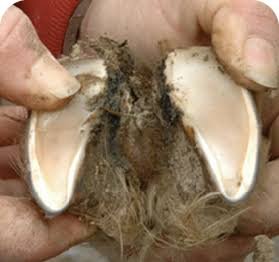
Foot rot is a contagious foot disease of sheep, caused mainly by a bacterium called Dichelobacter nodosus, working together with other bacteria that live in the soil and on the skin. It begins between the toes, where the skin becomes red, moist and inflamed, a stage often called scald. In the more serious form, the bacteria invade deeper, the horn of the hoof separates from the underlying tissue, and a foul-smelling, grey, moist discharge appears. Sheep become painfully lame, may graze on their knees, lose weight, produce less wool and milk, and lamb poorly. In bad outbreaks, a large part of the flock can go lame.
There are strains of the bacterium that cause mild disease and strains that cause severe, destructive disease. Because the signs can look similar, and other foot problems exist, a veterinarian can help tell scald, benign foot rot, virulent foot rot and other conditions apart. This matters, because the control program for virulent foot rot is stricter.
The bacterium survives well inside infected sheep feet, especially in carrier animals that look nearly normal. Outside the sheep, it survives for a limited time in soil and pasture, commonly measured in days to a few weeks depending on conditions, so ground that has been free of sheep for a while is much safer. Infection spreads fastest in warm, wet, muddy conditions, when the skin between the toes softens and the bacteria multiply. This is why outbreaks often follow rainy spells.
What most farmers get wrong
They bring in new sheep without quarantine. This is how many flocks first get infected. A sheep that looks fine can carry the bacteria in its feet. Mixing new animals into the flock immediately is the most common way to start an outbreak.
They treat only the obviously lame. Lame sheep are the tip of the iceberg. Many animals have early scald or hidden infection that spreads to the rest of the flock. Waiting until sheep are limping means the disease is already widespread.
They over-trim feet. Cutting deep into the hoof makes feet bleed, creates raw tissue for bacteria to enter, and can make things worse. Modern advice is to trim only loose, overgrown or damaged horn, and to avoid aggressive paring, particularly with a flock-wide routine.
They share dirty trimming tools. Using the same knife or shears on many feet without cleaning spreads bacteria from foot to foot.
They rely on one footbath and think it is finished. A footbath helps only when the solution is the right strength, the sheep stand in it long enough, the bath is kept clean, and the sheep then stand on dry, clean ground afterwards. A dirty, diluted bath does nothing, and a single dip rarely clears an established infection.
They keep chronic cases. Sheep that repeatedly relapse or carry infection keep re-seeding the flock. Keeping them out of sentiment or because they are good producers keeps the disease alive.
They put their faith in home remedies. Garlic, herbs, tea tree oil and similar remedies are popular, but there is little reliable evidence that they cure or prevent true foot rot, and relying on them while infected sheep suffer is cruel and costly.
They let sheep stand in mud. Gateways, feed troughs, water points and shelters that turn into mud pits are the ideal setting for foot rot.
Step-by-step: how to control foot rot in sheep
Step 1: Get the right diagnosis. Before you plan, find out what you have. Look at the feet of lame sheep in good light, with the sheep properly restrained. Scald shows as red, moist, inflamed skin between the toes without separation of the hoof. Foot rot shows separation of the horn from the tissue beneath, usually with a foul smell. Ask your veterinarian to examine the sheep and confirm the diagnosis, and, if available, to test for the type of bacteria involved. Other conditions, such as foot abscess, contagious ovine digital dermatitis, injuries or overgrown hooves, need different handling.
Step 2: Stop new infection coming in. Buy sheep from sources with a good foot health record, and ask about foot rot history. Inspect every foot of every new animal before it joins your flock. Keep new sheep separate, ideally for about three to four weeks, in a dry area, and examine their feet again before mixing. Do not borrow rams from flocks you do not know. Wash and disinfect trailers and equipment that have carried other sheep. Fence boundaries so that neighbors’ sheep cannot contact yours, as shared fence lines can spread infection.
Step 3: Inspect the whole flock and separate the sick. Catch the flock and check the feet of every sheep, not only the lame ones. Sort them into groups: clearly healthy, suspect or scald, and infected. Keep the groups on separate paddocks, and handle the healthy group first when you work with the sheep, so you do not carry bacteria from sick to healthy. Mark sheep so you can follow each one’s progress.
Step 4: Trim carefully and only as needed. Cut away overgrown, loose and damaged horn so that the foot can drain and heal and so that treatments reach the infected area, but do not cut into healthy tissue or make the foot bleed. Use sharp, clean shears. Disinfect the shears between animals, for example by dipping them in a suitable disinfectant, and discard any trimmings so that they do not litter the ground where healthy sheep walk. Trim infected sheep last, or in a separate area, so that you do not spread infection.
Step 5: Use a footbath correctly. Footbathing is the most useful hands-on tool for controlling foot rot and scald, especially as part of a program. Zinc sulfate solution is commonly used, often made up at around 10 percent, which means about 100 grams per liter of water, though you should follow the product label and the advice of your veterinarian. Some farmers use copper sulfate, but sheep are very sensitive to copper and the used solution can pollute soil and water, so it needs extra care. Formalin is sometimes mentioned in old advice, but it is hazardous to people and animals, and many places restrict it. Whichever you choose, set up the bath so that it is long enough and deep enough for sheep to stand in with all four feet, usually for about five to ten minutes or as directed. Use a bath with a dry, clean approach and a dry, hard standing area afterward so sheep can stand and let the solution dry on their feet for a while before returning to pasture. Replace the solution regularly, because it becomes contaminated with dirt and manure and loses strength. Dispose of used solution safely and legally, away from streams, wells and grazing areas.
Step 6: Treat sick sheep promptly and properly. For mild scald, footbathing and keeping feet dry often helps. For confirmed foot rot, your veterinarian may recommend treatments such as long-acting antibiotic injections, or topical treatments, along with trimming and isolation. Early treatment gives the best results. Follow the prescription and the withdrawal period precisely, and do not use antibiotics casually or without a diagnosis, because misuse harms animals and spreads resistance. Treated sheep should be kept in a clean, dry area and rechecked after a couple of weeks. Do not return them to the main flock until their feet are healthy.
Step 7: Reduce wet and muddy conditions. Since the bacteria thrive in moisture, make the environment drier wherever you can. Improve drainage in yards, gateways and lanes, use gravel or hardcore around feeders and troughs, and move feeding points often to avoid poaching. Fix leaking water troughs and pipes. Provide dry shelter and bedding for sheep at night or in wet weather. Avoid grazing sheep on low, boggy fields in wet seasons. Where possible, plan your grazing so that wet areas are used in dry periods.
Step 8: Rest and rotate pasture. Because the bacteria survive for a limited time away from sheep, resting paddocks helps. After infected sheep have grazed an area, keep it free of sheep for at least several weeks, longer in cool, wet weather, before bringing healthy sheep back. Avoid overstocking, which increases contamination and mud. Graze healthy groups on clean ground first, with infected groups following on the poorer, drier or less critical paddocks.
Step 9: Consider vaccination. Foot rot vaccines are available in some countries, and they can reduce the severity and spread of disease when used as part of a program, especially in flocks with recurring problems. They work against particular types of the bacterium, so ask your veterinarian whether a vaccine matches the strains in your area. Vaccination alone will not clean up a flock, but combined with trimming, footbathing and culling it can help.
Step 10: Cull chronic and repeat cases. Sheep that keep relapsing, or that carry deep infection that does not clear after proper treatment, are a permanent source of reinfection. Culling them is one of the most effective long-term controls, and it improves the resistance of your flock because susceptibility to foot rot is partly inherited. Keep replacements from animals with strong feet and a clean history, and choose rams with sound feet. Over several years, selecting for foot health makes a measurable difference.
Step 11: Keep records and inspect regularly. Record which sheep were lame, when, what treatment they got, and how they responded. Inspect the feet of the flock at key times, such as before mating, before lambing and after wet spells, and walk the flock regularly to watch for limping. Early action when you see the first signs saves a lot of trouble.
Step 12: Keep other livestock in mind. Foot problems in goats and cattle can sometimes overlap with sheep. Ask your veterinarian about the risk of cross-infection and manage shared pastures sensibly.
Warning signs to watch for
Look for sheep that limp, hang back from the flock, graze on their knees or hold a foot off the ground. Check for redness, swelling and moist skin between the toes, a foul smell, grey or white discharge, loose or separated hoof horn, and hoof walls that look undermined. Notice weight loss, poor body condition and reduced milk. A rainy, muddy spell, new sheep arriving, or overcrowded wet yards are warning conditions to be extra alert.
What I would do differently if I were starting again today
I would make quarantine non-negotiable, no matter how good the sheep looked or how friendly the seller was. I would build a dry, hard standing area and a proper footbath at the handling yard before I needed them, instead of improvising in the middle of an outbreak. I would learn to trim lightly and clean my tools between animals, and I would cull chronic cases much sooner than I did. I would also ask a veterinarian to diagnose the type of foot rot I had, instead of guessing, and I would keep clear records of every treated sheep. And I would never again believe that a home remedy could replace dry ground and clean feet.
Foot rot is a disease of wet places and mixed-up flocks. The farmers who keep their feet dry, their newcomers apart and their records honest are the ones who keep the disease out.
FAQ
What causes foot rot in sheep?
It is caused mainly by the bacterium Dichelobacter nodosus, working with other bacteria, in warm, wet, muddy conditions. It spreads from infected feet to pasture and other sheep, and carriers can bring it into a clean flock.
What are the signs of foot rot?
Sheep become lame, may kneel to graze, and show redness and moisture between the toes, with a foul smell and separation of the hoof horn in more serious cases.
Can foot rot be controlled without antibiotics?
Management, including quarantine, drier ground, careful trimming, footbathing, pasture rest and culling of chronic cases, can control much of the disease and reduce the need for medicine. However, confirmed severe cases often need veterinary treatment, and home remedies are not reliable substitutes.
What is the best footbath for sheep?
Zinc sulfate solution is commonly used, and your veterinarian or product label will give the correct strength and contact time. Copper sulfate carries risks for sheep and the environment, and formalin is hazardous, so take professional advice and dispose of used solutions safely.
How long do foot rot bacteria survive in pasture?
They survive for a limited time away from sheep, generally days to a few weeks depending on conditions. Resting paddocks for several weeks helps reduce the risk, longer in cool, wet weather.
Bookmark this
Keep the ground dry, keep the newcomers apart, and keep the chronic cases out of the breeding flock, and foot rot has nowhere to hide.