How to Fix Poor Weight Gain in Goats
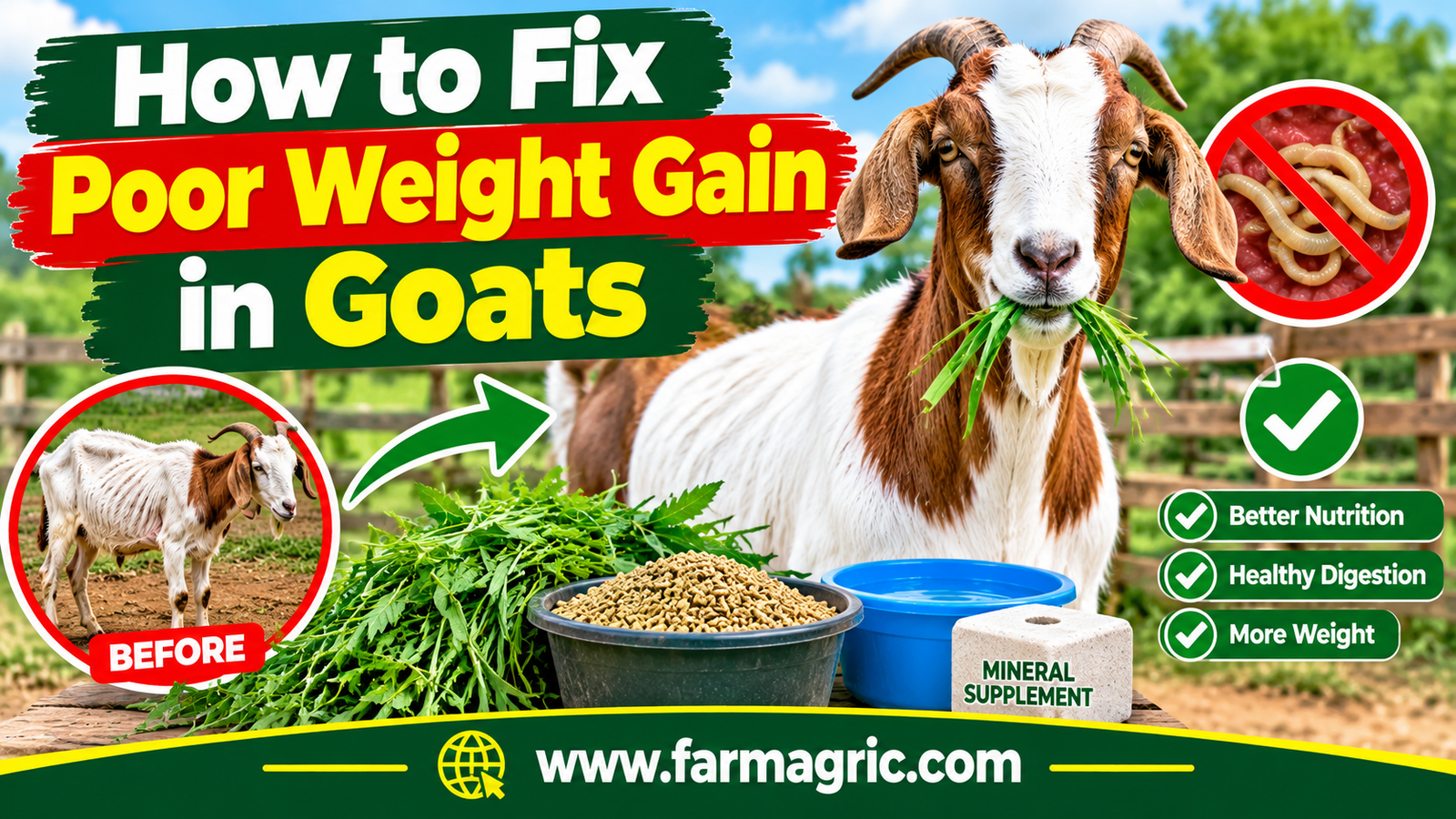
A goat that is eating what appears to be a normal, adequate amount of feed but still shows poor body condition and slow weight gain over several weeks points toward a problem beyond simple feed quantity, most commonly parasites, mineral deficiency, or a health issue reducing proper nutrient absorption despite normal intake. A pale inner lower eyelid, checked through FAMACHA scoring, in an underperforming animal strongly suggests parasite-related blood loss is a significant contributing factor to that animal’s poor growth and should prompt prompt, appropriately dosed treatment. A specific animal that is consistently pushed away from the feed trough by more dominant herdmates, observed directly during a normal feeding period, indicates that social competition rather than total feed availability is likely limiting that individual’s actual intake. Rough, dull coat condition combined with poor weight gain, even in an animal eating what appears to be adequate feed, can point toward a mineral deficiency affecting both coat quality and growth performance simultaneously. And difficulty chewing, dropping feed from the mouth, or noticeable reluctance to eat harder feed types, particularly in an older animal, suggests a dental problem worth checking directly rather than assuming reduced intake reflects a simple lack of appetite.
Why are my goats not gaining weight even though I give them plenty of feed? Poor weight gain despite adequate feed volume is commonly caused by internal parasites limiting nutrient absorption, a ration that does not actually match the animal’s specific protein and energy needs, mineral deficiencies, dental problems reducing actual intake, or social competition at the feeder that leaves certain animals with considerably less real access to feed than the group’s total supply suggests.
Can worms really cause poor weight gain even if my goats look otherwise healthy? Yes, a meaningful internal parasite burden can consume a significant share of an animal’s nutritional intake and damage gut lining well before more dramatic, obvious symptoms develop, which is why checking FAMACHA eyelid scores or fecal egg counts should be an early step when investigating poor weight gain rather than something considered only after ruling out other causes first.
How do I know if my goat feed is missing something nutritionally important? Comparing your current ration’s protein and energy content against the specific requirements for your animals’ actual growth stage, whether that is a rapidly growing kid, a lactating doe, or another category, and consulting regional livestock extension guidance on local mineral deficiencies common to your soil and forage, helps identify whether a genuine nutritional gap exists rather than simply assuming a ration that looks adequate by volume is also adequate in composition.
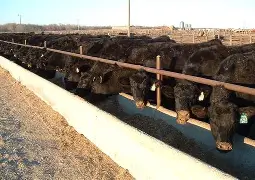
Can other goats really stop one animal from getting enough to eat even with plenty of feed available? Yes, more dominant or assertive goats frequently push timid or lower-ranking herdmates away from feed access, meaning a particular individual animal can have considerably less actual feed intake than the group’s total available feed would suggest, making direct observation of feeding behavior an important step in diagnosing poor weight gain in specific animals.
How long does it take to see improvement after fixing the cause of poor weight gain? Improvement timelines vary depending on the specific cause, but animals where parasite treatment was the primary limiting factor often show meaningful improvement within a few weeks, while correcting a nutritional or mineral deficiency may take somewhat longer to show up clearly in regular weight tracking, making consistent weighing over several weeks important for confirming whether your intervention is genuinely working.
If there is one thing I want you to remember from all this, it is that a goat not gaining weight despite plenty of feed in front of it is not asking for more feed, it is asking you to find out what is actually standing between that feed and its growth, so check the parasites, check the minerals, check the ration’s actual composition, and watch who gets pushed away from the trough, because the disappointing weigh-in that taught me this lesson was never really about how much I was feeding, it was about how much of what I fed was actually reaching the goats that needed it most.