How to Stop Rabbits From Refusing to Eat
How to Stop Rabbits From Refusing to Eat
The morning I found a full bowl of pellets and a doe sitting hunched in the corner of her hutch, I did what most beginners do. I left her alone for the day, assuming she was just not hungry. By the next morning she was cold to the touch and her belly was swollen and hard. I lost her within hours. A rabbit that stops eating is not being fussy. It is sending the loudest signal it has, and I did not know how to hear it.
Here is the direct answer. A rabbit that refuses to eat is a medical warning, not a mood, and you should treat it as urgent. A rabbit’s gut must keep moving all the time, and when a rabbit stops eating, the gut can slow down or stop, which can become life-threatening within a day or two. The most common causes are heat, stress, dental problems, a blocked or sluggish gut, disease, a sudden change of feed, spoiled feed, poor water, and pain. Your job is to check the rabbit quickly, remove the cause you can find, encourage eating gently, and call a vet the same day if the rabbit has not eaten and passed droppings within about twelve hours or looks unwell. Waiting to see what happens is the most expensive mistake in rabbit keeping.
Let me walk you through what to check, what you can safely do, and what to leave to a vet.
What most farmers get wrong
The first mistake is waiting. Rabbits hide illness well, and by the time a rabbit looks obviously sick, it may be very ill. A rabbit that stops eating can deteriorate quickly, because the gut slows, gas builds up, and the animal may go into shock.
The second mistake is assuming the rabbit is just picky. Healthy rabbits eat almost constantly. A rabbit that ignores its favourite food is not being difficult. Something is wrong.
The third mistake is giving human remedies. Medicines, laxatives, oils, and home treatments meant for people or other animals can poison or harm rabbits. Some common antibiotics are dangerous for rabbits because they disturb the gut bacteria, and can kill them.
The fourth mistake is force-feeding without knowing how. Pushing food or liquid down a rabbit’s throat can send it into the lungs, and can also make a blocked gut worse. Syringe feeding is a skill that a vet should show you.
The fifth mistake is changing the diet suddenly. Switching feed, introducing a lot of fresh greens at once, or giving sugary or starchy treats can upset the gut and cause loss of appetite and bloat.
The sixth mistake is ignoring the droppings. Droppings tell you what is going on inside. Few, small, dry, or no droppings means the gut is slowing down. Soft, smelly, or runny droppings mean a different problem.
Why a rabbit’s gut is so fragile
A rabbit is a grazing animal built to eat a lot of fibre. Its gut relies on a constant flow of fibrous food to keep muscle contractions going and the helpful bacteria in balance. When a rabbit eats too little fibre, or stops eating altogether, the gut can slow down, a condition vets call gastrointestinal stasis. Harmful bacteria can multiply, gas builds up, and the rabbit feels painful and bloated, so it eats even less. It becomes a downward spiral that can kill.
This is why a loss of appetite in a rabbit is never trivial. Even if the original cause is minor, the gut problem that follows can be serious.
Common reasons rabbits stop eating
Heat stress. Rabbits are very sensitive to heat, and often stop eating when it gets too hot. If the hutch is baking, ventilation is poor, or water is warm, appetite drops fast. Cool the rabbit and the hutch first. See my guide on managing rabbits in hot weather for detail.
Stress and fright. Loud noise, dogs, predators, rough handling, moving the hutch, new rabbits, or overcrowding can put a rabbit off its feed. Rabbits are prey animals, and fear can shut down the appetite.
Dental problems. A rabbit’s teeth grow constantly throughout its life. If the teeth are misaligned, overgrown, or sharp, chewing becomes painful, and the rabbit may stop eating or drop food from its mouth. Signs include drooling, wet chin or chest, weight loss, dropping food, and a preference for soft food. A vet can examine and correct teeth. Provide plenty of hay and fibrous material, which helps wear teeth down naturally.
Gut blockage or slowdown. A lack of fibre, hairballs (rabbits swallow a lot of fur, especially when moulting), ingested bedding or other material, dehydration, and pain can slow or block the gut. Signs include a swollen, hard or gassy belly, small or no droppings, hunched posture, grinding teeth, and lethargy. This is an emergency.
Diet problems. Too many pellets and not enough hay, too many starchy or sugary treats, sudden changes of feed, mouldy or stale food, and wet or fermenting greens can upset the gut and put rabbits off their food. Make sure feed is fresh, clean, and appropriate.
Water problems. A blocked bottle, dirty or warm water, or a rabbit that does not know how to use a new drinker can lead to dehydration and loss of appetite. A rabbit that is not drinking will soon stop eating.
Infections and disease. Many illnesses cause loss of appetite, including respiratory infections (snuffles), ear infections, abscesses, parasites, coccidiosis, worms, and serious viral diseases. Look for sneezing, nasal discharge, head tilt, diarrhoea, swollen lumps, fever, and lethargy. A rabbit that is very ill needs a vet at once.
Pain. Injury, sore hocks, arthritis, urinary problems, and internal pain can all reduce appetite. A rabbit in pain may sit hunched, hide, grind its teeth loudly, or resist being touched.
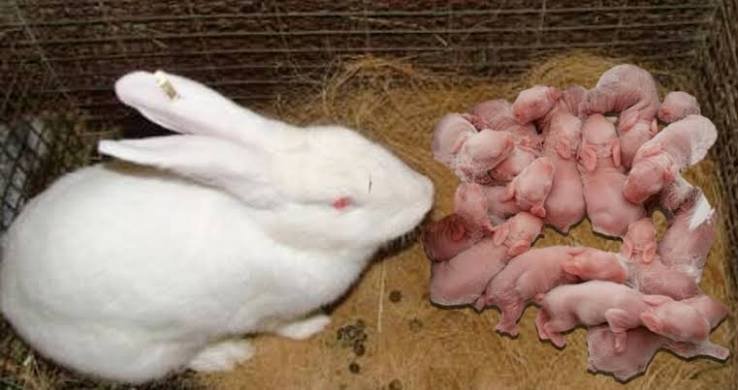
Breeding and kindling. Pregnant does near kindling may eat less, and does may refuse food after giving birth if they are stressed or unwell. A doe who stops eating around kindling needs a close look, as it can indicate a serious problem.
Boredom and environment. A rabbit kept alone in a small, dull hutch, or one with a bad smell from dirty bedding or ammonia, may lose interest in food. Clean, spacious housing and gentle routine matter.
Old age and other conditions. Older rabbits may have dental disease, kidney problems, or other conditions that reduce appetite. A vet can investigate.
What to check right away
Pick the rabbit up gently and look it over calmly. Do these checks in a quiet, cool place.
Check its general condition. Is it alert and responsive, or dull, hunched, and unwilling to move? A bright, active rabbit that skipped one meal is in a different situation from a limp one.
Feel its belly gently. A swollen, tight, or gassy belly, or a very hard lump, is a danger sign. A belly that makes no gurgling sounds when you hold your ear near it is also worrying.
Check its droppings. Are there any in the hutch? Are they normal in size, round, and plentiful, or small, dry, misshapen, or absent? Are they linked together with hair? Are they soft, pasty, or watery? Normal healthy droppings are round, firm, and plentiful.
Check its mouth and teeth. Look at the front teeth and, as far as you can, at the cheek area. Check for drooling, a wet chin, or sore areas. Check for dropped food around the bowl.
Check its eyes, nose, and ears. Look for discharge, sneezing, laboured breathing, head tilt, or ear problems.
Check its temperature. If you have been shown how, take its temperature with a rectal thermometer, or at least feel whether it seems very hot or cold. Rabbits that are cold, with cold ears and body, are in serious trouble.
Check its skin and feet. Look for wounds, lumps, parasites, and sore hocks.
Check the environment. Is the hutch too hot, damp, dirty, or smelly? Is the water working and clean? Is the feed fresh? Has anything changed recently, such as new feed, new rabbits, loud noises, or moving?
What you can safely do while you arrange help
Remove the cause where you can. If the rabbit is hot, cool it gently and get it into the shade. If the feed is stale or mouldy, replace it with fresh. If the water is bad, give clean cool water. If there is a stressor, such as a dog or loud noise, remove it.
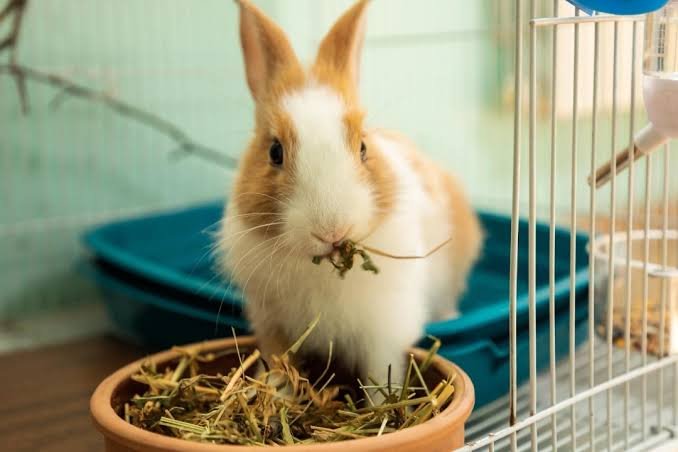
Offer the rabbit tempting, safe foods. Fresh, clean hay is the first choice, since fibre is what the gut needs. Many rabbits will nibble fresh, washed, leafy greens or herbs they like, in small amounts. Offer water. Keep the rabbit warm, calm, and quiet. Do not crowd it.
Gentle belly massage is sometimes recommended for gassy rabbits, but done wrongly it can hurt a rabbit with a blockage. Ask your vet to show you before trying it.
Encourage gentle movement if the rabbit is willing, as this can stimulate the gut, but do not force an unwell rabbit to run.
Do not give any medicine, laxative, oil, painkiller, or antibiotic unless a vet has told you to. Many are dangerous for rabbits. Do not force-feed unless a vet has shown you the correct method and food.
Keep a record of what you see and when: the last time it ate, the last droppings, the symptoms, any changes. This helps the vet.
When to call a vet
Call a vet the same day if a rabbit has not eaten for about twelve hours, if it has stopped passing droppings or passes very few, if it has a swollen or hard belly, if it is hunched, cold, lethargic, or in pain, if it is drooling, has trouble breathing, has diarrhoea, or is having convulsions, or if it is a doe around kindling and she stops eating. If you cannot reach a vet, contact your livestock officer or an experienced rabbit breeder for advice, and do not wait a day to see.
Vets can examine the teeth, give pain relief, fluids, and gut-moving drugs when appropriate, treat infections, and show you how to syringe-feed safely. Early treatment greatly improves the chances of recovery.
Preventing appetite problems
The best treatment is prevention.
Feed plenty of hay. Good-quality hay or dried grass should make up the biggest part of the diet. It supports gut movement and wears down teeth. Make sure it is clean, dry, and never mouldy.
Feed pellets sensibly. Pellets are useful but should not replace hay. Overfeeding pellets and underfeeding fibre is a common cause of gut trouble. Ask your livestock officer for the right balance for your rabbits.
Introduce changes slowly. When you change feed or add greens, do so over a week or more, in small amounts. Avoid sugary and starchy treats.
Keep feed and water fresh and clean. Remove uneaten wet greens and wash bowls and bottles often. Check water bottles daily to ensure they work.
Keep rabbits cool and calm. Provide shade, ventilation, and a quiet environment. Protect them from predators, dogs, and loud noise.
Groom and manage moulting. Brush long-haired breeds and during moulting to reduce swallowed fur.
Check teeth regularly. Look at the front teeth, and watch for drooling or dropped food. Ask a vet to check teeth if you see problems.
Provide space and enrichment. Give rabbits room to move and things to gnaw, such as safe wood or hay. Keep housing clean and dry.
Watch the droppings and appetite daily. Make it a habit to look at every rabbit’s food bowl and droppings each day. It takes seconds and may save a life.
Quarantine new rabbits. Keep new animals separate for a few weeks, and watch them for illness.
Warning signs to watch for
I stay alert for uneaten food, a hunched or sitting-apart rabbit, a swollen belly, few or no droppings, small, dry, or misshapen droppings, diarrhoea, drooling, teeth grinding, sneezing or nasal discharge, rapid or laboured breathing, lethargy, a cold body, loss of weight, and any sudden change in behaviour. Any of these means look closely and act the same day.
What I would do differently if I started today
I would check every rabbit’s bowl and droppings twice a day, every day.
I would never wait more than a few hours before taking a non-eating rabbit seriously.
I would make hay the foundation of every diet.
I would find a vet who treats rabbits before I needed one.
I would learn how to syringe-feed from a vet, so that I was prepared.
And I would keep the hutches cool and quiet, because stress and heat caused most of my early losses.
Frequently asked questions
Why is my rabbit not eating or pooping?
This can be a sign of gut stasis or blockage, which is an emergency. Check for a swollen belly, pain, or lethargy, and contact a vet the same day.
How long can a rabbit go without eating?
Not long. A rabbit that has stopped eating for even half a day can already be in trouble, because its gut needs constant food. Act early.
Can I force-feed a rabbit that will not eat?
Only if a vet has shown you how and what to use. Wrong methods can cause choking, lung damage, or worsen a blockage.
Is it normal for a rabbit to stop eating in hot weather?
Reduced appetite is common in heat, but it is also dangerous. Cool the rabbit and the hutch, offer cool water, and call a vet if it does not start eating soon.
What should I feed a rabbit that has lost its appetite?
Offer fresh hay, clean water, and small amounts of fresh greens it likes. Avoid sugary or starchy treats. Ask your vet for advice before using any other feed or supplement.
The advice worth bookmarking
A rabbit that stops eating is already in trouble, so do not wait for it to look sick, check the belly and the droppings, remove the cause you can find, and get help the same day, because a rabbit’s gut does not give second chances.