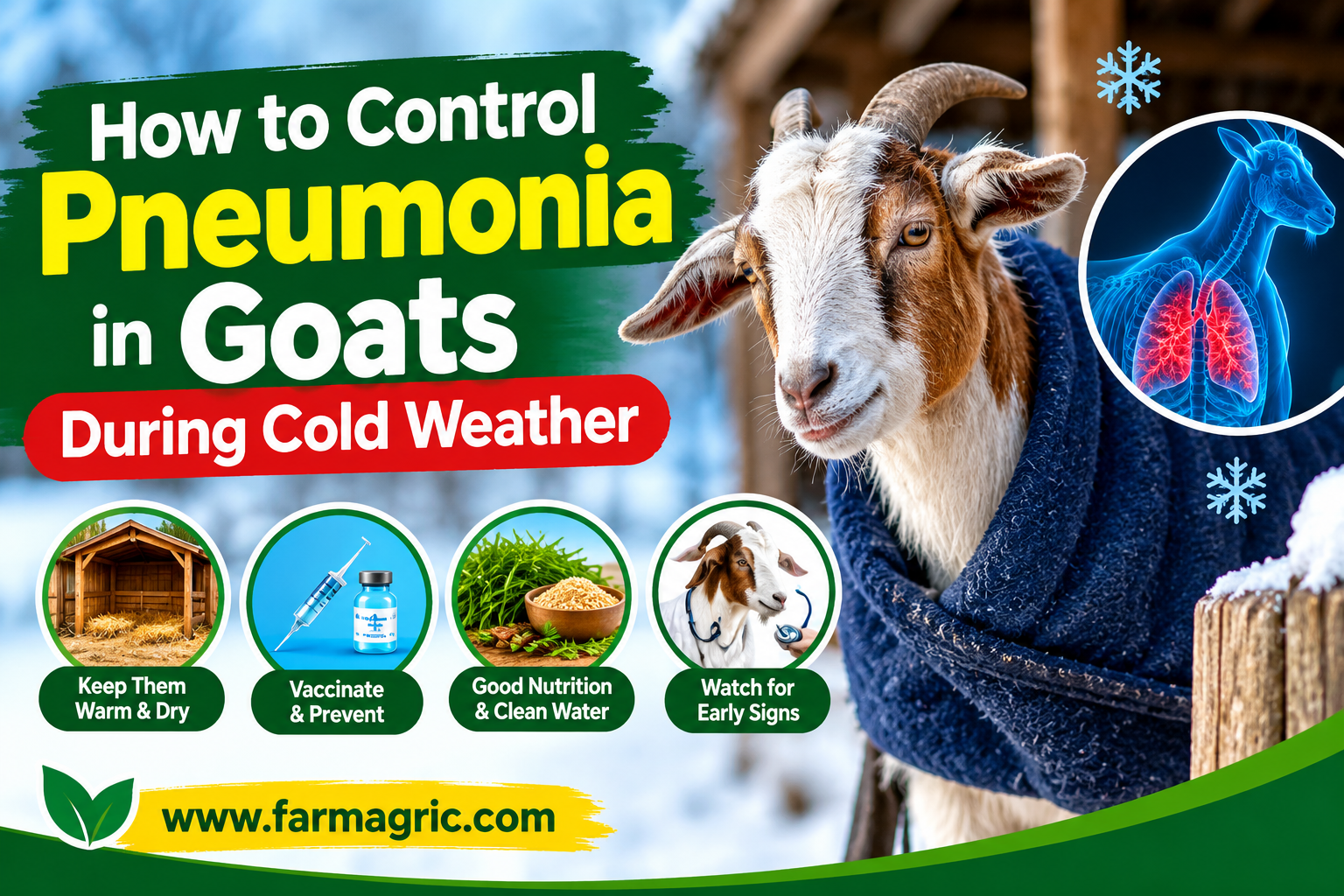
How to Control Pneumonia in Goats During Cold Weather
How to Control Pneumonia in Goats During Cold Weather: A Farmer’s Guide to Protecting Lungs Before the Cough Ever Starts
I remember losing a kid to pneumonia during an unusually cold, wet spell that caught me off guard, a kid that had seemed fine at evening check and was found the next morning breathing with an effort I had never seen in a healthy animal, weak and unwilling to get up. That loss happened during a stretch of weather I had genuinely underestimated, cold nights combined with a draft I had not properly sealed in the kid pen, and it taught me that pneumonia in goats is rarely just about cold temperature alone, it is almost always cold combined with dampness, poor ventilation, or stress working together against an animal whose respiratory system simply cannot handle that combination for very long before something gives way. Since that loss I have treated cold weather housing as seriously as I treat any other major health decision on the farm, because I learned the hard way that by the time a goat is coughing audibly or breathing with visible effort, the infection has usually already progressed considerably further than the first signs would suggest.
So let me answer you straight, because I know cold weather is here or coming and you are trying to protect your herd from the respiratory problems that come with it. You control pneumonia in goats during cold weather mainly by providing dry, well-ventilated, draft-free shelter that still allows adequate airflow, avoiding sudden temperature swings and chilling from wet weather or damp bedding, reducing stress from overcrowding, transport, or sudden diet change during cold periods, ensuring adequate nutrition to support immune function through the cold season, and monitoring closely for early respiratory signs so treatment can begin before the infection progresses to a dangerous stage. Pneumonia in goats is very rarely caused by cold temperature acting alone, it is almost always the product of cold combined with dampness, stress, poor ventilation, or an already weakened immune system, which means your real prevention strategy has to address that whole combination of factors rather than simply trying to keep goats warmer.
Why Cold Alone Rarely Causes Pneumonia, But Cold Combined With Other Stress Often Does
Goats are genuinely capable of tolerating fairly cold temperatures on their own, provided they have a dry coat, adequate nutrition, and shelter from wind and direct precipitation, which is exactly why pneumonia outbreaks during cold weather are so often misunderstood as simply a temperature problem when the real underlying cause is usually a combination of factors working together. Dampness is particularly dangerous because wet hair loses its insulating ability dramatically, meaning a goat that is wet from rain or from standing in damp, poorly drained housing loses body heat far faster than a dry goat in the same ambient temperature, creating genuine cold stress even in conditions that would be entirely tolerable for a dry animal. Poor ventilation compounds this risk considerably, since a tightly sealed, poorly ventilated shelter meant to keep goats warm often traps humidity and ammonia from accumulated waste, creating an environment that actually irritates and weakens the respiratory tract rather than protecting it, leaving goats more vulnerable to the bacterial and viral pathogens responsible for pneumonia rather than less. Stress from overcrowding, transport, sudden ration changes, or other disruptions further weakens immune function at exactly the time of year when goats most need their immune system working at full capacity, which is why pneumonia outbreaks so often cluster around specific stressful events happening during cold, damp weather rather than simply tracking temperature alone.
What Most Farmers Get Wrong
The first mistake, the one behind my own difficult loss, is focusing heavily on keeping goats warm through sealed, tightly closed housing without giving equal thought to ventilation, not recognizing that a shelter closed up tightly enough to trap warmth often also traps dangerous levels of humidity and ammonia that directly damage the respiratory tract and increase pneumonia risk rather than reducing it.
The second mistake is not managing dampness specifically, allowing bedding to become wet and soiled without adequate changing, or failing to provide shelter that genuinely protects goats from rain and wind-driven precipitation, not recognizing how much faster a wet goat loses body heat compared to a dry one even at the exact same ambient air temperature.
The third mistake is underestimating stress as a contributing factor during cold weather specifically, continuing with routine practices like transport, weaning, or sudden ration changes during cold, damp periods without recognizing that combining these stressors with cold weather considerably increases pneumonia risk compared to managing the same events during milder conditions.
The fourth mistake is not adjusting nutrition to support the increased energy demands of cold weather, not recognizing that goats working harder to maintain body temperature during cold periods have genuinely elevated nutritional needs, and inadequate nutrition during this period can weaken immune function at exactly the time it is needed most.
The fifth mistake is waiting for an obvious, loud cough before taking any action, when by the time coughing is clearly audible and consistent, the underlying infection has often already progressed considerably further than the earlier, more subtle signs that a closer, more attentive observer would have caught several days earlier.
Step-by-Step Plan to Control Pneumonia in Goats During Cold Weather
Provide shelter that is genuinely dry and protected from wind and direct rain or snow, while still allowing adequate airflow and ventilation, avoiding the common mistake of sealing housing up so tightly that humidity and ammonia accumulate, since the goal is blocking drafts and precipitation specifically rather than eliminating air exchange entirely.
Position housing and bedding areas to avoid standing water or poor drainage, ensuring that any area where goats rest and sleep stays genuinely dry even during wet weather, since damp bedding beneath a goat works against body heat retention just as effectively as rain falling directly on its coat.
Change bedding regularly, particularly during wet weather stretches, adding fresh, dry material as needed to maintain a consistently dry resting surface, since accumulated moisture in bedding both chills goats directly and creates the kind of damp, ammonia-laden environment that irritates and weakens the respiratory tract over time.
Ensure adequate ventilation in enclosed housing, allowing stale, humid air and ammonia to exchange with fresh air from outside even while blocking direct drafts at animal height, since a shelter that smells strongly of ammonia or feels notably humid and stuffy inside is providing poor respiratory conditions regardless of how warm it feels.
Avoid overcrowding housing during cold weather, providing adequate space per animal even when the temptation to pack goats more tightly together for warmth is strong, since overcrowded housing both increases humidity and ammonia buildup and increases disease transmission between animals in close, prolonged contact.
Adjust nutrition to account for the increased energy demands of cold weather, providing adequate quality roughage and appropriate supplementation to support the higher caloric needs goats experience while working to maintain body temperature during cold periods, since inadequate nutrition during this time can directly weaken immune function.
Minimize additional stressors during particularly cold or wet weather stretches where practical, scheduling events like transport, weaning, or significant ration changes for milder periods when possible, recognizing that combining these stressors with cold weather considerably increases vulnerability to respiratory illness compared to managing the same events during better conditions.
Ensure young, old, and thin animals in particular have access to additional shelter or protection during cold weather, since these groups are generally more vulnerable to cold stress and pneumonia than mature, well-conditioned animals, and may benefit from extra bedding, a more protected location within the housing, or supplemental feeding to support their specific needs.
Monitor water access closely during cold weather, since goats sometimes reduce water intake when it is very cold, and inadequate hydration can affect overall health and immune function, making it worthwhile to check that water sources have not frozen or become otherwise inaccessible during particularly cold periods.
Scout the herd closely and regularly during cold, damp weather specifically, watching for early signs of respiratory distress such as a slight increase in respiratory rate, mild, occasional coughing, nasal discharge, or reduced interest in feed, rather than waiting for an obvious, persistent cough to appear before taking any action.
Isolate any animal showing even early respiratory signs promptly, separating it from the main herd into a warmer, drier, well-ventilated space, since prompt isolation both supports that animal’s recovery and reduces the chance of a respiratory pathogen spreading further through the herd during a period when conditions already favor its transmission.
Consult a veterinary or livestock extension officer promptly when respiratory signs are identified, since appropriate antibiotic or supportive treatment started early, while an infection is still in its earlier stages, considerably improves outcomes compared to treatment started only after the condition has progressed to severe, obvious distress.
Consider vaccination options appropriate for your region and the specific respiratory pathogens known to be a risk locally, consulting veterinary guidance on what vaccines may be available and beneficial for your particular herd and climate conditions.
Keep records of any pneumonia cases, including weather conditions, housing details, and any recent stress events around the time of illness, since this record helps you identify specific patterns relevant to your own operation, informing more targeted improvements to housing, ventilation, or management timing in future cold seasons.
Warning Signs to Watch For
A slight increase in respiratory rate or effort, noticeable mainly through closer observation rather than being dramatically obvious at a glance, is often one of the earliest available signs of developing respiratory trouble, and catching this early, before more obvious symptoms appear, gives considerably more opportunity for successful treatment. Occasional, mild coughing, particularly if it appears to be increasing in frequency over a few days, deserves closer attention rather than being dismissed as a minor, inconsequential symptom, since this early coughing often precedes more severe, persistent coughing by several days. Nasal discharge, whether clear, cloudy, or thicker and more colored, indicates respiratory irritation or infection and should prompt closer monitoring of that specific animal’s overall condition and behavior. Reduced interest in feed combined with a generally dull, less active demeanor, particularly in a goat that has been exposed to cold, damp conditions recently, can indicate the early stages of illness before more specific respiratory signs become fully obvious. And labored, open-mouth breathing, a notably extended neck posture while breathing, or a goat that is reluctant to move and stands separated from the herd represent more advanced, serious signs requiring immediate veterinary attention rather than continued observation alone.
What I’d Do Differently If Starting Again Today
If I were starting over, I would check my housing specifically for drafts at goat height and for adequate ventilation rather than focusing primarily on how warm and tightly sealed I could make the shelter feel, since I now understand how much that trapped humidity and ammonia was likely working against me during exactly the kind of cold, wet stretch that cost me that kid. I would change bedding far more proactively during wet weather rather than waiting until it looked obviously soiled, understanding now how much a damp resting surface undermines a goat’s ability to stay warm even in an otherwise adequately sheltered space. I would schedule stressful events like weaning or transport away from the coldest, wettest stretches of the year wherever my planning allowed for that flexibility, rather than treating the calendar for those tasks as fixed regardless of weather. I would watch for the earlier, subtler signs of respiratory trouble far more closely during cold weather specifically, rather than only reacting once a cough had become obvious and persistent. And I would never again underestimate how much a combination of cold, dampness, and an unsealed draft could do to a young, vulnerable kid in a single difficult night, since that loss taught me that pneumonia prevention during cold weather is really about managing several factors together rather than focusing on temperature alone.
Frequently Asked Questions About Controlling Pneumonia in Goats During Cold Weather
Does cold weather alone cause pneumonia in goats? Not usually on its own, since goats can tolerate fairly cold temperatures reasonably well provided they stay dry and well-fed, but cold combined with dampness, poor ventilation, overcrowding, or additional stress considerably increases pneumonia risk, which is why effective prevention addresses this whole combination of factors rather than focusing on temperature alone.
Why does sealing goat housing too tightly for warmth sometimes make pneumonia worse? A shelter closed up tightly enough to trap warmth often also traps humidity and ammonia from accumulated waste, and this damp, ammonia-laden air directly irritates and weakens the respiratory tract, making goats more vulnerable to the pathogens responsible for pneumonia rather than protecting them, which is why adequate ventilation matters just as much as warmth and draft protection.
What are the earliest signs of pneumonia in goats? A slight increase in respiratory rate or effort, occasional mild coughing, nasal discharge, and reduced interest in feed combined with a generally dull demeanor are often the earliest available signs, typically appearing several days before the more obvious, persistent coughing and labored breathing that many farmers associate with pneumonia.
Should I change my goats’ diet during cold weather to help prevent pneumonia? Yes, goats have genuinely increased energy needs during cold weather as they work to maintain body temperature, and ensuring adequate quality roughage and appropriate supplementation during this period supports the immune function needed to resist respiratory illness, making nutrition a meaningful part of cold weather pneumonia prevention rather than a separate consideration.
How quickly should I act if I notice early respiratory signs in a goat during cold weather? As promptly as possible, since treatment started early, while an infection is still in its earlier stages, considerably improves outcomes compared to waiting until symptoms become severe and obvious, making prompt isolation of the affected animal and quick veterinary consultation important steps rather than something to delay while waiting to see if symptoms worsen.
If there is one thing I want you to remember from all this, it is that pneumonia during cold weather is rarely about cold alone, it is about cold working together with dampness, poor air, and stress to overwhelm a respiratory system that could have handled any one of those factors on its own, so keep your shelter dry rather than just sealed, keep the air moving rather than just warm, and watch for that first quiet cough rather than waiting for the obvious one, because the kid I lost that difficult night was never beaten by the cold temperature alone, he was beaten by a draft and a dampness I had not yet learned to take as seriously as I should have.