How to Improve Weight Gain in Beef Cattle
How to Improve Weight Gain in Beef Cattle
For three seasons running, I sold my steers at the same weight, and every year I told myself the market was to blame. The market was fine. My steers were simply taking an extra eight months to reach a weight that well-managed animals reach much sooner, and every one of those extra months was costing me feed, labour, and risk. When I finally sat down with a notebook and a weighing scale, the leaks were obvious, and almost all of them were mine.
Here is the direct answer. Beef cattle gain weight well when five things line up: the animal’s genetics suit your conditions, the feed supplies enough energy and protein year-round, clean water is always available, parasites and disease are kept under control, and stress is kept low. Most farmers have one or two of these right and lose weight gain on the rest. Find your weakest link and fix that first, because adding more feed to an animal that is full of worms or short of water is money thrown away.
Let me walk you through how I manage it now.
What most farmers get wrong
The first mistake is thinking weight gain is only a feed problem. Feed matters most, but a worm-ridden, tick-infested, thirsty, or stressed animal turns the same feed into far less weight.
The second mistake is not weighing. Many farmers judge condition by eye and guess weights. Eyes are poor tools, and an animal that has stalled for a month can look fine. A weighing scale, or at least a weigh tape that estimates weight from the chest girth, tells you the truth. You cannot improve what you do not measure.
The third mistake is mixing all ages and sizes in one group. Big animals push the small ones off the feed and water, and the small ones never catch up. Sorting by size and age lets you feed each group properly.
The fourth mistake is ignoring the dry season. Most cattle in tropical and semi-arid regions gain well in the rains and then stall or lose weight in the dry season. If an animal loses in the dry season what it gained in the wet, you are running on a treadmill. The money is made by stopping the slide.
The fifth mistake is selling at the wrong time. Holding animals past the point where they gain efficiently, or selling lean animals into a weak market because you ran out of feed, both cost you.
Start with the right animal
Genetics set the ceiling. Some breeds and lines grow faster and finish heavier than others, but the fastest growers are not always the best for your farm. Fast-growing exotic breeds need better feed, more water, and more careful tick and disease control. Hardy local and zebu-type breeds cope with heat, ticks, and poor grass, but grow more slowly. Crossing the two often gives a practical balance, with better growth than the local breed and better hardiness than the pure exotic.
Choose bulls with care, because a bull contributes half the genetics of every calf. Look for good growth records, sound feet and legs, a good temperament, and fertility. If you can, check weaning and yearling weights of the bull’s relatives. Keep records of your own cows too, and breed from those whose calves consistently grow well. Cull cows that wean light calves year after year.
Start with healthy calves. A calf that gets enough colostrum in the first hours, good milk from a well-fed mother, and a clean environment grows faster and stays ahead for life. Weaning weight is one of the best predictors of later performance.
Feeding for gain
Cattle need energy first, then protein, then minerals and vitamins, and water above all. Here is how I think about each.
Pasture is the base. For most beef farmers, good pasture is the cheapest feed. Manage it well. Graze at the right stage, when the grass is young and leafy, before it turns stemmy and loses protein. Avoid overgrazing, which weakens the grass and cuts intake, and avoid undergrazing, which lets grass go rank. Rotate animals between paddocks to give the grass a rest. Improved pasture grasses and legumes grow more and last longer than natural veld. Ask your extension officer which species suit your soil and rainfall.
Fill the dry season gap. This is where the money is. Make hay and silage while the grass is plentiful, store crop residues, and plant fodder trees and shrubs for protein. In the dry season, supplement with a protein source when the grass turns to straw. Protein helps the rumen microbes digest dry roughage, so the animal eats more and gets more out of it. Common protein sources include oilseed cakes such as cottonseed or groundnut cake, and legume hay. Energy supplements like molasses or cereal bran help too. The right amount depends on the animal’s size, the roughage quality, and your goal, so ask a livestock officer or nutritionist for a ration, and increase any supplement gradually.
Consider finishing feeds with care. Some farmers feed concentrates or grain for the last weeks before sale, called finishing or feedlotting, to put on extra weight and fat quickly. This can pay when the price is right, but it carries risk. Moving cattle too fast onto grain can cause acidosis and other digestive problems. Work out the costs honestly, change the diet in steps over a couple of weeks, keep plenty of roughage in the diet, and ask your vet or nutritionist for advice. If the extra weight does not pay for the feed, skip it.
Never forget minerals. Phosphorus, salt, calcium, trace minerals, and others are often short in tropical soils and pasture. A deficiency shows up as slow growth, poor appetite, rough coats, and poor fertility, long before it shows up as anything dramatic. Keep a good mineral lick available all the time, sheltered from rain. A local livestock officer can tell you which minerals are commonly short in your area.
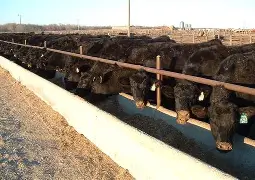
Water, always. Cattle on feed need a lot of clean water. In hot weather, a growing steer may drink many litres a day. If water is dirty, far, or limited, intake falls and so does weight gain. Provide enough trough space for all animals to drink at the same time without fighting, and keep troughs clean.
Health and parasites
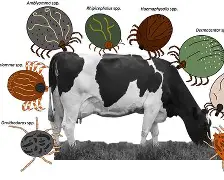
An unhealthy animal cannot gain. Build a basic herd health programme with your vet. This usually includes vaccination against the diseases common in your area, regular deworming based on dung tests or advice rather than guesswork, and control of ticks and flies. Heavy worm burdens and tick loads can quietly shave a large amount off daily gain. Treat sick animals quickly and isolate them. Quarantine new animals for a period before mixing them with your herd.
Watch for lameness, poor appetite, scouring, coughing, and sunken eyes. Any of these can stall growth, and some can kill. Calling the vet early costs less than losing weeks of gain.
I will not list products and doses here, because the right choices depend on your region, the diseases around you, and local rules, and misusing treatments leads to resistance and wasted money.
Management that adds weight without adding feed
Some of the best gains come from management rather than purchases.
Sort cattle into groups by age and size, so competition for feed is fair. Separate weaners from older animals, and feed the youngest and thinnest more carefully.
Reduce stress. Handle cattle calmly, avoid long trekking in the heat, minimise noise and chasing, and avoid mixing unfamiliar groups when you can. Stressed animals eat less and burn more energy. Provide shade in hot climates, because heat stress cuts appetite sharply.
Wean at the right time. Weaning too early stresses calves, and weaning too late drains the cow and delays her return to breeding. Many farmers wean at around six to eight months, depending on the calf’s size, cow condition, and feed supply. Ask your vet or livestock officer what suits your system.
Consider castration of male animals not kept for breeding, at the right age and by a proper method, since castrated animals are calmer and fatten more easily. Have it done by a vet or trained person, using proper hygiene and pain relief where available.
Do not overstock. The more animals you put on a piece of land, the less each one gets. Many farmers do better with fewer, well-fed animals than with many hungry ones.
Reduce walking distance between feed and water. Every kilometre a steer walks burns energy that could have become weight.
Keep records and weigh regularly
Weigh your animals at set times, such as at weaning, at the start and end of the dry season, and before sale. Record the date, the animal, and the weight. Over time you will see which animals grow best, which feeding plans work, and where weight is lost. A simple notebook, or a spreadsheet, is enough. Calculate average daily gain by dividing the weight gained by the number of days between weighings. Compare groups and seasons.
Records also help you decide when to sell. When daily gain starts to drop while feed costs stay the same, the animal is costing you more than it earns.
Warning signs to watch for
I keep an eye out for animals that stop gaining over two consecutive weighings, rough, dull coats, bones showing at the hips and ribs, potbellies on young animals (often a worm sign), diarrhoea, poor appetite, and animals that lag behind the herd. These point to feed shortage, disease, or parasites. When I see one, I check the water, the feed, the minerals, and the parasites, in that order, and I call the vet if the cause is not obvious.
What I would do differently if I started today
I would buy a weigh tape or scale in the very first month and weigh every animal on a schedule.
I would prepare dry-season feed before anything else, because that is where the real losses hide.
I would sort cattle into groups from the start and not let the biggest bully the rest.
I would invest in good bulls and good heifers earlier, and cull weak performers faster.
I would set up a health programme with a vet before problems showed up.
And I would keep my stocking rate honest. I have never regretted having fewer cattle than my land could carry. I have often regretted having more.
Frequently asked questions
How fast should a beef steer gain?
It depends on the breed, age, feed, and climate. Under extensive grazing, modest daily gains are normal, and well-fed animals on good pasture or supplement can do better. Ask your local extension officer for realistic targets for your area, and compare your own animals over time.
What is the best feed for fast weight gain in cattle?
There is no single best feed. Good pasture, protein and energy supplements in the dry season, minerals, and clean water give the best return. Grain finishing can add weight but costs more and needs careful management.
Do I need to give cattle growth boosters or hormones?
Rules on these vary widely by country, and some are banned or restricted. Ask your vet and follow your local regulations. Before spending on additives, make sure the basics of feed, water, minerals, and parasite control are right, because those give the largest gains for the lowest cost.
Why are my cattle not gaining weight even though they eat well?
Common causes are worms or other parasites, low-quality or low-protein feed, mineral deficiency, disease, thirst, heat stress, or competition from larger animals. Check each in turn and ask your vet for dung tests if worms are suspected.
When is the best time to sell beef cattle?
When they reach the market weight and condition buyers want, and before daily gain falls below what the feed costs. Records and regular weighing make that decision easier.
The advice worth bookmarking
Weight is made by the weakest link in the chain, so find the missing piece in your feed, water, health, or handling before you spend money on anything else, and weigh your cattle often enough that the scale can tell you the truth.