Digital Farmer IDs: Why Farmer Registration Matters for Modern Agriculture
Farmers also need a reliable way to establish their identity and agricultural profile when accessing these services. This is where digital farmer IDs and farmer registration systems become important. Governments need to know how many farmers are producing particular crops, where farms are located, what farmers need and which agricultural programmes are reaching their intended beneficiaries. Financial institutions need better information about agricultural businesses. Input suppliers need to identify genuine customers. Agribusinesses need to understand their supply base. Extension services need to know which farmers require particular forms of support.
A digital farmer ID can connect a farmer to a verified digital profile containing information about the farmer, farm holdings, crops, livestock and other relevant agricultural activities. Depending on how the system is designed, the profile may also connect to agricultural finance, input programmes, extension services, insurance, markets, mechanization, subsidies or other services.
Farmer registration does not automatically provide a farmer with a loan, subsidy or free input. Instead, it creates an identity and information layer that can make agricultural service delivery more organized.
For farmers, the long-term value can be significant because registration can help make their farming activity more visible within formal agricultural systems.
Once the information has been accepted, the farmer is assigned a unique record or identifier.
The farmer can then potentially be connected to relevant agricultural services.
Updating
Farmer registration should not be treated as a one-time event.
A farmer’s circumstances can change.
The farmer may acquire more land, stop growing one crop, begin livestock production, change telephone numbers, join a cooperative or move to another production location.
A useful farmer registry therefore needs mechanisms for updating records.
What Information Should a Digital Farmer Profile Contain?
There is no universal list because different systems have different objectives.
However, a comprehensive agricultural profile can contain several categories.
| Information category | Examples | Potential agricultural use |
|---|---|---|
| Identity | Name, approved ID information | Farmer verification |
| Contact | Phone number, address | Communication and service delivery |
| Location | Community, local government, state, GPS information | Geographic targeting |
| Farm size | Hectares or other units | Input and programme planning |
| Land information | Owned, leased, rented or communal land | Farm verification and planning |
| Crops | Crop type and variety | Extension and input planning |
| Livestock | Species and herd or flock size | Livestock services |
| Production | Yield and production information | Agricultural planning |
| Irrigation | Irrigated or rainfed production | Water-management programmes |
| Equipment | Machinery and farm equipment | Mechanization services |
| Finance | Relevant financial-service information where permitted | Agricultural finance |
| Services | Inputs, extension or programmes received | Programme monitoring |
| Cooperative information | Group or cooperative membership | Collective services and markets |
Not every farmer should have every type of data collected.
Data collection should follow a clear purpose and should respect applicable privacy and data-protection requirements.
Digital Farmer IDs Can Reduce Duplicate Registration
One of the problems associated with fragmented agricultural programmes is duplicate registration.
A farmer may appear in several separate databases using slightly different spellings of a name, different phone numbers or different descriptions of the farm.
This can make it difficult to determine whether two records represent two farmers or the same person.
A unique farmer identifier can help reduce this problem.
If multiple agricultural systems use compatible identification and data standards, the same farmer can potentially be recognized across different services.
However, this only works effectively when the underlying data is accurate and systems are properly designed.
A unique ID does not automatically solve poor data quality.
Farmer Registration Can Improve Agricultural Input Distribution
Agricultural inputs are often distributed through government programmes, development projects, cooperatives, agrodealers and private companies.
A verified farmer registry can help programmes determine:
- who is eligible
- where farmers are located
- what crops they grow
- how many farmers are participating
- how much input may be required
- which farmers have already received assistance
Digital registration can also make transactions easier to track.
For example, if a farmer receives a digital voucher for fertilizer or seed, the system can record the farmer, the approved quantity, the redemption point and the transaction.
This creates a digital trail.
The result can be better visibility into whether agricultural assistance reached the intended beneficiaries.
Digital Farmer IDs Can Support Extension Services
Agricultural extension works better when advice is relevant to the farmer’s actual production system.
A maize farmer does not necessarily need the same advice as a rice farmer.
A rainfed farmer may face different challenges from a farmer using irrigation.
A livestock producer requires different information from a vegetable grower.
If a farmer registry contains reliable information about agricultural activities, extension services can potentially become more targeted.
For example, a farmer registered as a tomato producer could receive information relating to tomato production, disease management, irrigation or market conditions rather than receiving a generic message intended for every farmer.
This does not mean every digital registry automatically provides personalized extension.
The registry must be connected to an advisory system capable of using the information appropriately.
Farmer Registration Can Support Agricultural Finance
Financial institutions face information challenges when lending to farmers.
Agricultural production is often seasonal, farms can be geographically dispersed and many smallholder businesses do not maintain formal financial records.
A digital farmer profile can provide part of the information needed to understand the agricultural borrower.
For example, a farmer profile could potentially provide verified information about:
- farm location
- production activity
- farm size
- crops
- livestock
- cooperative participation
- previous agricultural programme participation
- production history
When combined with financial records, transaction data and other relevant information, this can contribute to a more complete farmer profile.
However, a farmer ID is not the same thing as a credit score.
Registration does not guarantee a loan.
A lender may still require bank statements, financial records, credit history, collateral, guarantees, business documentation or other requirements.
The value of farmer registration is that it can help create a reliable identity and agricultural information layer around the borrower.
Digital Farmer IDs Can Help Build Farmer Credit Histories
Over time, digital agricultural records can become more useful if appropriate systems are connected.
Imagine a farmer who has:
- a verified farmer ID
- several years of production records
- documented input purchases
- recorded sales
- digital payments
- crop histories
- farm-management records
- previous loan repayments
Together, these records could provide a much richer picture of the farm business than a single application form.
This is particularly relevant to agricultural finance because lenders need information about both identity and economic activity.
The farmer ID establishes the identity layer.
The production and financial records provide the business layer.
A financial institution can then use information it is legally permitted to access when assessing a financing application.
Farmer IDs Can Support Agricultural Insurance
Insurance providers also need information about the people and farms they cover.
A digital farmer profile can potentially help connect:
- farmer identity
- farm location
- crop type
- cultivated area
- production cycle
- insurance policy
- premium
- claims
Farm location can be particularly important for agricultural insurance products affected by weather and geographic risk.
For example, an insurer may need to know the location and area of a farmer’s insured crop.
Digital records can help make this information easier to organize.
However, the farmer ID itself does not constitute insurance coverage.
The farmer must still meet the requirements of the relevant insurance product.
Farmer Registration Can Improve Access to Mechanization Services
Mechanization is another area where farmer registration can be useful.
A digital system can help identify farmers who require:
- tractor services
- land preparation
- planting
- spraying
- harvesting
- threshing
- shelling
- transport
This is particularly useful where farmers access machinery as a service rather than owning equipment themselves.
A registered farmer could potentially request a service, identify the farm location and specify the size of the field.
A service provider can then plan machinery deployment.
This creates an opportunity for farmer registries to become part of wider agricultural service platforms.
Digital Farmer IDs Can Improve Market Connections
Farmer registration can also support market access.
A digital profile can potentially help identify farmers by crop, location, production capacity and harvest period.
This information can be useful to:
- aggregators
- processors
- exporters
- commodity buyers
- cooperatives
- warehouses
- food manufacturers
For example, a processor looking for cassava suppliers in a particular area could use an agricultural platform to identify registered farmers producing cassava.
This does not automatically create a market.
Farmers still need acceptable quality, sufficient volumes, competitive pricing, logistics and reliable buyers.
The registry simply improves visibility.
Farmer IDs Can Support Traceability
Traceability is increasingly important in modern food supply chains.
A buyer may need to know:
- who produced a commodity
- where it was produced
- when it was produced
- what production process was used
- where it was aggregated
- where it was processed
A digital farmer ID can become one component of this traceability chain.
For example:
Farmer ID → Farm → Crop → Harvest → Aggregator → Processor → Buyer
Each stage can potentially have its own digital record.
This is especially relevant for higher-value supply chains where buyers require stronger documentation about the origin of agricultural products.
Farmer Registration Can Help Governments Plan Agriculture
Governments need reliable agricultural information to make decisions about:
- seed requirements
- fertilizer demand
- extension staffing
- irrigation development
- mechanization
- storage
- rural infrastructure
- market facilities
- food-security planning
- agricultural financing
- emergency response
A farmer registry can provide administrative information about who is participating in agriculture and where.
This can complement agricultural surveys and censuses, which serve different statistical purposes.
The key advantage of a continuously maintained registry is that it can potentially be updated as farmers and farms change.
Digital Farmer IDs Can Improve Emergency Response
Agriculture is exposed to weather and biological risks.
Floods, droughts, pests, diseases and other shocks can affect farmers rapidly.
A reliable farmer registry can help authorities and development organizations identify affected agricultural populations and organize assistance.
For example, if flooding affects a particular agricultural area, a registry containing geographic information can help identify registered farmers within the affected zone.
This does not mean every registered farmer will automatically receive assistance.
The relevant programme still needs to establish eligibility, assess damage and allocate available resources.
The registry provides the information infrastructure for that process.
Nigeria and the Move Toward Digital Farmer Registration
Digital farmer registration is particularly relevant to Nigeria because of the scale and diversity of the country’s agricultural sector.
Farmers operate across different agroecological zones, crops, livestock systems and levels of commercialization.
A fragmented agricultural information environment can make it difficult to build a consistent picture of the farming population.
In March 2026, the World Bank announced approval of a Nigerian agricultural project that includes establishing a national digital farm and farmer registry. The project is part of a broader programme focused on agricultural value chains, productivity, extension, climate resilience and private-sector participation. The stated project period is 2026 to 2032.
This development is significant because it shows how farmer registration is increasingly being treated as part of agricultural infrastructure rather than simply an administrative exercise.
For Nigerian farmers, the long-term importance of registration will depend on how effectively farmer data is verified, maintained, protected and connected to useful services.
What a Digital Farmer ID Could Mean for Nigerian Farmers
For a Nigerian farmer, registration could eventually become relevant across several parts of the farm business.
A registered farmer may be able to establish a digital agricultural profile containing information about the farm and production activities.
Depending on the specific platform and participating institutions, such information could support access to:
- agricultural inputs
- extension services
- digital advisory
- mechanization
- agricultural finance
- insurance
- markets
- government programmes
- development projects
The exact services available will depend on the programme.
Farmers should therefore avoid assuming that registration with one agricultural database automatically qualifies them for every government or private-sector agricultural service.
Different programmes can have different eligibility rules.
Farmer Registration Is Not the Same as Land Ownership
This distinction is extremely important.
Being registered as a farmer does not automatically prove ownership of the land being cultivated.
A farmer registry may record whether land is owned, leased, rented, borrowed or accessed under another arrangement.
Land ownership is governed by the relevant legal and land-administration system.
Similarly, a GPS location captured during farmer registration does not automatically create a legal title to that land.
Farmers should retain their relevant land documents separately.
This distinction matters especially when agricultural finance involves land as collateral.
Farmer Registration Is Not the Same as a Farm Business Registration
A farmer ID identifies an individual within an agricultural system.
A farm business may have a separate business registration, tax identity, cooperative registration or company registration.
A commercial agricultural enterprise may therefore have several identities:
Individual identity
The farmer or owner.
Farmer registry identity
The person’s agricultural profile.
Business identity
The registered farm company or enterprise.
Financial identity
The bank or financial-service records associated with the business.
These identities can potentially be linked, but they serve different purposes.
What Makes a Farmer Registry Useful?
A farmer registry is only as useful as the quality of the information inside it.
Several factors determine whether a registry provides real value.
Accurate Data
Incorrect names, phone numbers, farm sizes or locations reduce the usefulness of the database.
Unique Records
The system should minimize duplicate farmer profiles.
Regular Updates
Farmer information changes over time.
Geographic Information
Where appropriate, location data can help identify farms and target services.
Interoperability
Different agricultural systems should be able to exchange appropriate information where there is a legitimate reason and proper authorization.
Security
Farmer information must be protected from unauthorized access and misuse.
Clear Governance
There should be clear responsibility for who manages the registry and who is allowed to access different types of information.
Farmer Participation
Farmers should understand what information is being collected and why.
Why Data Privacy Matters
Digital farmer registration involves personal and agricultural information.
That means data protection should be treated as a core component of the system rather than an afterthought.
A farmer may provide information about:
- identity
- telephone number
- location
- land
- farm size
- production
- income
- livestock
- financial activity
Farmers should understand how this information will be used.
A well-designed system should provide appropriate safeguards around access, storage, sharing and security.
The World Bank’s work on digital identification in agriculture highlights data protection and privacy as important considerations when linking identity systems with agricultural records.
Farmers should also be cautious about giving their identification details to individuals or organizations that cannot explain the purpose of the registration.
The Risk of Registering Farmers Without Delivering Services
A farmer registry should not become a database that simply collects information without creating value for farmers.
Registration has a cost.
Farmers may spend time travelling to registration centers or providing information to enumerators.
Governments and development organizations may spend significant resources collecting and maintaining the data.
The system therefore needs a clear purpose.
If registration is connected to useful services such as extension, inputs, finance, insurance, market information or agricultural programmes, farmers have a practical reason to keep their information updated.
If nothing happens after registration, farmers may lose confidence in the system.
The Importance of Offline Registration
Many farming communities have limited or unreliable internet connectivity.
A farmer registration system designed only for constant internet access can exclude farmers in remote areas.
Offline-capable applications can allow authorized field officers to collect information without a continuous connection and synchronize the data later.
This approach has already been used in farmer registry projects in Africa.
The technical design should also account for:
- battery availability
- device reliability
- network coverage
- data synchronization
- field-worker training
- duplicate records
- verification procedures
Digital agriculture must work under actual farm conditions, not just in an office with reliable electricity and broadband.
Women and Youth Must Be Properly Captured
Farmer registration can improve agricultural inclusion, but only if the registration process correctly captures the people actually participating in agriculture.
Women may farm land that is formally controlled by another household member.
Young people may operate agricultural enterprises without being recognized in traditional agricultural databases.
Tenant farmers and farmers using communal or borrowed land can also be missed if the registry assumes that every farmer must own land.
A well-designed registry should reflect the different ways agricultural production is organized.
Otherwise, the database can reproduce existing inequalities instead of solving them.
Cooperatives Can Help With Farmer Registration
Farmer cooperatives and producer organizations can play an important role in registration.
They often already maintain information about members, crops and production activities.
When appropriately integrated with official systems, cooperative information can help identify farmers and organize services.
However, cooperative membership should not automatically be treated as proof of every piece of information in a farmer profile.
The system should still apply appropriate verification procedures.
How Farmers Should Prepare for Digital Registration
Farmers can make registration easier by keeping their own information organized.
Before registering, farmers should have relevant information available, such as:
- correct name
- accepted identification documents
- current phone number
- farm location
- farm size
- land-use arrangement
- crops grown
- livestock numbers
- cooperative information where applicable
- bank information when specifically required
- relevant land or farm documents
Farmers should also check that the information entered by a registration officer is accurate before confirming the registration.
A wrong phone number or incorrect farm location can make future communication and service delivery more difficult.
Farmers Should Keep Their Registration Information Updated
Registration should not be treated as a one-time exercise.
Farmers should update their information when important changes occur.
For example:
- a new phone number
- additional farmland
- a change in crop enterprise
- new livestock
- a change in cooperative membership
- relocation of production
- changes in farm ownership or lease arrangements
Keeping information current makes the farmer profile more useful.
It also reduces the risk of a farmer becoming incorrectly classified.
Digital Farmer IDs Can Become a Foundation for Precision Agriculture
The concept becomes even more interesting when farmer registration is connected with other agricultural technologies.
A farmer ID could potentially connect to:
Satellite imagery
Farm location and crop information can be associated with remote-sensing data.
Weather systems
Farmers can receive location-specific weather and climate information.
Farm management software
Production and financial records can be connected to the farmer’s agricultural profile.
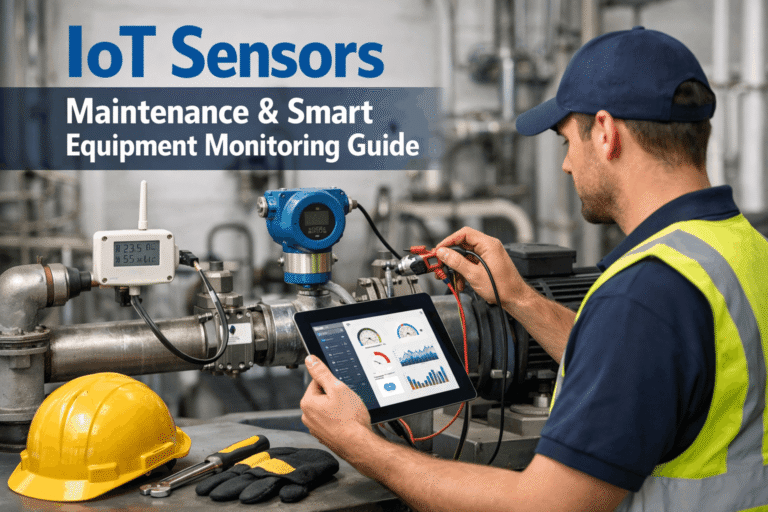
IoT sensors
Soil moisture, temperature and irrigation information can be linked to specific farms.
Drones
Crop-monitoring information can be associated with mapped fields.
Digital marketplaces
Farmers can be matched with buyers and suppliers.
Financial platforms
Approved financial institutions can use authorized data for agricultural finance processes.
This creates a broader digital agricultural ecosystem.
The farmer ID becomes one of the identity layers connecting the farmer to multiple services.
Why Interoperability Matters
Imagine a farmer having to register separately for:
- fertilizer
- extension
- agricultural insurance
- mechanization
- government support
- a cooperative
- agricultural finance
If every organization creates a separate database, the farmer may repeatedly provide the same information.
This creates unnecessary administrative work.
Interoperable systems can potentially allow authorized information to move between systems when there is a legitimate purpose and the farmer’s rights are protected.
FAO has highlighted the importance of interoperability in connecting farmer registries with other systems, including social protection systems.
The goal should not be to create one giant database containing every possible piece of information about every farmer.
The goal should be to allow appropriate systems to communicate securely when there is a legitimate need.
What Farmers Should Ask Before Giving Their Data
Farmers should not treat digital registration as a process where they simply provide information without asking questions.
They should understand:
Who is collecting my information?
Why is the information being collected?
What services is the registration connected to?
Which information is mandatory?
Who can access the information?
Will the information be shared with banks, companies or other organizations?
How can incorrect information be corrected?
How is the information protected?
What happens if I stop participating in the programme?
These questions are especially important when private companies or third-party organizations are involved.
Common Problems With Farmer Registration
Duplicate Farmer Records
A farmer may be registered more than once under slightly different information.
Incorrect Farm Size
Farm sizes may be estimated incorrectly if the registration process does not use reliable measurement methods.
Wrong Location
Incorrect GPS coordinates can associate a farmer with the wrong farm.
Outdated Phone Numbers
Farmers may change numbers without updating their profiles.
Missing Farmers
Remote communities can be left out if registration does not reach them.
Incorrect Classification
A farmer may be placed in the wrong crop, livestock or farm-size category.
Poor Data Security
Weak security can expose sensitive farmer information.
Registration Without Service Delivery
Farmers may lose confidence when registration does not lead to meaningful agricultural services.
Lack of Data Updates
A registry can quickly become outdated if farmers cannot easily update their information.
Digital Farmer ID and the Future of Agricultural Finance
As agricultural finance becomes increasingly data-driven, farmer identity will become more important.
A financial institution needs to know who it is lending to.
It also needs information about the economic activity supporting the proposed loan.
A digital farmer ID can help establish the identity and agricultural profile of the farmer.
Farm management software can provide production and cost records.
Banking systems can provide transaction histories.
Market platforms can provide sales information where appropriate.
Together, these different data sources can potentially create a more complete picture of an agricultural business.
However, data integration must always operate within applicable laws, permissions and data-protection requirements.
Technology should reduce information gaps without creating new risks for farmers.
What Digital Farmer IDs Could Mean for Smallholder Farmers
For smallholder farmers, the most important potential benefit may be increased visibility.
A farmer who has historically operated outside formal agricultural databases may have difficulty proving participation in agriculture.
A verified farmer profile can provide an official or programme-recognized digital record of agricultural activity.
That can potentially make it easier for institutions to identify the farmer when distributing services.
The benefit is greatest when the farmer registry is connected to real opportunities.
A registration number by itself has limited economic value.
A registration system connected to finance, inputs, extension, markets and insurance can become much more useful.
What Digital Farmer IDs Could Mean for Commercial Farmers
Commercial farmers may already maintain sophisticated farm records, but farmer registration can still provide value.
A large farm may have:
- multiple fields
- several crop enterprises
- large machinery fleets
- seasonal labour
- multiple production locations
- formal financial accounts
- complex supply chains
A digital farmer or farm registry can provide another layer of identification within the wider agricultural ecosystem.
For commercial operations, interoperability with farm management software may be particularly important.
The farmer should not have to manually enter the same farm information into multiple platforms if secure integration is available.
The Difference Between Farmer Registration and Digital Farm Management
These two technologies are related but serve different purposes.
A farmer registry primarily identifies farmers and their agricultural profiles.
Farm management software primarily helps farmers manage their own operations.
A registry may tell an agricultural institution that a farmer cultivates 20 hectares of maize in a particular area.
Farm management software can tell the farmer how much fertilizer was applied to each field, how much labour was used, what the crop cost to produce and how much was harvested.
The two systems can become more powerful when they are appropriately connected.
The Long-Term Value of Farmer Registration
The greatest value of farmer registration may come from what happens after the initial registration.
A farmer profile can gradually become more useful as verified information is added.
Over several seasons, it may contain:
- updated farm locations
- crop histories
- production records
- service participation
- input transactions
- market transactions
- finance information where authorized
- insurance information
- extension interactions
This can create a richer digital representation of the agricultural business.
The challenge is ensuring that the information remains accurate, secure and useful.
How Farmers Can Get More Value From Their Digital Identity
Farmers should think of registration as the beginning of a digital agricultural record rather than the end.
After registration, they should:
- keep their contact information updated
- maintain their own farm records
- keep production records
- retain receipts and sales evidence
- document farm assets
- keep relevant land documents
- maintain financial records
- update changes in farm size or production
- protect registration credentials
- report incorrect information
- avoid sharing sensitive credentials unnecessarily
This gives the farmer greater control over the quality of information associated with the digital profile.
Final Takeaway
Digital farmer IDs are becoming an important building block of modern agricultural systems.
A farmer registry can help answer basic but important questions about who farmers are, where they operate, what they produce and which agricultural services they may need.
When properly designed, farmer registration can support better targeting of inputs, extension services, agricultural finance, insurance, mechanization, markets and government programmes.
But registration alone is not enough.
A digital farmer ID does not automatically provide a loan, land title, subsidy, insurance policy or guaranteed market.
Its value comes from the wider agricultural system built around it.
For farmers, the practical lesson is simple: treat digital registration as part of building a formal agricultural identity. Keep the information accurate, understand how the data will be used, maintain independent farm records and update the registration when circumstances change.
For governments and agricultural organizations, the priority should be to build registries that are accurate, inclusive, secure, interoperable and connected to services that create real value for farmers.
The future of digital agriculture will not depend only on sensors, drones, artificial intelligence or farm management software. It will also depend on something more fundamental: having reliable digital information about the farmers and farms those technologies are designed to serve.
Frequently Asked Questions
What is a digital farmer ID?
A digital farmer ID is a unique identifier connected to a farmer’s digital agricultural profile. Depending on the system, the profile can contain information about the farmer, farm location, crops, livestock, land use and agricultural services.
Is a digital farmer ID the same as a national ID?
Not necessarily. A national ID identifies a person for broader public and private services, while a farmer ID is generally designed around agricultural participation. Some farmer registries can link to national identity systems where the legal and technical framework permits it.
Why should farmers register in a farmer registry?
Registration can help farmers become visible within formal agricultural service systems. Depending on the programme, a registered farmer may be able to access or be considered for agricultural inputs, extension, finance, insurance, markets, mechanization and other services.
Does a farmer ID guarantee access to agricultural loans?
No. A farmer ID can help establish identity and agricultural information, but lenders may have additional requirements such as bank statements, financial records, collateral, guarantees, credit history or business documentation.
Does farmer registration prove land ownership?
No. Registration may record information about land used by the farmer, but it does not automatically establish legal ownership. Land ownership or security rights are governed by the applicable land-registration and property laws.
What information is usually collected during farmer registration?
Depending on the system, registration may collect identity information, contact details, location, farm size, crops, livestock, land-use information, production details and information about agricultural services.
Can a farmer update their digital farmer profile?
This depends on the registry. A well-designed system should provide a process for correcting and updating important information because farms, crops, contact details and other circumstances can change.
Are digital farmer IDs useful for smallholder farmers?
Yes. Smallholder farmers can benefit when registration connects them to services that were previously difficult to access. The greatest value comes when the farmer registry is connected to useful agricultural programmes and services.
What should farmers do if they are unsure who is collecting their information?
Farmers should ask who operates the registration programme, why the information is being collected, what services it supports, who can access the information and how the data is protected. Farmers should avoid giving sensitive identification information to unverified individuals or organizations.
Can farmer registration help agricultural governments plan better?
Yes. A well-maintained registry can provide administrative information about farmers, farms and agricultural activities. This can support planning for inputs, extension, mechanization, agricultural finance, infrastructure and other services.