
How to Increase Honey Yield Per Hive
How to Increase Honey Yield Per Hive
For my first three seasons, I harvested the same disappointing amount from every hive, and I assumed that was simply what bees gave. Then I visited a beekeeper two valleys over who kept the same type of hive, the same type of bee, and roughly the same type of land. His hives produced close to double mine. I spent a whole afternoon looking for his secret. There was no secret. He had better timing, stronger colonies, more forage, fewer pests, and a notebook. That was all.
Here is the direct answer. Honey yield per hive rises when you get five things right: a strong, healthy colony with a young, productive queen that peaks just before the main nectar flow; plenty of flowers within flying distance, backed by water; enough hive space added at the right time so bees do not run out of room or swarm; control of pests and diseases; and careful harvesting that takes the surplus and leaves the bees enough stores to survive. The bees do the work. Your job is to remove the obstacles, time things around the flow, and keep the colony strong when it counts.
Let me walk you through the steps in the order I would take them.
What most farmers get wrong
The first mistake is working on the colony after the flow has started. A honey flow is a short window when nectar is plentiful. The bees you need to collect that nectar must already exist, which means they were raised weeks earlier. A weak colony at the start of the flow stays weak through it.
The second mistake is ignoring forage. Beekeepers spend money on hives and equipment and almost nothing on what bees feed on. A hive can only make honey from nectar the bees can reach, and a hive in a poor area will never match a hive in a rich one.
The third mistake is running out of space. A crowded colony swarms, and a swarmed colony loses half its workers and much of its honey potential. Adding boxes late costs yield.
The fourth mistake is harvesting too much, or at the wrong time. Taking every frame of honey, including the stores bees need to survive the dry or cold season, forces the colony to start again, or leave. Harvesting unripe honey also spoils quality and price.
The fifth mistake is neglecting the queen. An old or failing queen produces less brood, and fewer workers means less honey.
The sixth mistake is ignoring pests and disease. A colony fighting mites, ants, wax moths, beetles, or brood disease puts its energy into survival, not surplus.
The seventh mistake is opening the hive too often. Constant disturbance slows the colony and costs honey.
Understand the nectar flow in your area
Everything in beekeeping revolves around the flow. Find out when the main nectar flows occur where you keep bees: which trees, crops, and wild plants bloom, in which months, and how long each lasts. Talk to older beekeepers, visit the area through the year, and keep your own calendar of what is flowering and what your hives do in each period. Note the dearth periods too, when little is in bloom and colonies may need help.
Once you know the calendar, plan backwards. Honey bees take roughly three weeks to develop from egg to adult, and several more weeks before they become foragers. To have a large force of foragers when the flow begins, you need the colony to be building up several weeks before it. This is where most yield is won or lost.
Start with a strong colony
Choose good stock. Not all bee colonies are equally productive. Some colonies build up fast, gather more honey, and are gentle and healthy, and others do not. Requeen from your best colonies or buy queens from reliable breeders. Ask your local beekeeping association which stocks do well in your area. Avoid colonies that are very defensive, prone to absconding, or poor performers.
Keep a young queen. A queen’s laying declines with age, and many beekeepers replace queens regularly, often every year or two, depending on the bee race and the management system. Check for a solid pattern of eggs and brood. Spotty brood, few eggs, or a lack of young larvae may signal a failing queen. Replace weak queens before the flow, not during it. Ask an experienced beekeeper to show you how to find the queen and introduce a new one safely.
Build up before the flow. In the weeks before the main flow, make sure the colony has enough room for the queen to lay, enough food coming in or fed, and enough nurse bees to raise brood. If natural forage is scarce in the build-up period, supplementary feeding with sugar syrup and a protein source, as advised locally, can stimulate brood rearing. Stop feeding once the flow begins, so that you do not mix sugar syrup with honey you intend to sell. Ask a local bee expert for the right timing and ratios.
Unite weak colonies. Two weak colonies rarely produce a crop, but one strong colony made by uniting them might. Merge weak colonies before the flow, following safe methods, such as the newspaper method.
Keep the colony healthy and free of pests. See below.
Give them forage and water
Place hives near good forage. Bees forage within a few kilometres, but the closer and richer the food, the better the yield. If your current site is poor, consider moving some hives to better areas for the flow, as migratory beekeepers do. Plan moves carefully, at night, with hives secured and ventilated, and check local rules.
Plant bee-friendly trees, shrubs, and crops. Plant a variety of species that bloom at different times, to fill dearth gaps, with special attention to species that give heavy nectar flows in your climate. Ask your agricultural officer, local beekeepers, or a bee research institute which plants perform best locally. Planting takes time, but the returns can last for years.
Provide clean water. Bees need water to cool the hive, dilute honey for brood food, and survive hot weather. Set up a shallow water source with stones or floating sticks near the apiary, and keep it filled. Bees that must fly far for water waste time that could be spent foraging.
Avoid pesticide exposure. Spraying on flowering crops or weeds near the apiary kills foragers and weakens colonies. Talk with neighbouring farmers about spraying times, and encourage them to spray in the evening, when bees are not flying, or to avoid spraying crops in bloom. Protect the apiary from drifting spray.
Manage space: supers at the right time
Bees need room to store honey and room for the queen to lay. If the hive is full, the bees become congested and may swarm, and honey storage stalls.
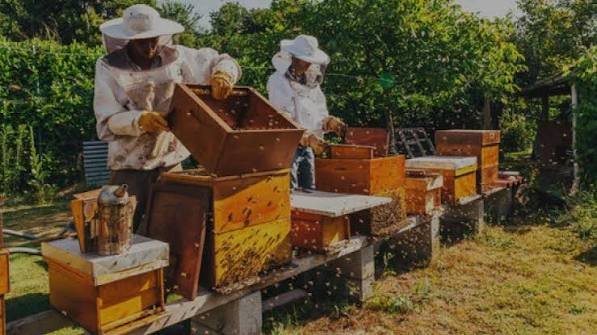
Add honey supers, which are boxes for storing surplus honey, just before or at the start of the flow, as your hive type and local practice require. Ideally, add them when the brood box is nearly full, and bees are drawing comb or storing nectar. Adding a super too early, in a small colony, spreads the bees too thin and can slow them, and adding too late allows swarming. Check weekly or fortnightly during the build-up and flow.
Use drawn comb where possible. Bees use a lot of energy and nectar to build new wax comb, so giving them already-drawn comb in the supers speeds up storage and increases honey yield. Keep good combs from year to year, protecting them from wax moths, and extract honey without destroying the comb, if your system allows. If you use top-bar hives or other systems, ask local experts how to maximise the use of comb and manage space.
Use a queen excluder if appropriate to keep the queen from laying in honey supers, though some beekeepers prefer not to. Ask your local association what suits your hive style and region.
Provide good ventilation. Honey ripening requires bees to evaporate water from nectar, and good airflow helps. Hot, stuffy hives slow the process and stress the colony.
Prevent swarming
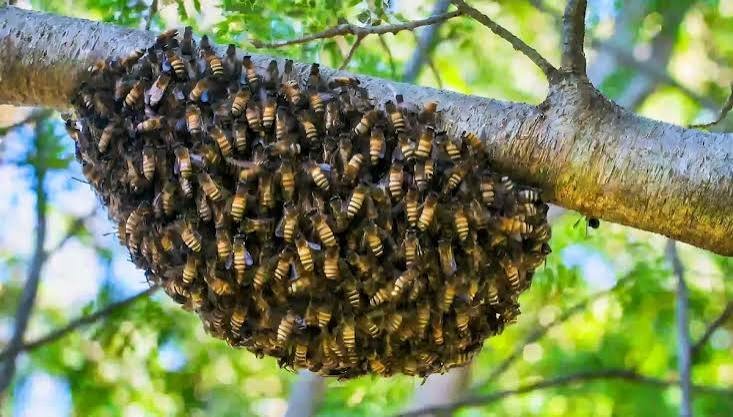
Swarming is a natural process, but for honey production it is a loss. A colony that swarms before or during the flow loses much of its workforce.
Reduce swarming by giving enough room, using young queens (young queens swarm less), providing ventilation and shade, removing queen cells, where appropriate, and managing the colony according to advice from local experts. Splitting colonies before they swarm is a method of increasing the number of colonies and reducing swarming, though it reduces the yield per hive for that season. Decide whether your goal is more colonies or more honey from existing hives. Ask an experienced beekeeper to show you how to read swarm preparations, including queen cells, crowded brood nests, and backfilled brood combs.
Control pests and diseases
A healthy colony produces more honey. Learn the main pests and diseases in your area and check hives regularly.
Varroa mites and other parasites. Where varroa is present, it is one of the biggest threats to productivity. Monitor mite levels and use approved control methods, as advised by your local bee inspector. Do not apply treatments during the main honey flow with honey supers on, unless the product is approved for this, because residues can contaminate honey.
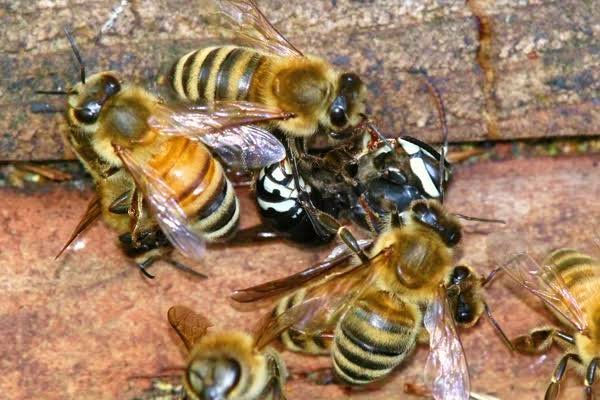
Wax moths, small hive beetles, ants, and other pests. Keep colonies strong, keep hives clean, protect them with ant barriers, store spare combs securely, and extract honey promptly.
Brood diseases. Watch for abnormal brood patterns, dead or discoloured larvae, and bad smells. Contact the local authority if you suspect a notifiable disease. Do not move frames or equipment between hives if you suspect disease.
Wasps, birds, and other predators. Protect weaker colonies with reduced entrances, fences, and good siting.
Keep your tools clean. Clean hive tools, gloves, and equipment between hives, particularly if you suspect disease.
Harvest wisely
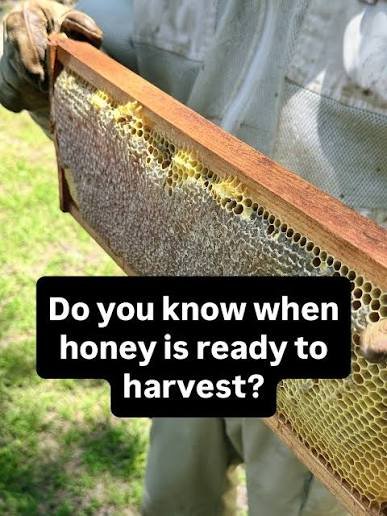
Harvest ripe honey. Honey is ripe when most of the cells are capped with wax, which means the bees have reduced the water content. Unripe honey with high moisture can ferment and spoil. Ask your local association how to check ripeness, for example by looking at the proportion of capped cells or using a refractometer to measure moisture.
Harvest at the right time. Harvest at the end of the flow, or in stages during a long flow, so as to avoid taking honey that is not yet ripe. Harvest on warm, calm days, when bees are less defensive, and use gentle methods, such as bee escapes, brushing, or smoke used sparingly. Avoid harvesting during robbing periods.
Leave enough for the bees. The colony needs honey to survive dearth and cold periods, and to build up for the next flow. Leave enough stores according to local advice. Taking all the honey and then feeding sugar may seem profitable, but it costs the bees quality, and it risks absconding and weak colonies. Never harvest the brood nest honey that the bees depend upon.
Handle honey properly. Use clean, dry, food-grade equipment. Filter honey, store in clean containers with tight lids, and keep it away from damp and strong smells. Good handling protects the quality and your price. Ask your local food authority about labelling and hygiene rules.
Return the combs. After extraction, return empty combs to the hive so the bees can clean and refill them, saving energy and time.
Keep records
Note for each hive the date of each inspection, queen age, brood pattern, stores, pests seen, treatments, supers added, and honey harvested. Compare hives, seasons, and sites. Keep your flowering calendar. After a few seasons, your records show which hives are best, which queens to breed from, and which practices pay. Records helped me find that three of my hives produced more than half of my honey.
Warning signs of low yield
I watch for colonies with small populations at the start of the flow, spotty brood, failing queens, crowded brood chambers, swarm cells, supers left empty, pests and disease signs, hives in poor locations, a long dearth with no feeding, and low honey stores in autumn or before the dry season. Any of these means act before the flow, not after.
What I would do differently if I started today
I would learn the nectar flow calendar before buying a single hive.
I would plant forage from the very first year.
I would requeen on a schedule and keep records of every queen.
I would manage for the flow, building up colonies weeks ahead.
I would keep a stock of drawn comb, and protect it.
I would harvest only ripe honey, and leave bees enough.
And I would visit an experienced beekeeper at least twice a year, to compare notes.
Frequently asked questions
How much honey should one hive produce?
It varies widely by bee race, climate, forage, hive type, and management. Rather than compare with distant figures, record your yields and ask local beekeepers what is realistic in your area.
When is the best time to harvest honey?
When most cells are capped and the honey is ripe, usually at or near the end of a nectar flow. Avoid harvesting unripe honey or taking the bees’ last stores.
Does feeding sugar increase honey production?
Feeding can help build up colonies before the flow or keep them alive during a dearth, but it should stop before the flow, so that sugar syrup is not mixed into honey for sale. It is not a substitute for good forage.
How can I stop my bees from swarming?
Give enough space, use young queens, provide ventilation, check for queen cells, and ask experienced local beekeepers about swarm control methods that suit your hives.
Do more hives mean more honey?
Often yes, but only if each colony is strong and well-managed and there is enough forage. Too many hives in one area compete for the same flowers and can reduce yield per hive.
The advice worth bookmarking
Honey is made by foragers born weeks before the flow, so do your work early: strong colonies, young queens, flowers nearby, space at the right time, and take only what the bees can spare.