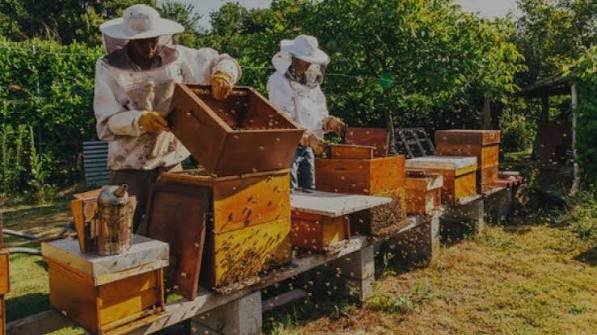
How to Harvest Honey Without Destroying the Hive
How to Harvest Honey Without Destroying the Hive
The first honey I ever took, I took the way I had seen it done as a boy. I smoked the bees heavily, cut the whole comb out, brood and all, squeezed it through a cloth, and carried home a bucket of sticky, dark, smoky honey. I was proud for exactly two weeks. By then the colony had left, and all I had was an empty box and a lesson. The bees had not been defeated. They had simply been robbed of their nursery, their food, and their home in one afternoon.
Here is the direct answer. You harvest honey without destroying the hive by taking only the ripe, capped honey from the honey supers or the outer honey combs, never from the brood nest, leaving the colony enough honey to live on, using gentle bee-removal methods and minimal smoke, working on a warm, calm, dry day, handling combs so the wax can be returned for the bees to reuse, and keeping the queen, brood, and workers safe. If you use a hive with removable frames or top bars, this is very easy to do. If you keep bees in traditional log or clay hives, you can still harvest carefully by cutting only the honey comb at the back or edge of the nest. Bees repay careful beekeepers with honey year after year.
Let me walk you through how I do it, whatever kind of hive you use.
What most farmers get wrong
The first mistake is cutting out the brood. The brood comb holds eggs, larvae, and pupae, the next generation of workers. Cut it out, and you destroy the colony’s future, and the honey you squeeze out will be spoiled with brood and pollen.
The second mistake is using too much smoke, or burning the hive. Heavy smoke or fire may drive bees away, kill many, taint the honey, and cause the colony to abscond. Burning a hive to kill the bees, as in some traditional harvesting methods, destroys the colony and the habitat.
The third mistake is taking everything. A colony needs its own honey to survive the dry or cold season and to rebuild. A colony with no honey will starve or abscond.
The fourth mistake is harvesting at the wrong time. Honey taken before it is ripe is wet and ferments. Harvesting in the middle of a dearth, or when the colony is weak, can finish it off.
The fifth mistake is working roughly or at the wrong hour. Banging the hive, crushing bees, working in rain, or harvesting in the evening or at night makes the bees defensive and increases stings and damage.
The sixth mistake is using dirty or unsuitable equipment. Rusty tools, wet buckets, and unclean containers spoil the honey and can introduce disease.
The seventh mistake is leaving honey exposed after harvest. Open boxes and spilled honey attract robbers, wasps, and ants, which can cause fighting and weaken colonies.
Know what you are taking, and what you are leaving
A bee nest has two main parts. The brood nest, usually in the lower or central part of the hive, holds the eggs, larvae, pupae, and the stores of pollen and honey right around them. The honey area, usually above or to the side, holds the surplus honey stored by the bees. In a frame hive with supers, the honey supers sit above the brood box. In a top-bar hive, honey is usually stored at the far ends of the bars, with the brood in the middle. In a traditional log or basket hive, honey is typically in the back or top part of the cavity, with the brood in the front or bottom.
Your goal is to take only from the honey area, and only the combs that are mostly capped and free of brood. Never take from the brood nest, and leave the bees honey and pollen near the brood.
How much to leave depends on your climate, the strength of the colony, and the coming season. Ask experienced local beekeepers how much honey a colony needs to survive the dry or cold season in your area, and plan to leave at least that much. In a good flow, you can take more, but in a poor season, you may have to take little or nothing.
Choose the right time
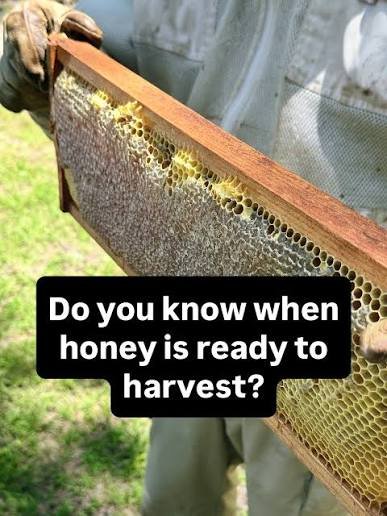
Wait until the honey is ripe. Harvest combs that are fully or mostly capped with white wax. Uncapped honey is usually too wet. If you can, check moisture with a refractometer. See my guide on knowing when honey is ready for harvest.
Harvest at the right time of year. Harvest at or after the end of the main nectar flow, when the supers are full and capped. Avoid harvesting just before a dearth, or when the colony has little food. In some regions, there are two harvests a year. Ask local beekeepers.
Pick the right day and time. Work on a warm, calm, dry day, when many foragers are out in the field. Mid-morning to early afternoon is often best. Avoid cool, rainy, windy, or humid days, or evenings when bees are all at home and defensive. Avoid periods of robbing.
Don’t harvest from weak colonies. A weak colony cannot spare honey. Let it build up, or help it recover.
Prepare your equipment
Gather everything before you open the hive. You will need protective clothing, including a veil, gloves, and suit, a smoker and fuel, a hive tool, a soft bee brush, clean, lidded containers or empty supers to hold the combs, a clean cloth to cover them, and a knife or uncapping tool. You need a clean, bee-proof place to process the honey, and clean, food-grade equipment such as buckets, strainers, and jars. Wash and dry everything before use.
Light the smoker with clean fuel such as dry grass, wood shavings, or cardboard that makes cool, white smoke. Avoid treated wood, plastics, or anything that gives off harsh fumes.
Harvesting from a frame hive with supers
This is the easiest method and it does the least damage.
First, approach calmly. Give a puff or two of smoke at the entrance and under the lid, wait a minute, then open the hive gently. Keep the smoke light, and use as little as you need.
Remove the honey supers carefully. Before taking a super, check that the queen is not in it. If you use a queen excluder, the queen should stay below. If not, check frames carefully.
Remove the bees from the frames. There are several gentle methods. The simplest is to lift each frame, hold it over the open hive or a clean box, and gently brush the bees off with a soft bee brush, working from the top down. Alternatively, place a bee escape board under the honey supers the day before, which lets bees pass down but not back up, so the super empties by itself. Fume boards with approved repellents are used by some beekeepers, but follow the instructions carefully, as some products can taint honey or harm bees. Ask your association what is suitable. Avoid blowers or methods that might harm bees if you are not trained.
Place the harvested frames in a covered container, immediately, so that robber bees and wasps cannot get at them. Keep them covered while transporting.
Leave the brood box and the frames with brood, pollen, and honey close to the brood intact. Replace any empty supers or frames that you are not harvesting, then close the hive quickly.
Return the empty combs after extraction, so the bees can clean and reuse them. This saves them huge effort and boosts the next harvest.
Harvesting from a top-bar hive
Open the hive gently, with light smoke. Work from the honey end of the hive, not the brood end. Lift out the honey bars one at a time, starting from the end furthest from the brood. Each bar will have a comb attached. Gently brush off the bees, and check that the comb is capped and free of brood. Take only bars with fully capped honey. Cut the comb from the bar with a clean knife, leaving a strip of comb on the bar, about 2.5 to 3 centimetres wide, as a guide for the bees to rebuild. Place the cut comb into a covered container. Leave the brood combs and some honey in place. Replace the bars and close the hive. Ask an experienced top-bar beekeeper to show you the process.
Harvesting from a traditional or log hive
Many farmers keep bees in logs, clay pots, or baskets. You can still harvest responsibly.
Choose a calm day, and use cool, light smoke. Open the hive from the honey end, usually at the back or top, away from the brood area. Look carefully before cutting. Brood comb is usually darker, with capped cells that are domed or flat and may contain developing bees. Honey comb is lighter and filled with capped honey. Cut only the honey comb, and leave the brood comb and a good portion of honey comb for the bees. Use a clean, sharp knife, and avoid crushing bees. Take small portions rather than the whole comb. Close the hive tightly afterward, and do so quickly.
Never use fire inside or beneath the hive, and never burn out the bees. Fire kills the colony and risks forest fires.
If you have long-term goals in beekeeping, ask your association about moving to a movable-frame or top-bar hive. They make careful harvesting easier and increase yield.
Be gentle with the bees
Move slowly and calmly. Avoid sudden movements, jarring the hive, or squashing bees. Crushed bees release alarm pheromone, which makes the others more defensive. Use smoke sparingly, and wait for it to take effect.
Watch the bees’ reaction. If they become very agitated, stop, close the hive, and try again another day.
Protect yourself. Wear protective clothing, and keep a first aid kit and an emergency plan, including knowing how to reach medical care. Know whether anyone near you is allergic to bee stings. Keep children, animals, and bystanders at a safe distance.
Don’t harvest in a way that kills the queen. Check for the queen when handling frames, and put frames back in the same order and orientation.
Handle the honey properly
Once you remove the combs, cover them and take them to a clean, enclosed room. Uncap the wax cappings with a warm, clean knife or fork, then extract the honey with an extractor, or use the crush-and-strain method if you do not have one. Strain through a clean, food-grade mesh. Let the honey settle for a day or two, then skim and bottle in clean, dry containers with tight lids. Store in a cool, dry place away from strong smells. Label with the date and source.
Return the extracted combs, if you can, to the hive for the bees to clean. Do it in the evening to avoid robbing. Melt the wax from cappings and crushed comb, carefully, and keep the wax for candles, polish, or foundation. Wax is a valuable by-product.
Check local rules for food safety, labelling, and selling honey.
Leave the colony in good shape
After harvest, check that the colony has enough honey and pollen, a queen, and a snug hive space. If the colony is short of food, feed it with sugar syrup in the evening, as advised locally. Reduce the entrance if robbers are active. Keep ants and pests away. Provide water nearby. Leave the colony alone for a while, so it can recover.
Record what you took, how much was left, and how the colony responded. This will help you refine your harvests over time.
Warning signs you are taking too much
I watch for colonies with little stored honey after harvest, bees clustering anxiously at the entrance, robbing, fewer bees returning with pollen, a drop in brood, bees leaving the hive, ants invading, and a colony that fails to rebuild. If I see any of these, I stop harvesting from that hive, feed it, and give it time.
What I would do differently if I started today
I would learn to recognise brood comb before ever cutting a comb.
I would never use fire near a hive.
I would harvest from the top of the hive only, and always leave a generous share.
I would use a bee brush or an escape board, and not heavy smoke.
I would switch to a movable-frame or top-bar hive in the first year.
I would keep my extraction room clean and bee-proof.
And I would treat the bees as partners, not victims.
Frequently asked questions
Can I harvest honey without killing the bees?
Yes. Take only capped honey from the honey area, avoid the brood nest, use gentle bee-removal methods and light smoke, and leave the colony enough honey to live on.
How much honey should I leave in the hive?
It depends on your climate and the colony. Ask local beekeepers how much a colony needs to survive the dry or cold season in your area, and leave at least that much.
Is it bad to use smoke when harvesting?
Light, cool smoke is a normal tool for calming bees. Heavy smoke or hot smoke can harm bees, taint honey, and drive a colony away.
Can I harvest honey from a log or clay hive?
Yes, but carefully. Cut only honey comb from the honey end of the hive, avoid the brood, leave plenty of honey, never use fire, and close the hive quickly.
What should I do with the leftover wax?
Melt it carefully and filter it. Beeswax can be used for candles, polish, balms, or foundation, and many beekeepers sell it.
The advice worth bookmarking
Take the honey the bees can spare, never the brood or the last of their food, work gently and in daylight, and the same colony will fill your bucket season after season.