How to Stop Bees From Absconding From the Hive
How to Stop Bees From Absconding From the Hive
The first colony I ever lost, I lost on a Tuesday afternoon. I had hung a new hive in the mango tree on Sunday, the bees had moved in within a week, and I felt like a genuine beekeeper at last. On Tuesday I walked out with a cup of tea and found a cloud of bees circling the tree, then lifting over the fence and gone. The hive was open air and a few confused stragglers. I stood there with my tea going cold and understood that bees do not belong to you. They stay only if the hive is a place worth staying.
Here is the direct answer. Bees abscond, which means the whole colony abandons the hive and flies away, when something makes the hive unlivable or unsafe: ants, wax moths, or other pests, too much heat, smoke or disturbance, poor ventilation, lack of food, hive beetles, a bad hive site, or a colony that is simply too weak. You stop absconding by choosing a good site, keeping the hive clean and pest-free, giving bees food and water when nectar is short, keeping the colony strong and queenright, protecting it from heat, ants, and predators, and handling it gently and rarely. Fix the reason they want to leave, and most colonies stay.
Let me explain why bees abscond, how to spot trouble early, and what I do to keep colonies in the hive.
What most farmers get wrong
The first mistake is thinking absconding is bad luck. It almost always has a cause, and the cause is usually something in the apiary that the beekeeper could have prevented.
The second mistake is placing hives in a bad spot. Hot sun on the hive all afternoon, standing water, strong winds, a noisy or busy location, or a place with no flowers or water nearby will push bees out.
The third mistake is opening the hive too often. Every inspection disturbs the colony, breaks propolis seals, and stresses the bees. Smoke used too heavily can drive a weak colony out.
The fourth mistake is ignoring pests. Ants, wax moths, small hive beetles, termites, and wasps can overrun a weak colony. A hive full of pests is a place bees will abandon.
The fifth mistake is leaving a colony without food. During the dry season or periods with few flowers, the bees run out of stores. Hungry colonies leave to find food.
The sixth mistake is a weak or queenless colony. A colony with a poor or missing queen, few bees, or little brood is more likely to abscond.
The seventh mistake is using the wrong kind of hive or setting it up badly. A hive with leaks, cracks, bad ventilation, or the wrong size cavity is not a home bees want.
What absconding is, and what it isn’t
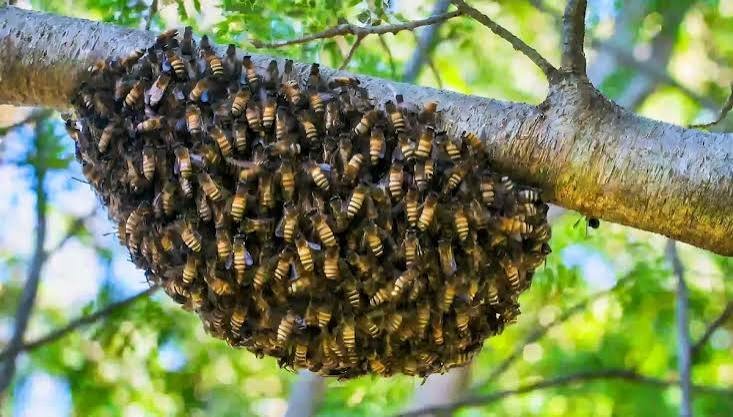
Absconding is when an entire colony, including the queen, leaves the hive and does not come back. It is different from swarming. Swarming is a natural way for a healthy, strong colony to reproduce. The old queen and about half the bees leave to start a new colony, while the rest stay behind with a new queen. Absconding is a survival move, in which the whole colony abandons a home that has become unsuitable.
The difference matters. A swarm leaves a hive full of brood, honey, and bees. An absconded hive often has little brood, little or no honey, and few bees left. African honey bees and some tropical races abscond more readily than European bees. If you keep bees in Africa or other tropical regions, you will meet this more often, and you need to manage for it.
Why bees abscond
Lack of food. In a dearth, when few flowers are in bloom, colonies use up their stores. If there is not enough nectar and pollen nearby, the bees may leave to find a better area. This is one of the most common causes in the tropics, particularly in the dry season.
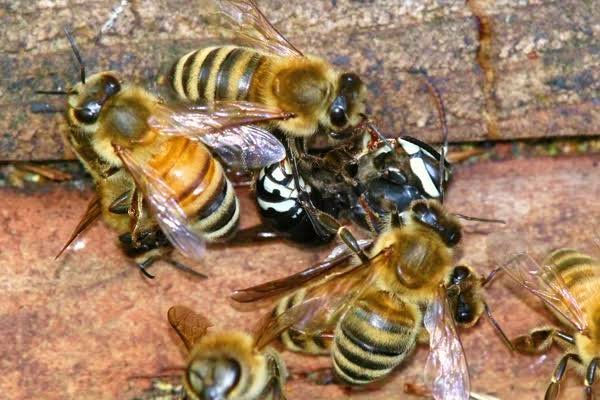
Pests and predators. Ants can swarm into a hive and attack the brood and stores. Wax moth larvae chew through combs, leaving webs and debris, especially in weak colonies. Small hive beetles breed in the comb and slime the honey. Termites eat wooden hives. Wasps, hornets, and bee-eating birds, lizards, and honey badgers can harass or destroy colonies. Mites, such as varroa where present, weaken colonies. A colony under pressure may leave.
Heat and poor ventilation. A hive in direct hot sun with poor airflow can become unbearably hot, and bees may leave. Bearding, where many bees hang outside the entrance, is a sign of heat or crowding.
Disturbance and smoke. Frequent opening, rough handling, too much smoke, vibration, noise, children and animals near the hive, fires, or smoke from burning nearby can drive bees out. Colonies that have been recently moved or disturbed are especially likely to leave.
Poor site. Hives placed in damp, shady, or windy spots, near busy paths, near water that floods, or far from forage and water can be unattractive. Hives that tilt or are not stable can also upset the colony.
Weak colony or queen problems. A queenless colony, one with a failing queen, or a small colony may abscond. A new colony in a new hive is more likely to leave in the first weeks if conditions are not right, particularly if it was caught as a swarm without enough brood or stores.
Hive condition. An old hive with rot, leaks, old black combs, a smell of rodents, mould, or a previous colony’s disease can discourage bees. Too large a space for a small colony makes it hard for the bees to defend and keep warm.
Chemicals and pollution. Pesticides, smoke, strong smells, and some treatments can stress bees. Spraying crops near the apiary can poison bees and cause colonies to collapse or leave.
Disease. Brood diseases and other illnesses weaken colonies and can cause them to leave. Ask your local bee officer which diseases are common in your area.
Robbing. Strong colonies or other insects can rob a weak hive’s stores, leaving it with nothing and prompting it to abscond.
Choosing and preparing the site
Where you place the hive matters more than most beginners expect.
Choose a site with morning sun and afternoon shade. In hot climates, shade from trees, grass roofs, or shade cloth protects the hive from the worst afternoon heat. Avoid deep shade, which can encourage damp and pests.
Pick a spot with good forage within easy flying distance, and a clean source of water nearby. If water is far, provide it in the apiary using a shallow container with stones or floating sticks for the bees to land on, and keep it filled.
Choose a dry, well-drained location, away from standing water and flood-prone ground. Avoid exposed windy spots, or provide a windbreak. Face the entrance in a direction that suits your climate and local advice, usually away from the prevailing wind and toward morning sun.
Keep hives away from busy paths, livestock, noisy areas, and children. Fence the apiary if needed. Keep the area clear of tall weeds, which hide pests and make it harder for bees to enter.
Stand hives on stands, 30 to 50 centimetres or more above the ground, to protect against ants, termites, damp, and some predators, and so the beekeeper can work comfortably. Ask local beekeepers what height and style work in your area. Make sure the hive is level and stable.
Use ant barriers. Place the legs of the stand in small containers of water or used oil that ants cannot cross, or smear the legs with a suitable barrier, and keep the stands clean and free of bridging vegetation. Ants are one of the biggest causes of absconding in many places, and a good barrier can save the colony. Check barriers regularly, because dust and leaves can create a bridge.
Preparing the hive
Use a sound, clean hive with no cracks or leaks, a tight roof, and a well-fitted entrance. Smooth rough edges, and treat wood only with bee-safe preparations. Ask your local beekeeping association what to use. Avoid strong chemical smells, which bees dislike, and let treated wood air out well.
Bait hives and new hives are more attractive if they smell of beeswax. Rubbing the inside with a little beeswax or lemongrass, as many beekeepers do, is a common practice, though results vary. Do not use anything harmful.
Make sure ventilation is adequate. Entrance size, roof design, and the use of screened openings should allow air to move without letting pests in. In hot weather, a slightly larger entrance or extra ventilation helps. In cool or wet weather, restrict the entrance to help the colony defend itself.
Match the hive space to the colony size. A small colony in a large hive struggles to keep warm and guard the combs. Use a smaller space or a divider for small colonies, and add space as they grow.
Feeding and water
Watch the forage. Know when the flowering seasons are in your area, and when the dearth periods occur. Plant bee-friendly trees, shrubs, and crops to fill the gaps. Good forage near the apiary is the best insurance against absconding.
Feed in dearth. When natural forage is scarce, supplementary feeding with sugar syrup and a protein source, as advised by local bee experts, can prevent starvation and keep colonies from leaving. Feed in the evening to avoid robbing, keep feeders clean, and do not spill syrup around the apiary, since it attracts ants, wasps, and robber bees. Ask your bee officer or an experienced beekeeper about feeding methods and ratios that suit your area.
Provide water. Bees need water for cooling the hive and feeding brood. A clean, shallow water source close to the hives, with something for bees to stand on, keeps them from visiting neighbours’ taps and troughs.
Pest and disease control
Ants. Use barriers on stands, keep the ground around hives clear of weeds, destroy nearby ant nests safely, and do not spill sugar or honey. If ants have entered a hive, seek advice on how to clean up without harming the bees.
Wax moths. Strong colonies usually keep wax moths in check. Keep colonies strong, remove old, dark, empty combs, and store spare combs in sealed, moth-proof containers. Clean up debris from the hive floor.
Small hive beetles and other pests. Where present, keep colonies strong, avoid leaving honey and combs exposed, and extract honey promptly. Ask your bee inspector about control methods for your area.
Termites and rodents. Use stands, treated or hardwood timber, and a clean apiary. Fit mouse guards at entrances where needed.
Predators. Protect apiaries from honey badgers, monkeys, and other animals with strong fencing, hanging hives, or elevated platforms, according to local practice. Bee-eating birds and lizards are harder to stop, but keeping hives strong helps.
Diseases and mites. Learn the signs of common diseases, such as unusual brood patterns, dead brood, bad smells, and sickly bees. Contact your agricultural or bee health officer if you suspect disease, since some diseases are notifiable. Use treatments only as advised and approved in your country.
Handling the colony gently
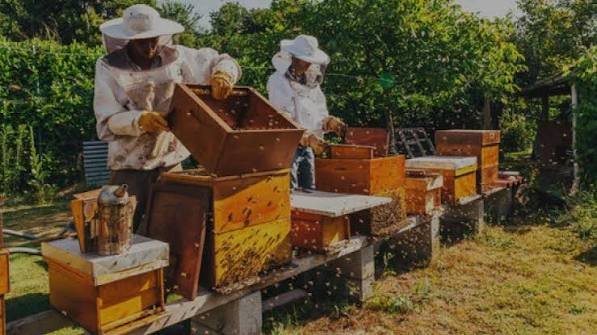
Inspect only when needed, and plan your inspections. Open the hive on a calm, warm day, at a time of day when most foragers are out. Use smoke sparingly and gently, as bees can be driven out by heavy smoke. Move slowly and quietly, avoid jarring the hive, and close it quickly. Keep inspections short.
Newly installed colonies need time to settle. Avoid opening a new colony for the first week or two, unless there is a problem. Check from outside whether the bees are going in and out, bringing in pollen, and building comb.
Do not move hives unnecessarily. If you must move them, follow safe methods, such as moving at night, sealing the entrance, and ventilating, or moving a long distance, so bees do not return to the old site. Ask your local beekeeping group for advice.
Control smoke and fire near the apiary. Avoid burning rubbish or bush close to the hives.
Keep colonies strong and queenright
A strong colony with a good queen defends itself, regulates temperature, and resists pests. Check that the queen is present and laying, by looking for fresh eggs and young larvae, or have a mentor show you how. If a colony is queenless, introduce a new queen or merge it with a stronger colony, rather than leaving it to decline. Combine weak colonies so they are strong enough to survive. Avoid taking too much honey, and always leave enough stores for the bees, particularly before a dearth. Harvest responsibly.
Warning signs of absconding
I watch for fewer bees going in and out, an unusually quiet hive, bees clustering at the entrance or hanging on the outside, pests such as ants, moth webbing, or beetles in the hive, brood being removed or reduced, honey stores being depleted, bees flying about restlessly, scout bees inspecting neighbouring boxes or trees, and a hive that smells foul. If I see these, I check food, pests, queen, and ventilation straight away.
What I would do differently if I started today
I would choose the apiary site very carefully, with shade, water, and forage in mind.
I would put every hive on a stand with ant barriers before bees ever entered.
I would plant bee forage near the apiary from the first year.
I would feed weak colonies in the dearth, rather than hoping.
I would leave new colonies alone for the first two weeks.
I would keep a hive diary with dates, observations, and what I did.
And I would find an experienced beekeeper to learn from, because books cannot show you what a hive looks like when it is about to leave.
Frequently asked questions
What is the difference between swarming and absconding?
Swarming is reproduction by a healthy colony, in which the old queen and part of the colony leave, while the rest stay. Absconding is when the entire colony abandons a hive because conditions are poor.
Why do bees leave a new hive?
Common reasons are an unsuitable hive or site, lack of food, ants or other pests, disturbance, heat, or a weak colony. Make the hive clean, comfortable, protected, and supplied with forage.
How do I keep ants out of my beehive?
Put the hive on a stand with legs in water or oil moats, keep vegetation trimmed so ants cannot bridge, avoid spills of sugar or honey, and destroy ant nests safely.
Can feeding stop bees from absconding?
In times of food shortage, yes. Supplementary feeding can keep colonies from leaving, provided it is done properly and safely. Ask a local bee expert for advice.
Will a smoker make my bees leave?
Too much or too hot smoke can stress bees and drive them out, especially a weak colony. Use smoke gently and sparingly.
The advice worth bookmarking
Bees do not abscond to punish you, they leave because staying has become harder than going, so give them shade, food, water, and peace, keep the ants and pests out, and the colony will treat your hive as home.