how to increase tomato fruit set
How to Increase Tomato Fruit Set: A Farmer’s Guide to Turning More Flowers Into Fruit
I once grew a tomato patch that flowered so heavily it looked like it was covered in a light yellow dusting from a distance, more blossoms than I had ever seen on my plants before. I remember feeling genuinely excited walking past it every morning, already imagining the harvest that many flowers should have produced. Then the fruit started to set, or rather, it mostly didn’t. Flower after flower dried up and dropped off without ever swelling into a fruit, and by the end of that stretch I had a plant that had put on an impressive flower show and very little else to show for it. An older grower who came to look at the plants with me asked me one question that changed how I have grown tomatoes ever since, whether I had noticed how hot it had been during the two weeks those flowers were opening. I had not connected the two, but that heat was very likely the reason so many of those flowers never became fruit at all.
So let me answer you straight, because I know you are looking at a plant full of flowers with disappointingly little fruit to show for it. Tomato fruit set drops mainly because of temperature extremes, either too hot or too cold, during flowering, which interferes with pollen viability and the pollination process itself, along with poor pollination from a lack of wind or insect activity, excess nitrogen that pushes leafy growth at the expense of flowering and fruiting, and water stress at the wrong moment, and you increase fruit set by managing these conditions as closely as you can, gently shaking or tapping flowering trusses to assist pollination, providing some afternoon shade during extreme heat, maintaining consistent moderate watering, and balancing fertilizer toward phosphorus and potassium rather than heavy nitrogen once flowering begins. A tomato plant covered in flowers is not the same thing as a tomato plant about to give you a good harvest, and the gap between those two things almost always comes down to conditions at the exact moment each flower is trying to be pollinated.
Why Flowers Fail to Become Fruit So Easily
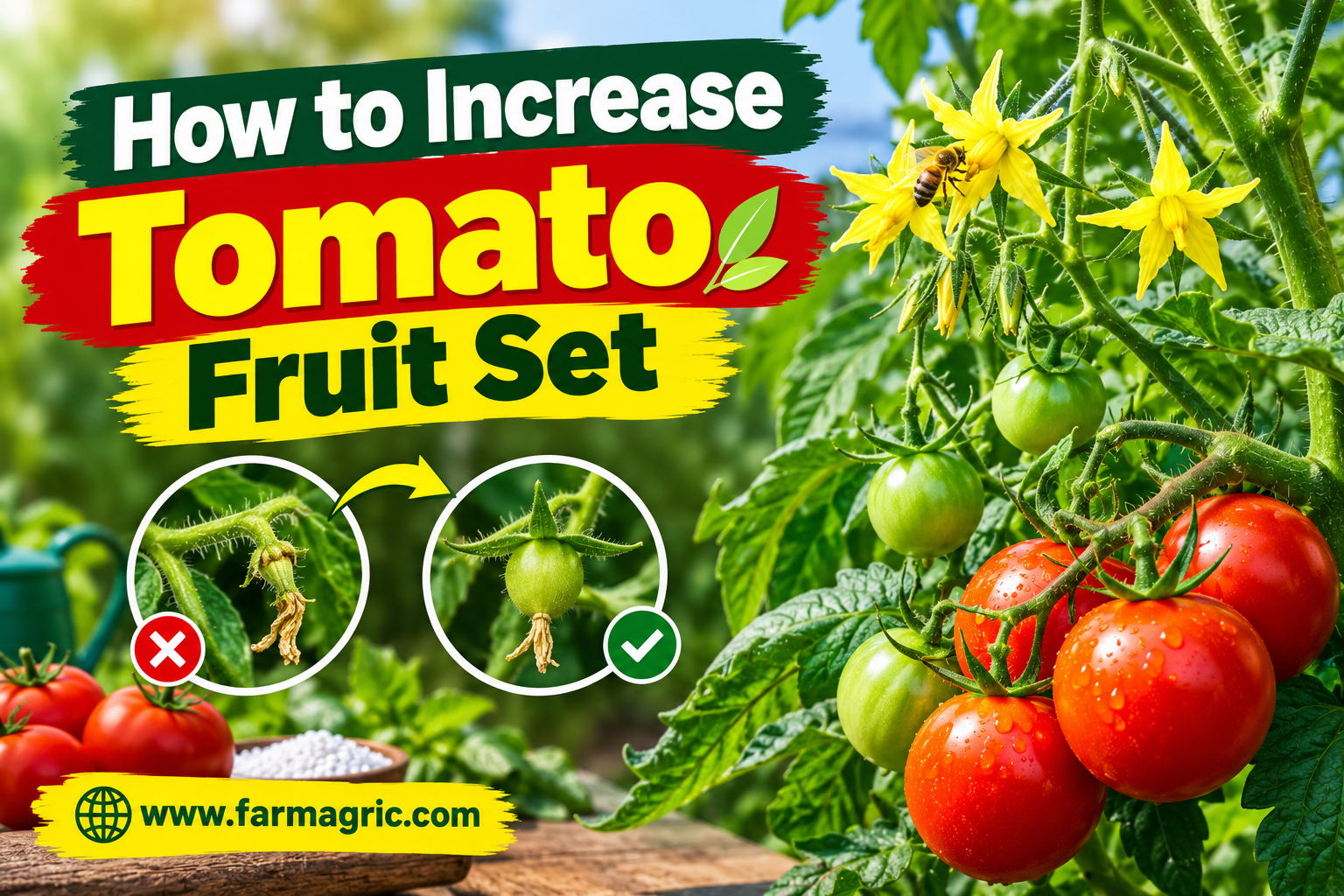
Tomato flowers are self-pollinating, carrying both male and female parts within the same flower, and pollination happens when pollen from the flower’s own anthers falls onto its own stigma, usually assisted by wind movement or the vibration caused by visiting insects like bees. This process depends on the pollen being viable and able to germinate properly, and pollen viability is remarkably sensitive to temperature, dropping sharply when daytime temperatures climb much above the low thirties Celsius or when nighttime temperatures fall much below the low teens Celsius. A flower that opens during a stretch of extreme heat or unusual cold often simply fails to be fertilized, even though it looked perfectly normal, and an unfertilized flower typically dries up and drops within a few days rather than developing into fruit. This is why a plant can flower prolifically and still produce disappointing fruit numbers, since the flowering itself was never the limiting factor, the successful pollination of those flowers was.
What Most Farmers Get Wrong
The first mistake, the one that fooled me with that heavily flowering but poorly fruiting patch, is judging a plant’s productivity by how many flowers it produces rather than by how many of those flowers actually go on to set fruit. Heavy flowering can happen under exactly the conditions, extreme heat in particular, that also cause the worst fruit set failure, so the two can occur together in a way that is genuinely misleading if you are not watching closely.
The second mistake is applying heavy nitrogen fertilizer once flowering has begun, assuming more fertilizer always helps. Nitrogen pushes the plant toward vigorous leafy growth, and a plant investing heavily in new leaves and stems often does so at the expense of the flowering and fruiting process, producing a lush, green plant with disappointing fruit numbers.
The third mistake is not recognizing temperature as the primary driver of poor fruit set, instead blaming the variety, the soil, or assuming something is simply wrong with the plant. A stretch of unusually hot days during flowering is one of the most common and most overlooked causes of poor fruit set, and it is also one a farmer has real tools to at least partially manage.
The fourth mistake is ignoring pollination assistance entirely, assuming that because tomatoes are self-pollinating they need no help at all. While tomatoes do not require insect pollinators the way many other crops do, wind movement and insect activity still meaningfully improve the rate at which pollen actually reaches the stigma within each flower, and a still, calm environment with little pollinator activity can result in lower fruit set than a breezier, more insect-active one.
The fifth mistake is inconsistent watering during flowering, letting plants swing between drought stress and heavy watering, which adds another layer of stress on top of whatever temperature challenges are already present, further reducing the chances that a given flower successfully sets fruit.
Step-by-Step Plan to Increase Tomato Fruit Set
Start by tracking the temperature conditions during your plant’s flowering period, since this single factor explains a large share of poor fruit set cases. If daytime temperatures have been climbing well above the low thirties Celsius, or if nighttime temperatures have been dropping into the low teens or below, recognize that pollen viability is likely being affected regardless of how healthy the plant otherwise looks.
Provide afternoon shade during periods of extreme heat if you have the means to do so, using shade cloth, temporary structures, or even the natural shade of taller companion plants positioned to block the harshest afternoon sun. Reducing the peak temperature the flowers experience during the hottest part of the day can meaningfully improve pollen viability compared to leaving plants fully exposed through an intense heat wave.
Gently shake or tap flowering trusses by hand, ideally around midday when pollen is most likely to be dry and viable, to help dislodge pollen within each flower and improve the chances of successful self-pollination. This simple, low-cost technique genuinely helps in calm, still conditions where natural wind movement is minimal, and takes only a few minutes across a planting of reasonable size.
Encourage natural pollinator activity by avoiding unnecessary broad-spectrum insecticide use during flowering, and where practical, planting some flowering companion plants nearby that attract bees and other beneficial insects, since their movement through the tomato flowers adds a meaningful additional source of pollination assistance beyond wind and hand-shaking alone.
Maintain consistent, moderate watering through the flowering period specifically, avoiding both drought stress and waterlogged soil, since water stress in either direction compounds whatever temperature-related challenges the flowers are already facing and further reduces the odds of successful fruit set.
Mulch around the base of plants to help maintain that more even soil moisture, particularly important during hot stretches when soil can dry out quickly and when maintaining steady conditions for the flowering process matters most.
Adjust your fertilizer program once flowering begins, moving away from heavy nitrogen and toward a more balanced approach with adequate phosphorus and potassium, since these nutrients support flowering and fruit development more directly than nitrogen does, which is better suited to the earlier vegetative growth stage before flowering starts in earnest.
Avoid pruning too aggressively right before or during a heavy flowering period, since removing significant foliage at this specific time adds mechanical stress on top of whatever environmental stress may already be affecting fruit set, compounding the problem rather than helping it.
Choose varieties known for better heat tolerance or cold tolerance if your growing region regularly experiences temperature extremes during your typical flowering window, since some varieties have been specifically bred to maintain better fruit set under challenging temperature conditions than standard types.
Time your planting, where your growing season allows some flexibility, so that the plant’s main flowering period falls during a part of the season more likely to have moderate temperatures, avoiding, where possible, having flowering coincide with the most extreme heat of the year in your particular climate.
Monitor fruit set over a period of one to two weeks after making any of these adjustments, since improvement is not usually immediate. Watch whether a higher proportion of new flowers are successfully developing into small, visible fruit rather than drying and dropping, which confirms whether your changes are having the intended effect.
Keep records across seasons of when heavy flower drop occurred relative to the weather at the time, since this pattern, tracked over a few seasons, often reveals a fairly predictable relationship between certain weather conditions and poor fruit set on your specific land, letting you anticipate and prepare for these stretches more proactively in future seasons.
Warning Signs to Watch For
Flowers that turn yellow, dry out, and drop from the plant within a few days of opening, without ever swelling into even a small fruit, is the clearest sign that pollination has failed for that particular flower, and a high rate of this happening across many flowers points toward one of the broader causes covered above rather than an isolated, one-off issue. A plant that is producing abundant flowers alongside vigorous, dark green leafy growth but comparatively few developing fruit often signals that nitrogen is too high relative to what the plant needs to prioritize fruit development over continued leafy expansion. A noticeable drop in fruit set specifically coinciding with a stretch of unusually hot days, tracked against your own weather observations, confirms temperature as the likely driver rather than a soil or pest-related cause. Very calm, still weather conditions with little visible insect activity around the flowering plants suggest that natural pollination assistance may be limited, making manual shaking of flower trusses a worthwhile addition during that particular stretch. And a pattern of poor fruit set improving noticeably within one to two weeks after you have specifically corrected watering consistency, reduced nitrogen, or added some heat protection confirms which of these factors was the actual limiting one in your own field, information worth remembering for future seasons.
What I’d Do Differently If Starting Again Today
If I were starting over, I would track temperature during flowering deliberately from my very first season instead of only connecting heat and poor fruit set after that older grower pointed it out to me, since I now understand how much that single factor explains cases I used to find genuinely confusing. I would moderate my nitrogen application once flowering began rather than continuing to feed heavily through that stage out of habit, understanding now how directly that lush, leafy growth I used to admire was sometimes coming at the expense of the fruit I actually wanted. I would build hand-shaking flowering trusses into a regular routine during calm weather rather than treating it as an occasional, forgettable extra step, since I have since seen how meaningfully that small effort improves fruit set in exactly the still conditions where natural pollination assistance is weakest. And I would plan my planting timing with my region’s typical hottest weeks in mind, trying to shift my main flowering period away from the most extreme heat where my growing season gives me any flexibility to do so at all.
Frequently Asked Questions About Tomato Fruit Set
Why do my tomato plants have lots of flowers but very little fruit? This is most often caused by temperature extremes, either very hot or very cold weather during the flowering period, interfering with pollen viability and successful pollination, meaning the flowers themselves are healthy but many are simply failing to be fertilized before they dry up and drop.
Does shaking tomato plants really help them produce more fruit? Yes, gently shaking or tapping flowering trusses helps dislodge pollen within each self-pollinating flower and improves the chances of successful fertilization, particularly in calm, still conditions where natural wind movement and insect activity are limited.
Can too much fertilizer reduce tomato fruit set? Yes, particularly heavy nitrogen applied once flowering has begun, since nitrogen encourages vigorous leafy growth that can come at the expense of flowering and fruit development, making a more balanced fertilizer approach with adequate phosphorus and potassium more appropriate during this stage.
What temperature is too hot for tomato fruit set? Pollen viability typically begins dropping sharply once daytime temperatures climb much above the low thirties Celsius, and a stretch of days this hot during flowering commonly causes a noticeable increase in flower drop and poor fruit set, even in an otherwise healthy plant.
How long does it take to see improvement in fruit set after fixing the problem? Improvement is usually visible within one to two weeks after correcting watering consistency, reducing excess nitrogen, or providing heat protection, since this is roughly the time needed for newly opened flowers under the improved conditions to successfully set and begin developing into visible small fruit.
If there is one thing I want you to remember from all this, it is that a flower is only a promise, not a harvest, so watch the weather during flowering as closely as you watch the plant itself, because the tomato bed covered in the most blossoms is sometimes the one that teaches you, most painfully, that flowers and fruit are not the same thing at all.