how to control blossom end rot in tomatoes
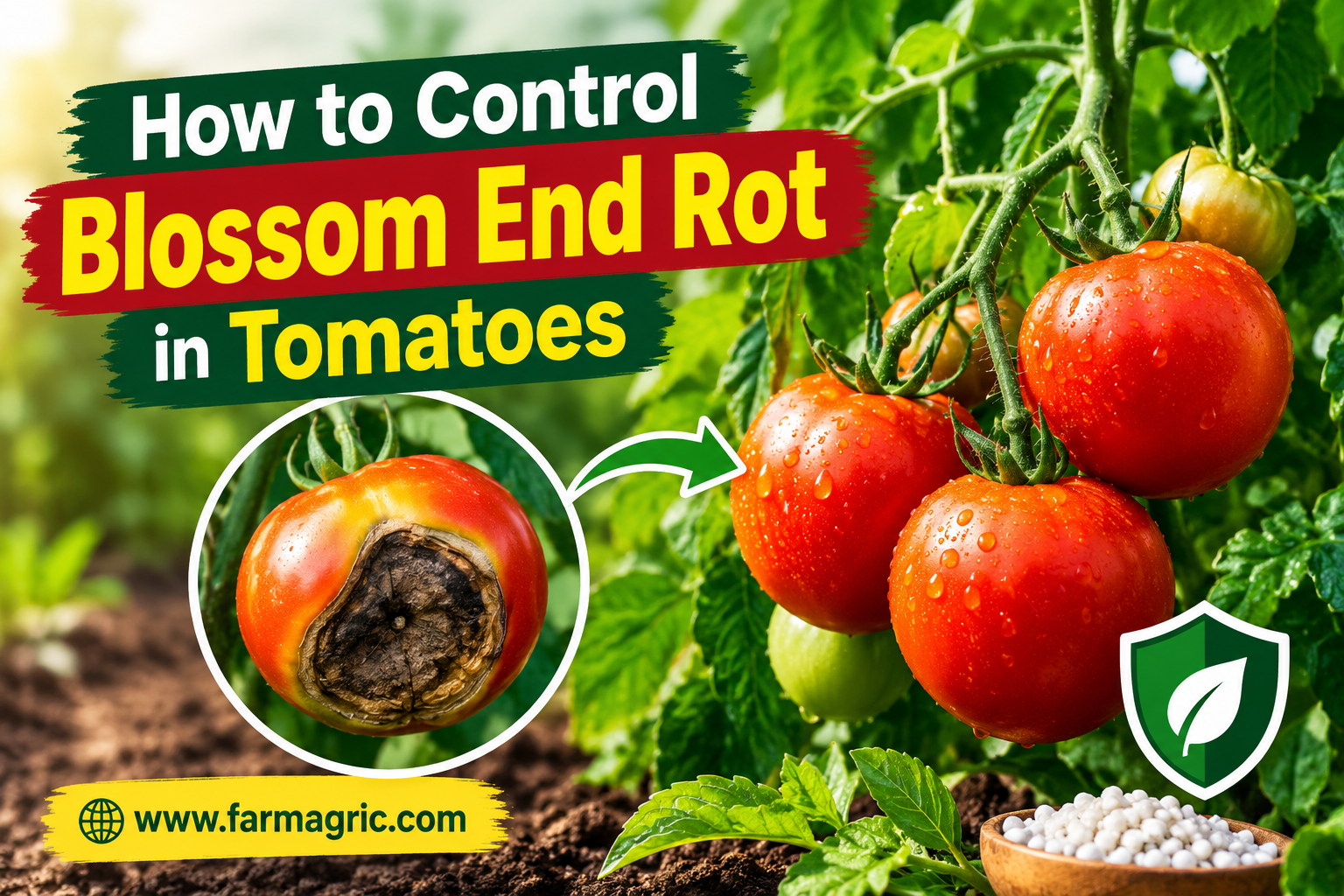
A sunken, water-soaked looking patch at the blossom end of the fruit, opposite where it attaches to the stem, that darkens to brown or black and takes on a leathery texture as it develops, is the clear, distinctive sign of blossom end rot and is unlikely to be confused with insect damage or typical fungal disease once you know to look for this specific location and pattern. Multiple fruit on the same plant showing the same blossom end damage around the same time often reflects a shared underlying cause, almost always a recent period of inconsistent watering affecting the whole plant rather than an isolated problem with one individual fruit. Blossom end rot appearing more heavily during a stretch of hot, dry weather, particularly if watering has not been increased to compensate, points clearly toward drought-driven calcium delivery disruption as the specific trigger. A pattern of blossom end rot easing off and eventually stopping in new fruit after you have deliberately corrected and stabilized your watering routine confirms that watering was indeed the underlying cause, and this improvement is one of the most reassuring signs available that you have addressed the real problem correctly. And blossom end rot that continues despite genuinely consistent, well-managed watering over several weeks is worth investigating further through a soil test, since this pattern suggests the less common scenario of an actual calcium shortage in the soil itself rather than a delivery problem caused by watering.
What I’d Do Differently If Starting Again Today
If I were starting over, I would learn to recognize blossom end rot correctly from the very first affected fruit instead of assuming disease and reaching for the wrong tools entirely, since that early confusion cost me both time and unnecessary spray applications before I understood what was actually happening. I would commit to a genuinely consistent watering schedule from the beginning of the season rather than watering reactively based on how the soil looked on any given day, since I now understand how directly that irregular pattern was driving the problem in my own fields long before I connected the two. I would mulch as standard practice around every tomato planting rather than treating it as optional, given how much more stable soil moisture stays under a proper mulch layer compared to bare soil exposed directly to sun and wind. And I would moderate my nitrogen application far more carefully, understanding now how much that lush, leafy growth I used to be proud of was sometimes coming at the direct expense of the calcium my developing fruit actually needed.
Frequently Asked Questions About Blossom End Rot in Tomatoes
Is blossom end rot a disease that can spread to other tomato plants? No, blossom end rot is a physiological calcium deficiency at the fruit level, almost always caused by inconsistent watering rather than any pathogen, so it cannot spread from plant to plant the way a fungal or bacterial disease would, though similar watering conditions across a planting often cause it to appear on multiple plants around the same time.
Does adding calcium or lime to the soil fix blossom end rot? Usually not, since most soil already contains adequate calcium and the real problem is inconsistent water delivery preventing that calcium from reaching the fruit, meaning correcting your watering routine is far more likely to solve the problem than adding more calcium to soil that does not actually need it.
Can I still eat tomatoes that have blossom end rot? The affected sunken portion should be cut away and discarded, but the rest of the fruit is generally still perfectly fine to eat, since blossom end rot is a physiological condition rather than a disease or contamination affecting the whole fruit.
Why is blossom end rot worse during hot, dry weather? Hot, dry conditions make soil moisture swing more dramatically between waterings, and this inconsistency disrupts the steady flow of water, and therefore calcium, that rapidly growing fruit depends on, which is why blossom end rot often becomes more noticeable and more frequent during particularly hot or dry stretches of the season.
Will fixing my watering schedule stop blossom end rot on fruit that already has it? No, fruit already showing blossom end rot will not recover and should be removed, but correcting your watering pattern typically prevents the problem in new fruit that sets and develops after the correction, usually showing visible improvement within about two to three weeks.
If there is one thing I want you to remember from all this, it is that blossom end rot is your watering can talking to you, not your soil failing you, so keep the moisture steady, mulch to help hold it there, and watch the fruit that comes after you fix your rhythm, because the plant that lost half its first fruit to that sunken black patch is very often capable of giving you a completely clean second half of the season once the water finally settles into a pattern it can actually count on.