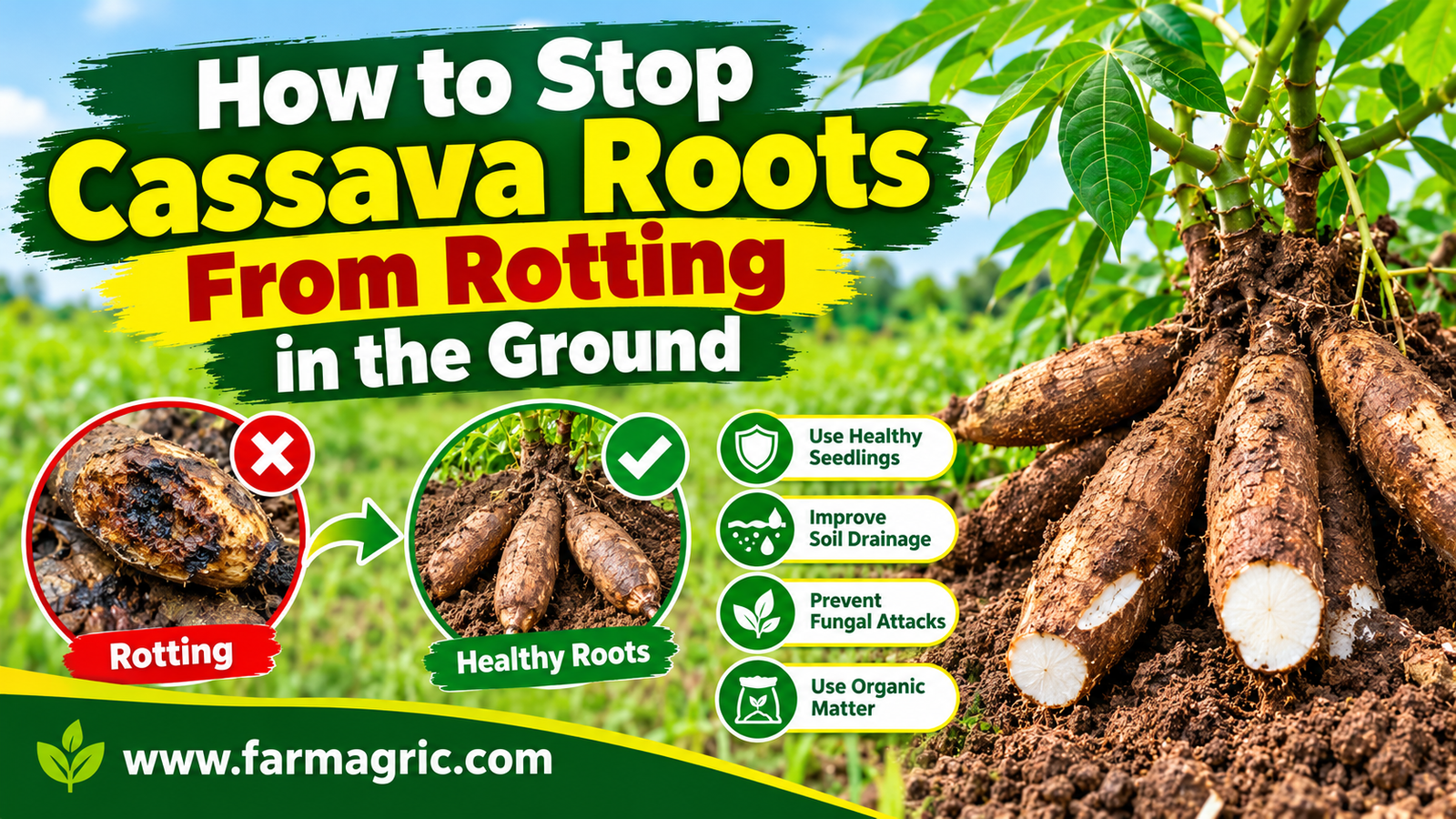
How to Stop Cassava Roots From Rotting in the Ground
How to Stop Cassava Roots From Rotting in the Ground: A Farmer’s Guide to Saving Your Harvest Before It Turns to Mush
I still remember the day I dug up my first badly rotted cassava plant. The stems above the ground looked almost fine, a little yellow at the lower leaves, a bit of wilting in the afternoon heat, nothing I would have lost sleep over. Then I pulled on the stem and it came up far too easily, and underneath there was nothing but a cluster of soft, grey-brown, foul-smelling roots that fell apart in my hands. I had spent almost ten months looking after that plot, and half of it was already gone. My uncle, who had grown cassava for decades before me, looked at the mess and said one sentence I have never forgotten: “The ground was holding water, and you were holding hope.” He was right. Since then I have lost small sections to root rot from time to time, but never a whole field, because I learned to read the warning signs early and to fix the causes before planting instead of after.
So let me answer you straight, because I know you are worried about what is happening under the soil where you cannot see it. Cassava roots rot in the ground mainly because of waterlogged or poorly drained soil, infected planting stems, and soil-borne fungi such as Phytophthora, Pythium, and Fusarium that thrive in wet conditions, and you stop it by planting on raised ridges or mounds, using clean, healthy cuttings, choosing well-drained land, rotating crops, and harvesting on time instead of leaving roots in the ground too long. Nearly every case of cassava root rot I have seen comes back to one thing: roots sitting in wet, oxygen-starved soil for too long. Fix the water problem and the healthy-cutting problem, and you have solved most of it.
What Actually Causes Cassava Roots to Rot
Cassava is a tough crop in dry spells, but it hates wet feet. The storage roots need oxygen to stay healthy, and when heavy rain fills the spaces in the soil with water for days on end, the roots start to suffocate. That weakens them, and the fungi that live in almost every soil, waiting for exactly this chance, move in and start breaking down the root tissue.
The biggest cause I deal with in my own fields is waterlogged, poorly drained soil, especially heavy clay and low spots where water settles after rain. Closely tied to that are the soil-borne fungi and water molds, such as Phytophthora, Pythium, and Fusarium, which attack roots that are already stressed. Infected planting material is another major cause, because cuttings taken from diseased or weak plants carry the problem into a fresh field. Root wounds matter too, whether they come from careless weeding with a hoe or from pests like termites and nematodes, since every wound gives rot organisms an open door. Leaving mature roots in the ground too long is a further cause, especially through a second rainy season, when even healthy roots begin to break down and turn woody and rotten. Finally, planting cassava repeatedly in the same soil lets disease organisms build up year after year.
It also helps to know what is not root rot. If you harvest healthy roots and they develop dark streaks and start spoiling within two or three days of digging, that is postharvest deterioration, a completely different problem that happens after harvest and not in the ground. I will keep this article focused on rot that happens while the roots are still growing.
What Most Farmers Get Wrong
The biggest mistake, and I made it myself, is planting cassava on flat ground in a field that floods. Cassava is forgiving of poor soil, so farmers put it on their worst, wettest land, the low corner nobody else wants. That is exactly the wrong place, because poor fertility is something cassava can handle but standing water is not.
The second mistake is taking cuttings from any plant that happens to be standing nearby without checking its health. A stem from a stunted, yellowing, or rotting plant can carry fungi straight into your new field. Some of the worst outbreaks I have seen came from farmers who saved money by using weak planting material.
The third mistake is waiting too long to harvest. Many farmers treat cassava as a bank account and leave it in the ground for eighteen months or two years because it can be stored “on the field.” That works in a dry climate, but through repeated wet seasons the risk of rot climbs steadily, and the roots also become fibrous and lose starch quality.
The fourth mistake is ignoring the early warning signs above ground. Farmers wait until roots are visibly rotten to do anything, when the plant had been signaling trouble weeks earlier through wilting, yellowing, and leaf drop.
The fifth mistake is replanting cassava on the exact spot where rotted plants were removed, without any rest or rotation. The fungi are still in that soil, and the next crop walks into the same trap.
Step-by-Step Plan to Stop Cassava Roots From Rotting
1. Choose well-drained land and avoid low spots. Walk your land after a heavy rain and look for where water stands. Plant cassava on the higher, freer-draining sections, and keep the low corners for something that tolerates wet conditions.
2. Plant on ridges or mounds, not flat ground. This one change has saved more of my crop than anything else. Make ridges about thirty to fifty centimeters high, or individual mounds in heavier soil, and plant the cutting on top. The ridge lifts the roots above the wettest layer of soil and lets excess water drain away from them.
3. Dig drainage channels in and around the field. Cut shallow trenches along the low side of the plot, and between blocks of ridges if the land is nearly flat, so water has somewhere to go instead of pooling around the plants.
4. Use clean, healthy planting material only. Take cuttings from vigorous, disease-free plants that are about eight to twelve months old. Choose the mature, woody part of the stem, roughly twenty to thirty centimeters long, with several healthy nodes. Throw away any stem with dark discoloration inside when you cut it, or any that came from a plant that looked sick.
5. Treat cuttings before planting where it is practical. Where fungicide treatment is available, dipping cuttings in an approved fungicide solution before planting, following the label exactly, helps protect them from soil-borne fungi in their first weeks. Always follow the product label for the rate and safety rules.
6. Plant at the right spacing and depth. A spacing of about one meter by one meter, which gives roughly four thousand plants per acre, gives good airflow and lets soil dry out between rains. Plant the cutting at a slight angle or flat, about five to ten centimeters deep, and not so deep that the base sits in the wettest soil.
7. Time planting around the rains. Where you can, plant at the start of the rainy season so the crop is established and its roots are well developed before the heaviest rains arrive, instead of planting late and having young roots sit in saturated soil.
8. Weed carefully to avoid wounding the roots. Weed early and shallowly, especially in the first three months. Deep hoeing near the base of the plant cuts roots and creates entry points for rot organisms. Mulching between ridges cuts down on weeding and protects the surface soil.
9. Watch the crop above ground and act on early signs. Walk your field every week or two. If you see wilting in plants that should not be short of water, yellowing lower leaves, or leaves dropping early, pull up one or two plants and inspect the roots and the base of the stem.
10. Remove and destroy infected plants. When you find a rotted plant, dig it out with the roots and soil around it, and take it away from the field. Do not leave rotting roots lying in the plot. Avoid planting cassava in that exact spot again for at least a season.
11. Rotate with crops that are not hosts. After cassava, plant maize, sorghum, or a legume like cowpea or groundnut for a season or two. Try not to follow cassava with other root crops that share the same fungi, since that only keeps the disease going.
12. Harvest on time. Most varieties are ready between nine and fourteen months, depending on the variety and the climate. Harvest when the roots are mature and before a second wet season has had time to wear on them, and do not leave the whole field standing indefinitely.
Warning Signs to Watch For
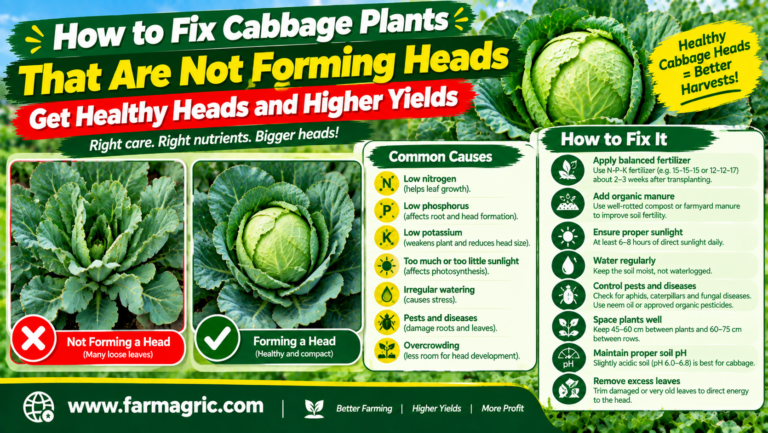
The earliest sign I look for is wilting that does not match the weather. If the plant droops in the afternoon and still looks tired the next morning, even when the soil is moist, the roots are probably in trouble, because the plant cannot draw up water through damaged roots.
Yellowing and dropping of the lower leaves, followed by leaf loss up the stem, is the next signal. Cassava sheds leaves for several reasons, including drought and pests, so use this sign together with the others and dig to confirm.
A plant that pulls out of the ground with almost no resistance is a strong sign that the root system has already decayed. The stem base may also look dark, soft, or water-soaked near the soil line.
When you dig, healthy roots are firm, with white flesh inside when cut. Rotted roots are soft, grey, brown, or black, often wet and slimy, and they give off a sour or foul smell. Sometimes you will see white fungal threads on the surface or in the soil around them.
Finally, watch for patches. Root rot often shows up in clusters where water collects, not evenly across the field. If the affected area matches the low spot on your land, drainage is your answer.
What I’d Do Differently If Starting Again Today
If I were starting over, I would never plant cassava on flat ground in a wet season again. I would build ridges from the very first year, because I lost far more to standing water in my early seasons than to any pest or disease. I would also be far pickier about my planting material, taking cuttings only from my healthiest plants and discarding anything doubtful, instead of using whatever stems were closest to hand.
I would walk my drainage before I planted, right after a heavy rain, and mark every place water sat, so I could either avoid those spots or dig channels before the crop was in. I would keep a simple notebook of where rot showed up each season, since the same patches tend to repeat until the drainage is corrected.
And I would stop treating the field as a bank that never closes. Harvesting in stages, taking mature roots as they are needed and clearing sections on time, has saved me far more than leaving everything until the market price looks right.
Frequently Asked Questions About Cassava Root Rot
What causes cassava roots to rot in the soil?
The most common cause is waterlogged, poorly drained soil, which suffocates the roots and lets soil fungi like Phytophthora, Pythium, and Fusarium attack them. Infected planting stems, root wounds from weeding or pests, and leaving roots in the ground too long also contribute.
Can I save cassava plants once the roots have started to rot?
Usually not, because rotted root tissue does not recover. What you can do is improve drainage right away, remove and destroy the badly affected plants so the disease does not spread, and harvest any healthy roots on nearby plants early before they are affected too.
Does planting cassava on ridges really prevent root rot?
Yes, ridges or mounds lift the roots above the wettest soil and help water drain away from them. In my experience this is the single most effective step against rot, especially on heavy or flat land.
How long can cassava stay in the ground before it starts to rot?
Most varieties are best harvested between nine and fourteen months. Some can stay in dry conditions for longer, but leaving roots through additional wet seasons raises the risk of rot and also makes the roots more fibrous and lower in quality.
Is root rot the same as cassava spoiling after harvest?
No. Root rot happens while the roots are still in the ground and is driven by wet soil and soil fungi. Spoilage that begins a day or two after harvest, with dark streaks appearing inside the root, is called postharvest deterioration and needs different handling, such as processing or selling quickly after digging.
If there is one thing I want you to take from all this, it is this: cassava will forgive poor soil, weeds, and even a dry season, but it will not forgive water sitting on its roots, so give the water somewhere to go before you ever put a cutting in the ground.