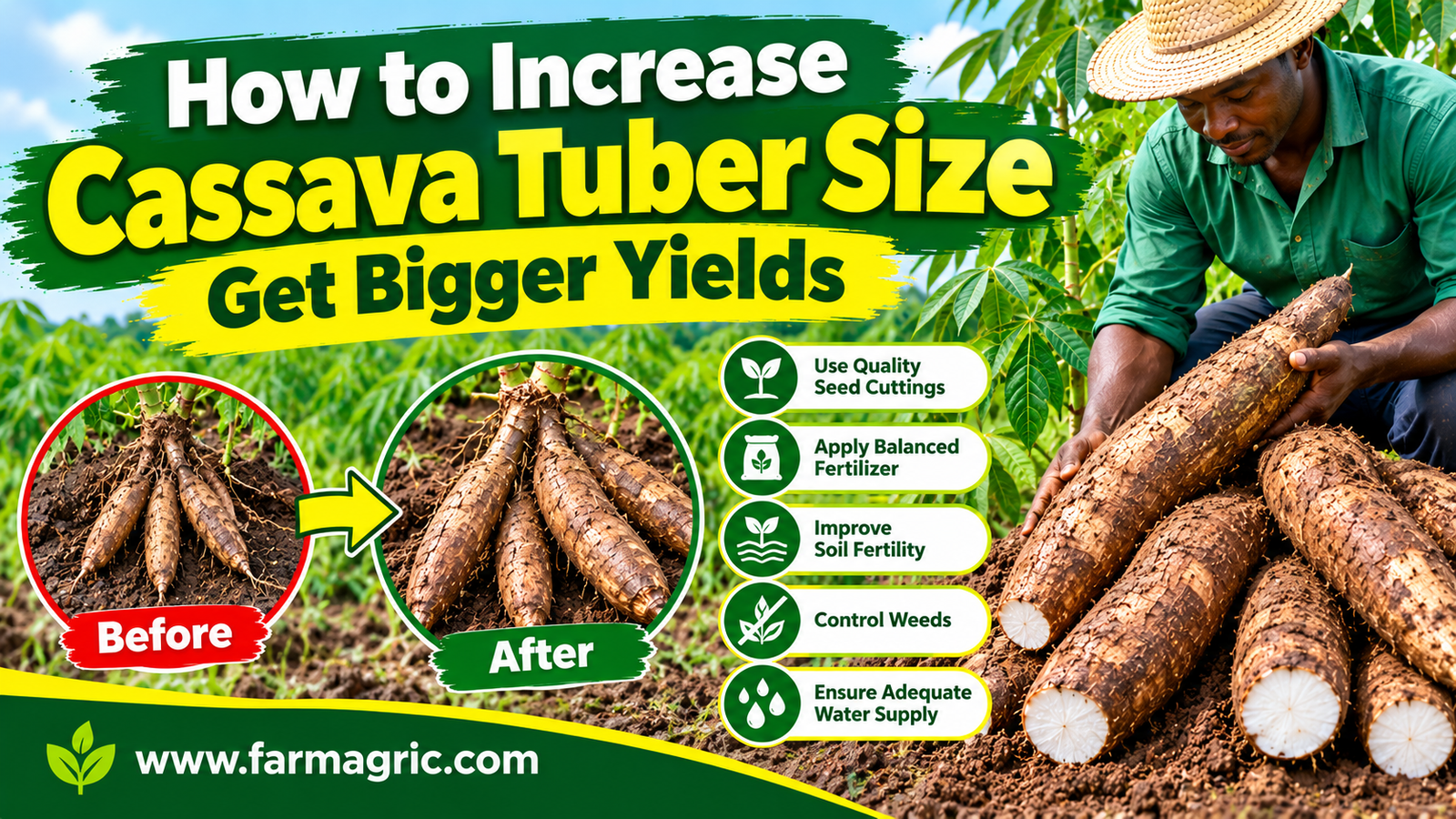
How to Increase Cassava Tuber Size
How to Increase Cassava Tuber Size: A Farmer’s Guide to Growing Bigger, Heavier Roots
I once dug up a full row of cassava that had grown tall, thick-stemmed, and leafy, the kind of plants that make a farmer proud when he walks the field in the evening. Then I pulled the first plant and found a handful of thin, stringy roots no bigger than my wrist. All that green growth above the ground had fooled me completely. The plant had put its energy into leaves and stems, and almost nothing into the roots I was actually growing it for. My neighbor’s field next to mine looked far less impressive from the path, yet when he harvested, his roots were long, fat, and heavy enough that two of them filled a basin. That season I stopped judging cassava by how it looks above the soil, and I started asking what the plant was doing below it.
So let me answer you straight, because I know you want bigger roots and you are tired of digging up disappointment. You increase cassava tuber size by planting healthy cuttings of a high-yielding variety on loose, well-drained ridges, spacing plants so each one has room, supplying enough potassium and a balanced amount of nitrogen and phosphorus, keeping the field weed-free during the first three to four months, and harvesting at the right age instead of too early or too late. Big roots come from a plant that is free to spread its roots in loose soil, is fed properly, and is not forced to fight weeds or neighbors for what it needs. Most farmers who complain about small tubers are dealing with hard soil, crowded plants, too much nitrogen, or too little potassium, and often more than one at the same time.
Why Cassava Roots Stay Small
Cassava stores its energy in the swollen roots underground. The plant builds sugars in its leaves and sends them down to fill those roots with starch. Anything that limits the leaves, the roots, or the movement of sugars between them limits tuber size. Compacted soil stops roots from swelling. Weeds steal water and light during the months when the tubers are being set. Too much nitrogen pushes the plant to grow leaves instead of roots. Too little potassium slows the transport of sugars into the roots. A weak or unsuitable variety simply does not have the genetic ability to produce large roots, no matter how well you look after it.
Timing matters too. Cassava sets the number of storage roots early, in roughly the first two to three months, and then spends the following months filling those roots and making them bigger. A farmer who neglects the field early loses roots that were never formed, and no amount of care later brings them back.
What Most Farmers Get Wrong
The first mistake, and it was mine, is judging the crop by the leaves. A field covered in dense green leaves can hide poor root development, especially when the farmer has applied too much nitrogen, often through heavy manure or high-nitrogen fertilizer. The plant grows tall and leafy, and the roots stay small.
The second mistake is planting on hard, compacted soil without loosening it. Roots cannot swell properly in soil they cannot push through. Farmers who plant into unploughed, crusted ground often see long, thin, twisted roots instead of thick, straight ones.
The third mistake is using whatever cuttings are available without thinking about variety or quality. Old varieties that have been replanted for many years, often carrying hidden viruses such as cassava mosaic disease, yield much less than clean, improved planting material. Many farmers blame the soil when the real problem is the stem they planted.
The fourth mistake is planting too close together. Crowded plants compete for light and soil space, and each one produces fewer and smaller roots. Some farmers also plant too far apart, but crowding is far more common in small plots where people try to squeeze in more stands.
The fifth mistake is ignoring potassium. Cassava removes a lot of potassium from the soil, and many farmers apply only nitrogen and phosphorus, or nothing at all, season after season, until the soil cannot support big roots any longer.
The sixth mistake is harvesting at the wrong time. Digging too early, at six or seven months, gives small roots that have not had time to fill. Waiting far too long lets the roots turn woody and fibrous, and increases the risk of rot.
Step-by-Step Plan to Grow Bigger Cassava Roots
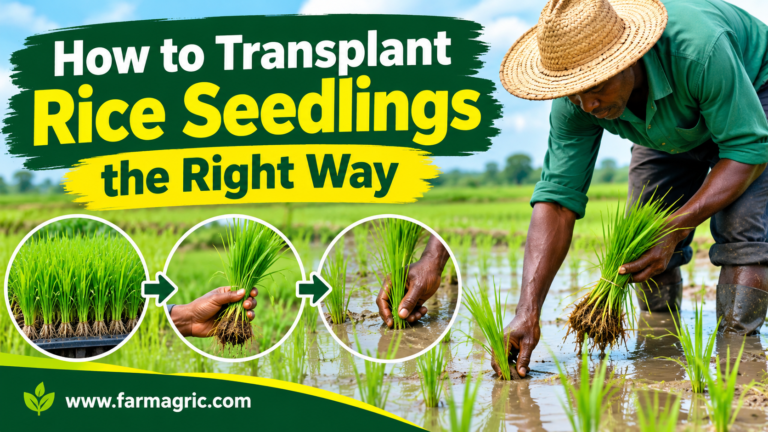
1. Choose a high-yielding, disease-tolerant variety. Ask your local agricultural extension office or research institute which improved varieties do well in your area. Improved varieties that resist cassava mosaic disease and other common problems can yield far more than old local types, and they are usually worth the effort of finding.
2. Get clean, healthy planting material. Take cuttings from vigorous, disease-free plants that are eight to twelve months old. Use the mature, woody part of the stem, about twenty to thirty centimeters long with several healthy nodes. Discard any cutting from a plant showing mosaic patterns, stunting, or rot.
3. Prepare the soil so roots can swell freely. Plough or hoe the land deeply enough to loosen the top thirty centimeters. Break up hard layers and remove large stones and stumps where possible. Loose, crumbly soil is the single most important physical condition for large roots.
4. Plant on ridges or mounds. Ridges about thirty to fifty centimeters high give the roots loose soil to grow into and keep them out of standing water. This helps tuber size and also protects against rot.
5. Space plants correctly. A spacing of about one meter between rows and eighty centimeters to one meter between plants suits most varieties, which works out to roughly four thousand to five thousand plants per acre. Check the recommendation for your specific variety, since some branch more widely than others.
6. Plant the cutting properly. Lay it flat or push it in at a slight angle, about five to ten centimeters deep, with at least two or three nodes below the surface. Plant at the start of the rains so the crop establishes well before any dry spell.
7. Weed early and keep the field clean for the first three to four months. This is the window when the number and early size of the roots are decided. Weed shallowly and carefully to avoid cutting roots. Mulching between ridges helps hold moisture and reduces the number of weeding passes.
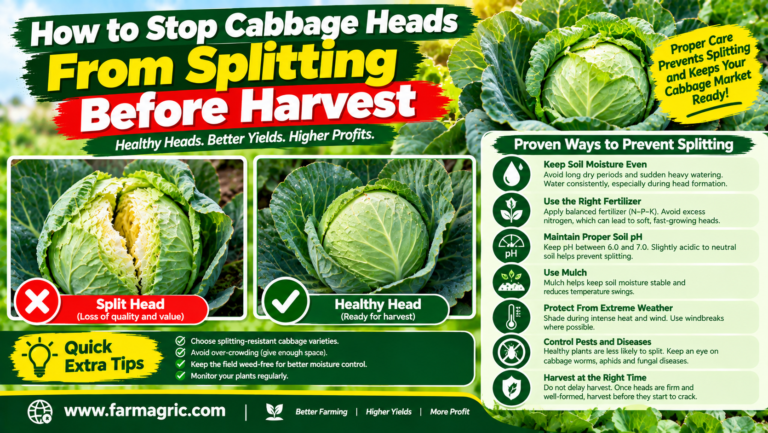
8. Feed the crop, with special attention to potassium. A soil test gives the best guide. Where you cannot test, a balanced compound fertilizer with a good potassium content, applied around one to two months after planting, works well on most soils. Wood ash and well-rotted manure also supply potassium and improve soil structure. Avoid heavy doses of nitrogen alone, since these produce leaves at the expense of roots.
9. Split fertilizer if you apply a lot. Placing fertilizer in a small ring or band ten to fifteen centimeters from the plant, then covering it lightly, works better than scattering it on the surface. Do not put it directly against the stem.
10. Control pests and diseases that shrink the crop. Scout for cassava mosaic disease, cassava green mites, mealybugs, and whiteflies. Remove severely diseased plants early and replace them with clean cuttings. A plant fighting disease diverts energy from the roots.
11. Manage moisture sensibly. Cassava tolerates dry spells, but a long drought during the tuber-filling months slows growth. Where you have some access to water, a light irrigation during a prolonged dry spell in the first six months protects yield. Never let water stand around the plants.
12. Rotate and rest the land. Following cassava with maize, cowpea, or groundnut for a season or two rebuilds the soil and breaks disease cycles. Planting cassava on the same land year after year steadily reduces tuber size.
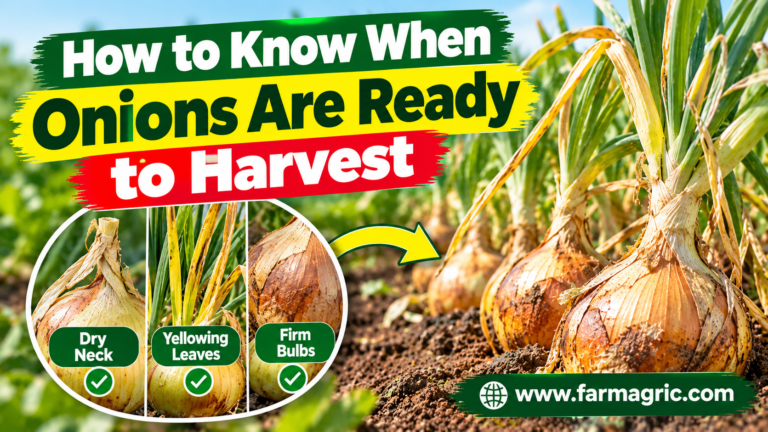
13. Harvest at the right time. Most improved varieties reach a good size between nine and twelve months, and some earlier types between seven and nine months. Dig a test plant every few weeks as you approach that window. When the roots are thick and heavy with firm white flesh, harvest before the roots turn woody or begin to rot.
Warning Signs Your Tubers Will Stay Small
Tall, dark green, very leafy plants with thin stems and few branches suggest too much nitrogen relative to potassium and phosphorus. The plant is putting its energy into the wrong place.
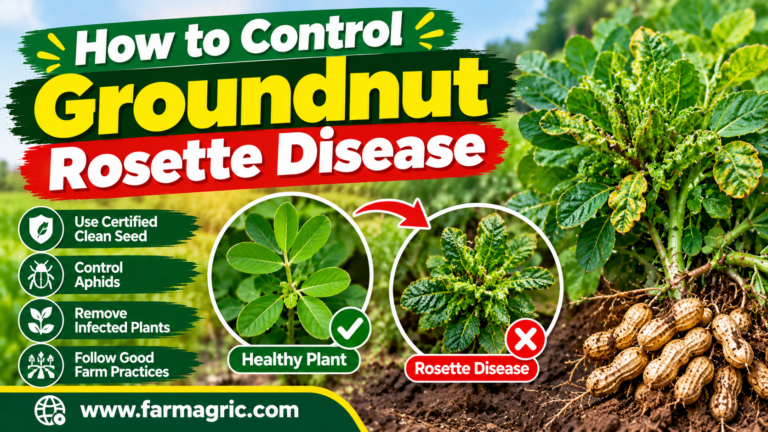
Leaves with yellow mosaic patterns, curled and distorted shapes, or a generally stunted look point to cassava mosaic disease, which can cut root yield dramatically.
Plants that look weak and pale, with lower leaves dropping early, often signal poor fertility or compacted soil that has restricted the roots from the beginning.
When you dig a test plant at four to six months and find only a few thin, pencil-sized roots, the number of storage roots has been limited by early stress, weeds, or hard soil, and you should adjust your management next season.
Roots that are long, thin, and twisted usually come from compacted soil, while roots that are short and stubby with lots of fibrous branching can point to nutrient shortages or waterlogging.
What I’d Do Differently If Starting Again Today
If I were starting over, I would spend far more effort on the soil before planting and far less on worrying about the leaves afterward. I would loosen the ground deeply and build proper ridges in the very first season, since I now know how much of my early small-root problem came from planting into hard, tired soil.
I would seek out clean, improved planting material from a trusted source instead of recycling old stems from my own field, because I lost several seasons of yield to mosaic disease that I did not recognize at the time. I would also apply potassium deliberately from the start, using ash, manure, and compound fertilizer, rather than pouring on nitrogen and wondering why the roots stayed thin.
I would weed thoroughly during the first three months without fail, since that is when the plant is deciding how many roots it will build. And I would dig a test plant regularly as harvest approached, so that I chose my harvest date by what was actually in the ground and not by the calendar or by how good the field looked from the path.
Frequently Asked Questions About Cassava Tuber Size
Why are my cassava roots long and thin instead of thick?
This is most often caused by compacted soil, crowded planting, or low potassium. Loosening the soil deeply, planting on ridges, spacing plants properly, and applying potassium usually improves root thickness in the next crop.
Does fertilizer really help cassava produce bigger roots?
Yes, especially on tired soils. Potassium is the most important nutrient for root bulking, alongside balanced nitrogen and phosphorus. Too much nitrogen on its own, however, encourages leafy growth and can reduce root size.
How long does it take for cassava roots to get big?
Most improved varieties give a good harvest between nine and twelve months after planting, though some early varieties are ready sooner and some local types take longer. Digging a test plant is the most reliable way to check.
What is the best spacing for large cassava roots?
For most varieties, about one meter between rows and eighty centimeters to one meter between plants works well, giving each plant enough room to develop large roots without heavy competition. Check the recommendation for your particular variety.
Can weeds really reduce the size of cassava roots?
Yes, particularly in the first three to four months, when the plant is setting its storage roots. Weeds compete for water, light, and nutrients during this window, and the loss cannot be fully recovered later even if you clean the field afterward.
If there is one thing I want you to remember from all this, it is that cassava hides its real story underground, so give the roots loose soil, room to spread, and enough potassium, and stop judging the crop by the leaves above, because the plant that looks proudest from the path is very often the one that disappoints at the digging.