Nigeria Moves to Overhaul Agricultural Extension System for Farmers
Nigeria Moves to Overhaul Agricultural Extension System for Farmers
The Federal Government has called for a major overhaul of Nigeria’s agricultural extension system, saying farmers need reliable, practical and timely advice that responds directly to their production needs, markets and local farming conditions.
The call was made at the Africa Agribusiness Extension Summit held in Abuja, where government officials, agricultural organisations, researchers and other stakeholders discussed how to strengthen extension services across Nigeria and Africa.
Minister of State for Agriculture and Food Security, Senator Aliyu Abdullahi, said the country must move away from an extension system that simply supplies information to farmers and instead develop a demand-driven model.
Under the proposed approach, agricultural advice would be based on what farmers actually need, the crops they produce, the conditions in their locations and the markets available for their produce.
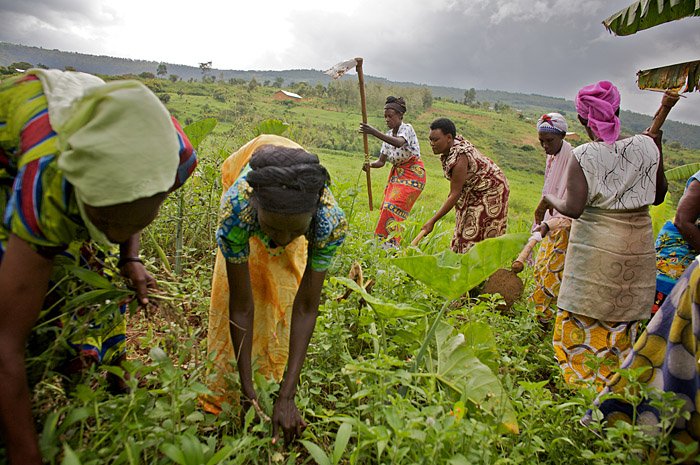
For farmers, the difference could be important. Agricultural extension workers are often the link between research institutions and farmers, helping producers understand issues such as improved seed varieties, fertiliser application, pest control, animal health, soil management and modern production techniques.
The government said extension services should become a lasting part of agricultural infrastructure rather than being delivered mainly through short-term projects.
Agriculture Minister Abubakar Kyari said Nigeria and other African countries face a shortage of agricultural extension workers at a time when the continent’s farming population needs access to better knowledge and technology.
He said extension services should be treated as infrastructure in the same way that roads and power systems are viewed as essential to economic activity.
Extension Africa, a private agricultural advisory organisation, disclosed at the summit that it has trained more than 8,000 agricultural extension workers, including workers operating in Kenya. The organisation also called for greater use of technology and artificial intelligence to improve the delivery of agricultural advice.
Technology is increasingly becoming part of the proposed new extension system. Farmers who have access to smartphones could receive information through applications, while those in rural communities could potentially access advice through voice services and other channels.
This is particularly relevant in Nigeria, where many farmers operate in areas with limited internet access and where language can also affect how effectively agricultural information is communicated.
Extension Africa said farmers in rural areas may prefer to receive agricultural information in their local languages and may also want the opportunity to communicate directly with extension agents rather than relying entirely on written digital information.
The government, however, warned that the use of artificial intelligence in agricultural extension must be handled carefully.
Kyari said inaccurate information generated by AI could cause serious problems if it was delivered to large numbers of farmers. He therefore stressed the importance of ensuring that digital agricultural advice is accurate and appropriate for the farmer, crop and location involved.
For a farmer, wrong advice about fertiliser rates, pest treatment, planting dates, livestock medication or disease control can result in financial losses. This makes the quality and verification of digital agricultural information particularly important as technology becomes more widely used.
The Federal Department of Agricultural Extension has also called for greater coordination among organisations involved in agricultural advisory services.
Officials said feedback from farmers should be used to identify production problems and guide agricultural research. A more coordinated system could also help reduce duplication among organisations delivering extension services in the same communities.
The government is also working with stakeholders on an agricultural extension bill currently before the National Assembly. The proposed legislation is expected to provide a stronger framework for the delivery and coordination of extension advisory services.
For farmers, the success of any reform will ultimately depend on what happens at farm level.
A farmer who receives useful advice at the right time can make better decisions about planting, input application, pest management, harvesting and marketing. But advice that arrives too late, is not suited to local conditions or does not reflect current market realities may have limited value.
The government is therefore pushing for an extension system that connects farmers not only with agricultural knowledge, but also with research institutions, markets and technology.
As Nigeria and other African countries work to increase food production, the renewed focus on agricultural extension places greater attention on the people responsible for taking improved farming knowledge directly to producers.
For farmers across the country, the important question now is how quickly the proposed changes will translate into stronger field-level extension services, more trained advisers and practical information that can help producers improve yields and manage the rising cost of farming.