Soybeans Left Out of US-China Tariff Cuts: What It Means for Farmers
Soybeans Left Out of US-China Tariff Cuts: What It Means for Farmers
Soybean growers in the American Midwest got a bitter surprise this week. A trade deal that was supposed to open doors for U.S. farm goods in China left their biggest export crop standing outside, still facing a 10 percent Chinese tariff.
The two governments released matching lists of non-sensitive products worth about $30 billion each, the Associated Press reported. These are goods that will see lower tariffs, and the announcement came days after Chinese President Xi Jinping finished his state visit to Washington, his first to the United States since 2015. The Chinese list covers 1,619 American items, ranging from agricultural commodities to personal care products, timber, medical equipment and coal. On the other side, 77 categories of Chinese goods are covered, mostly consumer items such as toys, tableware and Christmas decorations.
China’s commerce ministry said tariffs on more than 90 percent of the listed products will drop to standard most-favoured-nation levels. In plain terms, the extra country-specific duties that built up during the trade war are effectively being removed on those items. The U.S. Trade Representative said the lists focus on goods that could benefit from friendlier treatment and that the deal could help secure market access for American farmers, manufacturers and workers.
Farm products did make the cut. According to the South China Morning Post, the agricultural items on China’s list include meat, dairy, corn, wheat, sorghum and vegetable oils. Ranchers, grain growers and dairy producers have reason to be pleased. The one major crop missing is soybeans.
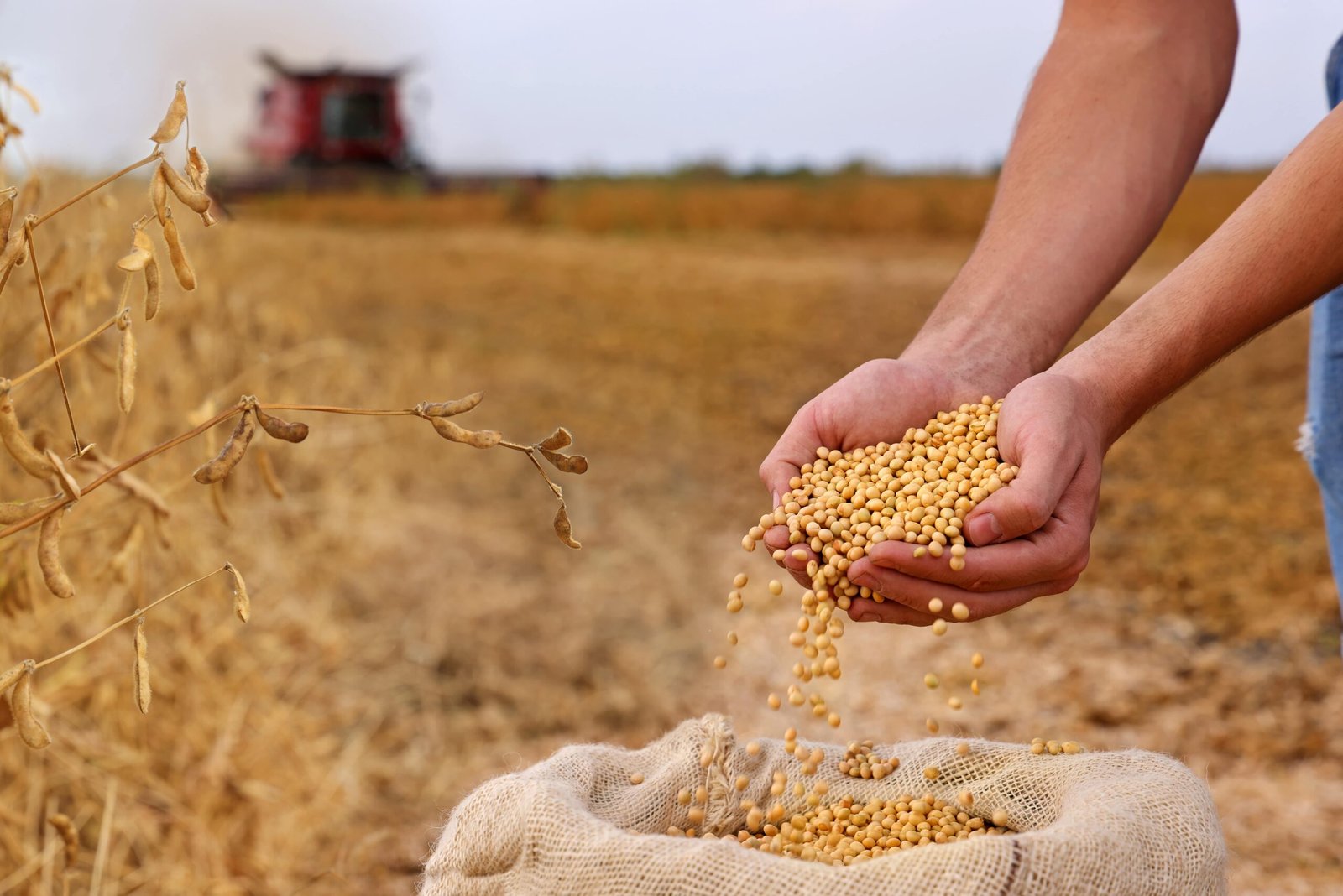
That absence matters because soybeans are the crop that took the heaviest blow when the trade war began. China, long the world’s biggest buyer of American soybeans, stopped purchasing them altogether last year after tariffs were raised on Chinese goods. A truce reached in South Korea last October got the buying going again, but Beijing’s 10 percent retaliatory tariff on U.S. soybeans never went away. Brazilian beans enter that same market without that burden, and that is the gap American growers have been complaining about for months.
Before the summit, many analysts and industry groups expected soybeans to be included on the non-sensitive list, the Post noted. When the list came out without them, grain traders reacted quickly. Pro Farmer reported that soybeans and soybean meal led the overnight declines in the grain markets after a Chinese update on the summit made no mention of U.S. soybeans.
For farmers on the ground, the disappointment is personal. John Bartman, a fifth-generation soybean farmer from Illinois, called the omission a missed opportunity for the American farmer. He told the Post that some grain bins are still holding soybeans from last season, and that high diesel prices are putting part of this year’s harvest at risk of being left in the field. Bartman described that situation as tragic. He also pointed out that China’s existing buying promise is smaller than what the country used to purchase on average before the trade fights began.
That promise is the other half of this story. After the Busan meeting last October, Beijing committed to buy 12 million metric tonnes of U.S. soybeans by the end of last year and 25 million metric tonnes every year through 2028. The Bloomberg report, relayed by Pro Farmer, explains that soybean purchases now sit on a separate track, outside the new Board of Trade arrangement. Feng Chucheng, a founding partner at Beijing-based Hutong Research, said that arrangement gives China leverage to restrain American actions, especially with U.S. midterm elections coming in November.
The buying so far gives growers some reason for hope. The American Soybean Association estimated that as of September 11, Chinese buyers had ordered 15.5 million metric tonnes of U.S. soybeans this marketing year, compared with just 3.7 million tonnes at the same point last year. That is a big improvement, and traders expect more regular shipments to China as new-crop beans start moving this autumn. Still, an order is not a delivered cargo, and farmers have learned from the last two years not to count a sale until the ship sails.
The association had asked the White House in a letter dated September 17 to push for soybeans to be added to the non-sensitive goods list. Its argument was simple: tariffs on soybeans leave American growers at a competitive disadvantage to Brazil, and a long-term, stable arrangement would protect the market. That request did not make it into the final lists.
Sorghum growers are watching closely too. The National Sorghum Producers want China to drop its 10 percent tariff on U.S. sorghum and to commit to buying between 5 million and 7 million metric tonnes each year. China has historically taken close to 80 percent of American sorghum exports, so the crop depends on that single customer even more than soybeans do. Sorghum is on the new list, which is a good sign, though the group has said farmers need commitments that turn into actual grain sales and not just announcements.
The wider trade picture is calmer than it was a year ago, but nowhere near normal. Tariffs on Chinese goods reached as high as 145 percent at one point last year. Capital Economics estimates that, even after this deal, the average U.S. tariff rate on China will only slip from around 22 percent to roughly 20.5 percent, compared with about 11 percent before the current administration returned to office. The two countries also agreed last week to extend their broader trade truce by two months, pushing the deadline from November 10 into January. More meetings are planned, including the Asia-Pacific Economic Cooperation summit in Shenzhen in November and the Group of 20 summit in Florida in December. An ING economist told the AP he does not expect a major flare-up in trade tensions before the end of the year.
Agriculture Secretary Brooke Rollins has defended the administration’s record, saying the president continues to deliver for farmers and ranchers. Farm groups, meanwhile, are asking for something firmer than promises. Both governments said they will form a working group on agriculture under the Board of Trade, and the product lists can be adjusted, though changes are expected no more than once a year. That leaves a door open for soybeans, but nobody has named a date.
What does all this mean for farmers, including those who grow far from Illinois or Iowa? Soybeans are traded on a world market, and a change in who buys from whom ripples outward. If China leans on American beans to meet its commitment, Brazilian and Argentine exporters may find other buyers, and prices in those markets move too. If Chinese buying slows down, American beans could pile up in storage and push down prices that every exporter has to compete with. Soybean meal is also a major livestock and poultry feed, so cheaper or dearer beans end up shaping what feed costs on farms in Africa, Asia and Europe. Growers who buy meal for their animals should keep an eye on this story.
For soybean growers themselves, the next few weeks call for patience and good records. Watch the weekly export sales reports to see whether Chinese purchases keep flowing at the pace the association described. Keep an eye on what comes out of the new agricultural working group. Think carefully before locking in sales or storage plans based on headlines alone, and talk with a marketing adviser you trust. None of this is financial advice, but the lesson of the last two years is clear: trade news can move prices fast, in both directions.
For now, the verdict from the fields is mixed. Corn, wheat, beef, dairy and sorghum producers have something to cheer. Soybean growers have a purchasing promise, a strong start to buying, and a missing line on the most important list of the year. Many of them, like Bartman, are asking why their crop was left out. The answer may come in November, or in December, or whenever the two presidents sit down again.