First US Horse Infected With Screwworm: What Livestock Farmers Must Know
First US Horse Infected With Screwworm: What Livestock Farmers Must Know
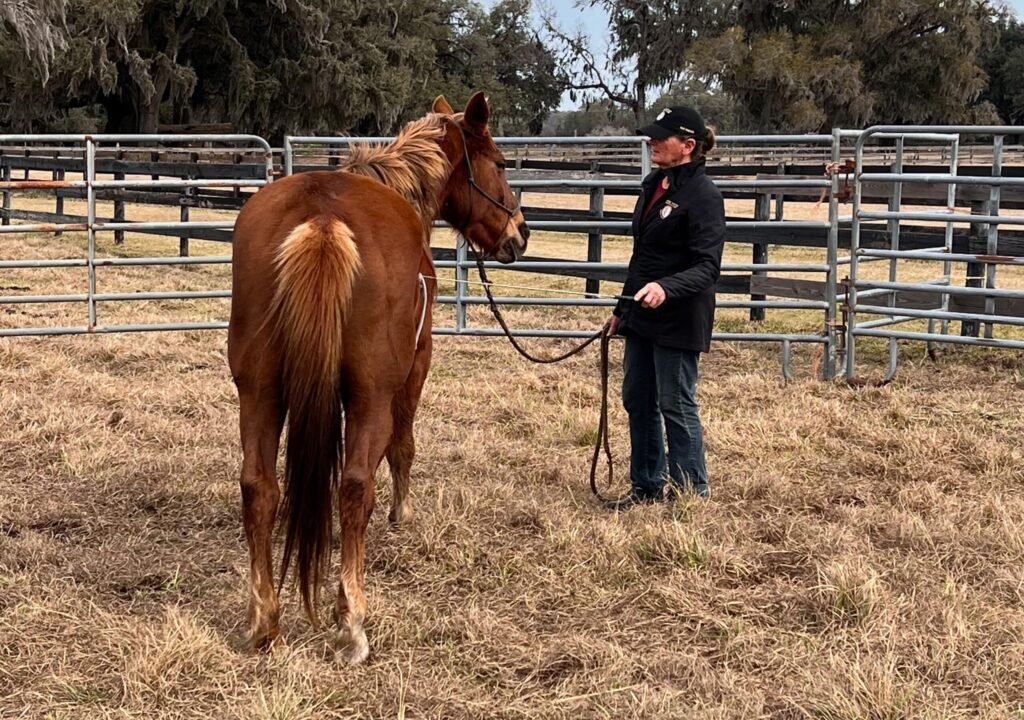
A horse in southern Texas has become the first confirmed equine case of New World screwworm in the United States, adding another livestock species to the list of animals affected by the parasite as authorities continue efforts to contain its spread.
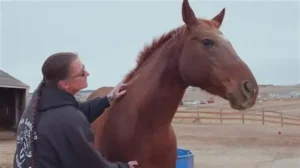
The case was confirmed in Presidio County, Texas, near the Mexican border, in September 2026. The affected animal was identified as a working ranch horse, with the infestation found on its hind limb.
New World screwworm is a serious livestock pest because its larvae feed on the living tissue of warm-blooded animals. The infestation usually begins when an adult female fly lays eggs in a wound or other damaged tissue. The larvae then develop inside the wound and can cause severe injury if the condition is not detected and treated quickly.
The confirmation in a horse is significant because the parasite is capable of affecting more than cattle. Horses, dogs, wildlife and other warm-blooded animals can also become hosts when they have suitable wounds that attract the screwworm fly.
The latest case comes several months after the United States confirmed the return of New World screwworm in Texas. The first confirmed U.S. case in the current outbreak was detected in a young calf in Zavala County in June. Additional cases were subsequently identified in cattle and other animals as authorities expanded surveillance.
Texas officials responded to the horse case by placing movement restrictions on warm-blooded animals from the affected area. The restrictions are designed to reduce the possibility of an infested animal carrying the parasite into areas where it has not been detected.
For livestock farmers, the development is a reminder that wounds on animals should not be ignored, particularly in regions where New World screwworm has been detected or where animals may have been exposed to affected areas.
Farmers and ranchers should regularly inspect animals for unusual wounds, especially around areas that are difficult to see. Fresh wounds, wounds that appear to be getting worse, foul-smelling lesions, excessive irritation or the presence of maggots should receive immediate veterinary attention.
Early detection is important because New World screwworm can cause serious tissue damage. If treatment is delayed, an infestation can become life-threatening.
The parasite is different from ordinary flies that may be found around farms. New World screwworm larvae invade living tissue rather than feeding only on dead material. This makes an untreated infestation particularly dangerous to livestock.
The United States Department of Agriculture and state animal-health authorities have continued surveillance and control measures in affected parts of Texas. These measures include animal inspections, movement controls, monitoring of wildlife and the release of sterile screwworm flies as part of efforts to reduce reproduction of the pest.
The USDA has also introduced measures relating to the movement of animals from areas affected by screwworm. Horses coming from Mexico or transiting through affected regions face specific import requirements, including veterinary certification, quarantine and screwworm-related inspection and treatment procedures.
The current situation also has implications beyond the United States. New World screwworm has long been recognised as a major threat to livestock production in tropical and subtropical regions. Farmers in countries where the parasite is present need to maintain good wound management, animal inspection and farm biosecurity practices.
For African livestock farmers, the Texas outbreak is another reminder of the importance of animal-health surveillance. International movement of livestock and other animals can create opportunities for animal pests and diseases to spread between regions when proper controls are not maintained.
Farmers should therefore avoid moving animals with unexplained wounds until they have been examined by a qualified animal-health professional. Where a suspected screwworm infestation is identified, reporting it quickly can help authorities investigate and prevent further spread.
The Texas case does not mean that every wound or maggot infestation on livestock is New World screwworm. Other parasites and wound-related conditions can produce similar signs. Proper identification by veterinary authorities is therefore essential before conclusions are made.
As surveillance continues in Texas, livestock owners are being encouraged to strengthen routine animal checks and pay particular attention to wound care. For farmers, the most practical defence remains early detection, prompt treatment, responsible animal movement and strong farm biosecurity.