How to Find International Buyers for Agricultural Products
Finding buyers for agricultural products is one of the most important steps in turning agricultural production into an export business. A farmer or exporter can have a good-quality commodity, adequate supply and proper packaging, but without a reliable buyer, the product may remain in storage or be sold into a less suitable market.
For Nigerian agricultural businesses, the challenge is not simply finding somebody overseas who says they want to buy. The real objective is to identify an importer whose business actually uses the product, confirm that the company is legitimate, understand its requirements and establish commercial terms that protect both sides.
There are several ways to build this type of buyer network. International buyer directories, trade fairs, importer research, industry associations, government-supported matchmaking and direct business development can all produce leads. However, every lead still needs to be qualified and verified before an exporter commits significant money or ships valuable produce.
One common agricultural export problem occurs when the commercial contract contains specifications that the exporter cannot consistently meet.
Before accepting the order, compare the buyer’s requirements with your actual supply.
If the buyer requires a particular moisture level, grade, packaging format or certification, confirm that you can meet it before signing.
Do not agree to specifications simply because you want to secure the order.
A contract that looks commercially attractive can become expensive if the exporter later has to reprocess, replace or reject a large quantity of produce.
Finding buyers for agricultural products requires more than putting a product advertisement online and waiting for enquiries.
The strongest approach begins with a clearly defined agricultural product and a specific target market. From there, exporters can use buyer directories, trade fairs, importer research, industry networks and NEPC matchmaking services to identify potential customers.
The next step is qualification.
A genuine buyer should be able to explain what they purchase, what specifications they require, what quantities they normally handle and how they intend to conduct the transaction. The exporter should independently verify the company’s identity and the person representing it before committing significant resources.
Samples can then establish whether the product meets expectations, while a properly prepared contract records the commercial agreement.
For Nigerian farmers and exporters, the goal should not simply be to collect the largest possible number of buyer contacts. The objective is to develop a smaller network of relevant, verified and commercially suitable buyers who can potentially become repeat customers.
Frequently Asked Questions
How can I find buyers for agricultural products?
You can find potential buyers through international buyer directories, trade data, agricultural trade fairs, industry associations, embassies, direct importer research and export-promotion organisations. Nigerian exporters can also use NEPC’s international buyer directories and matchmaking services.
Where can I find international buyers for Nigerian agricultural products?
Start by identifying companies that already import your specific commodity in your target market. NEPC provides international buyer-directory resources and matchmaking services, while trade fairs and importer databases can provide additional prospects.
How do I know whether an international buyer is genuine?
Independently check the company’s identity, physical address, website, business activity and contact information. Also verify the person communicating with you through an independently sourced company channel. For substantial transactions, additional legal or commercial due diligence may be appropriate.
Should I send samples to an international buyer?
Samples are useful when the buyer needs to assess product quality before placing a commercial order. The sample should accurately represent the product you intend to supply, and the exporter should agree with the buyer on specifications, quantity, testing and shipping arrangements.
What should an agricultural export contract contain?
The contract should clearly identify the buyer and seller, product, quantity, quality requirements, price, currency, delivery terms, payment arrangements, documentation, inspection requirements and procedures for handling claims or disputes. The appropriate Incoterm should also be stated clearly.
How can I avoid fake agricultural buyers?
Do not rely solely on a website, email address or purchase order. Independently verify the company and the person contacting you. Be particularly cautious about unexplained upfront fees, urgent payment requests, inconsistent company information and instructions to send goods without appropriate payment protection.
Can NEPC help Nigerian exporters find buyers?
Yes. NEPC’s matchmaking service handles trade enquiries, facilitates contacts between relevant parties and publishes trade information and opportunities. NEPC also provides international buyer-directory and trade-promotion resources.
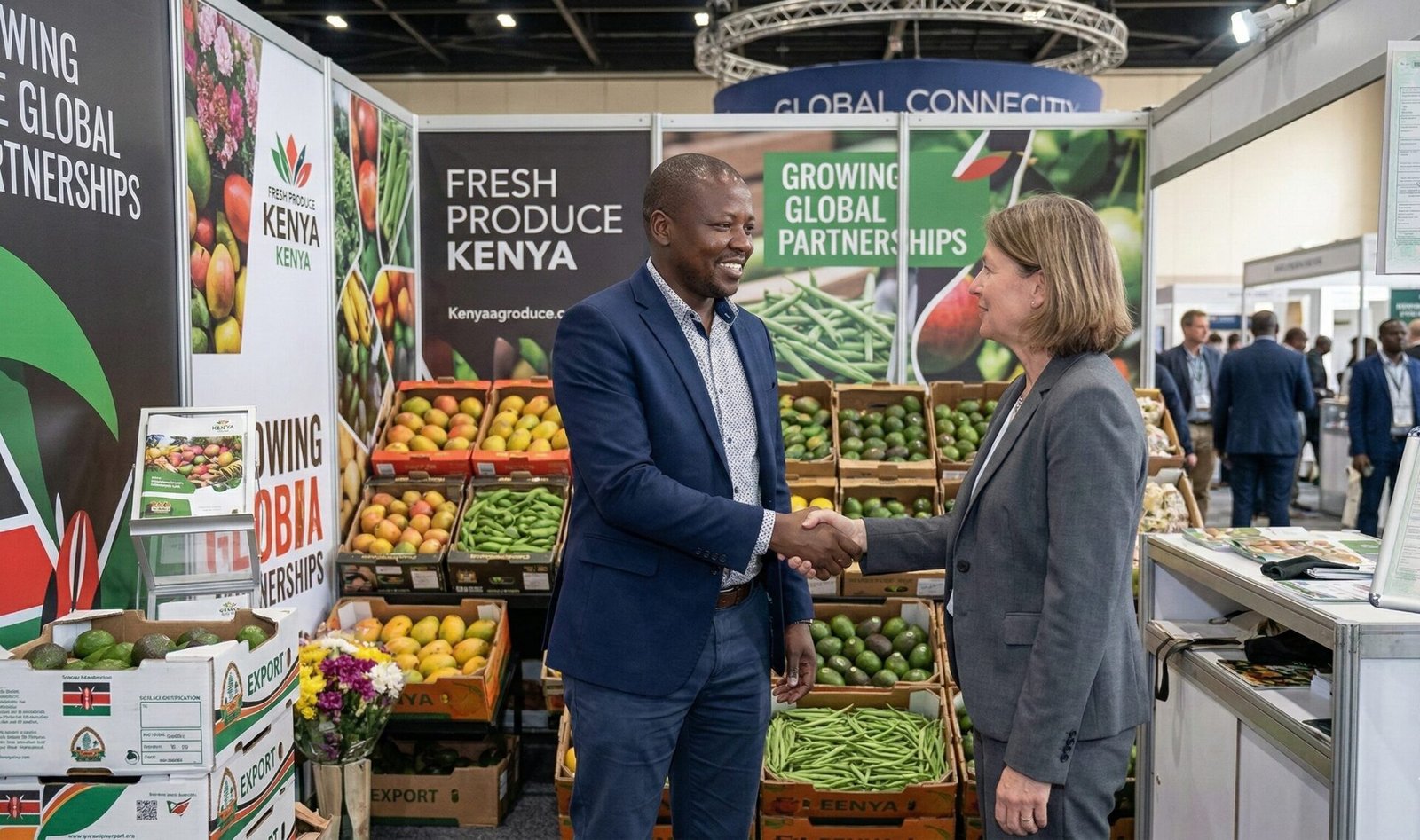
Can I attend international agricultural trade fairs to find buyers?
Yes. Trade fairs can provide opportunities to meet importers and other commercial contacts directly. NEPC recommends selecting fairs based on the target market and buyer profile, preparing in advance and following up promptly with contacts made at the event.