US Cattle Herd Near Historic Low as Beef Prices Continue to Rise
US Cattle Herd Near Historic Low as Beef Prices Continue to Rise
Beef prices in the United States have continued to climb as the country’s cattle supply remains close to historic lows, putting pressure on consumers while creating a difficult market for ranchers trying to rebuild their herds.
Ground beef reached an average retail price of $7.16 per pound in August 2026, according to U.S. Bureau of Labor Statistics data reported by WTTW. The price was 7.9 percent higher than a year earlier, considerably above the overall annual inflation rate reported for the same period.
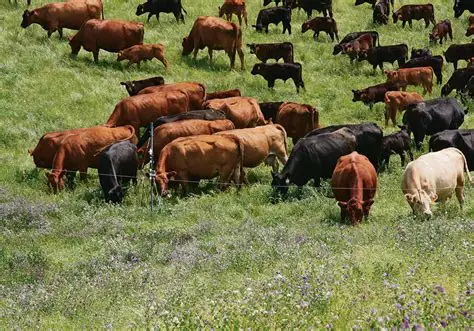
The rise in beef prices is closely connected to the limited supply of cattle available for slaughter. The U.S. beef cow herd stood at about 28 million head in July, according to U.S. Department of Agriculture figures cited in the report. That was roughly unchanged from the previous year but significantly below the approximately 32 million head recorded in 2020.
The decline in cattle numbers has developed over several years and has been influenced by drought, feed costs and difficult economic conditions for ranchers. When pasture conditions deteriorate and the cost of maintaining cattle rises, some producers respond by reducing the size of their herds.
Rebuilding those herds is much slower than reducing them.
A beef cow generally produces one calf a year, and that calf requires additional time to reach a marketable size. This means that even when market conditions begin encouraging ranchers to retain more female cattle for breeding, the additional animals do not immediately translate into a larger supply of beef.
That long production cycle is one of the major factors currently affecting the U.S. beef market.
For cattle farmers, the situation creates a complicated decision. High beef prices can provide stronger returns at some points in the supply chain, but expanding a herd requires farmers to keep breeding animals rather than selling them. That means giving up immediate income in the hope of earning more from a larger herd later.
Feed and fuel costs also remain important considerations. Persistent drought in parts of the United States has increased pressure on forage supplies and raised feeding costs for some cattle operations.
The imbalance between cattle supply and consumer demand has also affected the relationship between ranchers, processors and retailers. Farmers sell their cattle into a market where prices are influenced by processors, distributors and other businesses before beef reaches supermarket shelves.
Agricultural economists cited by WTTW said the long production period makes it difficult for cattle producers to respond quickly to changes in prices. Market uncertainty can also discourage farmers from making the large investments required to rebuild herds.
The situation has been further complicated by concerns over international trade, processing capacity and New World screwworm, a livestock pest that has recently become an additional concern for the U.S. cattle industry.
The federal government has also taken steps to increase beef imports. At the end of August, the administration announced measures aimed at encouraging the importation of 300,000 metric tonnes of lean beef trimmings, which are commonly used in ground beef production.
The move has generated debate within the cattle industry over whether additional imports will provide meaningful relief for consumers while protecting the economic position of domestic cattle producers.
For consumers, imported beef can add supply to the market, but the impact on retail prices depends on several factors across the beef supply chain. The continued strength of consumer demand also means that increased supply does not automatically translate into a large reduction in supermarket prices.
For cattle farmers, the bigger question is whether current market conditions will eventually provide enough incentive to rebuild the national herd.
A larger cattle population would take time to develop because ranchers need to retain breeding females, produce calves and raise those animals through the production cycle. Any significant increase in beef supply therefore cannot happen overnight.
The current market is consequently being watched closely by cattle producers, meat processors, retailers and consumers.
With the U.S. cattle herd remaining near historically low levels and retail beef prices continuing to rise, the decisions made by ranchers during the next several production cycles could have an important effect on the country’s future beef supply.
For farmers, the situation also demonstrates why cattle production requires long-term planning. Market prices can change quickly, but building or reducing a herd is a much slower process.