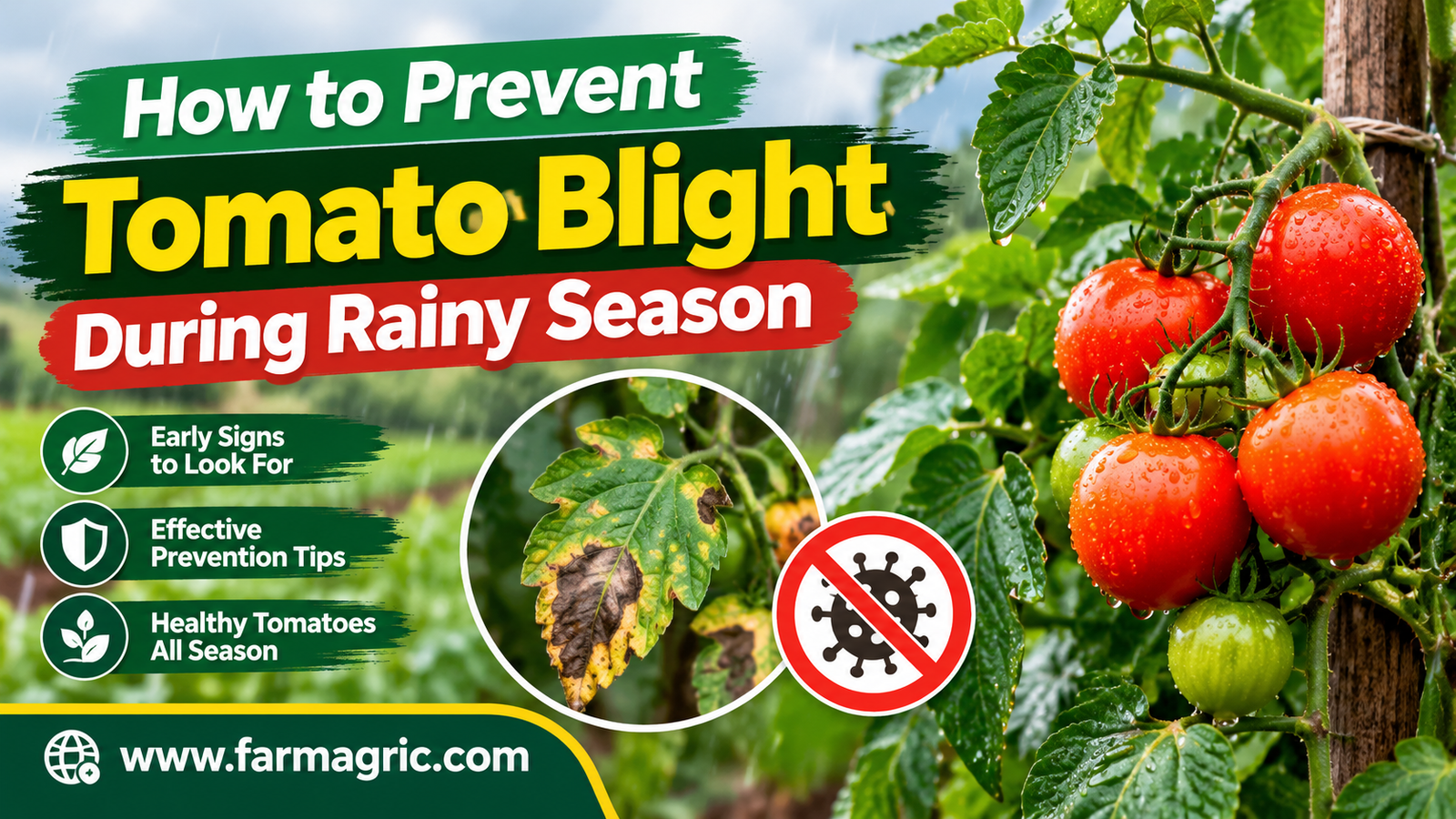
How to Prevent Tomato Blight During Rainy Season
How to Prevent Tomato Blight During Rainy Season: A Farmer’s Guide to Staying Ahead of the Disease That Moves Fastest in Wet Weather
I lost nearly a whole bed of tomatoes to blight once in the space of about ten days, during a stretch of rain so persistent that I barely got into the field to check on the plants properly until the damage was already impossible to miss. What started as a few dark, water-soaked patches on lower leaves near the edge of the bed had spread to blackened, collapsing stems and rotting fruit across most of the planting by the time I finally walked the rows closely. I had grown tomatoes successfully for years before that season, and nothing had prepared me for how fast blight can move once the weather turns consistently wet and humid. That loss rebuilt my entire approach to the rainy season, because I learned that blight has to be prevented before the rains really settle in, not managed after the first lesions appear, since by then the fungus or water mold responsible is already spreading faster than almost anything a farmer can do in response.
So let me answer you straight, because I know you are watching dark clouds building and wondering what to do before your tomatoes end up looking the way mine did. You prevent tomato blight during rainy season by improving airflow through proper spacing and pruning, staking or caging plants to keep foliage and fruit off the wet ground, applying a protective fungicide preventively before symptoms appear rather than waiting for an outbreak, avoiding overhead watering in favor of drip or base watering, removing lower leaves that touch the soil, and choosing blight-resistant varieties where your rainy season pressure is consistently heavy. Blight thrives on exactly the conditions a rainy season provides, prolonged leaf wetness, high humidity, and limited airflow, which means prevention through managing those specific conditions matters more than almost any other single decision you will make about your tomato crop during the wet months.
Why Blight Spreads So Much Faster in Wet Weather
Both of the two main blight diseases that affect tomatoes, early blight and the far more destructive late blight, are caused by organisms that need moisture on the leaf surface to infect the plant and need humid conditions to produce and spread the spores that carry infection from plant to plant. During a dry stretch, these organisms exist in low numbers and spread slowly, giving a farmer time to notice and respond to isolated lesions before they become a serious problem. During a sustained wet, humid period, the same organisms can complete an entire infection cycle, from spore landing on a leaf to that same leaf producing new spores of its own, in a matter of days rather than weeks, which is exactly why a planting that looks reasonably healthy at the start of a heavy rainy stretch can look devastated only a week or two later. Understanding that time itself moves differently for this disease once the weather turns wet is the foundation for understanding why prevention has to start before the rains arrive, not after the first lesion is spotted.
What Most Farmers Get Wrong
The first mistake, the one that caught me off guard in that badly affected bed, is treating blight prevention as a response to weather that has already arrived rather than a preparation made before the rainy season properly begins. By the time I noticed the first lesions, the humid conditions that had allowed them to appear had already been building for over a week, giving the disease a significant head start before I ever took any action.
The second mistake is planting and spacing tomatoes the same way regardless of season, not adjusting for the fact that a planting dense enough to perform reasonably well in a dry season becomes a serious liability once rainy season humidity settles into that same crowded canopy, trapping moisture and slowing the drying time that would otherwise limit infection.
The third mistake is relying on overhead watering, whether through a sprinkler or simply watering from above with a can, which wets the foliage directly and extends the period of leaf surface moisture that blight organisms need to establish infection, essentially recreating the very conditions you are trying to avoid every time you water this way during a season already prone to excess moisture.
The fourth mistake is waiting for visible symptoms before applying any fungicide, when preventive application timed ahead of a wet stretch is considerably more effective than reactive treatment applied only after an infection has already established itself and begun producing spores of its own.
The fifth mistake is allowing lower leaves to remain in contact with wet soil, where splashing rain can carry fungal spores directly from the ground onto the plant, creating an easy entry point for infection that properly staked, pruned plants largely avoid.
Step-by-Step Plan to Prevent Tomato Blight During Rainy Season
Begin preparing before the rainy season properly sets in, since the management decisions that matter most for blight prevention are largely ones made at and shortly after planting, not ones you can retrofit easily once heavy, consistent rain has already started.
Space plants more generously than you might during a dry season, giving extra priority to airflow between plants specifically because humid, still air within a dense canopy is one of the central conditions that allows blight to establish and spread so quickly once it arrives.
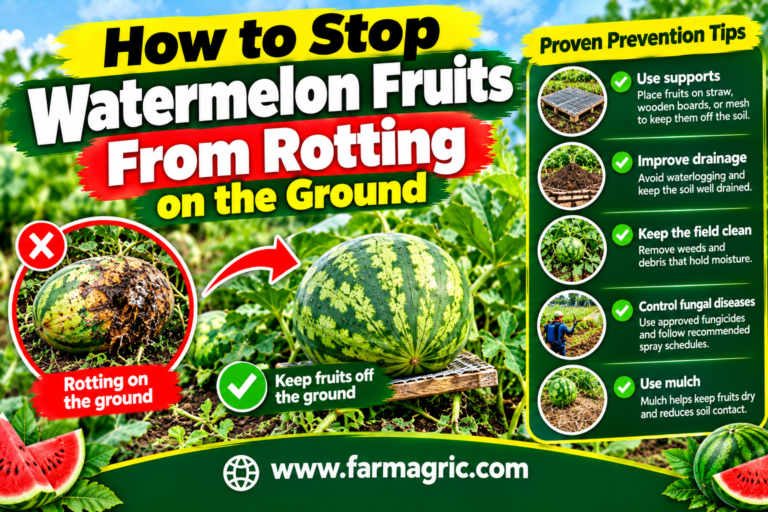
Stake or cage every plant rather than allowing sprawling growth across the ground, since lifting foliage and developing fruit well clear of the soil surface removes both the direct soil contact that invites splash-borne infection and the deep shade within a sprawling canopy that keeps lower leaves wet for far longer after rain than more open, upright growth does.
Prune selectively to improve airflow through the canopy, removing excess side shoots and any lower leaves that are close to or touching the soil, since this combination of staking and pruning does more to reduce the humid microclimate blight favors than almost any single other management choice available.
Switch to drip irrigation or careful base watering wherever you have the means to do so, directing water to the soil around the base of each plant rather than onto the foliage itself, and if you must water from above, do so early enough in the day that leaves have a real chance to dry before evening humidity sets in.
Apply a protective fungicide preventively ahead of an expected wet stretch, following label instructions precisely for rate and timing, since this approach protects healthy tissue before infection occurs rather than trying to halt an infection that has already established itself, which is considerably harder to achieve with any fungicide once lesions are already visible.
Choose a blight-resistant or blight-tolerant variety if your area experiences consistently heavy rainy season pressure year after year, since considerable breeding effort has gone into developing tomato varieties with meaningful resistance to one or both major blight diseases, and this single choice can reduce risk substantially before the season even begins.
Mulch around the base of plants with straw or another suitable organic material, since mulch reduces soil splash onto lower leaves during heavy rain, helping to limit one of the more direct routes by which blight spores reach the plant from contaminated soil.
Scout the field closely and frequently once wet weather has set in, checking lower leaves and stems specifically for the earliest dark, water-soaked lesions, since catching an infection in its very first days, before it has had the chance to spread and produce further spores, gives you a genuine chance to remove affected material and slow the outbreak considerably.
Remove and destroy any infected leaves or plants promptly upon finding them, taking the material completely out of the growing area rather than leaving it on the ground nearby, since infected tissue left in place continues producing spores capable of infecting healthy plants close by for as long as it remains.
Avoid working among wet plants where possible, since moving through a planting while foliage is still wet can physically spread spores from infected to healthy plants on your hands, tools, and clothing far more efficiently than the spores would otherwise spread on their own through wind and rain splash alone.
Rotate tomato plantings away from where tomatoes, potatoes, or other related crops grew in the previous season, since blight organisms can survive in soil and plant debris between seasons, and continuous planting of susceptible crops in the same location allows this carryover pressure to build rather than being interrupted.
Clear and destroy all plant residue at the end of the season rather than leaving old tomato plants to decompose in the field, since this residue can harbor the disease organisms through to the following season, giving next year’s rainy season crop an unnecessary head start toward infection.
Warning Signs to Watch For
Dark, water-soaked spots appearing on lower leaves first, often with a slightly greasy or wet-looking appearance rather than a dry, papery one, are the earliest typical sign of blight beginning to establish in a planting, and catching this stage quickly gives the best chance of limiting further spread. A white, fuzzy growth visible on the underside of affected leaves, particularly in humid morning conditions, points specifically toward late blight, the more aggressive and destructive of the two main forms, and calls for immediate, urgent action rather than routine monitoring. Rapid spread of lesions across a planting within just a few days, especially following a stretch of continuous rain or unusually high humidity, signals that conditions have become highly favorable for the disease and that broader preventive action across the whole planting is needed immediately rather than only treating the specific plants already showing symptoms. Dark, firm lesions appearing on green fruit, sometimes with concentric rings in the case of early blight, indicate the disease has progressed to directly affecting the harvestable crop rather than remaining limited to foliage alone. And stems that develop dark, sunken lesions and begin to collapse, particularly toward the base of the plant, suggest a severe, advanced infection that has moved beyond what pruning and fungicide alone are likely to control, often meaning the affected plant itself should be removed entirely to protect the rest of the planting.
What I’d Do Differently If Starting Again Today
If I were starting over, I would prepare my spacing, staking, and pruning specifically with rainy season airflow in mind from the very first planting, rather than using the same crowded layout I had grown comfortable with during drier seasons and only reconsidering it after that devastating ten-day loss taught me how different wet-season conditions actually demand. I would apply a preventive fungicide ahead of the rains rather than waiting to see whether symptoms appeared first, since I now understand how much faster this disease moves once it has any kind of head start compared to how manageable it remains when caught before infection ever establishes. I would switch to base watering or drip irrigation as standard practice rather than continuing with overhead watering out of habit, recognizing now how directly that extended leaf wetness was working against everything else I might otherwise be doing correctly. And I would scout far more frequently and closely during any stretch of sustained wet weather specifically, rather than maintaining the same relaxed checking schedule I used during drier parts of the season, since that single change in attention, more than any other single step, would likely have caught my worst outbreak days earlier than I actually did.
Frequently Asked Questions About Preventing Tomato Blight During Rainy Season
What is the difference between early blight and late blight in tomatoes? Early blight typically produces dark lesions with concentric rings on older, lower leaves first and progresses somewhat more gradually, while late blight spreads far more aggressively, often showing water-soaked lesions with a white fuzzy growth on leaf undersides in humid conditions, and can destroy a planting considerably faster once established.
Can blight be cured once it appears on my tomato plants? There is no treatment that removes blight from already infected tissue, so management focuses on removing and destroying infected material promptly to limit further spread, combined with preventive fungicide application to protect the remaining healthy parts of the plant from new infection.
Does staking tomatoes really make a meaningful difference against blight? Yes, staking lifts foliage and fruit well clear of the wet soil surface and improves airflow around the plant considerably compared to sprawling, ground-level growth, both of which directly reduce the humid, wet conditions that blight organisms need to establish and spread.
Should I water my tomatoes differently during rainy season to prevent blight? Yes, switching to drip irrigation or careful base watering directed at the soil rather than the foliage helps avoid extending the period of leaf surface wetness that blight depends on, and if overhead watering is unavoidable, doing it early in the day gives leaves the best chance to dry before humid evening conditions set in.
Are there tomato varieties that resist blight during rainy season? Yes, plant breeders have developed varieties with meaningful resistance or tolerance to one or both major blight diseases, and choosing these in areas with consistently heavy rainy season pressure can substantially reduce risk compared to planting a standard, susceptible variety into the same wet conditions.
If there is one thing I want you to remember from all this, it is that blight moves on the rainy season’s clock, not yours, so prepare your spacing, your staking, and your fungicide before the rains truly settle in, because the ten days that destroyed my own bed of tomatoes taught me that this disease does not wait politely for you to notice the first lesion before it starts spreading toward the next one.