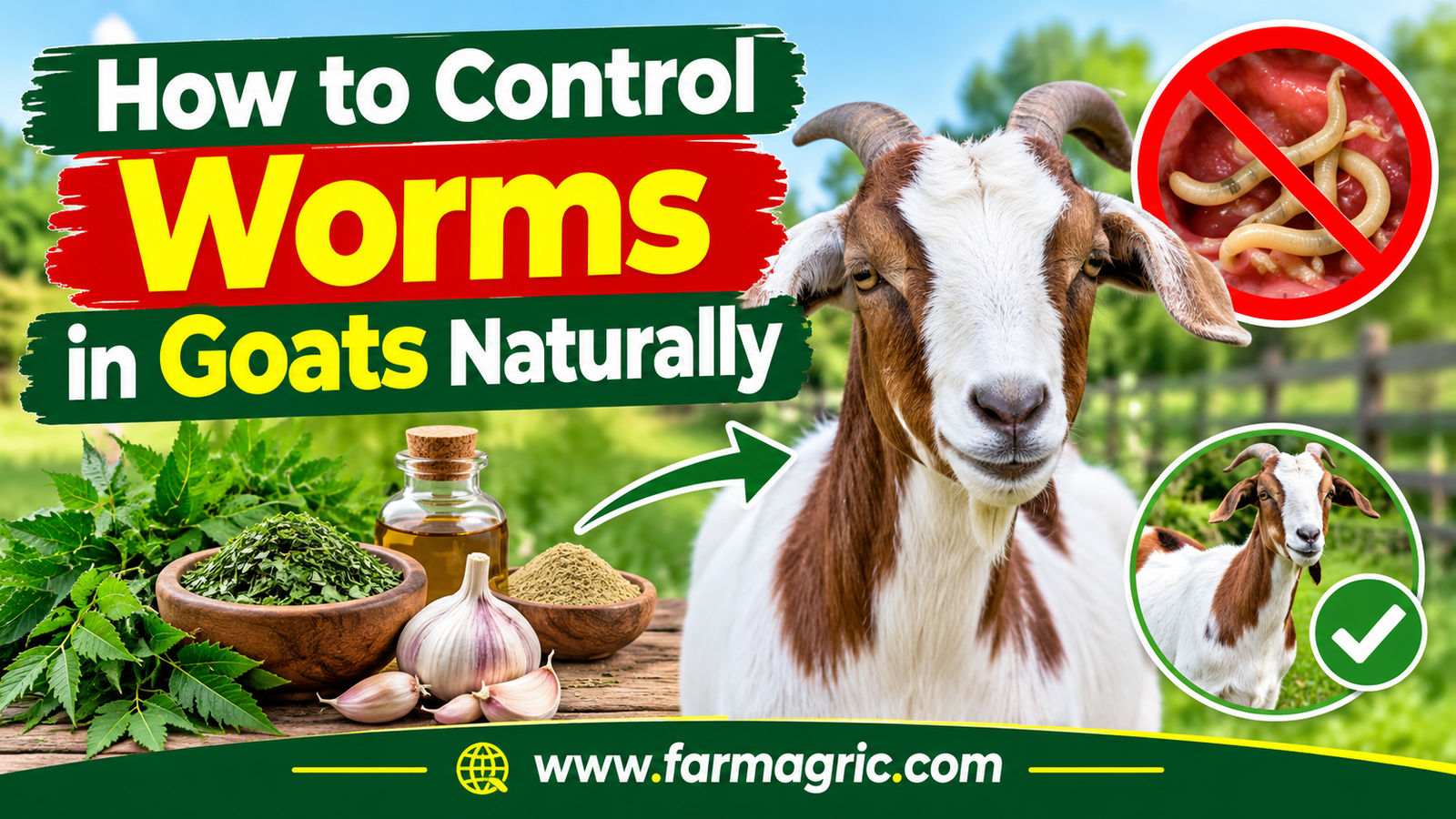
How to Control Worms in Goats Naturally
How to Control Worms in Goats Naturally: A Farmer’s Guide to Managing Parasites Without Relying Entirely on the Drench Bottle
I remember the season I finally understood how badly internal parasites had been dragging down my herd, standing over a doe who looked thin despite grazing on genuinely good pasture, her lower eyelid pale pink rather than the healthy deep red or pink it should have been. I had been deworming on a fixed calendar schedule for years, the same months every year regardless of what was actually happening in my herd or on my pasture, and I had assumed that routine was protecting me. What I learned that season, after a local livestock officer showed me how to check that eyelid color properly and explained what it meant, is that I had been dosing goats that did not need it while missing real, building parasite problems in specific animals, and that chemical dewormers alone, used the way I had been using them, were actually accelerating a resistance problem that would eventually leave me with far fewer effective tools than I started with.
So let me answer you straight, because I know you are trying to keep your goats healthy without reaching for the drench bottle as your only or even your primary tool. You control worms in goats naturally mainly by managing grazing to break the parasite life cycle, particularly through rotational grazing and resting pastures, selecting and breeding for naturally parasite-resistant animals over time, using the FAMACHA eyelid check to identify and treat only the animals that actually need it rather than deworming the whole herd on a calendar, supporting herd nutrition so goats can better tolerate a moderate parasite load, and using natural anthelmintic plants and browse where locally available as a supporting tool alongside these management practices. Internal parasites are not something you eliminate entirely from a goat herd, they are something you manage down to a level the animals can tolerate without losing condition or health, and that management depends far more on how you handle pasture, nutrition, and selective treatment than it does on any single product you pour down a goat’s throat.
Why Chemical Deworming Alone Eventually Stops Working
Internal parasites, particularly the barber pole worm that causes the most serious problems in goats across many regions, reproduce in enormous numbers and complete their life cycle relatively quickly, which means a parasite population exposed repeatedly to the same chemical dewormer has considerable opportunity to develop resistance to that product over successive generations. Blanket deworming of an entire herd on a fixed calendar schedule, regardless of which individual animals actually carry a meaningful parasite burden, accelerates this resistance development considerably, since it exposes the parasite population in every animal, including those that barely needed treatment at all, to the chemical repeatedly and consistently, giving resistant parasite genetics every opportunity to survive, reproduce, and spread through the pasture and herd. This is exactly why relying on chemical dewormers as your only parasite control tool tends to work reasonably well for a number of years before gradually becoming less and less effective, and why natural, management-based approaches that reduce overall parasite exposure and reserve chemical treatment for animals that genuinely need it protect the long-term effectiveness of the chemical tools you do still have available.
What Most Farmers Get Wrong
The first mistake, the one behind my own thin, pale-eyed doe, is deworming the entire herd on a fixed calendar schedule regardless of individual animal condition, treating every goat the same way rather than identifying which specific animals actually carry a meaningful worm burden and which do not need treatment at all.
The second mistake is grazing goats continuously on the same pasture without any rotation or rest period, not recognizing that this continuous grazing pattern allows parasite larvae on the pasture to be picked up repeatedly by the same animals, maintaining a steady, ongoing level of reinfection that rotational grazing with adequate rest periods would otherwise interrupt.
The third mistake is not considering parasite resistance as a trait worth selecting for when choosing breeding stock, continuing to breed from does that consistently show poor condition and high parasite burden simply because they are otherwise productive animals, rather than recognizing that some individual goats are naturally more resistant to parasites than others and that this trait can be bred toward over successive generations.
The fourth mistake is underestimating how directly good nutrition supports a goat’s own natural ability to tolerate and resist parasite burden, assuming that nutrition and parasite control are two entirely separate management areas, when in reality a well-fed goat with adequate protein and mineral intake handles a moderate parasite load considerably better than a poorly nourished one.
The fifth mistake is not learning or using a practical, low-cost monitoring method like the FAMACHA eyelid scoring system, which allows a farmer to identify which specific animals in a herd are actually suffering from parasite-related blood loss and need treatment, rather than guessing or defaulting to treating every animal the same way regardless of their actual individual condition.
Step-by-Step Plan to Control Worms in Goats Naturally
Learn and begin using the FAMACHA eyelid scoring system, checking the color of the inner lower eyelid of each goat regularly, generally every two to four weeks during higher-risk periods such as warm, wet seasons, comparing the color against a reference chart that correlates eyelid color with the degree of parasite-related blood loss, and reserving chemical deworming specifically for animals scoring in the categories indicating genuine need rather than treating the whole herd uniformly.
Implement rotational grazing wherever your land allows it, dividing pasture into sections and moving goats between them on a planned schedule, allowing each section adequate rest time, generally a minimum of several weeks depending on your climate and season, since parasite larvae on rested pasture gradually die off or become less numerous over time, reducing the reinfection pressure goats face when they return to that section.
Graze goats at a height that keeps them browsing higher vegetation rather than grazing very short, close to the ground, since the great majority of infective parasite larvae concentrate in the bottom few centimeters of pasture close to the soil surface, meaning goats that are encouraged or managed to browse higher growth pick up considerably fewer larvae than those forced to graze very short, heavily grazed pasture.
Consider co-grazing or alternating pasture use with a different livestock species such as cattle where this is practical for your situation, since many of the internal parasites affecting goats are species-specific and do not survive or reproduce in a different host animal, meaning cattle grazing a pasture section can help reduce the parasite larvae available to infect goats when they graze that same area afterward.
Avoid grazing very young kids and recently weaned animals, who are typically more vulnerable to parasite burden than mature goats, on the pasture sections carrying the highest parasite risk, reserving cleaner, more recently rested pasture areas for these more vulnerable animals where your rotational system allows for this kind of prioritization.
Support herd nutrition deliberately as a parasite management tool, ensuring adequate protein intake and appropriate mineral supplementation, since well-nourished goats demonstrate a meaningfully better ability to tolerate and resist a moderate parasite burden compared to goats on marginal or inadequate nutrition, making feeding program quality a genuine part of your overall parasite control strategy rather than a separate consideration.
Select and breed toward parasite resistance over successive seasons, using FAMACHA scores and general condition as part of your breeding stock selection criteria, favoring does and bucks that consistently maintain good condition and low parasite indicators even under normal grazing pressure, since individual goats vary genuinely in their natural parasite resistance and this trait can be meaningfully improved in a herd over time through deliberate selection.
Incorporate browse and natural anthelmintic plants where locally available and appropriate for your region, since certain plants, including some varieties of sericea lespedeza and various tannin-rich browse species depending on your specific location, have demonstrated some natural anthelmintic properties and can serve as a useful supporting element within pasture management, though these should be understood as a complement to, rather than a complete replacement for, the broader management practices described here.
Manage stocking density to avoid overcrowding pasture, since a lower number of goats per unit of land naturally reduces the concentration of parasite eggs and larvae being deposited and picked up within any given grazing area compared to a heavily overstocked pasture carrying more animals than the land can comfortably support.
Keep young, growing kids on cleaner pasture specifically and monitor them closely, since this age group is often the most vulnerable to serious parasite-related illness, and a management plan that prioritizes clean grazing access for kids specifically can meaningfully reduce losses in this more vulnerable group.
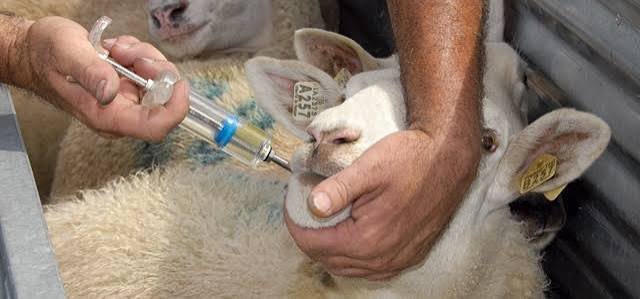
Reserve chemical dewormer use for animals genuinely identified as needing it through FAMACHA scoring or other clear signs of parasite burden, and where treatment is needed, use an appropriate product at the correct dose for the animal’s actual weight, since underdosing from guessing at weight rather than measuring it is itself a significant contributor to resistance development.
Keep records of FAMACHA scores, body condition, and which specific animals required treatment across seasons, since this record helps you identify which individual goats are chronically more susceptible to parasite burden, information valuable both for breeding selection decisions and for understanding which pasture areas or seasonal periods carry the highest risk for your specific operation.
Warning Signs to Watch For
A goat whose inner lower eyelid appears notably pale pink or white rather than the healthy deep red or pink color typical of a goat with a low parasite burden signals meaningful blood loss from parasite feeding and generally indicates that animal needs treatment promptly rather than continued monitoring alone. Bottle jaw, a soft, fluid-filled swelling beneath the jaw, is a more advanced and serious sign of heavy parasite burden affecting protein levels in the blood and calls for immediate attention rather than routine scheduling. Weight loss or poor body condition in an animal grazing on pasture that appears adequate, particularly when other goats in the same group maintain reasonable condition on the same pasture, suggests that specific animal may be carrying a higher parasite burden or have lower natural resistance than its herdmates, worth checking individually through FAMACHA scoring. Diarrhea, particularly in young or recently weaned kids, combined with a generally dull, lethargic appearance, warrants prompt individual assessment rather than being dismissed as a minor, self-resolving issue. And a herd-wide pattern of declining condition appearing specifically during a warm, wet season, when parasite larvae on pasture are typically most abundant and infective, signals a time of elevated overall risk that calls for increased monitoring frequency and closer attention to grazing management across the whole herd rather than just individual animals showing obvious problems.
What I’d Do Differently If Starting Again Today
If I were starting over, I would learn the FAMACHA eyelid check from my very first season of keeping goats rather than continuing with a blanket calendar deworming approach for years before that pale-eyed doe finally forced me to investigate a better way. I would set up rotational grazing with genuine rest periods from the beginning, understanding now how much that continuous, unbroken grazing pattern was quietly maintaining a steady reinfection cycle that I could have interrupted far earlier with better pasture planning. I would pay far more deliberate attention to nutrition specifically as a parasite management tool, recognizing now how directly a well-fed goat’s ability to tolerate parasite pressure differs from a marginally fed one. I would begin selecting breeding stock with parasite resistance genuinely in mind rather than focusing purely on other productive traits, since I now understand how much that natural resistance can be built into a herd over successive generations through deliberate selection. And I would reserve my chemical dewormer specifically for animals that actually needed it based on real individual assessment, rather than treating my whole herd uniformly on the same fixed schedule regardless of which animals were actually carrying a meaningful burden, understanding now how much unnecessary treatment was likely accelerating the very resistance problem I eventually had to work so much harder to manage around.
Frequently Asked Questions About Controlling Worms in Goats Naturally
What is FAMACHA and how does it help control worms in goats? FAMACHA is a scoring system that uses the color of a goat’s inner lower eyelid to estimate the degree of parasite-related blood loss, allowing a farmer to identify specifically which animals in a herd actually need deworming treatment rather than treating every goat on a fixed schedule regardless of individual need, which both improves treatment effectiveness and helps slow the development of chemical resistance.
Does rotational grazing really reduce worm problems in goats? Yes, moving goats between pasture sections on a planned schedule and allowing adequate rest time for each section lets parasite larvae on the rested pasture die off or decline over time, meaningfully reducing the reinfection pressure goats face compared to continuous grazing on the same unrested area, where larvae are picked up repeatedly in an ongoing cycle.
Can goats be bred to be naturally more resistant to parasites? Yes, individual goats vary genuinely in their natural ability to resist and tolerate internal parasites, and selecting breeding stock based partly on consistently good body condition and low FAMACHA scores under normal grazing pressure can meaningfully improve a herd’s overall parasite resistance over successive generations.
Why does deworming the whole herd on a fixed schedule cause problems over time? Treating every animal regardless of actual individual need exposes the full parasite population, including in animals that barely needed treatment, to the same chemical repeatedly, which accelerates the development of resistant parasite populations far more than a more targeted approach that reserves treatment specifically for animals showing genuine signs of parasite burden.
Does good nutrition really help goats resist worms? Yes, well-nourished goats with adequate protein and appropriate mineral intake demonstrate a meaningfully better ability to tolerate and resist a moderate parasite burden compared to goats on marginal nutrition, making feeding program quality a genuine, practical part of an overall natural parasite management strategy rather than a separate or unrelated consideration.
If there is one thing I want you to remember from all this, it is that controlling worms in goats naturally is not about finding a single herbal substitute for the drench bottle, it is about changing how your pasture, your nutrition, and your breeding choices work together so that fewer animals ever need that bottle in the first place, so check that eyelid before you reach for the dewormer, rest your pasture before parasites build up on it, and let your healthiest, most resistant does raise the next generation, because the thin, pale-eyed doe who finally taught me this lesson was never failed by bad luck, she was failed by a calendar that treated every goat the same way a genuinely good parasite management plan never should.