How to Stop Chickens From Dying Suddenly Without Warning
How to Stop Chickens From Dying Suddenly Without Warning: A Farmer’s Guide to Catching the Killer You Never Saw Coming
I walked into my coop one morning and found four birds dead in the same corner, no sign of struggle, no messy feathers, nothing that looked like a predator had gotten in overnight. These were birds that had eaten normally the evening before and showed no sign of illness I had noticed. That morning shook me in a way that chicken losses from hawks or thieves never had, because at least with those I understood what had happened. Sudden, unexplained death across a flock meant something was moving through my birds invisibly, and I had no idea what it was or how many more I was going to lose before I figured it out. I called a local veterinary officer that same day, and what I learned over the following weeks changed how seriously I take flock health monitoring, because sudden death in chickens is almost never actually sudden, it is a problem that was building for days before the bird finally showed the only sign most farmers ever notice, lying dead in the coop.
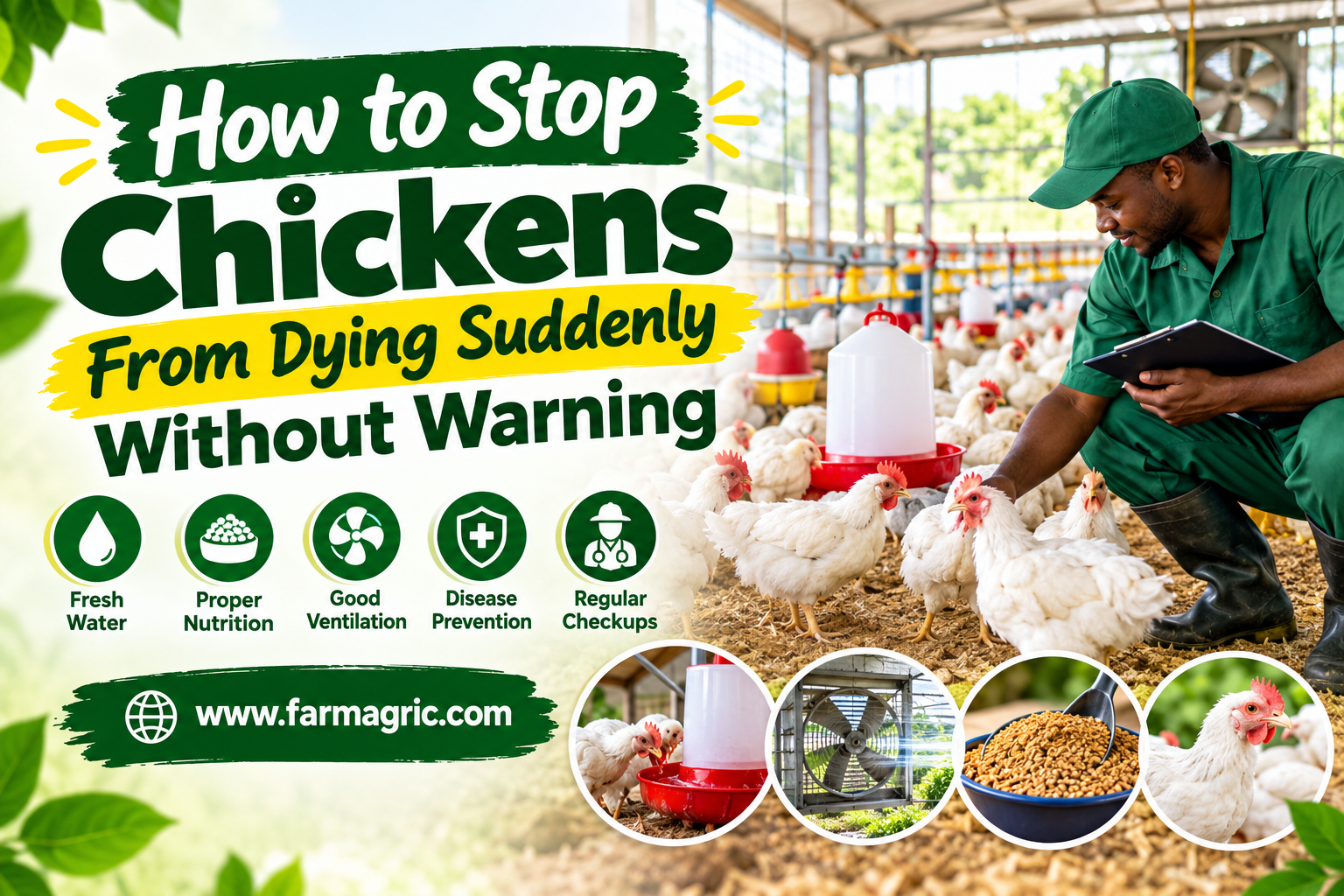
So let me answer you straight, because I know you have found birds dead with no warning and you are trying to figure out what is killing them before you lose the rest of the flock. Chickens die suddenly without obvious warning mainly from Newcastle disease, infectious bursal disease (Gumboro), fowl cholera, heat stress, or acute poisoning from contaminated feed or water, and stopping further losses means identifying which of these is actually happening through close observation of the dead bird and the rest of the flock, then acting immediately on biosecurity, vaccination status, and environmental conditions rather than waiting to see if more birds die before taking any action. Sudden death almost always has early warning signs that were simply too subtle or too easy to miss during normal daily chores, a slightly reduced appetite, a little less activity, a bird standing apart from the flock, and learning to catch those earlier, quieter signs is what actually separates a farmer who loses a handful of birds from one who loses the whole flock.
Why Sudden Death Rarely Means What It Looks Like
A chicken that dies with no obvious warning sign has usually been sick for one to three days before that final collapse, since chickens, like many prey animals, instinctively hide signs of illness or weakness for as long as they physically can, a survival behavior that protects them from predators in the wild but that works directly against a farmer trying to catch disease early in a flock. By the time a bird is too weak to maintain this masking behavior and finally shows an obvious external sign, death often follows within hours, which is exactly why so many farmers experience sudden death as a genuine surprise rather than the final stage of a process that had actually been underway for several days already. This masking behavior means that the real information you need is not found by watching for obvious sickness, it is found by watching closely for the subtle changes that happen before a bird starts actively hiding its condition, things like a slight drop in feed consumption across the flock, a bird that is a little slower to come running at feeding time, or droppings that look even slightly different from normal.
What Most Farmers Get Wrong
The first mistake, the one behind my own shocking morning of four dead birds, is not examining the dead bird closely enough to look for clues, treating a sudden death as a mystery to simply move past rather than as the single most informative piece of evidence available for figuring out what is actually threatening the rest of the flock.
The second mistake is inconsistent or incomplete vaccination against the diseases most responsible for sudden flock death, particularly Newcastle disease and infectious bursal disease, both of which can move through an unvaccinated or partially vaccinated flock with devastating speed and very little warning before the first deaths occur.
The third mistake is weak biosecurity, allowing visitors, other people’s birds, contaminated equipment, or even wild birds easy access to the flock and coop, not recognizing how many of the diseases responsible for sudden death are introduced from outside the flock through exactly these kinds of casual, unguarded contact points.
The fourth mistake is underestimating heat stress as a cause of sudden death, particularly during unusually hot stretches or in poorly ventilated housing, since chickens can go from apparently normal to dead from heat stress considerably faster than many farmers expect, especially in birds that are already carrying some extra weight or kept in crowded, poorly ventilated conditions.
The fifth mistake is not controlling what the flock has access to in terms of feed and water quality, allowing moldy feed, contaminated water sources, or access to treated seed or other toxic material that can cause rapid, severe poisoning symptoms that look very much like sudden, unexplained death to a farmer unaware of what the birds had actually been exposed to.
Step-by-Step Plan to Stop Sudden Chicken Deaths
Examine every bird that dies unexpectedly as closely as you reasonably can, checking for any visible signs such as swelling around the head or neck, unusual discoloration of the comb or legs, diarrhea or unusual droppings near the body, difficulty breathing signs like gasping, or any blood or discharge, since these details, while sometimes subtle, can point meaningfully toward a specific cause rather than leaving you guessing blindly about what actually happened.
Check the rest of your flock immediately and closely following any unexplained death, looking specifically for birds that are slightly less active than normal, eating or drinking less than usual, standing apart from the group, or showing any ruffled, puffed-up appearance that can indicate a bird is not feeling well, since catching these early signs in other birds gives you a critical head start before they, too, reach the point of sudden collapse.
Review your flock’s vaccination history and status, particularly against Newcastle disease and infectious bursal disease, since these two diseases are responsible for a very large share of sudden, flock-wide death events in chickens, and a flock with incomplete, overdue, or entirely absent vaccination against them is carrying significant risk that proper vaccination would substantially reduce.
Consult with a local veterinary or livestock extension officer promptly whenever sudden, unexplained death occurs, since accurately identifying the specific cause, whether through professional examination of a recently dead bird or through assessment of the broader flock’s symptoms and history, is considerably more reliable than guessing, and the appropriate response differs significantly depending on whether you are dealing with a viral disease, a bacterial one, heat stress, or poisoning.
Isolate any birds showing even mild signs of illness immediately, separating them from the healthy flock into a different space entirely, since many of the diseases responsible for sudden death spread rapidly between birds in close contact, and removing a sick bird promptly can meaningfully slow or even stop further spread through the rest of the flock.
Tighten biosecurity around your coop and flock without delay, limiting visitor access, requiring anyone entering the coop area to clean footwear or use dedicated boots kept at the site, preventing contact with other people’s birds or equipment, and controlling access from wild birds where practical, since many disease outbreaks trace back to exactly these kinds of casual contact points that farmers often do not think carefully about during normal daily routine.
Check your coop’s ventilation and overall housing conditions, particularly during hot weather, ensuring birds have adequate shade, airflow, and access to cool water, since heat stress can kill chickens with very little outward warning, and birds kept in crowded or poorly ventilated housing are considerably more vulnerable to this than birds with better airflow and more generous space.
Inspect your feed and water sources carefully for any sign of mold, contamination, or spoilage, discarding and replacing any feed that looks, smells, or feels off rather than continuing to offer it in hopes the birds will simply avoid the bad portions, since chickens do not reliably avoid contaminated feed on their own and acute poisoning from spoiled or contaminated feed can cause rapid, severe symptoms that closely resemble a sudden, unexplained death.
Check for any accidental access to toxic material, such as treated seed meant for planting, certain garden chemicals, or specific plants that are toxic to poultry, since chickens that range freely or have access to storage areas can sometimes encounter these materials without a farmer realizing the exposure occurred until birds begin dying.
Remove and properly dispose of any dead birds promptly and safely, away from the rest of the flock and ideally buried deeply or otherwise disposed of in a way that prevents scavenging by other animals that could then spread disease further, rather than leaving a dead bird within the coop or run where remaining birds continue having contact with it.
Monitor the flock closely over the following one to two weeks after any sudden death event, continuing to watch for the subtle early signs described above in any additional birds, since many of the diseases responsible for sudden death move through a flock over a period of days to a couple of weeks rather than causing every affected bird to die within the same twenty-four hours.
Keep simple records of when deaths occurred, what symptoms if any were observed beforehand, vaccination dates, and any changes in feed, water source, or weather conditions around the time of the losses, since this record becomes genuinely valuable both for your own pattern recognition over time and for giving a veterinary officer useful, specific information if you need to consult one about a recurring or ongoing problem.
Warning Signs to Watch For Before the Next Sudden Death
A bird that is noticeably slower than usual to come to feed, or that eats visibly less than its flockmates during a normal feeding time, is often one of the earliest available signs that something is wrong, well before that bird shows any more dramatic symptom. Droppings that look different from the flock’s normal baseline, whether unusually watery, oddly colored, or containing visible blood, can indicate a developing problem even in a bird that otherwise still appears to be moving and behaving relatively normally. A bird standing apart from the rest of the flock, particularly one that is fluffed up or appears lethargic compared to its usual activity level, deserves close attention and likely isolation, since this kind of withdrawal from normal flock behavior is a meaningful sign even without any more obvious symptom present yet. Labored or open-mouth breathing, visible swelling around the head, neck, or eyes, or an unusual discoloration of the comb or wattles are more advanced signs that typically indicate a bird is already seriously ill and at real risk of sudden collapse within a short time. And any pattern of multiple birds showing similar subtle signs within the same day or two signals that whatever is affecting the flock is likely spreading rather than being isolated to one individual bird, calling for prompt veterinary consultation and immediate biosecurity tightening rather than a wait-and-see approach.
What I’d Do Differently If Starting Again Today
If I were starting over, I would examine every dead bird closely rather than simply disposing of it and moving on the way I nearly did that first shocking morning, since I now understand how much useful information was available in those first few losses that I almost missed entirely out of distress and haste. I would maintain a strict, complete vaccination schedule against Newcastle disease and infectious bursal disease from the very start of keeping any flock, rather than treating vaccination as optional or something to catch up on eventually, given how large a share of sudden flock death these two diseases are responsible for. I would tighten biosecurity around my coop far earlier and more deliberately, controlling visitor access and footwear in particular, rather than allowing the kind of casual contact that I now understand was likely how disease pressure found its way into my flock in the first place. And I would watch for the subtle, early signs of illness, slightly reduced appetite, a bird standing apart, slower movement at feeding time, far more deliberately during my daily routine, rather than only noticing a problem once it had already progressed to the dramatic, unmistakable stage that gave me almost no time to respond before losing birds outright.
Frequently Asked Questions About Sudden Chicken Deaths
What is the most common cause of chickens dying suddenly without any warning signs? Newcastle disease and infectious bursal disease (Gumboro) are among the most common causes of sudden, flock-wide chicken death, both of which can spread rapidly through an unvaccinated or incompletely vaccinated flock, which is why maintaining a proper vaccination schedule is one of the most important preventive steps a farmer can take.
Can heat really kill chickens suddenly without any obvious symptoms beforehand? Yes, heat stress can cause chickens to die relatively quickly, especially in crowded or poorly ventilated housing during unusually hot weather, and because the progression from heat stress to collapse can happen faster than many farmers expect, ensuring adequate shade, airflow, and cool water access is an important preventive measure, particularly during hot stretches.
How can I tell if my chickens are dying from disease versus poisoning? Disease-related deaths often show a pattern of multiple birds becoming ill over several days with symptoms like respiratory distress, diarrhea, or lethargy appearing before death, while poisoning from contaminated feed or toxic material often causes more rapid onset of severe symptoms and sometimes affects several birds very close together in time after they all had access to the same contaminated source, though a veterinary officer examining a recently dead bird is considerably more reliable than guessing based on pattern alone.
Why do chickens often show no warning signs before dying even when they have actually been sick for days? Chickens instinctively hide signs of illness or weakness for as long as they physically can, a survival behavior protective against predators in the wild, which means a bird that finally shows an obvious external symptom has often already been sick for one to three days, and death frequently follows within hours of that masking behavior finally breaking down.
What should I do immediately after finding a chicken dead with no warning? Examine the dead bird closely for any visible signs, check the rest of the flock immediately for birds showing even subtle signs of illness, isolate any bird that seems unwell, tighten biosecurity around the coop, and consult a local veterinary or livestock extension officer promptly, since identifying the actual cause accurately is essential for taking the right next steps to protect the rest of your flock.
If there is one thing I want you to remember from all this, it is that a chicken that dies with no warning was very likely sick for days before you ever noticed, quietly hiding its condition the way its instincts have always told it to, so stop watching only for the dramatic, obvious signs and start watching for the quiet ones instead, the bird a little slow to the feed trough, the droppings that look slightly off, because the flock I lost birds from that shocking morning had almost certainly been trying to tell me something for days before I finally found four of them lying still in the same corner.