How to Control Newcastle Disease in Chickens
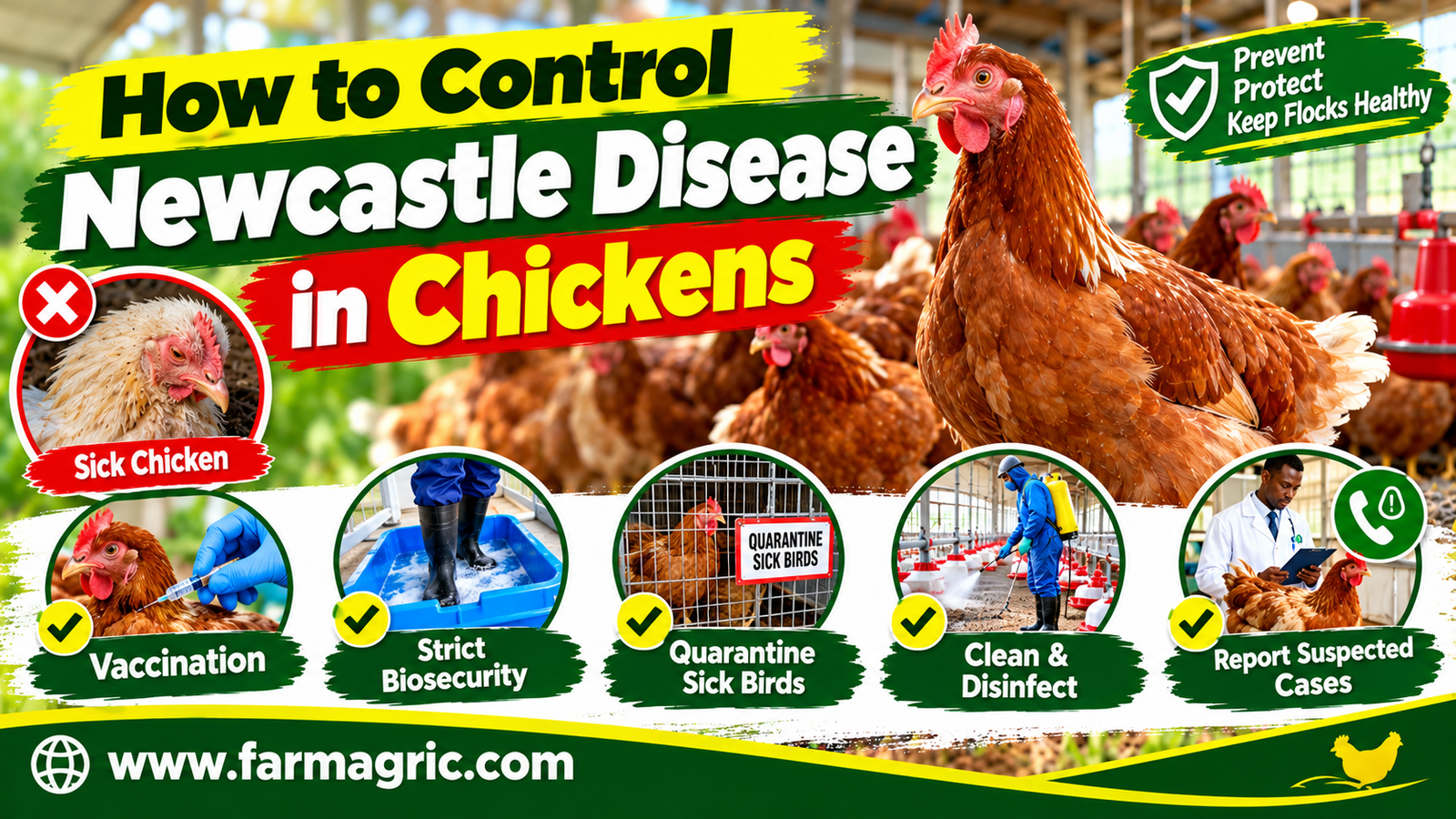
If I were starting my first flock again, I would write the vaccination schedule on the wall before the chicks arrived, and I would treat each date as seriously as a school exam.
I would buy a cooler box and ice packs on day one, and I would never carry vaccine home in a plain bag again.
I would build a footbath and a simple fence before I ever bought the first bird, and I would keep a separate pair of boots and overalls for the poultry house only.
I would buy chicks only from a hatchery that could show me their vaccination record, and I would quarantine every new bird for three weeks without exception.
And I would introduce myself to the nearest veterinary officer before I ever had a problem. Having a name and a phone number ready is worth more than any tonic on the shelf.
Frequently asked questions
Can Newcastle disease be cured?
No. There is no medicine that kills the Newcastle virus once birds are sick. A veterinarian can advise supportive care and treatment for secondary infections, but the real protection is vaccination and biosecurity.
When should I vaccinate chicks against Newcastle disease?
Most programmes give a first vaccine in the first week of life, followed by a stronger dose at around two to three weeks, and further doses at about six to eight weeks, with regular boosters for layers and breeders. Confirm the exact schedule with a veterinarian, because it depends on your area and your vaccines.
Can humans catch Newcastle disease?
People can catch a mild eye infection, such as red, watery eyes, or mild flu like signs from close contact with infected birds, but it is generally not serious. Wear gloves, protect your eyes, and wash your hands well after handling sick or dead birds. Other diseases that look similar, such as avian influenza, can be more serious, which is another reason to call a veterinary officer.
How long does the Newcastle virus survive in the environment?
It can survive for days to weeks, and longer in cool, damp conditions and in manure, feathers and carcasses. This is why thorough cleaning, disinfection and an empty rest period between batches are so important.
Can free range and village chickens be vaccinated?
Yes, and they should be. Village chickens often carry and spread the virus. Heat tolerant vaccines such as I-2 are designed for use where cold storage is hard to find. Ask your animal health office about community vaccination campaigns in your area.
The one thing to bookmark
You do not treat Newcastle disease, you prevent it, so vaccinate on time, keep the vaccine cold, shut the gate on strangers, and the virus never gets its first bird.