How to Fix Stunted Pepper Seedlings
How to Fix Stunted Pepper Seedlings
One season I transplanted a whole bed of pepper seedlings that looked fine in the nursery, and three weeks later they were the same size as the day I planted them. Not dying, not growing, just sitting there with small, tight leaves while the weeds around them took off. I fed them, watered them more, and fed them again. Nothing moved until I pulled one out of the ground and looked at the roots. That one look taught me more than a month of guessing.
Here is the plain answer. Stunted pepper seedlings are almost always stuck because of something happening at the root zone: cold or waterlogged soil, roots that were cramped or damaged, poor nursery mix, or a nutrient problem the plant cannot fix on its own. Less often, pests, nematodes, or virus are the cause. The fix is to pull a seedling, read the roots and the leaves, find the real cause, and correct that one thing instead of throwing more fertilizer at it.
The short version of what I do is this. I check the roots first, warm and drain the soil if it is cold or wet, loosen the ground around the plant, give a gentle, balanced feed with some phosphorus, keep the moisture even, shade the seedlings for a few days if the sun is harsh, and pull out any plant that shows virus or root galls. The rest of this article shows you how to tell which problem you have and what to do about it.
What Most Farmers Get Wrong
The first mistake is pouring on fertilizer. A stunted plant looks hungry, so farmers feed it more, often with a strong nitrogen fertilizer. But if the roots are damaged, cold, or sitting in wet soil, they cannot take up food anyway. The extra fertilizer just sits in the soil, and a heavy dose can burn the very roots you are trying to help.
The second mistake is watering more. Stunted seedlings often look dull and slightly wilted, and farmers assume they are thirsty. In my experience, overwatering is a far bigger problem in seedlings than underwatering. Soggy soil starves roots of air, and a plant with suffocating roots stops growing.
The third mistake is planting at the wrong time. Pepper seedlings hate cold. When soil or night temperatures drop, growth stalls and the leaves can turn purplish. Farmers push the planting date because the nursery is ready or the rain has come, and the seedlings pay for it.
The fourth mistake is keeping seedlings too long in small containers. A seedling that has been root-bound in a tiny cell or tray carries that damage into the field. The roots circle, the plant sulks, and it may take weeks to recover, if it ever does.
The fifth mistake is skipping the hardening step. Seedlings taken straight from a shaded nursery into full sun suffer shock, and they stop growing while they rebuild. Many farmers blame the seed when the real problem is the way the seedling was handled.
First, Pull One Out and Look
Before you change anything, do this. Choose one of the worst seedlings, water it lightly so the soil comes away cleanly, and lift it out gently with the root ball. Look at three things.
Look at the roots. Healthy roots are white or cream colored, fine, and spread through the soil. If you see roots that are brown, black, slimy, or smelly, you have rot from overwatering or a soil disease. If the roots are circling tightly around the root ball like a tangled mat, the plant is root-bound. If the roots are short and sparse, the plant has been through cold, waterlogging, or transplant damage. If you see small swollen lumps or knots along the roots, that points to root-knot nematodes.
Look at the stem base. A thin, dark, pinched stem at soil level means damping off or a stem rot, usually from wet, cool, crowded conditions.
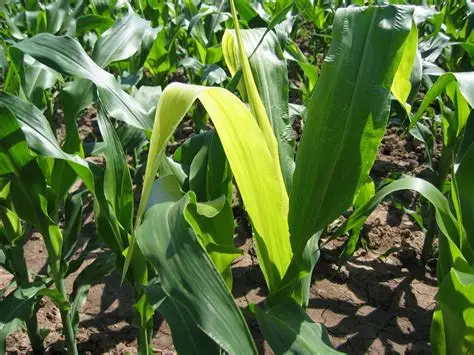
Look at the leaves. Small, tight, dark green leaves that look stuck usually point to cold or poor root function. Purplish leaves, especially on the underside, point to cold soil or low phosphorus. Pale yellow leaves across the whole plant suggest low nitrogen or waterlogged roots. Curled, twisted, mottled, or crinkled leaves with a stunted plant suggest virus or a sap-sucking pest.
This takes five minutes and decides everything that follows.
Cold Soil and Cold Nights
Peppers are warm-season plants. They germinate and grow best when the soil is warm, and growth slows or stops when soil temperatures fall low, around the mid teens in degrees Celsius or below. Cold also makes it hard for roots to absorb phosphorus, which is why cold seedlings often turn purple even when the soil has plenty of it.
If you suspect cold, the fix is to warm the plant’s surroundings. Wait for warmer weather before transplanting, or cover the seedlings at night with a light cloth or tunnel. Use black plastic mulch to warm the soil before planting where it suits your climate. Avoid watering late in the day, since cold, wet soil at night makes things worse. Once the weather warms, healthy seedlings usually pick up within a week or two.
Wet, Heavy, or Poorly Drained Soil
Pepper roots need air as much as water. In heavy or waterlogged soil, the roots suffocate and the plant stalls, then yellows. Damping off and root rots move in quickly.
If this is your problem, stop watering until the top of the soil dries to about a knuckle depth. Open up the soil around the plants with a light hoe, taking care not to cut roots. For the long term, plant on raised beds or ridges so water drains away from the roots. If a seedling is badly affected, with brown, slimy roots and a pinched stem, it is usually better to remove it and replace it than to wait for a recovery that rarely comes.
Root-Bound and Damaged Seedlings
A seedling that was left too long in a small cell, or that lost much of its root system during transplanting, will stall. You will often see a small, healthy-looking top and a tangled, cramped root ball.
If you are still in the nursery stage, move seedlings into bigger containers before the roots circle. If you have already transplanted, you can gently tease out the outer roots of the next batch before planting so they spread outward. For plants already in the ground, give them time, water them gently and evenly, and shade them from harsh sun for a few days so the plant can rebuild roots. Do not yank them out to check every day, because each disturbance sets them back.
Transplant carefully. Hold the root ball, not the stem, and plant at the same depth the seedling was growing at. Planting too deep buries the stem and can cause rot. Planting too shallow leaves roots exposed to drying out.
Poor Nursery Mix and Nutrient Problems
A nursery mix of plain soil or sand with no organic matter often grows weak seedlings. Heavy clay stays wet and hard. Pure sand drains too fast and holds no nutrients. A good mix is light and holds moisture without turning to mud, usually a blend of fine compost or well-rotted manure, topsoil, and a drainage material such as sand or rice husk. Make sure any compost is fully rotted, because fresh manure can burn young roots and tie up nitrogen.
For nutrient problems, read the plant. Pale yellow leaves, starting with the older leaves at the bottom, suggest low nitrogen. Purple tinges, especially in cool weather, suggest poor phosphorus uptake. If the edges of leaves look scorched, or you see a white crust on the soil surface, you may have too much fertilizer or salt buildup.
My approach is to give a light, balanced feed once the seedlings have recovered from transplanting, with a bit of phosphorus to help root growth, applied in a small ring a short distance from the stem, not touching it. I follow the label and never double the rate. A weak liquid feed or well-diluted compost tea is gentler than strong granules on a struggling plant. If you suspect salt buildup, flush the soil with clean water, water deeply once so the excess salts wash below the root zone, then let the soil drain.
Soil pH matters as well. If it is too acidic or too alkaline, nutrients become hard to absorb even when they are present. A basic soil test is worth the small cost, and it can save you from months of guessing.
Pests, Nematodes, and Virus
When a stunted seedling has twisted, curled, or mottled leaves, look closely for the cause. Aphids, whiteflies, thrips, and mites all suck sap and weaken seedlings. Turn the leaves over and check the growing tip. Treat early with a product approved for peppers in your area, following the label, or use a soap-based spray for light infestations.
Many of these insects also carry viruses. A virus-infected plant is stunted, with distorted, mottled, or crinkled leaves, and it will not recover. There is no cure. Pull out and bury or burn any plant that you are confident has virus, and control the insects that spread it. Keep weeds down around the nursery and field, because they hide the pests.
If the roots show knots and galls, you likely have root-knot nematodes. These tiny worms live in the soil and damage roots, so plants wilt and stall in the heat of the day. Remove badly affected plants, avoid planting peppers and related crops in that spot, and rotate with cereals such as maize or sorghum for a season or two. Adding plenty of organic matter to the soil helps, and in a bad patch, you may need to move your beds.
Do not forget herbicide damage. If you have recently sprayed weeds nearby or used manure or compost from animals that grazed on treated pasture, residue can distort and stunt seedlings. If the injury looks like twisted, cupped, or strapped leaves on many plants at once, ask where your soil, compost, or mulch came from.
Step-by-Step Practical Fix
If your seedlings are stunted right now, here is the order I would work through.
Start by pulling out one plant and examining its roots, stem base, and leaves, using the descriptions above.
Next, check the weather and soil temperature. If it has been cold, cover the plants at night and wait for warmth before expecting growth. Avoid late watering.
Then check the moisture. Push a finger a knuckle deep. If the soil is soggy, stop watering, loosen the surface carefully, and fix drainage. If it is bone dry, water slowly and deeply instead of in quick splashes.
After that, remove any plants with rotten roots, galls, or signs of virus. Replace them with healthy seedlings, and do not plant them back in the same spot if nematodes are the problem.
Then look at the nutrition. If the plants are pale or purple and the roots are healthy, give a light, balanced feed with some phosphorus, a short distance from the stem. Do not overdo it.
Shade the plants for a few days if the sun is harsh, mulch to keep the soil moist and cool, and scout for pests under the leaves.
Finally, be patient and change one thing at a time. A seedling that has been stuck for weeks needs seven to fourteen days after you fix the cause before you see new growth at the tip. If new leaves are bigger and a healthier green, you are on the right track.
Warning Signs to Watch For
Learn to catch stunting before it sets in. Seedlings that stop producing new leaves for several days are in trouble. A thin, dark, pinched stem at the soil line is early damping off. Purple leaf undersides after a cold night mean cold stress or poor phosphorus uptake. Leaves that look dull and wilted while the soil is wet mean root trouble. Twisted, curled, or mottled new growth means pests or virus. White crust on the soil or scorched leaf edges means too much fertilizer.
If you see any of these, act that week, not next month.
What I Would Do Differently If Starting Again Today
If I were starting fresh, I would spend more care on the nursery than on the field. I would use a light, well-drained mix with good compost, sow in trays or containers deep enough for roots to grow, and move seedlings on before they got root-bound. I would harden them off for a full week before they ever touched the field. I would wait for warm weather instead of racing the calendar, and I would plant on raised beds so the roots never sit wet.
I would also stop reaching for fertilizer first. I wasted money for years feeding seedlings that did not need feeding, when all they needed was warmth, air in the soil, and an honest look at their roots.
FAQ
Why are my pepper seedlings not growing after transplanting?
The most common reasons are transplant shock, cold soil, waterlogged roots, or roots that were cramped before planting. Check the roots, water evenly, and give them time to rebuild, usually one to two weeks.
Why are my pepper seedlings turning purple?
Usually it is cold stress or poor phosphorus uptake in cold soil. Warm the soil, protect plants from cold nights, and wait for the weather to improve before adding more fertilizer.
Can stunted pepper seedlings recover?
Many can, if the roots are healthy and the cause is fixed. Seedlings with rotten roots, nematode galls, or virus usually will not recover and are better replaced.
How often should I water pepper seedlings?
Water when the soil is dry about a knuckle deep, not on a fixed schedule. Seedlings need even moisture, not soaking. Waterlogged soil does more harm than slightly dry soil.
Should I fertilize stunted pepper seedlings?
Only lightly, and only after you have checked the roots and soil. A gentle, balanced feed with some phosphorus helps recovery, but heavy feeding on damaged roots can make things worse.
The Advice Worth Bookmarking
Before you feed a stunted seedling, dig up its roots. The plant will tell you what it needs if you look underground.
.