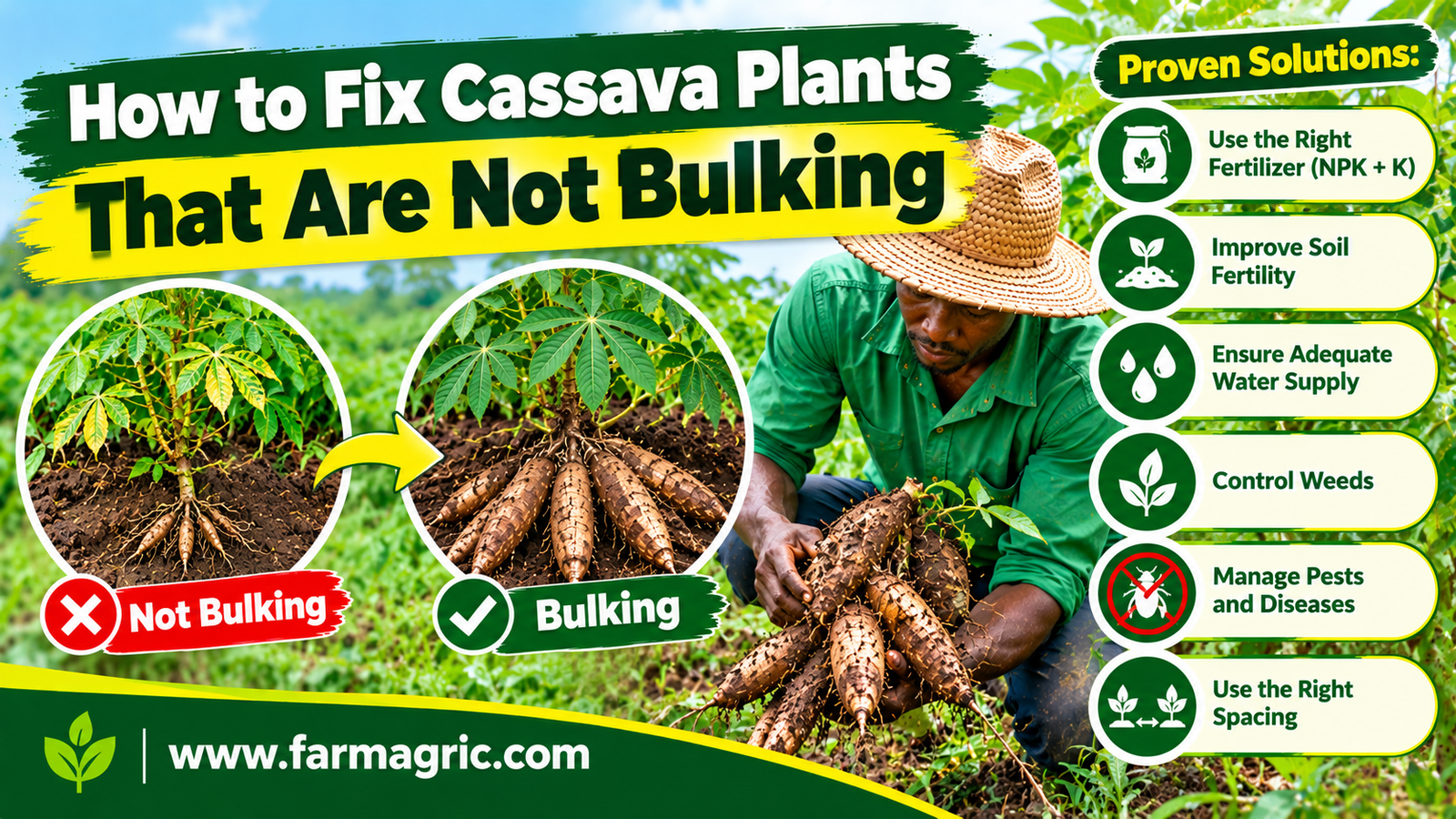
How to Fix Cassava Plants That Are Not Bulking
How to Fix Cassava Plants That Are Not Bulking: A Farmer’s Guide to Getting Roots to Actually Fill
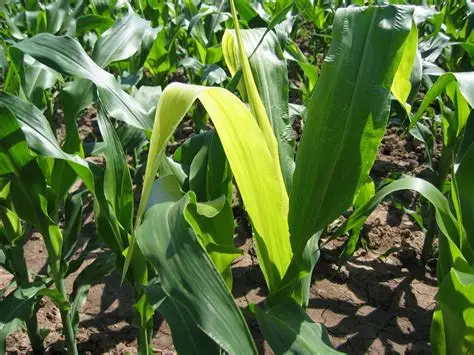
I once grew a field of cassava that looked, from the outside, like one of the best stands I had ever produced. Tall, thick stems, deep green leaves, no sign of pests or disease, the kind of crop that made passersby stop and comment. When I finally dug it at ten months, expecting a heavy harvest to match the appearance, I found roots that were long enough but disappointingly thin, almost like fat carrots rather than the thick, heavy cassava roots I was used to pulling from that same plot in previous years. The plant had grown beautifully above ground and had simply failed to bulk below it. That harvest taught me that healthy-looking leaves and stems tell you almost nothing about what is happening underground, and that bulking, the actual swelling and filling of the storage roots, is a separate process the plant can fail at even while everything else looks fine.
So let me answer you straight, because I know you have dug a test root recently and found it disappointingly thin despite a crop that looks healthy above ground. Cassava plants fail to bulk properly mainly because of an imbalance favoring nitrogen over potassium, compacted or waterlogged soil that restricts root expansion, overcrowding from poor spacing, prolonged drought during the bulking months, or a variety that simply is not suited to the conditions it was planted in, and fixing it means correcting the specific cause behind that season’s failure rather than assuming the answer is always more fertilizer or more time. Bulking is the stage where the plant converts the sugars it has been producing into starch stored in the roots, and almost every cause of poor bulking comes down to something interrupting that conversion process, whether through the wrong nutrient balance, restricted root space, or simply not enough sugar being produced and delivered in the first place.
Why Bulking Can Fail Even When the Plant Looks Healthy
Cassava’s growth happens in two overlapping but distinct phases. Early in the season, the plant focuses heavily on establishing leaves, stems, and the initial storage roots that will eventually bulk. From roughly the third or fourth month onward, assuming those roots have been properly initiated, the plant shifts a growing share of its energy toward filling those roots with starch, a process that continues for many months and depends on a steady, uninterrupted supply of sugars moving down from the leaves. A plant can look completely healthy above ground, producing plenty of leaves and sugars, while something specific is blocking or slowing the transport and storage of those sugars into the roots themselves. Nitrogen in excess pushes the plant to keep investing in leaf and stem growth well past the point where it should be shifting toward root filling. Compacted soil physically restricts how much the roots can expand even if the plant is sending plenty of sugar their way. And drought during the bulking months slows the whole process down regardless of how well everything else has been managed, since water is essential to the physical process of the roots swelling and storing starch.
What Most Farmers Get Wrong
The first mistake, the one that caught me off guard with that thin-rooted harvest, is judging the crop’s progress by its appearance above ground rather than checking the roots directly partway through the season. A lush, healthy-looking plant can still be failing to bulk, and the only way to know for certain is to dig and look.
The second mistake is applying heavy nitrogen, often through generous manure application or nitrogen-heavy fertilizer, without balancing it with adequate potassium. This produces exactly the kind of leafy, vigorous-looking plant that fools farmers into expecting a good harvest, while the roots underneath stay thin because the plant’s energy is being directed toward leaf growth rather than root filling.
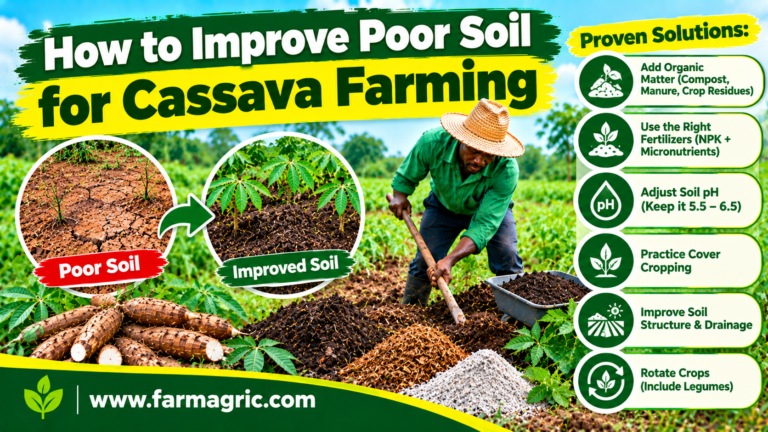
The third mistake is planting on soil that was never properly loosened, or that has become compacted since planting from foot traffic or heavy rain, without recognizing that root bulking requires physical space to expand into. A plant can have perfect nutrition and still produce thin roots if the surrounding soil is too hard for those roots to swell against.
The fourth mistake is overcrowding, whether through spacing that was too tight from the start or through failing to remove weaker, competing stems where multiple cuttings were planted too close together. Crowded plants share a limited pool of light and soil resources across more root systems than the space can properly support, and every plant in that crowd ends up bulking less than it would have on its own.
The fifth mistake is ignoring drought stress specifically during the bulking months, assuming that because cassava tolerates dry spells reasonably well overall, moisture during this particular window does not matter as much as it actually does. A prolonged dry period from around the fourth month onward can meaningfully slow bulking even in a crop that survives the drought without dying.
Step-by-Step Plan to Fix Poor Bulking in Cassava
Start by digging a test plant to confirm what stage the problem is actually at. Pull up an average-looking plant and examine the roots directly. If you find very few or no storage roots at all, the problem happened early, likely tied to poor initial root establishment from stress, disease, or very poor soil conditions at planting. If you find a reasonable number of roots that are simply thin and underfilled, the problem is specifically bulking, and the steps below focus on that situation.
Check your fertilizer history for that plot and correct the nitrogen to potassium balance going forward. If nitrogen has been applied heavily, particularly through fresh manure or high-nitrogen compound fertilizers, without a corresponding potassium source, reduce nitrogen in future applications and add potassium through muriate of potash, wood ash, or a compound fertilizer with a stronger potassium component. For a crop still standing and showing early bulking problems, a potassium application now, even mid-season, can still help the remaining months of growth, though it will not fully undo months of imbalance.
Assess soil compaction around the affected plants. Push a thin stick or rod into the soil near a poorly bulking plant and compare the resistance to soil elsewhere in the field or in a better-performing section. If the soil feels noticeably harder, this points toward compaction as a contributing cause, and for future plantings on that plot, deeper ploughing or ridging before planting is the fix, since correcting compaction around an already-growing crop is difficult without damaging the roots in the process.
Evaluate whether the field was planted too densely. Walk the rows and assess whether plants are crowding each other’s canopy heavily, with little light reaching the lower leaves or the soil between plants. If overcrowding is clearly a factor, note this for future seasons and adjust spacing, since thinning an already-growing cassava crop this late is rarely practical or effective.
Review the season’s rainfall pattern, particularly from the third or fourth month onward through the remainder of the bulking period. If a significant dry spell occurred during this window, recognize it as a likely contributor to this season’s poor bulking, and where you have any irrigation capacity at all, prioritize using it during this specific period in future seasons rather than spreading it evenly across the whole crop cycle.
Check whether pest or disease pressure has been quietly reducing the plant’s productive leaf area. Cassava green mites, whiteflies, and various leaf diseases can all reduce the total amount of leaf surface available to produce sugars, indirectly starving the bulking process even without directly attacking the roots themselves. Scout the canopy specifically for these issues rather than assuming a healthy-looking plant from a distance is free of them.
Consider whether the variety planted is genuinely well suited to your specific soil and rainfall conditions. Some varieties bulk reliably across a wide range of conditions, while others perform well only within a narrower set of circumstances, and a mismatch between variety and local conditions can produce a consistent pattern of poor bulking that no amount of management fully corrects. Local extension advice or comparison with what neighboring farmers are successfully growing on similar land can help identify whether this is a factor.
For the remainder of an already-planted, poorly bulking crop, focus on what can still be influenced, correcting nutrient imbalance where practical, protecting the remaining leaf area from pests and disease, and managing any available water carefully through the rest of the bulking period, while accepting that some of this season’s shortfall may already be locked in from earlier months.
Plan corrections for the next planting based on what you found. If compaction was the issue, commit to deeper land preparation. If nitrogen imbalance was the issue, plan a more careful, potassium-inclusive fertilizer program from the start. If spacing was too tight, widen it. Treating each cause specifically, rather than applying a single generic fix to every future planting, produces far better results than assuming the same blanket approach will solve whatever went wrong.
Warning Signs to Watch For
A plant with unusually tall, vigorous, dark green growth and thick stems, particularly where nitrogen has been applied generously, deserves a mid-season check of the roots rather than being assumed automatically productive, since this exact appearance is what fooled me in my own field. Roots that feel thin, almost carrot-like rather than thick and full, when dug as a test partway through the season indicate that bulking has not progressed as it should, and the earlier this is caught, the more time remains in the season to correct what can still be influenced. Soil that resists a probing stick noticeably more than soil elsewhere in the field points toward compaction limiting root expansion in that specific area. A canopy so dense that little light reaches the ground between plants suggests overcrowding is likely reducing bulking across the whole stand rather than just isolated plants. And a visibly reduced or damaged canopy from pest or disease pressure, even if it seems minor, is worth taking seriously as a potential drag on bulking, since less leaf area consistently means less sugar available to fill the roots regardless of how good the soil and nutrition otherwise are.
What I’d Do Differently If Starting Again Today
If I were starting over, I would dig a test root at four or five months as standard practice on every plot, rather than waiting until the full harvest to discover whether bulking had actually been happening, since that thin-rooted crop taught me how completely appearance above ground can mislead. I would balance my fertilizer program around potassium from the very beginning instead of leaning on nitrogen-heavy manure applications that I now understand were quietly working against the very root development I was trying to encourage. I would loosen my soil more deeply before every planting, treating land preparation as seriously as I treat the planting material itself, since I now know how much a physically restrictive soil can undermine even a well-fed crop. And I would pay much closer attention to spacing and to protecting leaf area from pests through the whole season, rather than assuming a crop that survives to harvest without dying has necessarily bulked the way it should have along the way.
Frequently Asked Questions About Cassava Not Bulking
Why does my cassava grow tall and leafy but produce thin roots? This pattern usually points to excess nitrogen relative to potassium, since nitrogen encourages the plant to keep investing in leaf and stem growth rather than shifting energy toward filling the storage roots, which is exactly the imbalance that produced a lush but poorly bulked crop in my own field.
Can compacted soil really stop cassava roots from bulking even with good fertilizer? Yes, root bulking requires physical space to expand into, so even a well-fed plant will produce thin, restricted roots if the surrounding soil is too hard for them to swell against, making deep land preparation before planting just as important as the fertilizer program that follows.
At what age should cassava roots start bulking noticeably? Most varieties begin shifting significant energy toward root filling from around the third or fourth month onward, assuming the initial storage roots were properly established earlier in the season, which is why digging a test plant around this age can reveal bulking problems early enough to still make some corrections.
Does drought really affect cassava bulking if the plant survives the dry spell? Yes, even though cassava tolerates drought better than many crops without dying, a prolonged dry period specifically during the bulking months slows the physical process of the roots filling with starch, meaning a surviving plant can still show a real yield loss from moisture stress during this window.
Is it possible to fix poor bulking in a crop that is already growing, or only in future plantings? Some correction is possible in an already-growing crop, particularly around fertilizer balance and protecting leaf area from pests, but issues like soil compaction or overcrowding are difficult to correct without disturbing the roots, so much of the real fix for these specific causes applies to how the next crop is planted rather than the current one.
If there is one thing I want you to remember from all this, it is that a beautiful cassava plant above ground is not a promise of what is happening below it, so dig a test root partway through the season, check the balance between nitrogen and potassium, and give the roots loose soil and room to expand, because the field that looks the proudest from the path is sometimes the one quietly failing at the only job you actually planted it to do.