How to Fix Poor Feathering in Broiler Chickens
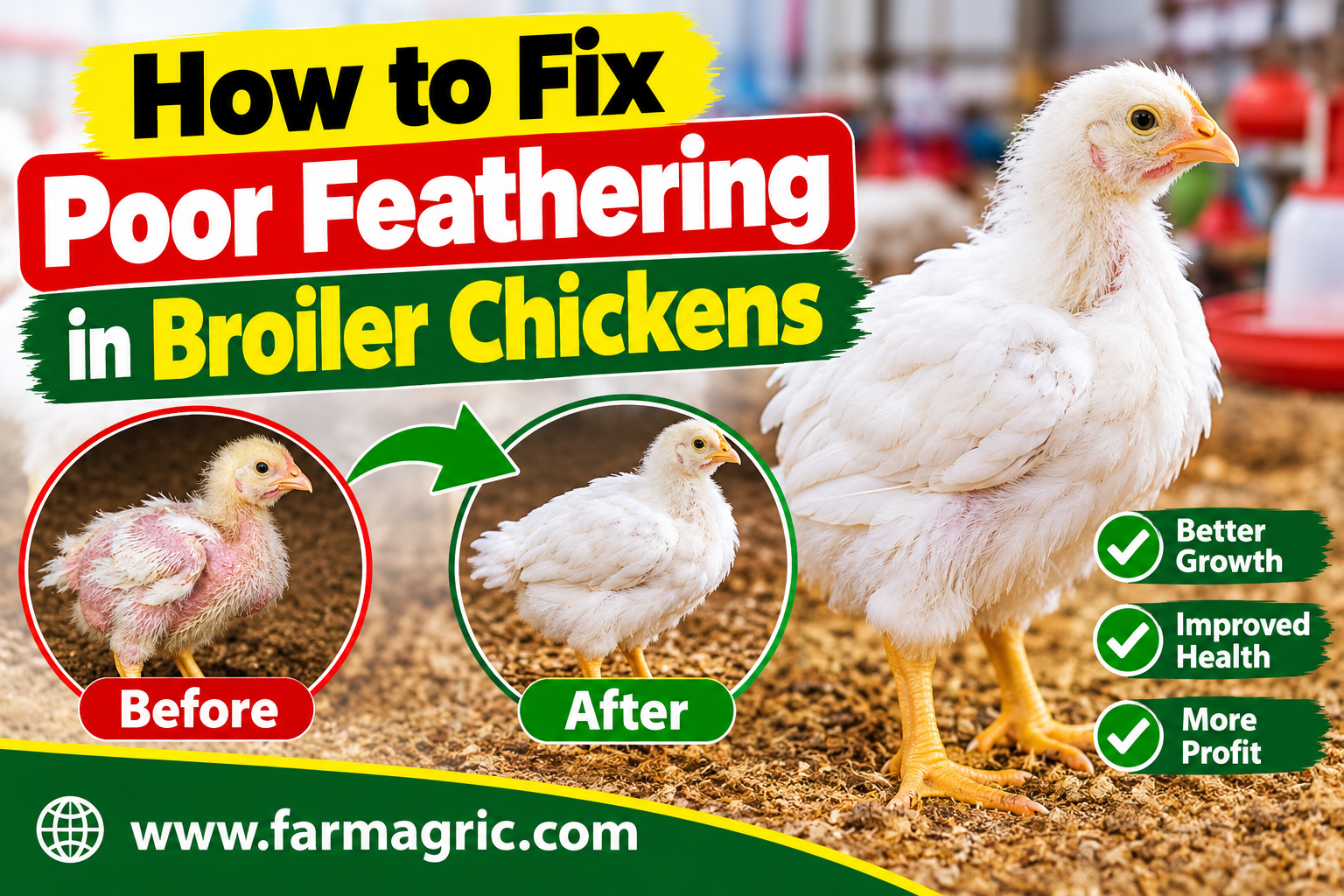
Pay attention to bare or thin patches on the back, breast, neck or tail, red or scabby skin, broken and frayed feathers, and birds scratching or pulling at themselves. Watch for birds chasing and pecking others, uneven growth in the flock, damp or caked litter, strong ammonia smell, and lowered feed intake. Bare, shiny patches with healthy skin point toward nutrition or genetics. Red, scratched skin points toward parasites or pecking. Damp, scabby skin points toward litter. If several signs appear together, work through the steps above in order.
What I would do differently if I were starting again today
I would start every batch by checking the basics before the chicks arrived: a clean, dry, disinfected house, tested heating, fresh litter, working drinkers and feeders, and a feed formulation I had actually compared with the strain’s guidelines. I would stock a little lighter than I used to, and I would take temperature and ventilation seriously from the first day. I would also keep a simple notebook of every batch, so I could see patterns instead of guessing, and I would call a vet or poultry nutritionist at the first sign of trouble instead of after the third bad batch.
Feathering is a message from the birds, not a mystery. Farmers who learn to read it fix problems early and rarely repeat them.
FAQ
What causes poor feathering in broilers?
The main causes are inadequate protein or amino acids in the feed, stress and crowding leading to feather pecking, external parasites, poor brooding temperature and ventilation, wet litter, disease or toxins that slow growth, and genetics.
Which nutrient is most important for feather growth?
Protein is essential, and sulfur-containing amino acids such as methionine and cystine are especially important because feathers are made of keratin, which is rich in them. Biotin, zinc and some other vitamins and minerals also support feather and skin health.
How can I tell feather pecking from poor feather growth?
Pecking usually leaves broken or frayed feathers, red or bloody skin, and birds chasing or picking at others, while poor growth shows as feathers that never developed properly. Close observation of behavior and skin condition helps tell them apart.
Can wet litter cause bare patches on broilers?
Yes. Wet, dirty litter irritates the skin and can cause scabby, bare patches on the breast and hocks. Keeping the litter dry and fixing leaking drinkers prevents this.
Is slow feathering genetic?
It can be. Some strains feather more slowly than others, and slow feathering is a known genetic trait. If you have ruled out feed, parasites, stress and disease and the problem keeps appearing, ask your hatchery about the strain.
Bookmark this
Poor feathering is the flock talking: fix the feed, the air, the space and the parasites, and the feathers will follow.