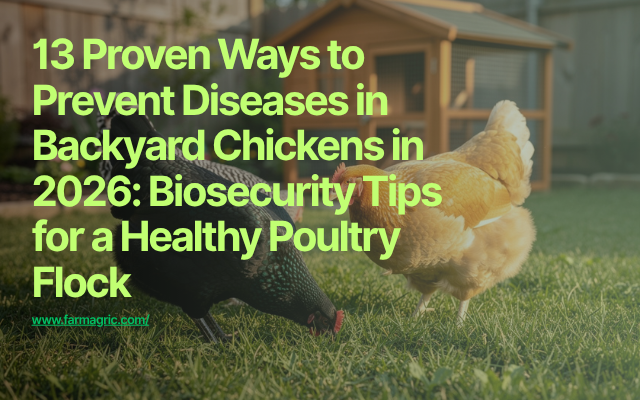
13 Proven Ways to Prevent Diseases in Backyard Chickens in 2026: Biosecurity Tips for a Healthy Poultry Flock
Keeping backyard chickens can be rewarding, whether you raise them for fresh eggs, meat, or as a source of extra income. However, one disease outbreak can wipe out an entire flock within days, leading to significant financial losses and emotional stress. That is why disease prevention should be every poultry keeper’s top priority.
The good news is that most poultry diseases can be prevented with proper management, good hygiene, and strong biosecurity practices. You do not have to wait until your chickens become sick before taking action. Instead, following simple preventive measures can keep your flock healthy throughout the year.
In this guide, you will learn 13 proven ways to prevent diseases in backyard chickens in 2026. Whether you are a beginner or an experienced poultry farmer, these practical tips will help you protect your birds, improve productivity, and reduce veterinary costs.
Quick Facts About Backyard Chicken Disease Prevention
| Information | Details |
|---|---|
| Topic | Backyard Chicken Disease Prevention |
| Suitable For | Backyard poultry keepers and commercial farmers |
| Main Goal | Prevent disease outbreaks and improve flock health |
| Key Focus | Biosecurity, hygiene, nutrition, vaccination, management |
| Difficulty Level | Beginner Friendly |
| Best Time to Apply | Before bringing chickens home and throughout the year |
Why Disease Prevention Is Important for Backyard Chickens
Healthy chickens grow faster, lay more eggs, and produce better-quality meat. In contrast, sick birds often eat less, grow slowly, stop laying eggs, and may spread infections to the rest of the flock.
Preventing diseases also helps you:
- Reduce poultry losses
- Lower treatment costs
- Improve egg production
- Increase meat quality
- Protect your investment
- Maintain a productive flock
Good disease prevention starts long before your chickens show signs of illness.
Common Diseases That Affect Backyard Chickens
Before discussing prevention, it helps to know the diseases that commonly affect backyard flocks.
Some of the most common poultry diseases include:
- Newcastle disease
- Avian influenza
- Coccidiosis
- Fowl pox
- Infectious bronchitis
- Marek’s disease
- Fowl cholera
- Infectious coryza
- Salmonella infections
Many of these diseases spread quickly through contaminated feed, water, equipment, wild birds, rodents, or infected chickens. Fortunately, proper management can greatly reduce the risk.
13 Proven Ways to Prevent Diseases in Backyard Chickens
1. Buy Healthy Chicks from Trusted Sources
- Disease prevention begins before your chickens arrive.
- Always purchase chicks, pullets, or adult birds from reputable hatcheries or licensed breeders with a history of producing healthy stock.
- Avoid buying birds that appear weak, inactive, or sick. Healthy chicks are active, alert, and free from visible injuries or deformities.
- Starting with healthy birds reduces the risk of introducing diseases into your flock.
2. Quarantine New Birds Before Mixing Them
- Never add newly purchased chickens directly to your existing flock.
- Keep new birds in a separate area for at least two to four weeks. During this period, observe them for signs of illness such as coughing, sneezing, diarrhea, swollen eyes, or loss of appetite.
- Quarantine gives you enough time to identify potential health problems before they spread.
3. Keep the Chicken Coop Clean
A dirty poultry house creates the perfect environment for bacteria, viruses, fungi, and parasites.
Clean the coop regularly by:
- Removing droppings
- Replacing dirty bedding
- Washing feeders and drinkers
- Cleaning nesting boxes
- Removing leftover feed
A clean environment reduces harmful microorganisms and keeps chickens healthier.
4. Provide Clean Water Every Day
- Water can easily become contaminated with droppings, dirt, and harmful bacteria.
- Replace drinking water daily and clean water containers often.
- Position drinkers where chickens cannot easily contaminate them with litter or manure.
- Fresh water supports strong immunity and reduces disease transmission.
5. Feed a Balanced and Nutritious Diet
Good nutrition helps chickens build strong immune systems. Feed your flock high-quality poultry feed that meets their nutritional needs according to age and production stage.
You can also provide healthy supplements such as:
- Fresh greens
- Calcium sources for layers
- Vitamins when recommended
- Clean grit where necessary
Avoid feeding spoiled or moldy feed because it can cause serious health problems.
6. Follow a Proper Vaccination Program
Vaccination protects chickens against several dangerous diseases.
Depending on your location and flock size, your veterinarian may recommend vaccines for diseases such as:
- Newcastle disease
- Marek’s disease
- Infectious bronchitis
- Fowl pox
Follow the recommended vaccination schedule carefully for maximum protection.
7. Limit Visitors to Your Poultry Area
- People can unknowingly carry disease-causing organisms on their shoes, clothing, or equipment.
- Avoid allowing unnecessary visitors into your poultry area.
- If visitors must enter, ask them to wear clean footwear or use disinfectant footbaths before entering the chicken coop.
- Simple precautions can significantly reduce disease risks.
8. Control Rodents and Wild Birds
Rats, mice, sparrows, pigeons, and other wild birds often carry diseases that can infect backyard chickens.
Reduce their presence by:
- Storing feed in sealed containers
- Repairing holes in buildings
- Cleaning spilled feed promptly
- Installing wire mesh where necessary
Limiting contact with wild animals helps protect your flock.
9. Avoid Overcrowding
- Too many chickens in a small space create stress and increase disease transmission.
- Overcrowding also leads to poor ventilation, feather pecking, and faster spread of parasites.
- Provide enough space for birds to eat, drink, move freely, and rest comfortably.
- Healthy living conditions improve overall flock welfare.
10. Maintain Good Ventilation
Fresh air is essential for healthy chickens. Poor ventilation allows moisture, dust, ammonia, and harmful microorganisms to build up inside the coop. Ensure your poultry house has adequate airflow without exposing birds to strong drafts. Proper ventilation keeps litter dry and supports respiratory health.
11. Watch for Early Signs of Illness
Early detection allows you to isolate sick birds before diseases spread.
Inspect your flock daily for symptoms such as:
- Loss of appetite
- Coughing or sneezing
- Swollen eyes
- Diarrhea
- Lethargy
- Difficulty walking
- Reduced egg production
Prompt action can prevent a minor problem from becoming a major outbreak.
12. Isolate Sick Birds Immediately
- If a chicken becomes sick, separate it from the healthy flock immediately.
- Isolation reduces the chances of disease transmission while allowing you to monitor the affected bird more closely.
- Consult a poultry veterinarian if symptoms persist or worsen.
- Never ignore unusual illness in your flock.
13. Practice Strong Biosecurity Every Day
Biosecurity simply means preventing diseases from entering or spreading within your poultry farm.
Good biosecurity practices include:
- Cleaning equipment regularly
- Disinfecting footwear
- Washing hands before handling birds
- Using dedicated poultry clothing
- Keeping poultry equipment separate from other animals
- Disposing of dead birds safely
Consistent biosecurity remains one of the most effective ways to keep backyard chickens healthy.
Essential Biosecurity Checklist for Backyard Poultry Keepers
Use this checklist to protect your flock throughout the year:
- Buy birds from trusted suppliers.
- Quarantine new chickens.
- Clean the coop regularly.
- Provide clean feed and water.
- Vaccinate birds on schedule.
- Control rodents and wild birds.
- Avoid overcrowding.
- Improve ventilation.
- Inspect chickens daily.
- Isolate sick birds immediately.
- Disinfect equipment regularly.
Following these simple habits greatly reduces the chances of disease outbreaks.
Common Mistakes That Increase Disease Risk
Many backyard poultry owners unknowingly expose their flocks to preventable diseases.
Avoid these common mistakes:
- Mixing new birds with existing chickens immediately
- Ignoring vaccination schedules
- Allowing dirty drinking water
- Feeding moldy feed
- Overcrowding the coop
- Delaying treatment for sick birds
- Allowing rodents to access poultry feed
Correcting these mistakes can improve flock health and reduce losses.
Expert Tips for Raising Healthy Backyard Chickens
Experienced poultry farmers recommend the following:
- Observe your flock every day.
- Keep detailed health records.
- Clean feeders and drinkers frequently.
- Replace wet bedding promptly.
- Purchase quality feed from reliable suppliers.
- Learn to recognize early disease symptoms.
- Contact a veterinarian whenever unusual deaths occur.
Small preventive actions often save farmers from expensive disease outbreaks.
Also Read: Can Spoilt Cassava Be Used as Chicken Feed in Nigeria? A Practical Guide from 8 Years of Experience
Frequently Asked Questions
What is the best way to prevent diseases in backyard chickens?
The best approach combines good hygiene, proper nutrition, vaccination, clean housing, and strong biosecurity practices.
Should new chickens be quarantined?
Yes. New birds should remain isolated for at least two to four weeks before joining the main flock.
How often should a chicken coop be cleaned?
Remove droppings daily when possible and perform a thorough cleaning regularly to maintain a healthy environment.
Why is biosecurity important in poultry farming?
Biosecurity prevents harmful bacteria, viruses, and parasites from entering or spreading within your flock, reducing the risk of disease outbreaks.
Can healthy-looking chickens carry diseases?
Yes. Some birds may appear healthy while carrying infections that can spread to other chickens. This is why quarantine and regular monitoring are important.
Conclusion
Preventing diseases in backyard chickens is far easier and less expensive than treating a disease outbreak. By following proper biosecurity measures, maintaining a clean environment, providing balanced nutrition, and monitoring your flock every day, you can raise healthier and more productive chickens.
Whether you keep a few hens in your backyard or manage a growing poultry business, these 13 proven disease prevention tips will help protect your investment, reduce losses, and ensure your flock remains healthy throughout 2026 and beyond.