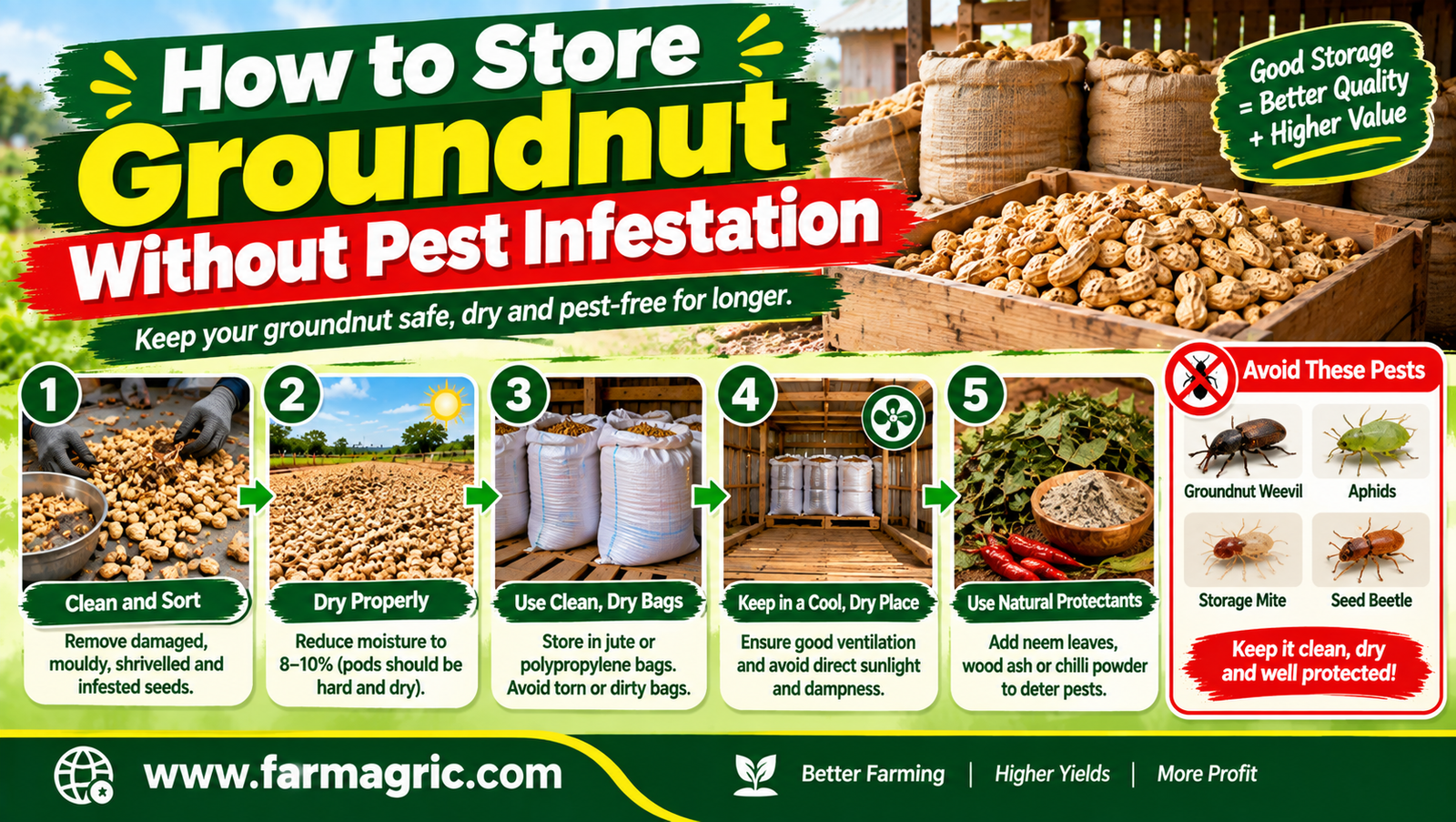
How to Store Groundnut Without Pest Infestation
How to Store Groundnut Without Pest Infestation: A Farmer’s Guide to Keeping Weevils and Beetles Out of a Harvest You Worked Hard to Dry
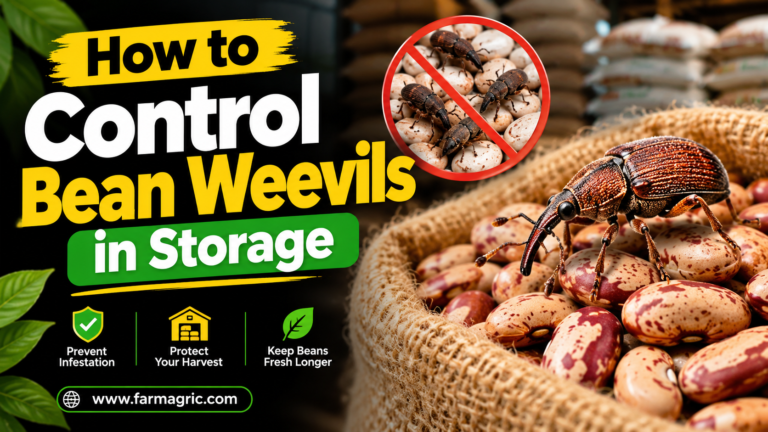
I once opened a sack of groundnut I had dried carefully and stored away feeling genuinely proud of myself, only to find a fine dusting of powder at the bottom of the sack and a scattering of small, reddish-brown beetles moving through the pods when I poured them out onto a tarp. I had done everything right with drying that season, snapping kernels to confirm dryness the way I had learned after my earlier mold disaster, and I assumed dryness alone was enough to guarantee a safe harvest sitting quietly until I needed it. It was not. Pest infestation, I learned that day, is a completely separate battle from moisture management, and a perfectly dry groundnut harvest can still be destroyed by insects that were either already present in the field before harvest or that found their way into my storage containers afterward. That loss taught me that storage protection against pests needs its own deliberate plan, built on top of good drying rather than assumed to follow automatically from it.
So let me answer you straight, because I know you have a dry, well-prepared harvest sitting somewhere right now and you want to make sure insects do not quietly take it apart while you are not looking. You store groundnut without pest infestation by cleaning and inspecting pods thoroughly before storage to remove already-infested or damaged material, using clean storage containers free of residue from previous harvests, applying an appropriate storage protectant such as ash, diatomaceous earth, or an approved chemical dust where infestation risk is known to be high, storing in sealed or hermetic containers wherever possible to deny insects the oxygen and access they need to establish and spread, and inspecting stored groundnut regularly so that any infestation that does begin is caught and addressed while it is still small and manageable rather than allowed to spread through an entire harvest unnoticed. Pest-free storage depends on denying insects every opportunity you can control, from what goes into the container in the first place to the environment inside that container over the following months, and treating any one of these steps as optional is usually how a infestation that could have been prevented ends up establishing itself instead.
Why Groundnut Attracts Storage Pests So Readily
Groundnut’s combination of oil content and nutritional density makes it a genuinely attractive target for several common storage pests, including groundnut beetles, weevils, and various moth species whose larvae feed directly on stored kernels. Many of these pests do not arrive only after harvest, since eggs can already be present on pods in the field before digging ever begins, meaning a batch of groundnut that looks completely clean going into storage can still develop a noticeable infestation weeks later as those already-present eggs hatch and the resulting larvae begin feeding and multiplying within the stored pods. This is similar in principle to how maize weevils often arrive in the field rather than in storage itself, and it means that storage pest prevention genuinely needs to start before the harvest ever reaches the storage container, with careful inspection and cleaning, rather than being treated purely as a question of what happens to the crop once it is already packed away.
What Most Farmers Get Wrong
The first mistake, the one that caught me off guard with that beetle-infested sack, is assuming that because a harvest has been dried properly, it is automatically protected against pest problems as well, when moisture management and pest management are genuinely separate concerns that both need deliberate attention rather than assuming one naturally covers the other.
The second mistake is storing groundnut without any real cleaning or sorting beforehand, mixing in damaged, cracked, or already lightly infested pods alongside clean, healthy ones, which gives any pests already present an easy foothold within a container that otherwise might have remained largely pest-free for considerably longer.
The third mistake is reusing old sacks, bins, or storage containers without cleaning them thoroughly first, allowing residual insects, eggs, or old crop dust left behind from a previous season’s storage to immediately begin infesting a fresh, carefully prepared harvest the moment it goes into that same container.
The fourth mistake is not inspecting stored groundnut regularly after the initial storage process is complete, treating storage as something you can set aside and forget about until you are ready to use or sell the crop, rather than something that benefits from periodic checking so a small, early infestation can be caught and addressed before it spreads through and compromises a much larger portion of the harvest.
The fifth mistake is storing groundnut in ordinary, non-sealed containers when hermetic or airtight options are available, missing out on one of the most effective tools against storage pests, since insects generally cannot survive or reproduce successfully in a properly sealed, low-oxygen environment regardless of whether some eggs were already present when the container was closed.
Step-by-Step Guide to Storing Groundnut Without Pest Infestation
Start by inspecting and cleaning your harvest thoroughly before it ever goes into long-term storage, sorting through dried pods and removing any that show visible damage, cracking, discoloration, or signs of insect activity such as small holes or a dusty residue, since these compromised pods are far more likely to already carry pest eggs or early-stage infestation than clean, intact ones.
Winnow or sort out loose debris, broken shell fragments, and other plant material mixed in with the pods, since this debris can hold moisture more readily than clean groundnut and also provides hiding spots and additional food sources for pests that make establishing an infestation considerably easier than it would be in a clean, well-sorted batch.
Clean and prepare your storage containers thoroughly before filling them, whether sacks, bins, or a dedicated storage structure, sweeping out all old residue, dust, and plant debris left over from any previous use, and sun-drying empty containers where practical, since heat helps eliminate lingering insects or eggs that may be hiding in seams, corners, or folds from earlier storage seasons.
Avoid mixing a freshly harvested, carefully cleaned batch with older stored groundnut that has not been checked recently, since any pest population already established in that older stock can move directly into the fresh batch the moment the two are combined, undermining all the careful preparation that went into the new harvest.
Apply a storage protectant appropriate to your situation and local availability, mixing it thoroughly through the groundnut rather than applying it only to the surface of a container. Wood ash mixed through the pods at an appropriate ratio works through a similar mechanism to its use in maize storage, damaging the pest’s protective outer layer and disrupting the moisture balance it needs to survive. Diatomaceous earth works on a comparable principle where it is available. Where chemical protectants are used, follow label rates and safety instructions precisely, since under-application is a common reason farmers see disappointing results from a protectant that would have worked properly at the correct rate.
Use hermetic or airtight storage wherever you have access to it, whether through purpose-made sealed storage bags, layered polypropylene sacks designed to exclude oxygen, or airtight containers and drums, since this approach starves pests of the oxygen they need to survive and reproduce, often stopping even an infestation that began from eggs already present in the pods before sealing.
Store groundnut in a cool, dry, shaded location with reasonable airflow around the containers themselves, keeping sacks or bins raised off the ground on pallets or a simple platform both to reduce ground moisture contact and to improve air circulation underneath, and avoiding storage spaces with poor ventilation or metal roofing that traps significant heat directly overhead, since warmer conditions generally accelerate pest reproduction rates considerably compared to a cooler, better-regulated storage environment.
Separate different batches or harvests within your storage space where practical, rather than combining everything into one large, undifferentiated pile or set of sacks, since this separation makes it easier to isolate and address an infestation found in one batch without it having already spread freely into everything else you have stored.
Inspect stored groundnut regularly, at minimum every two to three weeks, opening a sample of sacks or checking a representative portion of bin storage, looking for live insects, fine dust or frass accumulating at the bottom of containers, small holes in pods or kernels, and any change in smell that might suggest developing problems beyond pest activity alone.
Address any infestation found during inspection promptly rather than hoping it resolves on its own, removing and isolating affected pods or sacks from the rest of the stored harvest, and considering whether re-drying, reapplying a protectant, or moving the affected portion into sealed storage can salvage what remains usable before the problem spreads further.
Rotate your stored stock using a first-in, first-out approach, using or selling older groundnut before newer harvests, since grain and legumes that have been in storage longer have had more cumulative time exposed to whatever pest pressure exists in your storage environment, making rotation a sensible general practice regardless of how well the storage itself is otherwise managed.
Manage the broader storage area for pest pressure as well, keeping the space generally clean of spilled grain, old debris, and clutter that can harbor pest populations independent of what is happening inside your sealed or protected groundnut containers specifically, since a generally pest-heavy storage building makes it considerably harder to keep any individual batch fully protected over an extended period.
Warning Signs of Developing Pest Infestation in Stored Groundnut
A fine, powdery dust or frass accumulating at the bottom of a sack or in the corners of a storage bin is one of the earliest and most reliable signs of insect activity, representing material left behind as pests feed and bore into pods and kernels. Small, visible holes in individual pods or kernels, sometimes accompanied by a scattering of fine powder nearby, indicate that insects have already bored in and are likely developing or breeding further inside the affected material. Live insects visible when a sample of stored groundnut is poured out or disturbed, whether small beetles, weevils, or moth larvae depending on the specific pest involved, confirm active infestation requiring immediate attention rather than routine monitoring alone. A musty or otherwise off smell developing in stored groundnut, sometimes but not always accompanied by visible insect activity, can indicate either pest-related damage or a separate moisture problem, both of which deserve prompt investigation rather than being dismissed. And any noticeable warmth felt when reaching into a large pile or deep container of stored groundnut, distinctly warmer than the surrounding storage environment, can indicate significant insect metabolic activity from a heavy infestation generating heat within the stored mass, a serious sign that calls for immediate action rather than routine periodic checking.
What I’d Do Differently If Starting Again Today
If I were starting over, I would treat pest protection as a completely separate, equally important task from moisture management rather than assuming good drying automatically covered both concerns, since that beetle-infested sack taught me directly how wrong that assumption turned out to be. I would clean and sort every harvest thoroughly before storage without exception, removing damaged and questionable pods rather than storing everything together out of a reluctance to waste any portion of what I had grown, understanding now how much a few compromised pods can compromise an entire container over time. I would invest in hermetic storage options far earlier than I actually did, given how much more reliably sealed, oxygen-excluding containers have protected my harvests in the seasons since I started using them compared to the ordinary sacks I relied on for years before that beetle problem forced me to reconsider my whole approach. And I would commit to a genuinely regular inspection schedule, checking stored groundnut every few weeks without fail rather than only looking closely when I happened to think of it or when I was preparing to sell or use the crop, since I now understand how much easier and less costly it is to catch and address a small, early infestation compared to discovering a large one that has had months to spread unnoticed.
Frequently Asked Questions About Storing Groundnut Without Pest Infestation
Can groundnut pests be present even if the harvest was dried properly? Yes, moisture management and pest management are separate concerns, and pest eggs are often already present on pods from the field before harvest even occurs, meaning a properly dried batch can still develop a noticeable infestation over time if no additional pest prevention steps are taken during storage preparation.
Does wood ash really help protect stored groundnut from insects? Yes, wood ash mixed thoroughly through stored groundnut works by damaging the protective outer layer of many storage pests and disrupting the moisture balance they need to survive, providing a genuine, low-cost layer of protection similar to how it is traditionally used in maize and other stored grain.
How often should I check stored groundnut for pest problems? Checking at least every two to three weeks is a reasonable minimum practice, since this frequency is generally enough to catch a developing infestation while it remains limited to a small portion of the stored harvest, rather than allowing it months of undisturbed time to spread through a much larger share of what you have stored.
Are hermetic storage bags worth the investment for groundnut specifically? Yes, given how attractive groundnut is to several common storage pests due to its oil content and nutritional density, the oxygen-excluding protection that hermetic bags provide tends to offer meaningfully better protection than ordinary sacks, particularly in warm climates where pest reproduction rates are generally higher.
What should I do if I find live insects in a sack of stored groundnut? Isolate the affected sack immediately from the rest of your stored harvest, inspect it closely to assess how far the infestation has progressed, and consider re-drying, reapplying a protectant, or moving any salvageable material into sealed storage, while also checking neighboring sacks and containers closely in case the infestation has already begun spreading beyond the one sack where you first noticed it.
If there is one thing I want you to remember from all this, it is that a dry harvest and a pest-free harvest are two different achievements requiring two different kinds of attention, so clean your pods carefully, seal what you can, and check your sacks regularly, because the beetles that quietly took apart my proudly dried harvest taught me that dryness alone was never the finish line I had assumed it to be.