Kansas Immigration Enforcement Disrupts Agricultural and Beef Operations
Kansas Immigration Enforcement Disrupts Agricultural and Beef Operations
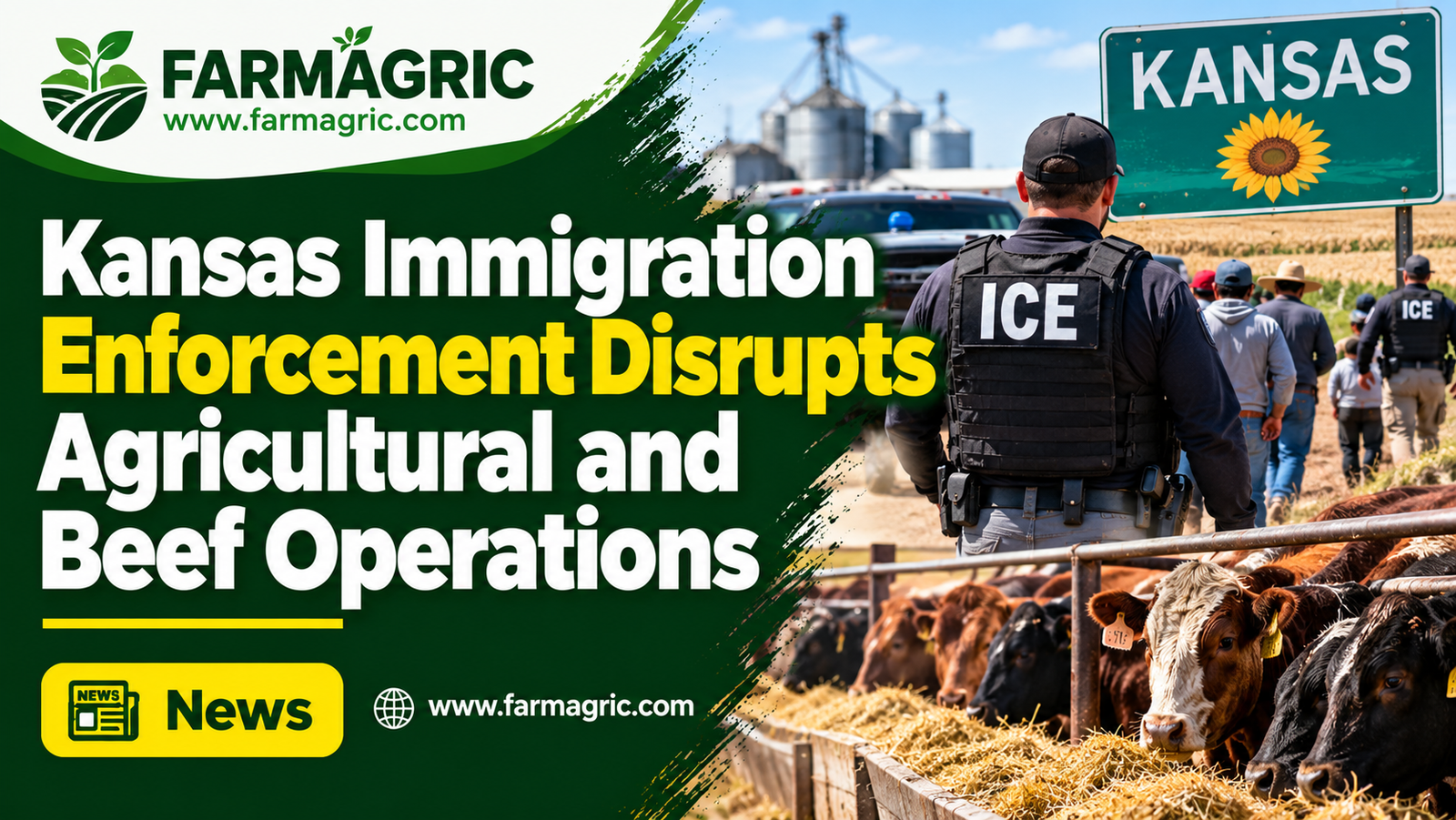
Immigration enforcement operations in southwest Kansas have created significant disruption across parts of the region’s agricultural and beef-processing industry, with livestock groups reporting worker shortages, delayed cattle shipments and interruptions at facilities in major cattle-producing communities.
The enforcement operation, known as Operation Safe Community-Kansas, took place from September 22 to September 24 across southwest Kansas. According to the U.S. Attorney’s Office for the District of Kansas, Immigration and Customs Enforcement made 104 arrests during the three-day operation. Federal officials said the operation was focused on people with criminal histories and rejected claims that it was an indiscriminate sweep.
The operation affected communities including Dodge City, Garden City and Liberal, areas that are important to the U.S. beef industry because of their large feedlots, meat-processing facilities and agricultural workforce.
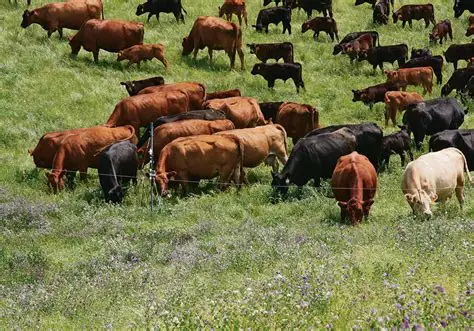
Livestock organizations said the enforcement activity created workforce disruptions at several points in the agricultural supply chain. The Kansas Livestock Association, Oklahoma Cattlemen’s Association and Texas Cattle Feeders Association reported delays involving thousands of fed cattle being transported to processing facilities, with additional costs and lost revenue resulting from the disruption.
Several meat-processing facilities also experienced reduced operations as workers stayed away from their jobs. Industry representatives said cattle that could not be processed as scheduled had to remain at feedlots or be returned there, creating additional costs for producers and raising concerns about animal health when cattle remain in feedyards longer than planned.
The disruption comes at a particularly sensitive time for the U.S. cattle industry. The country’s cattle herd is already near historic lows, while beef prices remain elevated. Any interruption in the movement of cattle from feedlots to processing plants can therefore create additional pressure on an already tightly supplied market.
Agricultural operations in the region also depend heavily on workers for activities ranging from livestock handling and processing to transportation and other services connected to farming and ranching. The Kansas Farmers Union has said the recent enforcement activity has disrupted families, communities and agricultural businesses in southwest Kansas.
However, federal officials have disputed some of the accounts circulating about the operation. The U.S. Attorney for Kansas warned on September 29 against what he described as irresponsible rumors surrounding the enforcement activity. His office said the operation was intelligence-driven and targeted people with significant criminal histories.
The Department of Homeland Security has also said the federal operation was aimed at criminal offenders and maintained that agents were not conducting worksite raids. Industry and community reports, however, have described widespread worker absences and disruptions around meat-processing facilities following the increased federal presence.
For cattle farmers, the immediate concern is not limited to immigration policy itself. The practical issue is whether livestock can continue moving efficiently from farms and feedlots to processors.
When cattle shipments are delayed, producers can face additional feeding expenses because animals remain on feed longer. Processing delays can also affect scheduling throughout the supply chain, from livestock transportation to meat distribution.
Industry groups have warned that prolonged disruption could have consequences for beef prices and agricultural businesses if processing capacity remains constrained. The Kansas Livestock Association said its members had reported increased worker absences after federal immigration activity became visible in southwest Kansas.
The region is particularly important to the national beef supply. Southwest Kansas contains major cattle-feeding and beef-processing operations, making the smooth movement of cattle through the area important not only to local ranchers but also to the wider U.S. beef market.
The situation also highlights the dependence of modern livestock production on a large network of workers beyond the farm gate. Feedlots, meatpacking plants, transportation companies, feed suppliers and other agricultural businesses all depend on workers to keep cattle moving through the production system.
For farmers and ranchers watching the situation, the key question now is whether the disruption will remain temporary or produce longer-lasting effects on cattle processing, transportation costs and market conditions.
Federal officials have indicated that the September operation was targeted at specific individuals with criminal records, while agricultural organizations have focused on the broader effects that enforcement activity and worker absences are having on the farming and beef-processing economy.
As of October 1, the reported effects include cattle shipment delays, worker absences and temporary interruptions at some processing operations, while federal authorities maintain that the enforcement operation was targeted rather than a general agricultural workplace sweep.
For livestock producers, the developments are another challenge in a beef market already dealing with tight cattle supplies and high operating costs. The industry’s focus will now be on whether cattle processing returns to normal and whether further enforcement activity creates additional pressure on the agricultural workforce and beef supply chain.