How to Fix Poor Grain Filling in Rice
How to Fix Poor Grain Filling in Rice: A Farmer’s Guide to Getting Full, Heavy Panicles
I once brought in a harvest that looked completely normal standing in the field, tall, full panicles, good color, nothing that would have made me suspicious walking past it. It wasn’t until I ran it through the thresher and looked at what came out, a noticeably higher proportion of light, chaffy, empty hulls mixed in with the good grain than I’d ever seen before, that I realized something had gone wrong weeks earlier without ever showing itself clearly above ground. That harvest sent me back through my own records trying to figure out what had happened, and the answer turned out to be a combination of a dry spell right around flowering that I’d underestimated at the time, and a potassium level I hadn’t paid close enough attention to that season. Poor grain filling is one of the sneakiest problems in rice farming, because the plant can look perfectly healthy right up until you actually weigh and inspect what it produced.
So let me answer you straight, because I know you’ve either already seen those light, chalky, or empty grains coming out of your thresher, or you’re trying to prevent that outcome before it happens. Poor grain filling in rice is usually caused by moisture stress or extreme temperature around flowering, potassium or other nutrient deficiency during the reproductive and grain-filling stages, poor pollination from disease or pest damage to the panicle, or excessive plant density and shading that limits the energy each panicle has available to fill its grains, and fixing it means correcting whichever of these was actually happening during that critical window, not applying a generic fix after the fact. Grain filling problems are almost always decided during a fairly narrow window around flowering and the weeks immediately after, which means by the time you see the empty or chalky grain at harvest, you’re documenting a problem, not treating one, and next season’s prevention has to start well before that window arrives.
Why Grain Filling Is So Sensitive to What Happens at Flowering
Once rice flowers and pollination occurs, the plant enters a period where it’s essentially manufacturing and transporting sugars from the leaves down into the developing grain, a process that depends heavily on the plant having adequate water, adequate nutrients, particularly potassium, and healthy, undamaged leaf area to keep producing and moving those sugars for the two to three weeks following flowering. Any significant stress during this window, drought, heat, nutrient shortage, or damage to the flag leaf and upper canopy from pests or disease, interrupts that process at exactly the point where the grain has the least ability to compensate later. A plant that looks completely healthy through vegetative growth and even through flowering itself can still end up with poorly filled grain if something goes wrong specifically during this narrow post-flowering window, which is exactly why the problem so often surprises farmers at harvest rather than showing obvious warning signs earlier in the season.
What Most Farmers Get Wrong
The first mistake, the one that caught me off guard with that chaffy harvest, is underestimating how much a relatively short dry spell right around flowering can affect final grain fill, especially compared to the same dry spell hitting at almost any other growth stage. A few days of real water stress during this specific window does more damage than a much longer dry period earlier in the season.
The second mistake is focusing nutrient management almost entirely on nitrogen and treating potassium as an afterthought, when potassium plays a particularly critical role in the sugar transport process that directly drives grain filling. Fields that look adequately fertilized based on nitrogen and general vigor can still produce poorly filled grain if potassium specifically falls short during the reproductive stage.
The third mistake is not recognizing pest or disease damage to the flag leaf and upper canopy as a grain filling issue. Farmers often focus pest and disease scouting on general plant health without specifically connecting damage to the top leaves, the ones doing most of the work feeding the developing grain, with the direct impact that damage has on how well those grains ultimately fill.
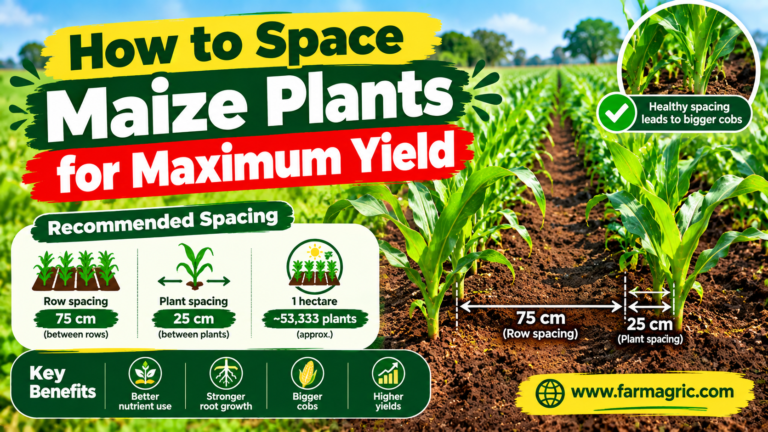
The fourth mistake is planting too densely, creating a canopy where lower leaves are heavily shaded and contribute little to the overall sugar production the plant needs during grain filling, effectively reducing the total productive leaf area available to fill all the grains the dense planting produced in the first place.
The fifth mistake is not distinguishing between different causes of poor grain fill when trying to prevent it next season, treating it as one generic problem rather than working backward through the specific conditions, weather, nutrition, pest pressure, canopy density, that were present during that particular flowering window to identify what actually went wrong.
Step-by-Step: Diagnosing and Fixing Poor Grain Filling
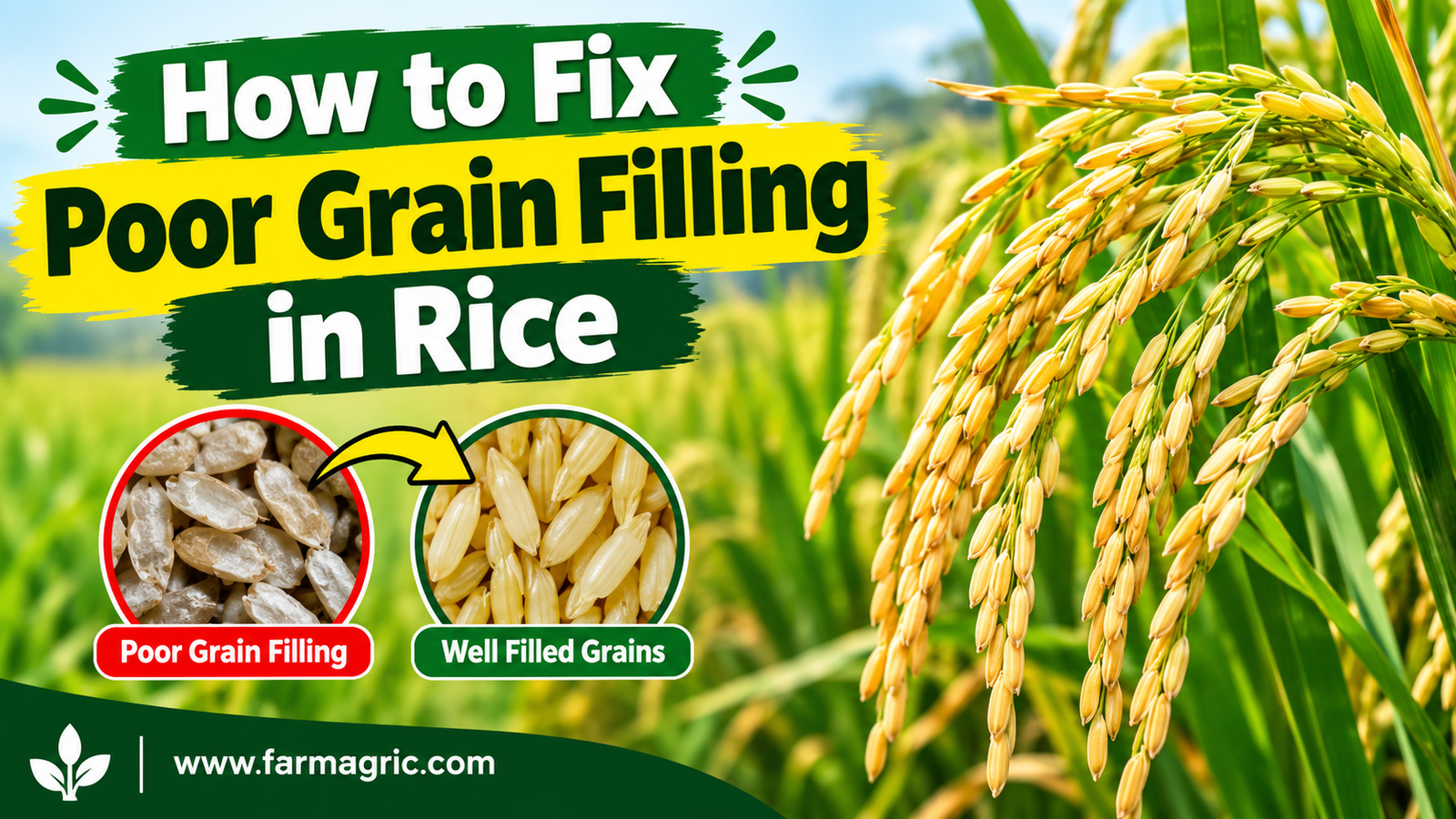
1. Inspect harvested grain carefully to characterize the type of poor filling you’re seeing. Chalky, opaque grain rather than clean and translucent often points toward heat or moisture stress during grain development. A high percentage of completely empty or very light hulls, sometimes called unfilled spikelets, often points toward poor pollination or a more severe stress event right around flowering itself.
2. Review your records for weather conditions during the flowering period. Look back specifically at temperature and moisture conditions during the window from roughly a week before to two to three weeks after flowering, since this is where the vast majority of grain filling problems actually originate, even if the visible symptoms only show up at harvest.
3. Check your potassium application timing and rate from that season. If nitrogen was adequate but potassium was applied lightly, late, or not at all during the reproductive stage, insufficient potassium during the exact period when sugar transport into the grain is happening most intensively is a likely contributing factor.
4. Assess whether pest or disease pressure affected the upper canopy during grain filling. Review scouting notes or recall whether stem borers, leaf folders, blast, or other pressure specifically damaged the flag leaf or upper leaves during or shortly after flowering, since damage to this specific part of the plant has an outsized effect on grain filling compared to similar damage to lower, less productive leaves.
5. Evaluate whether planting density may have limited available leaf area. If the field was planted unusually densely, or if the variety naturally produces a heavy, shading canopy, consider whether overall sugar production capacity may simply have been insufficient to fill every grain the dense stand had produced.
6. For the current season, prioritize consistent water management through flowering above almost everything else. If you’re managing an active crop approaching this stage, treat maintaining reliable water depth and avoiding any unintentional dry periods during the two weeks before and after flowering as one of your highest priorities, since this window has an outsized impact on final grain fill compared to almost any other single management decision available to you at that stage.
7. Apply potassium specifically timed for the reproductive stage. Include a potassium application around panicle initiation, separate from and in addition to nitrogen top-dressing, to ensure adequate potassium is available during the period when the plant’s demand for it rises sharply to support grain filling.
8. Protect the flag leaf and upper canopy from pest and disease damage specifically during this window. Prioritize scouting and, where necessary, treatment aimed at protecting the top leaves during flowering and the following weeks, recognizing that damage here matters more for grain filling than similar damage would at almost any other point in the plant’s life or on lower leaves.
9. Adjust planting density for future seasons if canopy shading appears to be a contributing factor. If dense planting seems to be limiting productive leaf area, consider slightly wider spacing in future seasons, balancing the yield benefit of higher plant population against the grain filling cost of excessive shading within an overly dense canopy.
10. Consider variety-specific grain filling characteristics when selecting seed for future seasons. Some varieties are simply more prone to poor grain filling under marginal conditions than others, so in areas with a history of heat stress or unreliable water right around typical flowering time, choosing a variety known for more reliable grain filling under those specific local conditions can reduce risk considerably.
Warning Signs to Watch For
A noticeably higher proportion of light, empty-feeling panicles when handled compared to previous seasons, even before threshing confirms it numerically, is often the first practical sign that grain filling has been compromised somewhere in that critical window. Panicles that droop less than expected at what should be near-harvest maturity can indicate a lighter than normal grain load, since a fully filled panicle carries a distinct, heavier bend that a poorly filled one often lacks. Visible pest or disease damage to the flag leaf specifically during flowering, even if the rest of the plant looks reasonably healthy, is worth treating as a direct grain filling risk rather than just a general plant health concern. And any dry spell, even a relatively short one, that happens to fall right around your field’s flowering period deserves immediate attention to water management, since the timing sensitivity here is higher than almost anywhere else in the crop’s cycle.
What I’d Do Differently If Starting Again Today
If I were starting over, I’d treat the two to three week window around flowering as the single highest-priority period for water reliability in my entire season, rather than only recognizing its outsized importance after that disappointing harvest taught me directly. I’d apply potassium as a deliberate, separate, properly timed application from the very beginning instead of treating it as secondary to nitrogen, since I now understand how directly it’s tied to the sugar transport process that grain filling actually depends on. I’d scout specifically for flag leaf and upper canopy damage during flowering with real intention, rather than applying the same general scouting approach across the whole season regardless of growth stage, since I now know that damage at this specific point and location matters more than similar damage almost anywhere else on the plant. And I’d keep better seasonal records tying weather, nutrient timing, and pest pressure together around that flowering window specifically, since working backward through my own scattered memory to diagnose that bad harvest was far harder than it should have been with better notes from the start.
Frequently Asked Questions About Poor Grain Filling in Rice
What causes empty or chaffy rice grains at harvest?
Empty or chaffy grains most often result from stress, drought, heat, or poor pollination, occurring right around the flowering period, since this is when the plant is most sensitive to disruption in the process of developing and filling each grain, even if the rest of the plant appeared healthy at the time.
Does potassium deficiency really affect how well rice grain fills?
Yes, potassium plays a particularly important role in transporting sugars produced in the leaves down into the developing grain, so insufficient potassium during the reproductive and grain-filling stages specifically can result in poorly filled grain even when nitrogen and general plant vigor look adequate.
Can a short dry spell really cause poor grain filling if the rest of the season had good rainfall?
Yes, because the two to three week window around flowering is so sensitive to moisture stress that even a relatively brief dry spell during this specific period can cause more grain filling damage than a much longer dry spell occurring at almost any other stage of the crop’s growth.
How can I tell if poor grain filling was caused by heat stress versus a nutrient problem?
Chalky, opaque grain that developed during unusually hot conditions around flowering often points toward heat stress specifically, while a broader pattern of light or underweight grain across a field with otherwise normal temperatures during flowering more often points toward a nutrient limitation, particularly potassium, during the grain-filling period.
Does planting rice too densely affect grain filling?
Yes, overly dense planting can create a shaded canopy where lower leaves contribute little to overall sugar production, potentially limiting the total energy available to fill every grain on panicles that a very dense stand has produced, making moderate, well-planned spacing a relevant factor in grain filling outcomes as well as overall yield.
If there’s one thing I want you to remember from all this, it’s that grain filling is decided in a narrow, critical window around flowering that the plant will never announce clearly while it’s happening, so protect your water, your potassium, and your flag leaf hardest right at that moment, because by the time the thresher shows you the damage, that season’s chance to fix it has already passed.