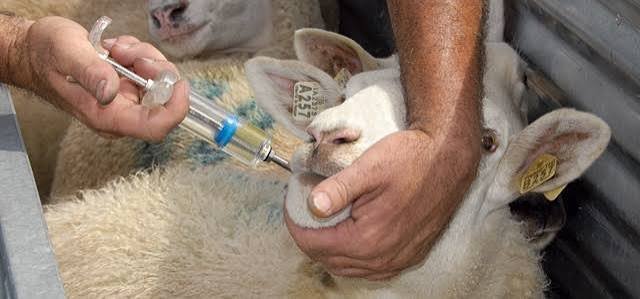
How to Control Internal Parasites in Sheep
Look for pale eyelids and gums, bottle jaw, weakness, lagging behind, weight loss, rough coat, scouring or soiled hindquarters, poor growth in lambs, reduced milk in ewes, and sudden deaths in otherwise fat animals during warm, wet weather. Tapeworm segments in droppings on their own are rarely an emergency, but heavy infection in lambs with poor growth deserves attention. If you see these signs, check the flock quickly, collect dung samples and talk to your veterinarian.
What I would do differently if I were starting again today
I would test before I drenched. The first thing I would do on any new flock is pay for a fecal egg count and a resistance test, so that every later decision rested on facts. I would learn to read eyelid color and body condition so I could pick out the animals that needed help. I would build my grazing around clean paddocks for lambs, and rest the rest of the land for long periods. I would never turn new animals straight onto my farm. And I would keep a simple book of every treatment and result, because a few years of notes would teach me more than any advertisement.
The farmers who still have working drenches years from now are the ones who use them sparingly and wisely, and let good grazing and good breeding do the rest.
FAQ
What are the signs of worms in sheep?
Common signs include weight loss, poor growth, pale eyelids and gums, bottle jaw, scouring, a rough coat, weakness and sometimes sudden death, especially with barber’s pole worm in warm, wet weather.
How often should I deworm my sheep?
It is better to treat based on checks, fecal egg counts and veterinary advice than on a fixed schedule. Routine treatment of all animals speeds up drug resistance. Treat the animals that need it, using a drench that is known to work on your farm.
What is FAMACHA scoring?
It is a method of checking the color of the lower eyelid to estimate anemia caused by barber’s pole worm, so that farmers can treat only the animals that need it. Ask your veterinarian or extension service about training.
Why have my worm drenches stopped working?
Worms can become resistant when drenches are used too often, at too low a dose, or without testing. A fecal egg count reduction test can show whether a product still works on your farm.
Does rotating pastures help control worms in sheep?
Yes. Resting paddocks, avoiding close grazing and using clean pastures for lambs all reduce the number of infective larvae. Rotation works best combined with monitoring and selective treatment.
Bookmark this
Drenching is a tool you can wear out, so check first, treat only what needs it, and let clean grazing do the heavy lifting.