How to Increase Lambing Rate in Sheep
How to Increase Lambing Rate in Sheep
For a few seasons I measured my flock by how many ewes I owned. Fifty ewes sounded like a respectable number, and I told people so. Then a visiting livestock officer asked me a simple question: how many lambs did those fifty ewes actually raise last year? I had to sit down and count. It came to fewer lambs than ewes. I had been feeding, watering, dosing and housing fifty breeding animals, and getting less than one lamb each to show for it. That conversation changed the way I think. A flock is not a collection of ewes. It is a lamb-producing business, and the lambing rate is the number that tells you whether it works.
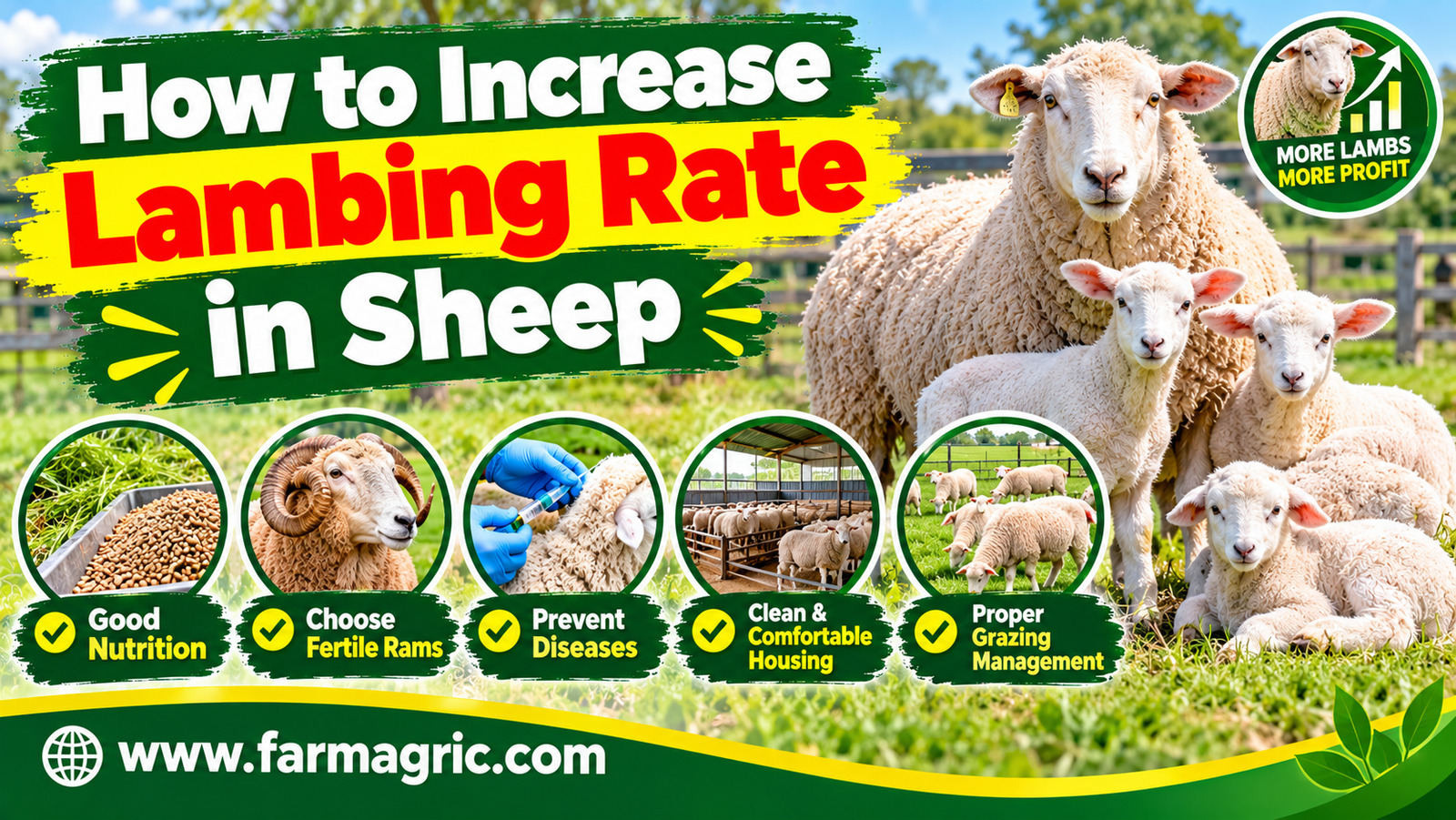
Here is the direct answer. You increase lambing rate in sheep by improving every step between mating and weaning. That means selecting fertile, healthy ewes and good rams, getting ewes into proper body condition before mating, feeding well around mating so more eggs are shed, managing rams carefully, feeding properly through pregnancy, preventing abortions and disease, managing lambing so newborns survive, and keeping records so you can cull poor performers and keep good ones. Breed matters too, because some breeds naturally produce twins more often. Lambing rate is not decided at birth. It is built across the whole year.
The rest of this article explains how, step by step, and where most farmers lose lambs.
What lambing rate means
Lambing rate, sometimes called lambing percentage, tells you how many lambs a flock produces compared with the number of ewes. Farmers use several versions, so be clear about which one you mean. One version counts lambs born per hundred ewes that were put to the ram. Another counts lambs born per hundred ewes that actually lambed. A third, the most honest for profit, counts lambs weaned or sold per hundred ewes mated. For example, if 100 ewes are mated and they wean 120 lambs, your weaning rate is 120 percent.
What is a good rate? It varies a lot with breed, climate, feeding and management. In many extensive systems, rates around 100 to 130 percent weaned are common, while well-managed flocks and prolific breeds can reach 150 percent or more. Use your own past figures and local benchmarks to set a realistic target, and aim to improve a little each season.
What most farmers get wrong
They think breeding season starts when the ram goes in. The real work starts weeks before, with the ewe’s body condition and nutrition. Ewes that are thin at mating shed fewer eggs, conceive less often and carry fewer lambs.
They keep poor performers. Ewes that repeatedly fail to conceive, abort, lose lambs or reject them stay in the flock because they are tame, familiar or cheap to keep. Every barren or poor-mothering ewe is eating feed and producing nothing.
They ignore the ram. Many farmers pay attention to ewes and treat the ram as an afterthought. But one ram may serve dozens of ewes, so a ram that is lame, thin, infertile or overworked can quietly wreck a whole season’s lambing.
They overfeed or underfeed at the wrong times. Fat ewes can have trouble conceiving and lambing, while thin ewes conceive poorly and lose lambs. Feeding should match the stage of the cycle, not stay constant all year.
They do not scan or check for pregnancy. Without pregnancy diagnosis, you cannot tell empty ewes from pregnant ones, or singles from twins, so you cannot feed them correctly or plan lambing.
They let parasites and disease run unchecked. Worms, especially blood-sucking worms in warm regions, anemia, foot problems and infectious causes of abortion silently eat into lambing rates.
They are absent at lambing. Many lambs die in the first hours or days from cold, hunger, mismothering or a hard birth. Farmers who are not there, or who have not prepared shelter and supplies, lose lambs that could have lived.
They keep no records. Without records of which ewe had which lamb, which lambs survived and which ewes failed, you cannot choose better breeding stock or identify the real problems.
How lambing rate is built
It helps to think of lambing rate as a chain with links. First, how many ewes come on heat and get mated. Second, how many of those conceive. Third, how many eggs each ewe sheds, which influences twins and triplets. Fourth, how many embryos survive the pregnancy. Fifth, how many lambs are born alive. Sixth, how many survive to weaning. A weak link anywhere reduces the whole result. The good news is that most links can be strengthened with management.
Step-by-step: how to raise your lambing rate
Step 1: Choose the right breed and genetics. Breed has a major effect on how many lambs a ewe tends to have. Some breeds and types are more prolific, producing twins and triplets more often, while others typically have singles. In many tropical regions, local hardy breeds like the West African Dwarf are known for good fertility and frequent multiple births, while larger breeds tend to produce fewer lambs but heavier ones. Choose breeds that suit your climate, feed supply and market. If you cross breeds, do it with a clear purpose and expert advice. Within any flock, keep replacement ewes from ewes that twin, rear their lambs well and lamb regularly, since fertility is partly inherited.
Step 2: Select healthy, fertile ewes and use the right age. Breed ewes that are healthy, sound on their feet, with good udders and teeth and good body condition. Ewes usually reach their best reproductive performance in their middle years, commonly from about three to six years old, then decline. Ewe lambs can be bred, but only when they have reached about 60 to 70 percent of their mature body weight, otherwise pregnancy stunts their growth and increases lambing problems. Cull barren ewes, ewes that regularly abort, have bad udders or mothering, or have repeated health problems.
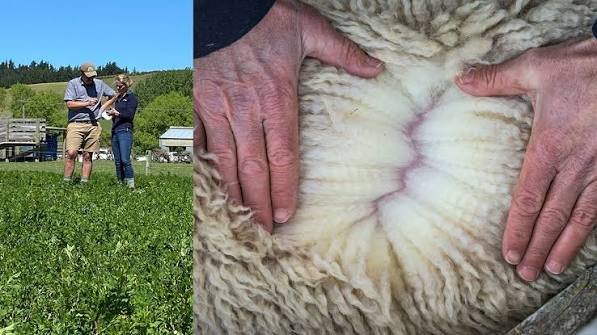
Step 3: Get body condition right before mating. Body condition is one of the strongest influences on fertility. Learn to body condition score by feeling the muscle and fat over the backbone and loin. On a common five-point scale, ewes should be in around condition score 3 to 3.5 at mating, meaning neither thin nor fat. Thin ewes should be separated and fed up in the weeks before mating. Fat ewes should be managed to avoid further gain. Aim to give ewes time, a couple of months if needed, to reach the target condition before the ram goes in, because it takes time to change body condition.
Step 4: Use flushing before and during mating. Flushing means giving ewes improved nutrition, usually extra energy, for about two to three weeks before the ram goes in and continuing through the first weeks of mating. This has been shown to increase ovulation rate and the number of ewes that conceive, particularly in ewes that are in moderate to lean condition. Use good pasture, quality forage, and a small amount of energy-rich supplement such as grain or a balanced concentrate as advised locally. Ewes already in good condition respond less, and over-fat ewes should not be flushed. Provide plenty of clean water, and make changes in feed gradually.
Step 5: Prepare and manage the rams. The ram contributes half the genetics and has a huge influence on the flock. Check rams several weeks before mating. Choose rams that are healthy, structurally sound, with good feet and legs, good body condition and a good reputation for fertility. Have a breeding soundness examination done by a veterinarian if possible, which checks the testicles, semen quality and general condition. Keep rams in good condition but not overly fat, and protect them from heat, because high temperatures can temporarily reduce sperm production for weeks. Use one mature ram for roughly 25 to 40 ewes in paddock mating, fewer for young rams, adjusting for terrain and breed. Mark the rams with a harness and crayon if you want to record which ewes were served and when.
Step 6: Use the ram effect and plan the mating season. Introducing rams to ewes after a period of separation can stimulate ewes to come on heat in a more concentrated period, which can tighten the lambing season. Keep rams out of sight, sound and smell of ewes before mating if you want the effect. Mating periods commonly last around five to six weeks, long enough for ewes to go through two heat cycles of roughly 17 days each. Plan the lambing season so that lambing falls when feed is plentiful and weather is mild. Lambing too early or too late in the season, when feed is poor or conditions are harsh, costs lambs.
Step 7: Control heat stress and parasites at mating. Hot weather reduces conception and embryo survival. Provide shade, cool water, and mate at the cooler time of year where you can. Deworm and manage parasites with a plan based on testing and veterinary advice, rather than blanket treatment. In warm regions, check for anemia, which shows as pale eyelids and gums, and use targeted treatment of the sheep that need it. Keep feet in good condition so ewes and rams can move and mate comfortably.
Step 8: Provide minerals and vitamins. Fertility and healthy lambs depend on minerals and vitamins such as selenium, vitamin E, copper, zinc, iodine and others, and the needs depend on your soil and region. Deficiencies can cause infertility, abortion, weak lambs and poor milk. Provide a good-quality mineral supplement designed for sheep, and check with a veterinarian or extension officer about local deficiencies and toxicities. Be careful with copper, as sheep are sensitive to copper poisoning, so use only products intended for sheep.
Step 9: Diagnose pregnancy and separate ewes by need. If possible, have ewes scanned by ultrasound at around 45 to 90 days after the ram goes in, which can show which ewes are pregnant, which are empty, and whether they carry singles or twins or more. Scanning lets you feed ewes according to their needs, put twin-bearing ewes on better feed, and cull or re-mate empty ones. Where scanning is not available, watch for signs of pregnancy and keep records of mating dates.
Step 10: Feed correctly through pregnancy. Pregnancy lasts about 145 to 150 days. For the first part, ewes need maintenance feeding and should hold condition. The critical period is the last six weeks, when the lambs grow fastest and the ewe’s feed needs rise sharply. Underfeeding at this stage leads to small, weak lambs, poor colostrum and milk, and pregnancy toxemia, a serious metabolic disease especially in ewes carrying twins. Increase energy and protein gradually in late pregnancy, particularly for ewes with multiple lambs. Provide good forage, appropriate supplements, clean water and minerals. Avoid sudden diet changes, and do not let ewes become too fat.
Step 11: Prevent abortion and disease. Abortions can be caused by several infections and by nutrition problems. Follow a vaccination and health program advised by your veterinarian for your region. Keep a closed flock or quarantine new animals, keep animals from contaminated water and feed, and investigate every abortion. If more than a few ewes abort, call a veterinarian immediately and send samples to a laboratory, because some causes spread quickly and can affect people. Handle aborted material with care, wear gloves and wash well.
Step 12: Prepare for lambing. Prepare a clean, dry, sheltered lambing area, with fresh bedding, protection from wind, rain and predators, and enough space so ewes are not crowded. Gather supplies such as clean towels, iodine for navels, a stomach tube and colostrum or milk replacer, ear tags or markers, and a veterinarian’s contact number. Move ewes to the lambing area a few days before the expected date, and keep them quiet.
Step 13: Be present at lambing and help newborns survive. Check ewes often, especially at the start of the season. Most ewes lamb unaided, but be ready to help with difficult births, following veterinary guidance. Make sure each newborn is breathing, dry and warm, and gets colostrum, the first milk, within the first hours of life, since it provides vital energy and immunity. Disinfect the navel with iodine. Watch that each ewe accepts her lambs, and that all lambs, especially twins, are suckling. Pair ewes and lambs in small pens for the first day or two to strengthen bonding, then move them to a clean paddock. Orphans and surplus lambs may need fostering or bottle feeding. Keep young lambs out of the wet and cold, and protect them from predators.
Step 14: Care for ewes and lambs until weaning. Give lactating ewes good feed, since milk production is demanding, particularly for twin-rearing ewes. Provide creep feed or good pasture for growing lambs, clean water and a worm control plan. Vaccinate and treat according to your health program. Wean lambs at a suitable age and weight based on your system, commonly around three to four months, though this varies, so that ewes can recover condition before the next mating.
Step 15: Keep records and use them to cull and select. Record ewe identification, mating dates, lambing dates, number born, number weaned, birth and weaning weights, health events and any problems. At the end of each season, calculate your lambing and weaning rates, and look at each ewe’s record. Cull ewes that fail to conceive, abort, lose lambs, have poor mothering or poor health. Keep and breed from ewes and rams that consistently produce and rear good lambs. Over several seasons this alone can lift your lambing rate noticeably.
Warning signs that your lambing rate is suffering
Watch for many ewes returning to heat after mating, which may suggest fertility problems in the ram or ewes. A large number of empty ewes at scanning or lambing points to conception problems. Abortions, stillbirths and weak lambs suggest nutrition, disease or mineral problems. Many lamb deaths within the first days point to cold, hunger, mismothering or difficult births. Thin ewes, poor milk and slow-growing lambs signal underfeeding. If you see these signs, investigate early, and get veterinary help when a pattern emerges.
What I would do differently if I were starting again today
I would start counting lambs, not ewes, from the first season. I would write down every mating and every birth, and body condition score the flock a couple of months before the ram went in, so that I had time to fix thin ewes. I would invest in a good ram and have him checked before every season, and I would plan flushing and late-pregnancy feeding as carefully as I planned my sales. I would scan ewes if I could, and I would be present, or have a trusted person present, during the first days of lambing. And I would cull faster, because every unproductive ewe I kept took feed from a ewe that could have raised twins.
The farmers with the best lambing rates do not have secret formulas. They have flocks in the right condition at the right time, and they pay attention to the newborns in those first few hours.
FAQ
What is a good lambing rate for sheep?
It depends on breed, feed and management. Many flocks wean around 100 to 130 lambs per 100 ewes mated, while well-managed and prolific flocks may reach 150 percent or more. Track your own numbers and aim to improve each season.
What is flushing in sheep?
Flushing is giving ewes extra nutrition, mainly energy, for two to three weeks before and during early mating to improve ovulation and conception, especially in ewes that are lean to moderate in condition.
How many ewes can one ram serve?
A healthy mature ram can usually serve roughly 25 to 40 ewes in a mating season, depending on breed, age, terrain and management. Young rams serve fewer. Check rams for fertility before mating.
What causes ewes to fail to conceive?
Common causes include poor body condition, heat stress, infertile or overworked rams, disease, parasites, mineral deficiencies and age. A veterinarian can help find the cause in your flock.
How can I reduce lamb deaths at birth?
Provide a clean, dry, sheltered lambing area, feed ewes properly in late pregnancy, be present at lambing, make sure every lamb gets colostrum within the first hours, treat navels, and watch for mismothering and cold stress.
Bookmark this
A ewe is only as good as the lambs she raises, so feed her for the egg, protect her through the pregnancy, and stand beside her at the birth.