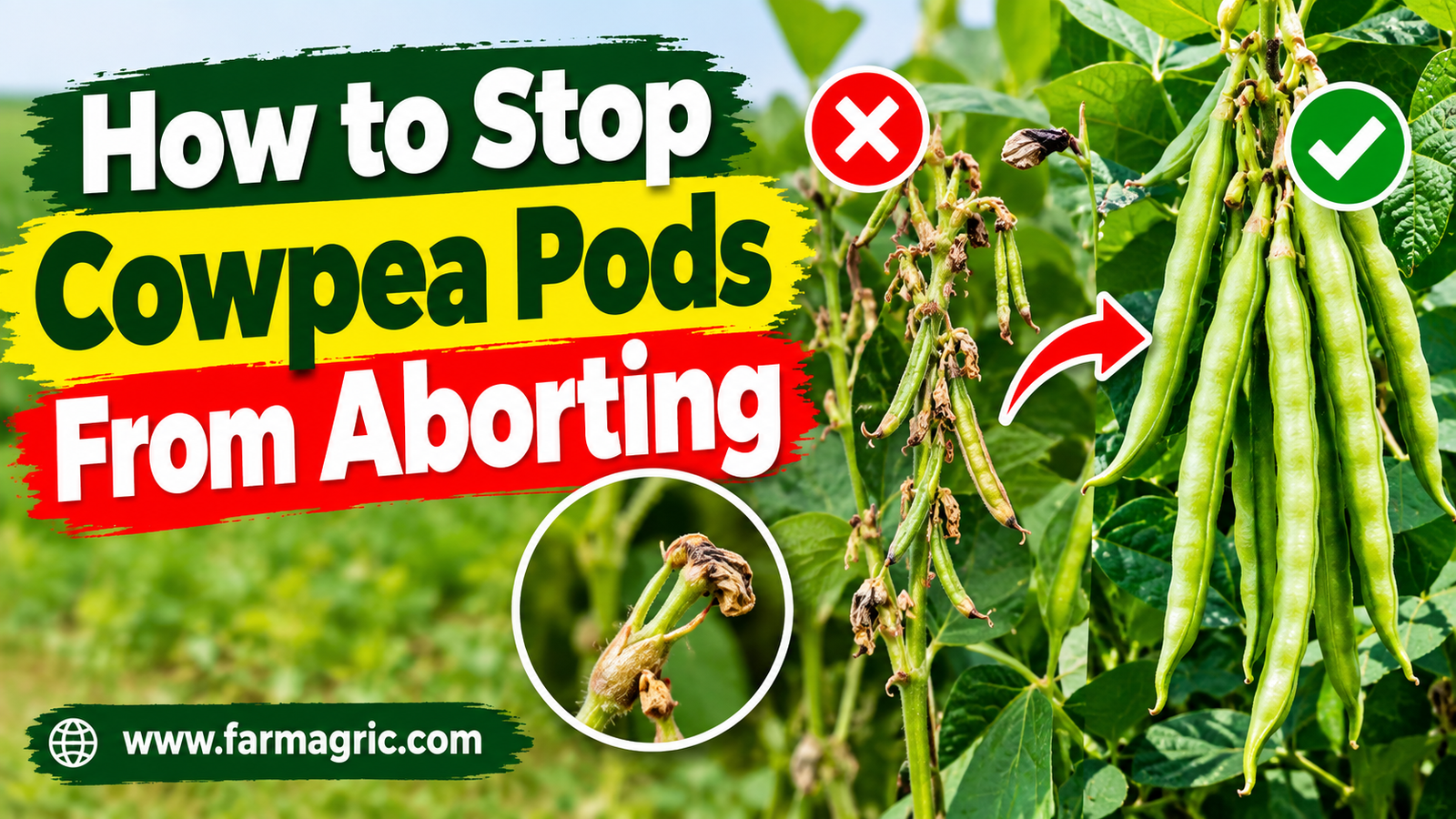
How to Stop Cowpea Pods From Aborting
How to Stop Cowpea Pods From Aborting
Some years ago I walked into my cowpea field one morning and my heart sank. The plants were green, thick and beautiful. The flowers had been opening for two weeks. I had already done the sums in my head, how many bags I would harvest and how much I would sell. Then I knelt down and looked properly. Under all that lush leaf there was almost nothing. A few thin pods, and a ground littered with dried, yellow flower stalks.
That was the season I stopped blaming “bad luck” and started finding out what actually makes a cowpea plant drop its pods. I have been growing beans for over thirty years now, and I can tell you the plant is rarely the problem. The plant is doing exactly what it was built to do. It is telling you something is wrong, and it is cutting its losses.
The short answer
Cowpea pods abort for four main reasons: stress at flowering (heat, drought or waterlogging), pests that attack the flowers and young pods, too much nitrogen and too little phosphorus, and poor timing or crowding. To stop it, plant at the right time, keep the soil moisture steady from budding to pod fill, feed with phosphorus instead of nitrogen, and scout and spray for flower pests before the flowers open, not after you see the damage.
If you remember nothing else, remember this: by the time you see pods dropping, the cause happened one to two weeks earlier. You are looking at the result, not the problem. That is why most farmers keep fixing the wrong thing.
What most farmers get wrong
I made every one of these mistakes myself, so I say this with no judgment.
They treat a green, leafy field as a healthy field. A cowpea plant that is dark green and climbing everywhere is often a plant with too much nitrogen. It puts its energy into leaves and vines and gives up on pods. I once top dressed a bean field with urea because the leaves looked a little pale after heavy rain. I got the biggest, greenest vines on the whole farm and one of my worst yields. Cowpea makes its own nitrogen with the help of the bacteria in its roots. Pushing more nitrogen onto it is like feeding a runner a heavy meal before a race.
They spray too late. Most farmers wait until they see holes in the pods or flowers falling, then they spray. By then the thrips have been inside the flower buds for days and the pod borer caterpillars have already entered the pods. Spraying after the damage is like locking the gate after the goat has eaten the garden.
They ignore the weather around flowering. Flowering is the most delicate week or two in the life of a cowpea. A few days of heavy rain, a hot dry spell, or very warm nights during that window can cost you more than a month of good management can make up.
They plant too thick. Many farmers think more plants means more beans. In my experience, crowded cowpea shades its own lower flowers, holds humidity in the canopy, and invites pests and fungus. Fewer plants with room to breathe usually give you more pods.
Why the pods drop: the real causes
Heat and moisture stress at flowering
Cowpea likes warmth, but it does not like extremes at flowering. When it gets very hot, especially when the nights stay warm, the flowers often open but fail to set. The pollen becomes weak, the flower stays unfertilised, and the plant drops it within a few days.
Drought does the same thing. A cowpea plant that has handled a dry spell calmly during its vegetative stage will still panic if water runs out when it is flowering and filling pods. It abandons the youngest pods first to save the older ones.
Waterlogging is the opposite problem, and just as damaging. Roots sitting in standing water cannot take up nutrients properly. Yellowing leaves and flower drop follow within days. I have lost a whole low corner of a field to this more than once.
Flower thrips and other flower pests
This is the big one, and the one many farmers never see. Flower thrips are tiny, almost too small to notice. They hide inside the flower buds and feed there, which makes the flowers twist, turn brown and drop before they ever become pods. If you pull open a few buds in the early morning and see tiny slender insects moving inside, you have your answer.
Then there is the legume pod borer, the Maruca caterpillar. It webs flowers and buds together and bores into young pods. Add to that the pod sucking bugs, which pierce developing pods and leave them shrivelled with shrunken seeds, and aphids that weaken the tender growing tips.
I learned that pests were behind my worst years the day I started going out at dawn with a flashlight and a notebook. What I found at that hour was far more than I ever saw at midday.
Nutrient imbalance, mainly too much nitrogen and too little phosphorus
Phosphorus drives flowering, root growth and pod set. Soils in many farming areas are low in available phosphorus, and cowpea will show it by flowering poorly and holding fewer pods. Nitrogen does the reverse. Too much pushes leaf growth and weakens pod set.
Potassium matters too, especially for filling the pods. And a poor nodulation situation, where the roots have few of the little pink nodules that fix nitrogen, leaves the plant weak at exactly the moment it needs strength.
Variety, timing and spacing
Some varieties are photoperiod sensitive and flower only when the days shorten. If you plant them at the wrong time they either flower late into the dry spell or flower under the wrong conditions. Other varieties are early and short, and they escape many problems that trouble the late ones.
Timing against the rains is the whole game. If your flowering week falls right into a heavy rainy stretch, the pollen gets washed off and the flowers rot. If it falls into a hot dry stretch, they fail for lack of moisture.
Step by step: how I fix it
This is the routine I follow now, season after season.
Step 1: Choose the right variety and plant at the right time. Pick an improved, early maturing variety suited to your area, and ask the nearest agricultural extension office or a trusted seed seller what has worked locally. Then count backwards. Your plants will begin flowering about five to seven weeks after planting for most early varieties, so plant so that this window lands in your steadiest weather, not in the heaviest rain or the hottest week.
Step 2: Prepare the soil and feed for flowers, not leaves. Cowpea does best in well drained soil. Before planting, I work in a source of phosphorus, and I add some well rotted compost where I have it. I do not apply nitrogen heavy fertiliser to cowpea. If the soil is very poor, a small starter dose at planting is all I would consider. If you have never grown beans in a field before, an inoculant can help the nodules form, and a field that grew legumes in a previous season usually has the bacteria already.
Step 3: Space the plants properly. Give each plant room. Good airflow dries the dew off the leaves faster, lets the sun reach lower flowers, and makes pests easier to spot. Follow the spacing recommended for your variety instead of sowing thickly out of fear of a poor stand.
Step 4: Keep the soil moisture steady from budding to pod fill. You do not need to flood the field. You need to avoid long dry stretches once the first flower buds show. Where I can irrigate, I water lightly and regularly through flowering. Where I cannot, I mulch between rows with dry grass or crop residue to hold moisture and cool the soil. Make sure water drains away. Raised rows or beds save fields that sit low.
Step 5: Scout for pests early, before flowers open. Start checking when the first flower buds show. Walk the field early in the morning when pests are active and the plants are cool. Open a handful of buds from different spots. Look for thrips inside, webbed buds, and small caterpillars. Check the stems and undersides of leaves for aphids and the pods for bugs.
Step 6: Spray at the right moment, in the right way. Timing matters more than the product. Treat at the flower bud stage and again when flowering is at its peak, and repeat if the pests are still there, following the interval on the label. I spray in the evening or very early morning, when it is cooler and the pests are inside the flowers. Never spray open flowers at midday, because it harms pollinators and burns the blooms. Use a product registered for beans in your country, follow the label strictly, and respect the waiting period before you harvest. Where you prefer a gentler route, neem based sprays can help against light infestations if you use them early and often.
Step 7: Keep weeds and old residue under control. Weeds hide pests and compete for water just when your cowpea needs it. Clean the field at the first and second weeding, and clear old bean residue away after harvest so pests do not carry over.
Warning signs to watch for
Most farmers learn to spot trouble only after the pods fall. Learn to spot it earlier.
Flower buds that look twisted, brown or papery before they open usually point to thrips. Buds and flowers stuck together with fine webbing mean you should look for Maruca caterpillars inside. If you see lots of flowers but no tiny pods forming behind them after about a week, the cause is likely weather stress, poor pollination or nutrient imbalance.
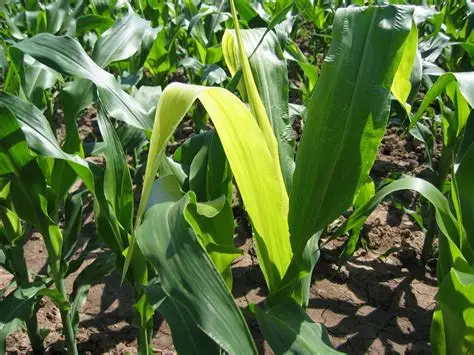
Very dark green, rank, vining growth with few flowers is usually too much nitrogen. Yellowing leaves with flower drop after heavy rain mean you should check drainage and root health. Wilting at midday that does not recover by evening tells you water is running short at a critical moment. And shrivelled, misshapen pods with small seeds usually mean pod sucking bugs.
What I would do differently if I started again today
If I were beginning my first cowpea field this season, I would do five things.
First, I would spend my money on a good variety and good timing before I spent it on any fertiliser or spray. A well chosen variety planted into the right weather window prevents half the problems on this page.
Second, I would never touch nitrogen on a cowpea field. I would put phosphorus where it matters and let the plant make its own nitrogen.
Third, I would buy a cheap hand lens and a notebook. Scouting every few days from the first flower bud has saved me more money than any product I have ever bought.
Fourth, I would plant a little thinner than my instincts told me to. I have never once regretted spacing. I have often regretted crowding.
Fifth, I would keep a simple record of planting date, flowering date, weather and spray dates. After two seasons, the record tells you exactly what happened and why. Memory lies. Notes do not.
Frequently asked questions
Why are my cowpea flowers falling off without forming pods?
The most common reasons are flower thrips attacking the buds, heat or drought during flowering, or too much nitrogen pushing leaf growth. Open a few buds early in the morning and check for tiny insects. Check your soil moisture and your fertiliser history at the same time.
Does too much rain cause cowpea flower drop?
Yes. Heavy rain during flowering can wash off pollen and rot flowers, and waterlogged roots weaken the whole plant. Plant on raised rows, keep drainage open, and try to time planting so flowering does not fall in the wettest stretch.
Should I apply fertiliser to cowpea to get more pods?
Use phosphorus, and potassium if your soil is low in it, but avoid nitrogen heavy fertiliser. Cowpea fixes its own nitrogen. Too much nitrogen gives you a lush plant with few pods.
When is the best time to spray cowpea for flower pests?
Start at the flower bud stage, before the flowers open, and repeat at peak flowering if pests are still present. Spray in the evening or very early morning, and follow the label for the product you use, including the waiting period before harvest.
How long after flowering do cowpea pods form?
You should see small pods forming within a few days of a flower being pollinated. If flowers drop within a few days and nothing forms behind them, the cause is usually stress, pests or poor pollination at that time.
The one thing to bookmark
A cowpea plant does not drop its pods because it is weak. It drops them because something told it the season could not be trusted, so protect the two weeks around flowering like it is your whole harvest, because it is.