
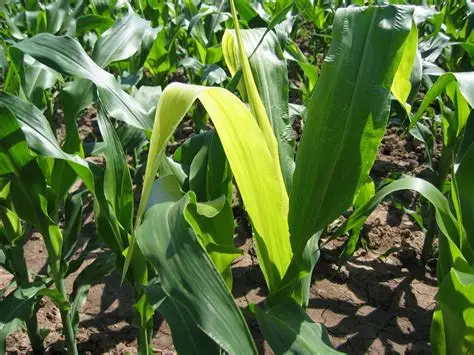
Why Maize Leaves Turn Yellow: A Farmer’s Fix
Why Maize Leaves Turn Yellow: A Farmer’s Fix
I remember standing in my four-acre plot back in the early nineties, staring at a stretch of maize that had gone from deep green to a sickly pale yellow in less than two weeks, and thinking I’d lost the whole season. My father had farmed that same land before me, and even he walked the rows shaking his head, muttering that something in the soil had “turned against us.” It hadn’t. It was nitrogen, plain and simple, and a drainage problem we’d ignored since planting. That season taught me more than any agricultural pamphlet ever did, and thirty years later I still walk my fields the same way, looking at the bottom leaves first, because that’s where the story always starts.
So let me answer you straight, because I know you’re standing in your field right now, worried, maybe with a hoe still in your hand. Yellow maize leaves are almost always your plant telling you it’s hungry, thirsty in the wrong direction, or sick. Nine times out of ten, it’s a nitrogen shortage. The plant pulls nitrogen from its older, lower leaves to feed new growth, so those bottom leaves yellow first, starting from the tip and running down the midrib in a V shape. If that’s what you’re seeing, you have your answer already. The fix is getting nitrogen to the roots fast, either through urea, ammonium sulfate, or well-rotted manure, applied at the base of the plant and watered in, not scattered and forgotten.
But nitrogen isn’t the only cause, and I’ve chased every one of them across three decades of farming maize on clay soil, sandy loam, and everything in between. Waterlogging suffocates roots and turns whole plants pale, not just the old leaves. Poor drainage after heavy rain does the same thing by drowning the roots so they can’t take up nutrients even if the soil is rich. Compacted soil from tilling when it’s too wet chokes root growth. Nutrient lockout from wrong soil pH, especially in soils that have never been limed, stops the plant absorbing nitrogen even when it’s sitting right there in the ground. And then there’s disease, maize streak virus, and a handful of nutrient deficiencies in sulfur, magnesium, and potassium that all mimic each other if you don’t know what you’re looking at.
What Most Farmers Get Wrong
The single biggest mistake I see, and I made it myself more than once in my younger years, is throwing more fertilizer at yellow maize without figuring out why it’s yellow first. If your yellowing is from waterlogging, dumping urea on it does nothing, sometimes it even burns the roots further and makes things worse. I’ve watched neighbors spend money they didn’t have on bags of NPK when their real problem was a blocked drainage furrow that needed a machete and an hour of digging, not a trip to the agro-dealer.
The second mistake is timing. Farmers wait too long. They see a little yellowing on the lower leaves in week three and think “it’ll sort itself out.” Maize doesn’t sort itself out. Every week you wait to correct a nitrogen deficiency during the vegetative stage costs you yield at harvest, because the plant is already deciding how many kernel rows it can support based on how it’s feeling right now, not how it feels later when you finally top-dress.
The third mistake, and this one’s sneaky, is misreading the pattern. Yellowing that starts at the leaf edges and works inward instead of following the midrib usually points to potassium deficiency, not nitrogen. Yellowing between the veins while the veins themselves stay green often means magnesium or sulfur is missing. If you treat every yellow leaf as a nitrogen problem, you’ll waste fertilizer and time while the actual deficiency goes untreated.
The fourth mistake is ignoring the soil test. I know soil testing isn’t always easy to access depending on where you farm, but if you’ve farmed the same plot for years without ever testing pH, you’re guessing. Maize wants a pH between 5.8 and 7.0. Below that, your nitrogen and phosphorus become locked up in the soil no matter how much you apply, and the plant starves in a field full of food.
What Causes Yellow Leaves in Maize Plants
Nitrogen isn’t the only cause of yellowing maize leaves, and I’ve chased every one of them across three decades of farming maize on clay soil, sandy loam, and everything in between.
Waterlogged soil in maize fields : suffocates roots and turns whole plants pale, not just the old leaves.
Poor field drainage : after heavy rain drowns the roots so they can’t take up nutrients even when the soil is rich.
Soil compaction : from tilling when it’s too wet chokes root growth and starves the plant of oxygen.
Wrong soil pH : locks out nitrogen and phosphorus even when they’re already in the ground.
Maize streak virus and other maize diseases,: spread mostly by leafhoppers, mimic nutrient deficiency but need a different response entirely.
Secondary nutrient deficiencies : in sulfur, magnesium, potassium, and zinc all produce their own yellowing patterns that get confused with nitrogen loss.
What Most Farmers Get Wrong About Yellowing Maize
The single biggest mistake I see, and I made it myself more than once in my younger years, is throwing more fertilizer at yellow maize without figuring out why it’s yellow first. If your yellowing is from waterlogging, dumping urea on it does nothing, sometimes it even burns the roots further and makes things worse. I’ve watched neighbors spend money they didn’t have on bags of NPK when their real problem was a blocked drainage furrow that needed a machete and an hour of digging, not a trip to the agro-dealer.
The second mistake is timing. Farmers wait too long. They see a little yellowing on the lower leaves in week three and think “it’ll sort itself out.” Maize doesn’t sort itself out. Every week you wait to correct a nitrogen deficiency during the vegetative stage costs you yield at harvest, because the plant is already deciding how many kernel rows it can support based on how it’s feeling right now, not how it feels later when you finally top-dress.
The third mistake, and this one’s sneaky, is misreading the yellowing pattern. Yellowing that starts at the leaf edges and works inward instead of following the midrib usually points to potassium deficiency, not nitrogen. Yellowing between the veins while the veins themselves stay green often means magnesium or sulfur is missing. Treat every yellow leaf as a nitrogen problem and you’ll waste fertilizer while the actual deficiency goes untreated.
The fourth mistake is skipping the soil test. If you’ve farmed the same plot for years without ever testing pH, you’re guessing. Maize wants a soil pH between 5.8 and 7.0. Below that, nitrogen and phosphorus become locked up no matter how much you apply, and the plant starves in a field full of food.
How to Fix Yellow Maize Leaves: Step-by-Step
Here’s exactly what I do, in order, the moment I spot yellowing maize, and what I’d tell my own son to do if he called me from his field right now.
1. Diagnose the pattern before treating anything. Walk the rows and check whether the whole plant is pale or just the lower leaves. Check whether it’s the leaf tips, edges, or the space between veins that’s yellow. Pull one or two plants gently and look at the roots. Healthy maize roots are white or cream colored and branching well. Brown, mushy, or stunted roots mean the problem is below the ground, not above it.
2. Check field drainage. Stand in the field after rain and see if water is pooling near the base of the plants for more than a day. If it is, dig a shallow channel to move that water off the plot. I’ve saved entire sections of maize just by cutting one trench with a hoe on a Saturday afternoon.
3. Apply nitrogen if the pattern fits. If drainage is fine and the yellowing follows that classic V shape from the tip down the lower leaves, apply nitrogen. I use about one level bottle cap of urea per plant for young maize, worked into the soil about ten centimeters from the stem, then watered in. For a full field, that’s roughly 50 to 100 kilograms of urea per hectare, split into two applications, one at or shortly after emergence, and a second top-dress at knee height, usually around five to six weeks in.
4. Correct for secondary nutrients. If the pattern looks different, edges yellowing while veins stay green, or an all-over pale color with no clear pattern, get a soil test if you can, or apply a balanced fertilizer with magnesium and sulfur rather than straight nitrogen. Dolomitic lime, if pH is low, is one of the best long-term investments you can make, though it takes a season or two to fully correct the soil.
5. Rule out pests and disease. Maize streak virus causes a streaky yellow and green pattern along the leaves rather than a solid color change, usually showing up early in plants from infected areas or weak seed. There’s no cure once a plant has it, so the fix is prevention next season through resistant varieties and early control of leafhoppers.
6. Don’t overcorrect. I’ve seen farmers panic and pile on three times the recommended fertilizer, which burns the roots and makes yellowing worse within days. Follow the rates, split your applications, and give the plant a week to respond before deciding it hasn’t worked.
Warning Signs of Serious Yellowing in Maize
There’s a difference between yellowing that’s a normal part of the plant’s life and yellowing that means trouble. The very lowest leaves on healthy maize will naturally go yellow and die off as the plant matures and shifts energy upward, that’s normal, especially near tasseling.
What worries me is yellowing that appears early, before knee height, especially if it’s spreading upward through the plant quickly. Watch the whorl, the tightly rolled young leaves at the center of the plant. If those are yellowing or showing white streaks, that’s often zinc deficiency, common in soils cropped heavily for years without replenishment. Yellowing with a purplish tinge, especially in cold weather, usually points to phosphorus deficiency, not nitrogen. And wilting combined with yellowing in patches, rather than across the whole field, often means root damage from pests like white grubs or stalk borers rather than a fertility issue at all.
What I’d Do Differently If Starting Again Today
If I were starting fresh, knowing what I know now, I’d test my soil before I ever planted the first season, not after three years of guessing. I’d split my nitrogen applications properly from day one instead of dumping it all at planting the way I used to, since maize takes up most of its nitrogen between knee height and tasseling. I’d plant a legume rotation, cowpea or beans, in the off season on every plot, because nothing has improved my soil’s natural nitrogen the way rotating with legumes has over the years. And I’d keep better records from season one, because once I started writing down what I applied, when, and how the maize responded, patterns jumped out at me that I’d been blind to for years.
ern looks different, edges yellowing while veins stay green, or an all-over pale color with no clear pattern, get a soil test if you can, or apply a balanced fertilizer with secondary nutrients like magnesium and sulfur rather than straight nitrogen. Dolomitic lime, if your pH is low, is one of the best long-term investments you can make, though it takes a season or two to fully correct the soil.
Fifth, check for pests and disease while you’re at it. Maize streak virus, spread by leafhoppers, causes a streaky yellow and green pattern along the leaves rather than a solid color change, and it usually shows up early in plants that came from infected areas or weak seed. There’s no cure once a plant has it, so the fix there is prevention next season through resistant varieties and controlling the leafhoppers early with the right insecticide.
Sixth, don’t overcorrect. I’ve seen farmers panic and pile on three times the recommended fertilizer, which burns the roots and makes yellowing worse within days. More is not always better. Follow the rates, split your applications, and give the plant a week to respond before deciding it hasn’t worked.
Warning Signs to Watch For
There’s a difference between yellowing that’s a normal part of the plant’s life and yellowing that means trouble. The very lowest leaves on healthy maize will naturally go yellow and die off as the plant matures and shifts energy upward, that’s normal and nothing to panic about, especially near tasseling.
What worries me is yellowing that appears early, before knee height, especially if it’s spreading upward through the plant quickly. That tells me the deficiency or root problem is severe and getting worse, not just seasonal aging. I also watch for yellowing paired with stunted growth, because healthy color with slow growth is usually just cool weather, but yellow color with slow growth together means the plant is genuinely struggling to feed itself.
Watch the whorl, the tightly rolled young leaves at the center of the plant. If those are yellowing or showing white streaks, that’s often a sign of zinc deficiency, which is common in soils that have been heavily cropped for years without replenishment. And if you see yellowing accompanied by a purplish tinge on the leaves, especially in cold weather, that’s usually phosphorus, not nitrogen, and needs a different fertilizer entirely.
Wilting combined with yellowing, especially in patches rather than across the whole field, often points to root damage from pests like white grubs or stalk borers rather than a nutrient problem at all. Dig around the base of a few affected plants before you assume it’s fertility.
What I’d Do Differently If Starting Again Today
If I were starting fresh, knowing what I know now, I’d test my soil before I ever planted the first season, not after three years of guessing. I spent years correcting problems I could have avoided entirely if I’d known my pH was sitting at 5.2 from the start.
I’d also split my nitrogen applications properly from day one instead of dumping it all at planting the way I used to. Maize takes up most of its nitrogen between knee height and tasseling, so a big dose at planting that the plant can’t use yet just gets washed away or leached before it’s needed most.
I’d plant a legume rotation, cowpea or beans, in the off season on every plot, because nothing has improved my soil’s natural nitrogen the way rotating with legumes has over the years. It’s slower than a bag of urea, but it builds soil that keeps giving instead of soil that keeps demanding.
And honestly, I’d keep better records. I didn’t start writing down what I applied, when, and how the maize responded until my tenth or eleventh season, and once I did, patterns jumped out at me that I’d been blind to for years. Yellowing after heavy rain, every single time, in the same low corner of the field. That corner needed permanent drainage work, not another bag of fertilizer, and it took me embarrassingly long to see it because I wasn’t tracking it properly.
Frequently Asked Questions
Can yellow maize leaves turn green again after treatment?
Yes, if the cause is corrected in time, especially nitrogen deficiency. You’ll usually see new growth coming in greener within seven to ten days of correcting the problem, though the already-yellow leaves themselves won’t fully reverse, the plant will just move on and grow healthy tissue above them.
Is yellowing normal in young maize right after germination?
A light, pale yellow-green in the very first week or two after emergence is often just the seedling using up its seed reserves before its roots are established, and it usually greens up on its own once the roots take hold. If it doesn’t improve within two weeks, treat it as a deficiency issue.
How much urea should I use on yellowing maize?
For most smallholder plots, around 50 to 100 kilograms per hectare split into two applications works well, roughly one bottle cap per plant for hand application. Always water it in if rain isn’t expected within a day or two, since dry urea sitting on the surface can scorch leaves and roots.
Can too much rain cause yellow maize leaves?
Absolutely, waterlogged soil starves roots of oxygen and stops nutrient uptake even in fertile ground, which is one of the most overlooked causes of yellowing during the rainy season. Improving drainage often solves the problem faster than any fertilizer.
What’s the difference between nitrogen deficiency and maize streak virus?
Nitrogen deficiency shows a solid yellow color moving in a V shape from the leaf tip down the lower leaves. Maize streak virus shows narrow, broken yellow streaks running parallel to the veins, often on younger upper leaves, and doesn’t respond to fertilizer at all.
If there’s one thing I want you to walk away from this with, it’s this: don’t feed a plant that’s drowning, and don’t drain a field that’s starving. Read the leaves before you reach for the fertilizer bag, because the soil is always talking, you just have to slow down enough to listen.