

Battery Cage System for Layers in Nigeria: Complete Cost Breakdown and Setup Guide
Starting a poultry business in Nigeria? You’re probably wondering about the battery cage system for layers and what it costs.
I’m Pius Emeka, and I’ve been raising chickens in Oyi Local Government Area, Anambra State for eight years. Let me share everything I know about battery cage costs and setup.
The battery cage system for layers has become popular among Nigerian farmers. It saves space and makes egg collection easier. But before you jump in, you need to understand the real costs involved.
Understanding Battery Cage Systems for Nigerian Farmers
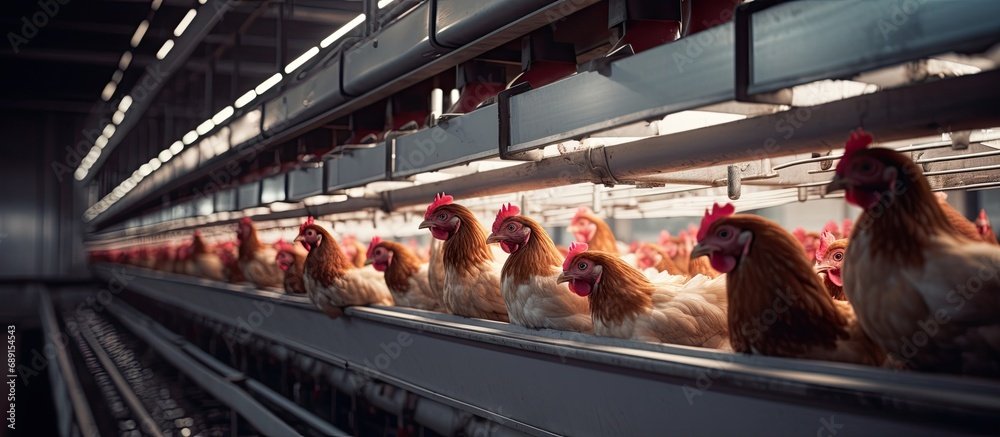
A battery cage system is a method of housing layers in small cages. Each cage holds multiple birds. The cages are arranged in rows, often stacked on top of each other.
In my early days of farming, I made the mistake of buying cheap cages. They broke after six months. Now I know better. Quality matters more than saving a few thousand naira upfront.
The system works well in Nigeria’s climate. But you must plan properly. Poor planning leads to dead birds and lost money.
Why Nigerian Farmers Choose Battery Cages
Nigerian farmers love battery cages for good reasons. Space is expensive, especially near cities like Lagos or Abuja. Battery cages let you keep more birds in less space.
I remember training a farmer in Awka last year. She had only half a plot of land. With floor management, she could keep 500 layers. With battery cages, she now keeps 1,200 birds on the same space.
Disease control becomes easier too. Sick birds don’t infect the whole flock quickly. You can isolate problems faster.
Complete Cost Breakdown: Battery Cage System for Layers

Let me break down the real costs. These prices are based on 2024 market rates across Nigeria. Prices vary by location and supplier.
Initial Cage Purchase Costs
Locally Made Cages (Per Cage Unit):
- Single tier cage (holds 20 birds): ₦25,000 – ₦35,000
- Double tier cage (holds 40 birds): ₦45,000 – ₦60,000
- Triple tier cage (holds 60 birds): ₦65,000 – ₦85,000
Imported Cages (Per Cage Unit):
- Single tier cage: ₦40,000 – ₦55,000
- Double tier cage: ₦70,000 – ₦95,000
- Triple tier cage: ₦100,000 – ₦130,000
I learned this the hard way. In 2018, I bought 20 locally made cages for ₦30,000 each. Half of them had bent wires within a year. The birds escaped constantly.
Supporting Infrastructure Costs
| Item | Cost Range (₦) | Purpose |
|---|---|---|
| Concrete Foundation | 200,000 – 400,000 | Cage support and stability |
| Roofing Materials | 150,000 – 300,000 | Weather protection |
| Water System Setup | 100,000 – 200,000 | Automatic drinking |
| Electrical Installation | 50,000 – 150,000 | Lighting and ventilation |
| Waste Management Setup | 80,000 – 120,000 | Manure collection |
The foundation is crucial. Don’t skip this step. I’ve seen farmers lose entire setups during heavy rains. Proper drainage saves your investment.
Calculating Total Investment for Your Battery Cage System
Planning for 1,000 layers using battery cage system for layers? Here’s what you’ll spend:
Option 1: Local Cages (Triple Tier)
- 17 cage units × ₦75,000 = ₦1,275,000
- Infrastructure costs = ₦680,000
- Total Initial Investment = ₦1,955,000
Option 2: Imported Cages (Triple Tier)
- 17 cage units × ₦115,000 = ₦1,955,000
- Infrastructure costs = ₦680,000
- Total Initial Investment = ₦2,635,000
These numbers shocked me when I first calculated them. But remember, good cages last 8-10 years. Cheap ones need replacement every 2-3 years.
Hidden Costs Many Farmers Forget
Transportation costs hurt your budget. Moving cages from Lagos to rural areas costs extra ₦100,000 – ₦200,000.
Installation fees range from ₦50,000 to ₦150,000. Some suppliers offer free installation. Others don’t.
Permits and approvals cost ₦20,000 – ₦50,000 depending on your state. Don’t operate without proper papers.
Factors Affecting Battery Cage Prices in Nigeria
Location Impact on Pricing
Northern states often have higher transport costs. I trained farmers in Kano last year. Their cage costs were 20% higher than Anambra prices.
Lagos has the best prices for imported cages. But local cages cost more due to high rent and labor costs.
Southern states benefit from proximity to ports. Imported materials arrive cheaper.
Quality Variations and Price Differences
Battery cage system for layers quality varies widely in Nigeria. Here’s what affects pricing:
Wire Gauge: Thicker wires cost more but last longer. 2.5mm gauge works better than 2.0mm.
Galvanization: Hot-dip galvanized cages resist rust better. They cost 30% more but last twice as long.
Welding Quality: Poor welding creates weak points. Inspect every joint before buying.
Seasonal Price Changes
Prices increase during dry season (December to March). More farmers start projects then. I always advise buying cages during rainy season for better deals.
Currency fluctuations affect imported cage prices. When dollar rates rise, imported cages become expensive.
Setting Up Your Battery Cage System: Step-by-Step Process
Site Preparation Requirements
Choose level ground with good drainage. Sloping sites need expensive grading work.
East-west orientation works best in Nigeria. Morning sun helps, but avoid afternoon heat stress.
Keep the site 100 meters from neighbors. Noise and smell complaints create problems later.
Foundation and Structure Installation
Pour concrete footings 60cm deep. Shallow foundations crack during dry season.
Use reinforcement bars in concrete. I’ve seen structures collapse without proper reinforcement.
Allow 14 days for concrete curing before installing cages. Rushing this step causes problems.
Battery Cage System for Layers Assembly
Start with bottom tier cages. Level them perfectly before adding upper tiers.
Install water lines before mounting cages. Retrofitting water systems costs double.
Check door alignment on every cage. Misaligned doors make egg collection difficult.
Operational Costs and Maintenance
Daily Running Expenses
Water bills increase with automatic systems. Budget ₦500 – ₦1,000 daily for 1,000 birds.
Electricity for lighting and fans costs ₦1,000 – ₦2,000 daily.
Waste removal needs daily attention. Some farmers earn money selling manure.
Maintenance Schedule and Costs
Monthly cage inspection prevents major repairs. Check for loose wires and bent doors.
Replace worn water nipples every six months. They cost ₦100 each but prevent water waste.
Annual cage repainting with rust-resistant paint costs ₦50,000 – ₦80,000 for 1,000-bird capacity.
I learned maintenance importance the hard way. Neglecting small repairs led to ₦300,000 emergency replacement in 2020.
Common Mistakes Nigerian Farmers Make
Choosing Wrong Cage Specifications
Many farmers buy cages without considering bird size. Point of lay birds need more space than day-old chicks.
I’ve seen farmers cram 6 birds per cage compartment. Overcrowding reduces egg production and increases mortality.
Battery cage system for layers spacing matters. Allow 450-500 square centimeters per bird minimum.
Poor Installation Planning
Rushing installation creates long-term problems. Take time to plan water line routes and electrical connections.
One farmer in my area installed cages first, then realized water couldn’t reach the top tier. Redesigning cost him extra ₦150,000.
Inadequate Ventilation Planning
Nigeria’s humidity requires good airflow. Closed structures kill birds during hot season.
Install ridge vents and side curtains. Natural ventilation costs less than electric fans.
Comparing Battery Cages with Other Housing Systems
Battery Cages vs Deep Litter System
Deep litter needs more space but costs less initially. For 1,000 birds:
- Deep litter setup: ₦800,000 – ₦1,200,000
- Battery cage setup: ₦1,955,000 – ₦2,635,000
But battery cages produce more eggs per bird. Higher production justifies extra cost.
Disease control is easier with battery cage system for layers. I’ve seen whole deep litter flocks wiped out by Newcastle disease.
Free Range vs Battery Cage Economics
Free range sounds attractive but has challenges in Nigeria. Land costs keep rising. Security issues affect rural areas.
Battery cages give better protection from predators. I’ve lost hundreds of birds to hawks and snakes in free range systems.
Egg collection is easier with cages. Workers collect eggs faster, reducing labor costs.
Financing Your Battery Cage Project
Bank Loan Options
Most Nigerian banks offer agricultural loans. Interest rates range from 9% to 15% annually.
Bank of Agriculture (BOA) has special poultry packages. They understand farming cycles better than commercial banks.
Prepare detailed business plans. Banks want to see projected income and expenses.
Government Support Programs
Nigerian Agricultural Land Development Authority (NALDA) offers equipment support. Some farmers get 50% subsidies on cage purchases.
Central Bank of Nigeria (CBN) Anchor Borrowers Program includes poultry. Check cbn.gov.ng for current programs.
State governments have various schemes. Anambra State Agricultural Development Program helped three farmers I know.
Cooperative Financing
Join or form poultry cooperatives. Group buying reduces cage costs by 10-15%.
Cooperative members share technical knowledge. Experienced farmers help newcomers avoid costly mistakes.
Some cooperatives get bulk discounts from cage manufacturers. This saved our group ₦200,000 in 2023.
Maximizing Returns from Your Battery Cage Investment

Production Optimization Strategies
Stock density affects egg production. Don’t exceed recommended bird numbers per cage.
Maintain consistent lighting schedules. 16 hours daily light increases egg laying.
Keep detailed production records. Track eggs per bird weekly to identify problems early.
Feed Efficiency in Battery Systems
Battery cage system for layers reduces feed wastage. Birds can’t scratch feed around like in floor systems.
Use proper feeders that prevent spillage. Wasted feed increases production costs.
Monitor feed consumption daily. Sudden changes indicate health or management problems.
Marketing and Revenue Streams
Direct sales to consumers pay better than wholesale. Build customer relationships for steady income.
Sell manure to crop farmers. Good quality manure fetches ₦2,000 – ₦3,000 per bag.
Consider value addition. Some farmers start egg processing or table egg retail outlets.
Frequently Asked Questions
How much does a complete battery cage system for layers cost in Nigeria?
A complete battery cage system for layers for 1,000 birds costs between ₦1,955,000 to ₦2,635,000. This includes cages, infrastructure, installation, and supporting equipment. Local cages are cheaper but imported ones last longer.
The cost varies by location and quality. Northern states pay higher transport costs. Lagos has competitive imported cage prices but higher installation costs.
What is the lifespan of battery cages in Nigeria’s climate?
Quality galvanized cages last 8-10 years in Nigeria’s humid climate. Cheap cages break down in 2-3 years. Hot-dip galvanized cages resist rust better than electro-galvanized ones.
I’ve used both types. Imported cages from reputable manufacturers survive longer. Local cages work well if properly maintained with annual painting.
How many layers can fit in one battery cage unit?
Standard triple-tier cages hold 60 layers comfortably. Each compartment houses 3-4 birds depending on breed size. Point of lay pullets need 450-500 square centimeters each.
Overcrowding reduces egg production and increases mortality. I learned this lesson when cramming 5 birds per compartment reduced my egg output by 20%.
Which locations in Nigeria offer the best battery cage prices?
Lagos offers competitive imported cage prices due to port proximity. Local manufacturers in Onitsha, Aba, and Kano provide affordable options.
Northern states face higher transport costs. I advise farmers there to buy during dry season when road access is better. Transport costs can add ₦100,000 to your total investment.
What government programs support battery cage system investments?
NALDA provides equipment subsidies up to 50% for qualified farmers. CBN Anchor Borrowers Program includes poultry projects. Bank of Agriculture offers agricultural loans at subsidized rates.
State programs vary. Check with your state agricultural development program. Some states provide grants for youth and women farmers starting poultry projects.
How do I calculate the return on investment for battery cage systems?
Calculate annual egg production, feed costs, and maintenance expenses. Good management yields 280-300 eggs per bird annually. With current egg prices, break-even occurs in 18-24 months.
I track my costs monthly. Feed represents 70% of operating expenses. Marketing directly to consumers increases profit margins by 20-30% compared to wholesale.
What are the main maintenance requirements for battery cage systems?
Daily cleaning prevents disease buildup. Weekly cage inspection identifies repair needs early. Monthly water system cleaning ensures proper flow.
Annual painting with rust-resistant paint extends cage life. Replace worn water nipples every six months. Budget ₦100,000 annually for maintenance on 1,000-bird capacity systems.
Can battery cage systems work with solar power in Nigeria?
Yes, solar power works well for battery cage lighting and ventilation. A 5KW solar system costs ₦2,500,000 – ₦3,500,000 but reduces electricity bills significantly.
I installed solar in 2022. Monthly electricity costs dropped from ₦45,000 to ₦8,000. The system paid for itself in three years through savings and improved production during power outages.
Making the Right Decision for Your Farm
The battery cage system for layers represents a significant investment in Nigerian poultry farming. Success depends on proper planning, quality equipment, and consistent management.
Start small if budget is tight. A 500-bird capacity system costs half as much and lets you learn without massive risk.
Quality cages cost more upfront but save money long-term. I’ve replaced cheap cages twice in eight years. Good cages are still serving me today.
Consider your local market before investing. Egg prices vary by region. Urban areas pay better prices but have higher competition.
Join farmer associations for technical support. Learning from experienced farmers prevents costly mistakes.
The battery cage system for layers can transform your poultry business when done right. Plan carefully, buy quality equipment, and maintain proper management practices.
Your success depends on attention to detail and continuous learning. Eight years of experience taught me that shortcuts lead to losses.
Start your battery cage journey with proper research and adequate capital. The investment pays off when managed professionally.