Soybean Export From Nigeria: Market Demand, Quality and Business Considerations
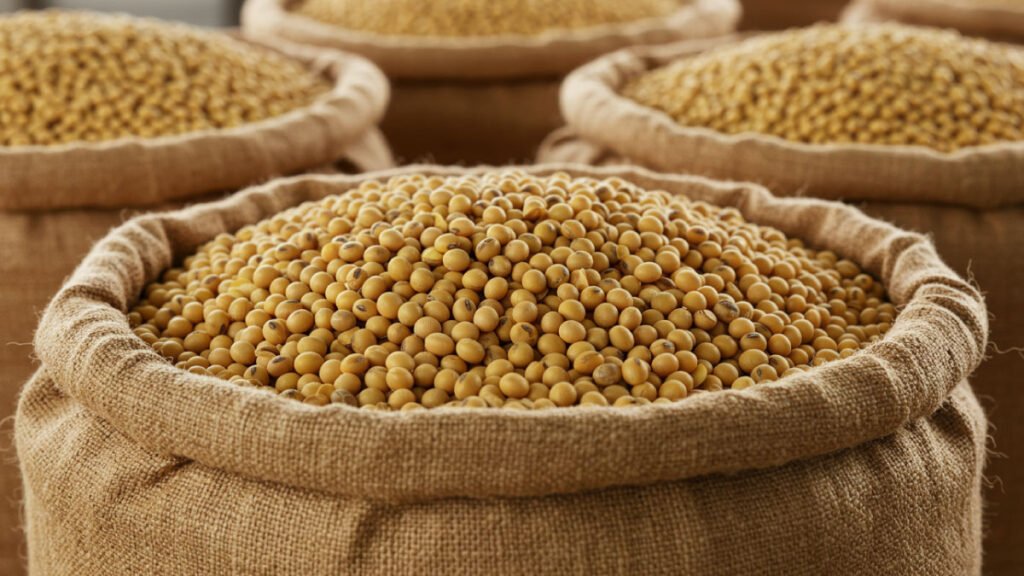
Soybean export from Nigeria has become an increasingly important part of the country’s agricultural trade, but access to an international market involves much more than having soybeans available for sale. Exporters must be able to supply consistent grain quality, control moisture and contamination, maintain proper storage conditions and meet the specifications agreed with buyers.
The commercial picture is also more complicated because Nigerian soybeans have competing domestic uses. Soybeans are an important raw material for food products, livestock feed and oil processing, meaning exporters are competing with processors for the same crop.
Recent trade data illustrates the importance of the commodity. In the first quarter of 2026, unprocessed soybeans were reported as Nigeria’s third-largest agricultural export by value, at ₦129.27 billion, while agro-processed soybean derivatives accounted for another ₦53.2 billion. India accounted for about 88% of Nigeria’s unprocessed soybean export shipments during that period.
This creates an opportunity for farmers, aggregators and exporters, but it also makes quality, supply reliability and commercial planning critical.
Why Nigerian Soybeans Attract International Buyers
One of the characteristics associated with Nigerian soybean exports is the availability of non-GM soybeans. International demand can differ considerably according to the destination, buyer and intended use, so exporters should not assume that every foreign buyer wants exactly the same product.
A World Bank assessment reported that Nigerian soybean exports increased significantly in the 2023 to 2024 period and identified non-GMO status as an important factor supporting export interest. It also reported that Nigeria’s soybean shipments were going to markets including Canada, Türkiye, India, Sri Lanka, Nepal and Pakistan during the period examined.
More recently, India has demonstrated strong interest in African soybeans. Reuters reported in May 2026 that Indian buyers had purchased soybean from African suppliers including Nigeria, Benin, Niger and Togo, with non-GM characteristics being particularly relevant to that trade.
For Nigerian exporters, this means market opportunity should be considered alongside the exact specification required by the destination market. A buyer purchasing soybeans for crushing may have different requirements from a buyer purchasing grain for food applications.
What International Buyers Look for in Nigerian Soybeans
A buyer does not simply purchase “soybeans.” The commercial contract normally defines the characteristics of the particular soybean shipment.
Important considerations can include moisture content, foreign material, damaged or discolored beans, broken or split beans, pest damage, mould, odour, infestation, grain size, cleanliness and other quality parameters.
Protein and other compositional characteristics can also matter depending on the end use. The USDA’s grain inspection guidance, for example, recognizes moisture, foreign material and protein among the quality characteristics measured for soybeans.
The exact specification should therefore come from the buyer and destination market rather than from a generic export checklist. A Nigerian exporter should obtain the specification in writing before purchasing large quantities of grain.
This is particularly important when an exporter is aggregating soybeans from several farmers. Grain that appears acceptable at farm level may become commercially problematic when mixed with material of different moisture levels, cleanliness or quality.
Moisture Content Is a Major Quality Consideration
Moisture is one of the most important factors in soybean storage and export preparation because grain containing excessive moisture is more vulnerable to deterioration during storage and transportation.
Nigeria’s Federal Produce Inspection Service explains that moisture testing is used to determine whether agricultural produce is damp and notes that damp produce can encourage mycotoxin and aflatoxin development. FPIS also conducts shipment checktests before agricultural produce is released for export.
There is no single moisture figure that should automatically be presented to every international buyer as the universal export requirement. Contract specifications, destination regulations, storage conditions and applicable commodity standards can differ.
As an indication of the type of specifications that can apply, the East African Standard for dry soybeans sets a maximum moisture level of 13% across its three listed grades. It also specifies limits for foreign matter, broken or split grains, pest-damaged grains, rotten and diseased grains and other defects.
The practical lesson for Nigerian exporters is straightforward: measure moisture rather than judging dryness by appearance or touch.
Soybeans intended for commercial export should be tested with an appropriate grain moisture meter, and measurements should be recorded during receiving, storage and final shipment preparation.
Storage Can Determine Whether Export Quality Is Maintained
Good grain at harvest can become poor-quality export stock if it is stored under unsuitable conditions.
Soybeans should be cleaned and properly dried before long-term storage. Storage facilities should protect the crop from rain, excessive humidity, rodents, insects, contamination and unnecessary exposure to moisture.
The warehouse should also be suitable for food or feed commodities, depending on the intended use. Previous commodities, chemicals, fuel, fertilizers and other materials should not be allowed to contaminate soybean storage areas.
Temperature and moisture conditions should be monitored where storage extends over a significant period. Regular inspection is particularly important during Nigeria’s humid conditions because moisture migration and inadequate ventilation can create quality problems.
The objective is not simply to store bags of soybeans until a buyer is found. The objective is to preserve the specification that the buyer agreed to purchase.
Contamination Can Destroy an Export Opportunity
Contamination is one of the risks that soybean exporters cannot afford to treat casually.
Possible problems include mould, mycotoxins, pesticide residues, foreign materials, insects, animal contamination and chemical contamination. Some contamination problems cannot be corrected economically after they occur.
Nigeria’s export quality system involves several competent authorities. NEPC identifies the Nigeria Agricultural Quarantine Service as the authority responsible for phytosanitary certification of agricultural commodities, while the Standards Organisation of Nigeria has laboratories capable of testing food samples, including mycotoxin testing.
NAQS also states that its plant quarantine functions include inspection, treatment where necessary and certification of agricultural products for export, including grains, and that crops and products may be inspected at farms, warehouses and storage facilities before certification.
For an exporter, this reinforces the importance of controlling quality from the point of purchase rather than waiting until the container is ready for shipment.
Sorting and Cleaning Should Happen Before Export
Export-quality soybean preparation starts with removing material that does not meet the agreed specification.
Depending on the buyer’s requirements, cleaning may involve removing stones, soil, plant material, damaged beans, excessive broken grains and other foreign matter. Proper handling equipment can make this process more consistent when dealing with commercial volumes.
Visual inspection is useful, but it should not replace laboratory or instrument-based testing where the contract requires it.
A professional exporter should be able to answer questions such as where the soybeans were sourced, when they were harvested, how they were stored, what tests were performed and whether the final shipment meets the buyer’s agreed specification.
That level of traceability becomes particularly valuable when buyers are purchasing repeatedly.
Buyer Specifications Should Come Before Bulk Purchasing
One of the common mistakes in commodity exporting is purchasing a large quantity first and searching for a buyer afterward.
The safer commercial approach is to establish the target market and buyer specification before committing significant capital to aggregation.
The buyer should clarify the required grade, acceptable moisture level, tolerance for foreign material and defects, testing requirements, packaging format, shipment quantity, inspection arrangements and any specific documentation required by the destination.
The intended use should also be understood. A crushing plant, feed manufacturer and food ingredient buyer may evaluate the same soybean differently.
The export contract is important because it establishes the obligations of both parties. NEPC specifically identifies the export contract as one of the documents used in formal Nigerian exports and notes that export documentation helps demonstrate conformity with importing-country specifications and buyer requirements.
Non-GMO Claims Need Proper Commercial Evidence
Non-GMO status can be commercially relevant for some soybean markets, particularly where buyers have specific sourcing requirements.
However, exporters should distinguish between saying that Nigerian soybeans are commonly traded as non-GM and making an unsupported claim about a particular shipment.
If a buyer requires certification, testing, segregation or traceability to support a non-GMO claim, those requirements should be incorporated into the purchasing and handling system from the beginning.
Mixing crops from different sources without adequate traceability can make it difficult to substantiate a claim later.
This is another reason exporters need to understand the buyer’s specification before aggregation begins.
Nigeria’s Domestic Soybean Processing Market Matters
Exporters should not view international buyers in isolation from Nigeria’s domestic market.
Soybeans are used in the production of food, oil and livestock feed, creating substantial domestic demand. A World Bank assessment estimated Nigerian soybean production at about 1.15 million metric tonnes against annual consumption of about 1.45 million metric tonnes, while also highlighting investment potential in soybean processing, particularly soymeal for domestic and export markets.
This has an important business implication.
A farmer or aggregator may have the option of selling soybeans to an exporter, feed manufacturer, oil processor or other domestic buyer. The export market therefore competes with local processing demand for available grain.
Exporters need to compare the net commercial outcome of each channel rather than assuming that export is automatically the better destination.
Domestic processors may offer advantages such as shorter transport distances, lower export documentation requirements and faster payment arrangements. An international buyer may offer a different price structure but involve additional costs for testing, aggregation, inland transportation, documentation, inspection, port handling and ocean freight.
The right commercial decision depends on the actual numbers for the particular transaction.
Supply Reliability Is as Important as Price
International buyers generally need consistency.
An exporter who can supply one truckload of good-quality soybeans but cannot repeat the quality or volume may struggle to develop a long-term commercial relationship.
For this reason, exporters should build supply networks rather than relying on a single farm. Aggregation from several production areas can provide volume, but it also creates a greater need for grading, testing, record keeping and quality control.
The exporter should know the approximate production calendar in the sourcing areas, expected harvest periods and the capacity of available warehouses.
A reliable supply programme also helps exporters avoid purchasing desperate quantities at the last minute when quality is difficult to verify.
Export Documentation and Phytosanitary Compliance
Formal soybean exports from Nigeria require more than a commercial agreement with an overseas buyer.
NEPC identifies exporter registration, export contracts, quality assurance documentation, commercial documents, financial documentation and goods-movement documents among the requirements associated with formal exports. For agricultural commodities, the phytosanitary certificate is issued by NAQS.
Depending on the transaction, documentation can also include commercial invoices, packing lists, the Nigeria Export Proceeds form, inspection documentation, certificates of weight and quality, certificate of origin and shipping documents.
The specific requirements should always be checked against the destination country’s current import rules and the buyer’s contract before shipment.
The Business Costs Go Beyond the Farmgate Price
Soybean export profitability cannot be assessed simply by subtracting the farmgate purchase price from the buyer’s quoted price.
An exporter may incur costs for aggregation, cleaning, grading, moisture testing, laboratory analysis, storage, bags or other packaging, warehouse handling, inland transportation, phytosanitary procedures, inspection, documentation, port charges, freight, financing and foreign exchange movements.
Quality losses must also be considered.
If a portion of a purchased consignment fails the buyer’s specification, the exporter may need to discount it, re-clean it, redirect it to another market or sell it domestically. Those possibilities should be considered when calculating the commercial risk of a transaction.
A proper export costing exercise should therefore begin with the buyer’s actual contract price and work backward through every cost associated with delivering compliant soybean to the agreed destination.
How Farmers Can Position Soybeans for Export Markets
Farmers who want access to export channels should think about quality before harvest.
Harvesting mature, properly dried grain reduces the risk of carrying excessive moisture and immature material into storage. Harvest and threshing equipment should be managed to minimize unnecessary grain damage.
After harvest, the crop should be cleaned, dried to the required specification and stored in conditions that protect it from moisture, pests and contamination.
Farmers can also improve their market position by maintaining basic records on production area, harvest date, variety or seed source where relevant, input use and storage location.
For exporters, these records can make aggregation and traceability much easier.
The most important point is that export quality is not something added at the port. It is created through production, harvesting, handling, storage, testing and documentation.
What Soybean Exporters Should Check Before Signing a Deal
Before committing substantial funds to a soybean export transaction, the exporter should understand exactly what the buyer is purchasing.
The key questions concern the product specification, destination, required quantity, delivery terms, inspection arrangements, testing requirements, acceptable defects, moisture limits, contamination limits, packaging, documentation, payment terms and consequences if the shipment fails inspection.
The exporter should also verify that the intended destination legally permits the product from Nigeria and determine whether any additional certificates or treatments are required.
NEPC emphasizes that export documentation helps exporters meet importing-country specifications and buyer requirements, while NAQS is responsible for phytosanitary certification and related plant quarantine controls for agricultural exports.
Is Soybean Export From Nigeria a Viable Business Opportunity?
The current market evidence shows that Nigerian soybeans have established international demand, with India being particularly significant in recent Nigerian export trade. At the same time, Nigeria has a substantial domestic market for soybean and soybean-derived products.
That means the opportunity should not be judged solely by export demand.
A successful soybean export operation needs dependable supply, acceptable quality, appropriate storage, documented testing, reliable logistics and a buyer whose specification can realistically be met.
For farmers, the opportunity can come from producing consistent export-quality grain. For aggregators, it can come from building reliable sourcing networks and maintaining quality between farms and warehouses. For exporters, the commercial opportunity lies in connecting compliant Nigerian supply with buyers whose requirements and delivery terms can be met consistently.
The strongest approach is therefore not simply to ask, “Who will buy Nigerian soybeans?” The more useful question is, “What specification does the target buyer require, can Nigerian suppliers consistently meet it, and does the transaction remain commercially viable after every export cost is included?”
That is the foundation of a sustainable soybean export business.
Frequently Asked Questions
Is there international demand for Nigerian soybeans?
Yes. Nigerian soybeans are already traded internationally, and India has been an important destination in recent export activity. Demand can vary by destination, season, soybean specification and intended use.
What moisture content should Nigerian soybeans have for export?
The required moisture level depends on the buyer, contract and applicable commodity standard. Exporters should not rely on a single universal figure. As an example, the East African dry soybean standard specifies a maximum moisture content of 13% for its listed grades.
Why is soybean moisture important during storage?
Excess moisture can reduce storability and create conditions that encourage mould and mycotoxin problems. FPIS specifically identifies moisture testing as part of agricultural produce quality control and notes the relationship between damp produce and mycotoxin and aflatoxin development.
What quality problems can cause Nigerian soybeans to fail a buyer’s specification?
Potential problems include excessive moisture, foreign material, broken or split grains, pest damage, mould, diseased grains, discoloration, infestation and contamination. The exact acceptable limits depend on the buyer and applicable standard.
Does Nigeria have domestic demand for soybeans?
Yes. Soybeans are used domestically for food, oil and livestock feed, and assessments of Nigeria’s soybean sector have identified significant demand for soybean and soybean-derived products. This domestic market competes with export demand for available grain.
Which Nigerian agency issues phytosanitary certificates for soybean exports?
The Nigeria Agricultural Quarantine Service, NAQS, is the designated Nigerian authority responsible for phytosanitary certification of agricultural exports.
Should exporters test soybeans before shipping?
Yes. Testing should be aligned with the buyer’s specification and destination requirements. Depending on the transaction, testing may cover moisture, foreign material, defects and contamination or other quality parameters. Pre-shipment quality checks are part of Nigeria’s agricultural export inspection process.
Can a farmer sell soybeans directly to an international buyer?
It is possible, but international buyers generally require reliable volumes, consistent quality, documentation and compliance with import requirements. Farmers who cannot supply the required volume may participate through aggregators, cooperatives or established exporters.